Common Mistakes to Avoid in Apartment Interior Design and Construction
Apartment interior design and construction is a crucial step that directly determines the long-term quality of life for homeowners. However, in reality, many apartments—despite significant financial investment—end up being inconvenient to live in, quickly becoming tiresome, and requiring repairs after only a short period of use.
The root cause does not lie in small floor areas or limited budgets, but rather in common mistakes made right from the apartment interior design and construction stage. Identifying these mistakes early and avoiding them will help homeowners save costs, optimize functionality, and own a living space that is truly “worth living in.”
Below are the mistakes that require special attention in apartment interior design and construction, compiled by TECO, which homeowners should not overlook.
Failure to clearly define the main design style
One of the most common mistakes in apartment interior design and construction is failing to clearly define the design style from the outset. Homeowners are often drawn to many beautiful images online—modern living rooms, neoclassical kitchens, minimalist bedrooms—and wish to “combine everything into one apartment.”
As a result, the overall space becomes fragmented and lacks cohesion, with each area following a different style, creating a visually cluttered feeling and a lack of aesthetic depth. This not only affects the living experience but also reduces the long-term value of the apartment.
Solution:
Before starting the apartment interior design and construction process, it is essential to clearly determine:
-
The main design style (modern, minimalist, Japandi, Scandinavian, neoclassical, etc.)
-
The primary users (young families, single occupants, multi-generational households, etc.)
-
The level of investment and the expected duration of use
A clearly defined style will serve as a “guiding compass” throughout the entire design and construction process.
 Lack of a clearly defined main design style
Inharmonious use of colors
Color plays an important role in spatial perception, especially for apartments with limited areas. A common mistake is overusing dark or bold colors, or choosing color combinations based on personal preference without considering the overall harmony.
Inharmonious color schemes can cause an apartment to:
-
Feel cramped and stuffy
-
Cause eye strain and discomfort during long-term living
-
Quickly become outdated with changing trends
Solution:
In apartment interior design and construction, it is advisable to prioritize:
-
Neutral color palettes as the base (white, beige, light gray, light wood tones)
-
One to two accent colors to create visual highlights
-
Color consistency between walls, flooring, and furniture
The principle of “less but right” is always more effective than “more but messy.”
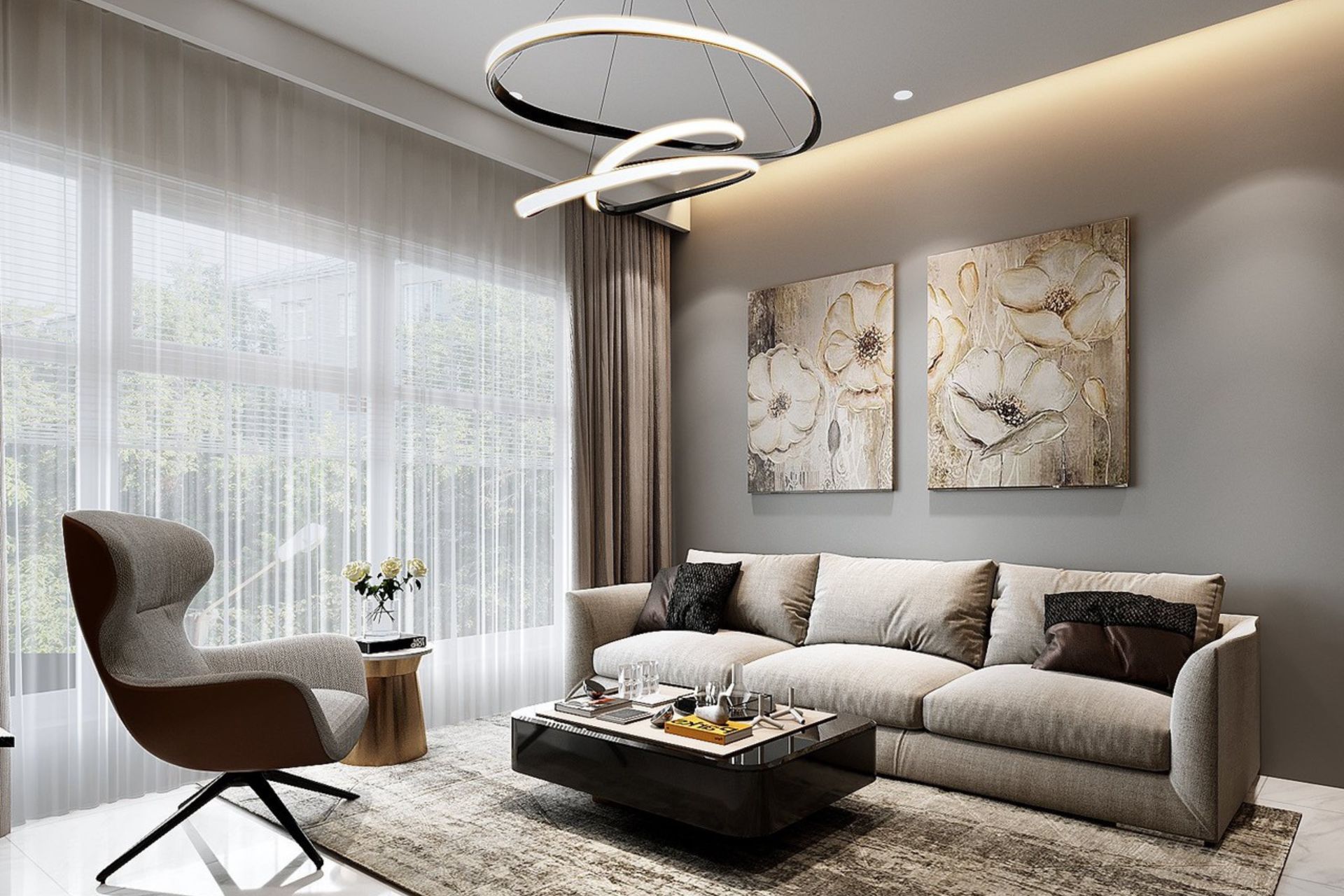
Colors are not harmoniously coordinated
Neglecting lighting and ventilation
Many apartments are beautifully designed in appearance but lack natural light and proper ventilation, leading to a cramped and tiring living environment.
Common mistakes include: furniture layouts that block natural light, complete dependence on artificial lighting, and failure to utilize balconies and windows for air circulation.
In apartment interior design and construction, lighting and ventilation are not merely technical factors—they directly affect the health and emotions of the occupants.
Solution:
-
Optimize natural light through open layouts
-
Design a multi-layer lighting system: general lighting – task lighting – decorative lighting
-
Maintain good ventilation and minimize unnecessary partitions
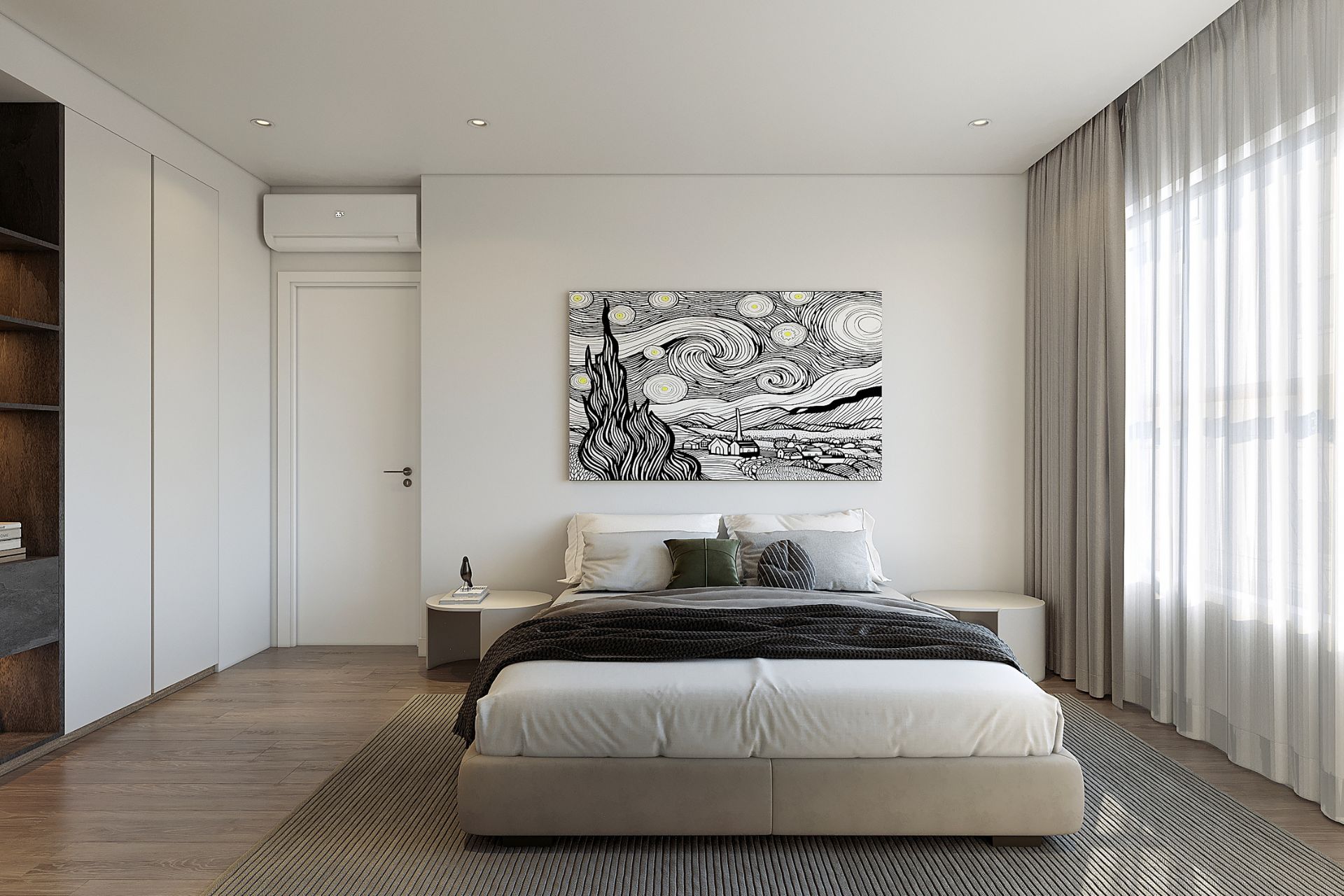 Lighting and ventilation are not given sufficient attention
Poorly planned functional layout
An apartment may look beautiful, but if its functional layout is unreasonable, it will quickly become a “hard-to-live-in” space. This is a mistake that many homeowners only realize after moving in.
Common issues include: narrow and obstructed walkways, weak connections between the living room, kitchen, and dining area, and insufficient storage space, causing the home to become cluttered quickly.
Solution:
When designing and constructing apartment interiors, functionality must be the top priority:
-
Clearly define functional zones
-
Optimize internal circulation paths
-
Enhance solutions for multifunctional furniture and smart storage
A good design is one that serves daily living in a natural and convenient way.
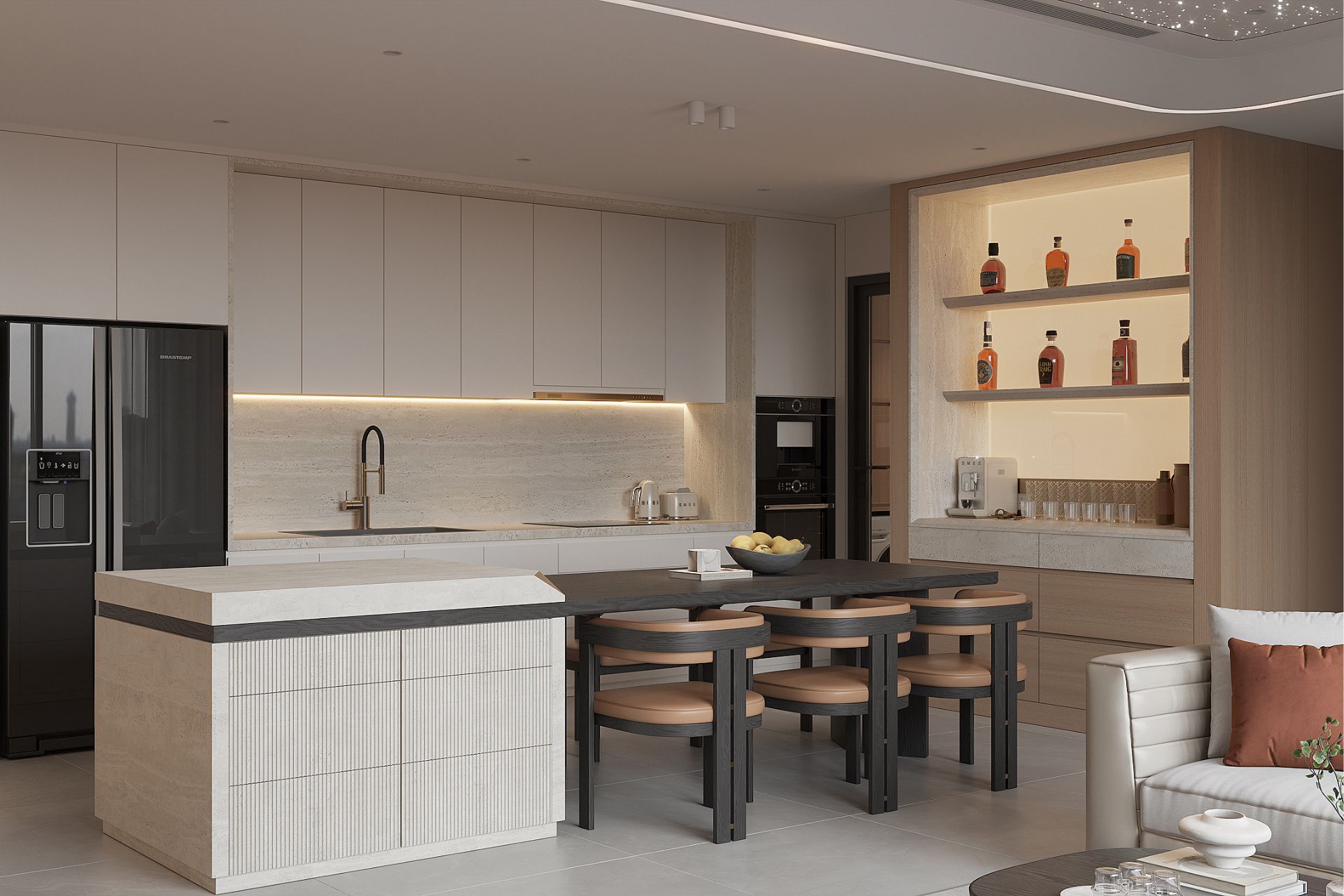 Another mistake is an unscientific functional layout
Choosing materials unsuitable for apartments
Apartments have their own structural and usage characteristics. Selecting inappropriate materials can lead to negative consequences such as rapid deterioration and difficulty in maintenance and repairs.
For example: using overly heavy materials, low-quality wood, or materials that cannot withstand high humidity levels.
Solution:
In apartment interior design and construction, it is recommended to prioritize:
-
Lightweight, durable, and easy-to-install materials
-
High-quality engineered wood with compatible hardware
-
Materials suitable for apartment living conditions and local climate
Choosing the right materials from the beginning will help save future repair and maintenance costs.
Ignoring feng shui and living habits
Feng shui in apartments is not superstition, but rather a rational arrangement that creates balance and convenience in daily living. Ignoring this factor may cause homeowners to feel uneasy and uncomfortable over the long term.
In addition, failing to consider each family’s living habits is also a major mistake. Every household differs in terms of number of members, lifestyle, and space usage needs.
Solution:
-
Apply feng shui in a reasonable and scientific manner
-
Personalize the design according to actual living habits
-
Avoid mechanically applying ready-made design templates
 Homeowners may choose to overlook feng shui factors.
Prioritizing aesthetics over comfort
A “classic” mistake in apartment interior design and construction is chasing eye-catching appearances while neglecting usability. Many details look impressive in photos but are inconvenient in everyday life.
For example:
-
Beautiful sofas that are uncomfortable to sit on
-
Elaborate dining tables that are difficult to use
-
Numerous decorative shelves but insufficient storage space
Solution:
Apartment interior design should focus on:
-
Daily usability and comfort
-
Long-term, sustainable living experiences
-
Harmonious aesthetics without excessive ostentation
Conclusion
Apartment interior design and construction is not merely about beautifying a space, but a process of creating a living environment that aligns with people, habits, and future usage.
Avoiding common mistakes from the beginning will help homeowners reduce unexpected costs and improve daily quality of life. Hopefully, through this article, TECO has helped you clearly understand the common mistakes in apartment interior design and construction. Contact TECO for detailed consultation for your apartment.