
Explore 7 Design Principles for Factory Offices
In modern industrial parks, factory offices are no longer merely auxiliary spaces. They are the workplaces of management teams, engineers, and administrative departments. These are key links that determine the operational efficiency of the entire factory. Therefore, the design of offices within factories needs to be carefully studied and systematically planned in order to simultaneously meet technical, safety, and working experience requirements.
A factory office designed according to proper principles not only helps optimize management. It also enhances corporate image, creating a professional and sustainable working environment. Below, TECO summarizes seven core design principles that investors should not overlook.
1. Location of the office within the factory
Location is the first factor that determines the effectiveness of a factory combined with an office. The office can be arranged as a standalone, semi-independent, or integrated space within the factory block, depending on the scale and nature of production.
The office should be located in a convenient area, easily connected to production departments. However, it should not be placed too close to sources of noise, vibration, or areas that generate dust and odors. Proper arrangement helps management teams control production activities, while still ensuring a quiet working environment.
A well-designed location also helps optimize internal circulation flows, reducing intersections between office personnel and machinery areas, thereby improving overall safety.
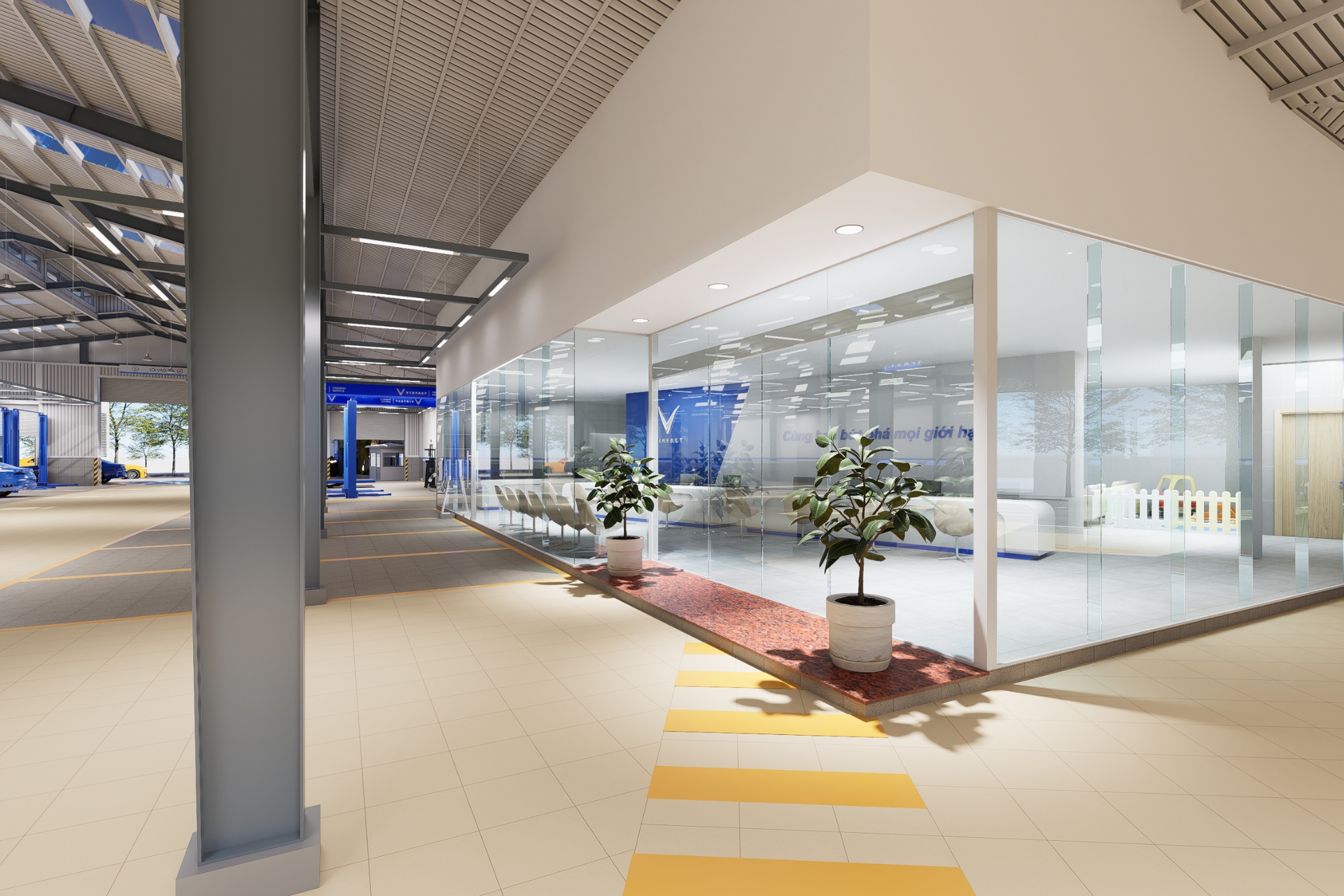
 Location of the office within the factory
2. Clear functional zoning, minimizing impact on production
An important principle in designing offices within factories is clearly separating administrative spaces from production areas. Mixing these two areas often causes noise, distraction, and negatively affects work productivity.
Commonly applied solutions include using soundproof glass partitions, panel walls, or raised floor structures for office spaces. Functional rooms such as director’s offices, meeting rooms, and technical rooms should be arranged appropriately to avoid overlapping circulation paths.
Scientific zoning not only enhances the aesthetic quality of factory offices, but also ensures a stable and professional working environment.
3. Ensuring lighting and ventilation for factory offices
Lighting and ventilation directly affect employee health and performance. In factory environments, these factors are often underestimated.
Offices should maximize the use of natural light through windows, glass partitions, or skylights. This helps reduce dependence on artificial lighting and creates a comfortable working atmosphere.
At the same time, ventilation and air-conditioning systems must be designed separately to avoid drawing in hot air, dust, or odors from production areas. A factory office with clean air contributes significantly to long-term morale and work efficiency.
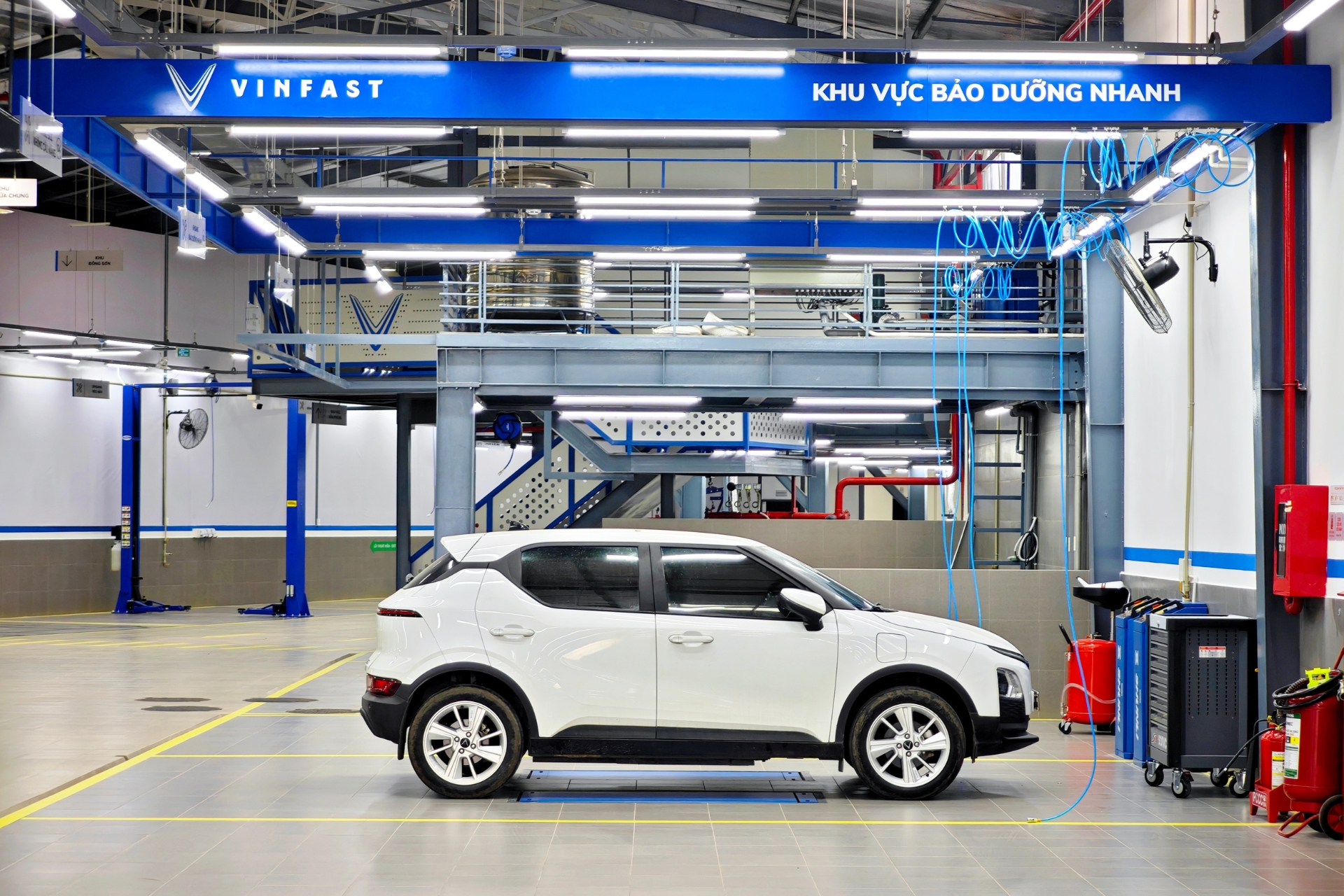
 Ensuring lighting and ventilation for factory offices
4. Compliance with occupational safety standards
Safety is always a mandatory requirement for all factory offices. Designs must strictly comply with regulations on fire prevention and firefighting, emergency exits, and electrical safety.
Offices must have clearly defined emergency exits, unobstructed corridors, standard-compliant staircases, and fire alarm and firefighting systems that are fully integrated with the entire factory. Finishing materials should prioritize fire-resistant properties and limit the generation of toxic smoke.
In addition, electrical systems, lighting, and data networks must be designed scientifically to avoid overlaps and reduce the risk of incidents during operation.
 Compliance with occupational safety standards
5. Flexible design and ease of expansion
A common mistake in designing factories combined with offices is focusing only on current needs without considering future development. In reality, enterprises often expand their workforce or change organizational structures after a few years of operation.
Therefore, factory offices should be designed with flexibility in mind. Spaces should be easily divisible, expandable, or renovable without significantly affecting the overall structure. Prefabricated structural solutions, modular systems, or movable partitions are effective options.
Flexible design helps enterprises significantly save renovation costs in the long term and ensures that the building can adapt to growth.
6. Optimizing functionality and working experience
A beautiful factory office is not just about appearance; it must optimize functional use and working experience for employees. The layout of desks, walkways, and functional rooms should suit the nature of work and the number of users.
Workspaces should balance open areas with private spaces. Colors and interior materials should create a professional, neat atmosphere and be easy to maintain. Factors such as sound insulation, lighting, and temperature must be well controlled so employees can focus during long working hours.
When the working experience is improved, employee productivity and engagement with the enterprise increase noticeably.
 Optimizing functionality and working experience
7. Harmonizing office design with the overall factory architecture
The final but equally important principle is overall coherence. Office design within a factory must harmonize with the factory’s overall architecture, from form and materials to color schemes.
This coherence helps create a unified aesthetic, avoiding a “patchwork” appearance. At the same time, the office is a place that reflects corporate image and culture. A well-executed design leaves a positive impression on partners, clients, and employees.
A modern factory office does not need to be overly elaborate, but it must clearly convey professionalism and brand identity.
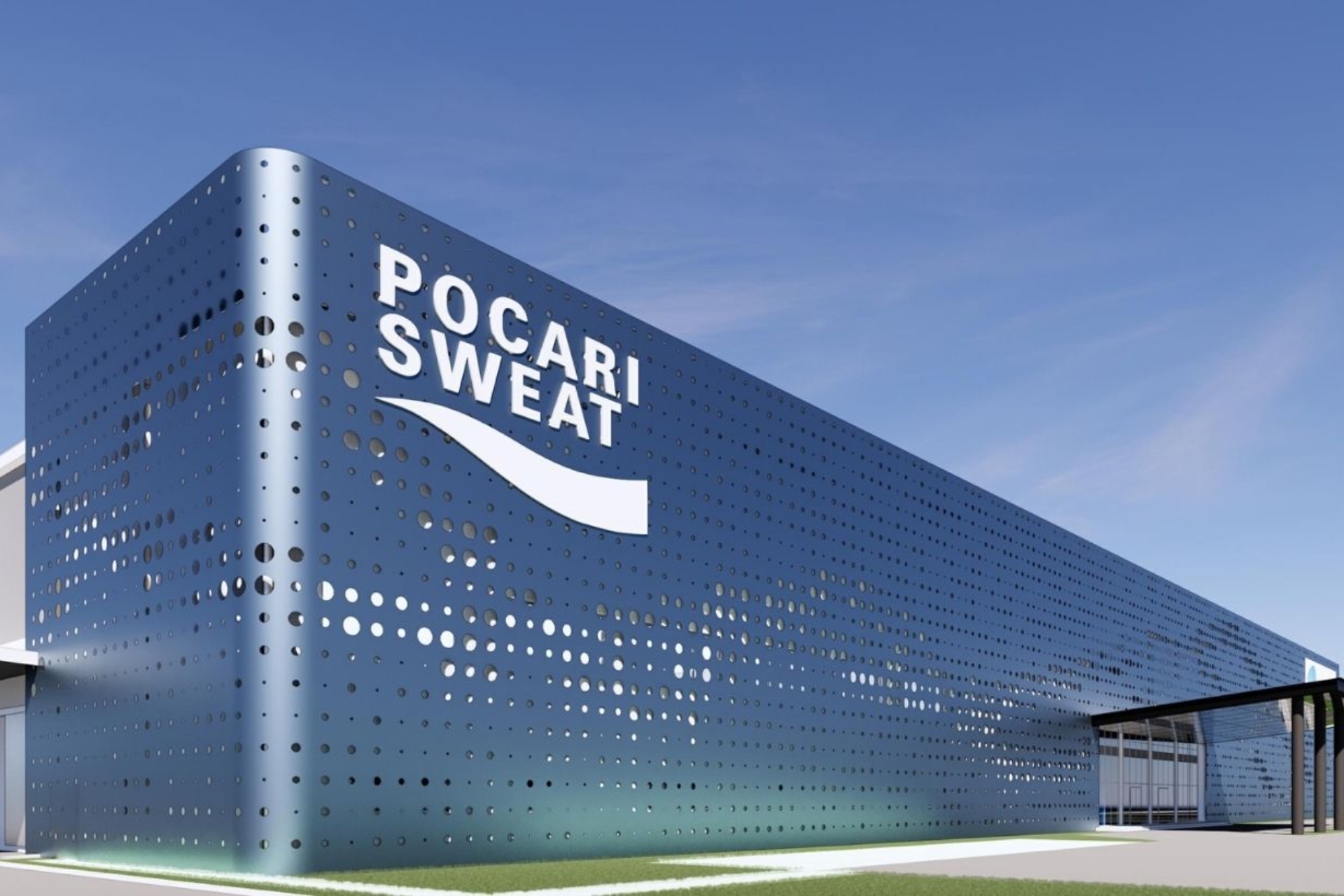
 Synchronizing office design with the overall factory
TECO – A reputable and professional factory office design and construction contractor
With practical experience in factory office design and construction, TECO thoroughly understands the technical requirements, safety standards, and operational challenges of manufacturing enterprises.
TECO provides turnkey solutions from concept consultation and design to full construction of factory offices, ensuring optimal functionality, cost efficiency, and project timelines. Each project is carefully studied to suit production characteristics as well as the investor’s long-term development orientation.
If you are looking for an effective factory office solution, TECO is a reliable partner to accompany you.