Green, Energy-Efficient Factory Design Trends 2026
In the context of increasingly rising energy costs and the requirement for sustainable development becoming a new standard, factory design is no longer limited to ensuring production functionality. Instead, businesses are shifting toward green, energy-efficient factory models to optimize operating costs and enhance long-term value.
This trend is not just an option, but has become an important strategy that helps businesses improve their competitiveness in 2026 and the years ahead. Join TECO to explore the details in the article below.
Green, Energy-Efficient Factory Design Trends 2026
What is green factory design?
Concept of a green factory
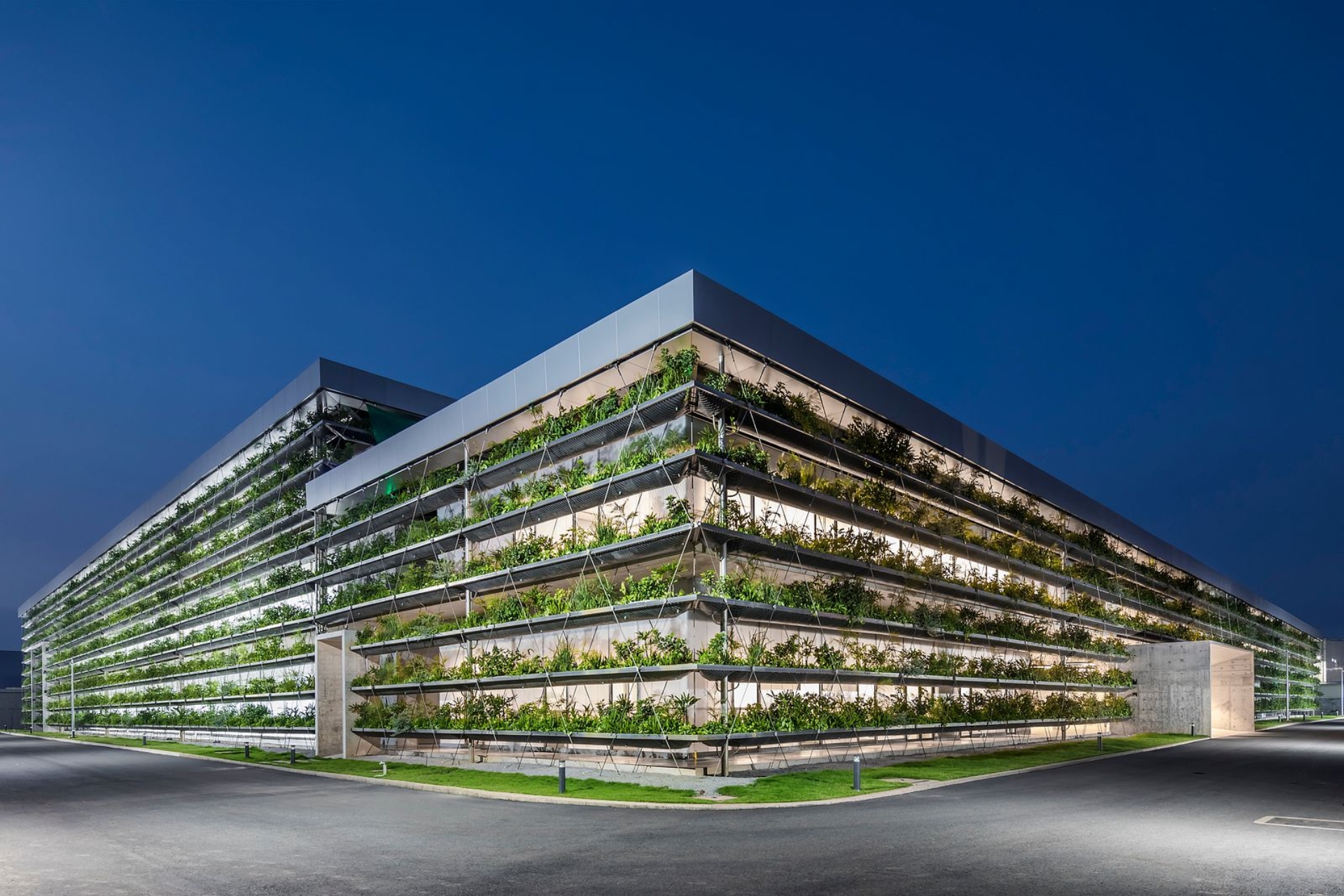
Green factory design is a method of designing and constructing factories in a way that minimizes negative environmental impacts, while optimizing the use of resources such as electricity, water, and materials.
A factory is considered “green” when it meets the following criteria:
- Energy saving throughout the entire operational lifecycle
- Maximizing the use of natural lighting and ventilation
- Using environmentally friendly materials
- Reducing emissions and optimizing waste treatment
Not only stopping at environmental factors, this design also aims to improve working conditions and enhance production efficiency.
Differences between “green factories” and “traditional factories”
The difference between the two models lies in design thinking and long-term objectives:
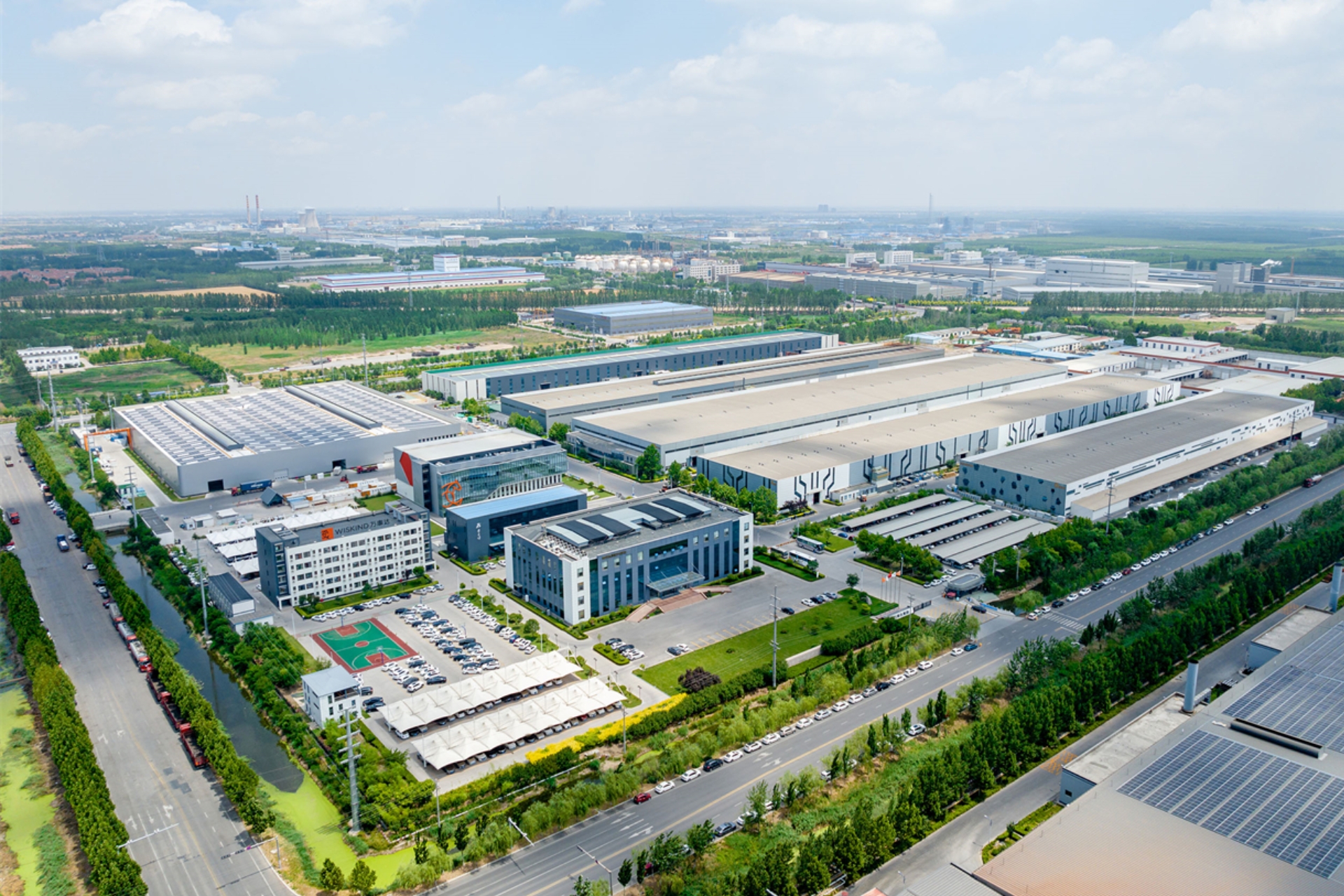
Traditional industrial factories often focus on initial investment costs, paying little attention to long-term operational efficiency. This leads to high energy and maintenance costs.
Green factories are designed with an overall optimization orientation, from architecture to technical systems. Although the initial investment cost may be higher, it significantly saves operating costs and increases the lifespan of the building.
It can be seen that green factory design is a shift from “short-term cost” to “long-term value.”
 Differences between green factories and traditional industrial factories
Why has green factory design become an inevitable trend?
The strong development of green factory models comes from many factors:
- Energy cost pressure: Electricity and fuel prices continuously increase, forcing businesses to optimize energy consumption.
- Requirements from international markets: Partners and global supply chains increasingly prioritize businesses that meet environmental and sustainability standards.
- Environmental policies and standards: Regulations on emissions and energy saving are becoming stricter, especially in industrial production.
- Long-term economic benefits: Green factories can reduce 20–30% of electricity costs, while improving workforce productivity.
These factors make green factory design no longer a temporary trend but an inevitable direction for modern businesses.
 Why has green factory design become an inevitable trend?
5 outstanding green factory design trends
1. Optimizing passive design (Passive Design)
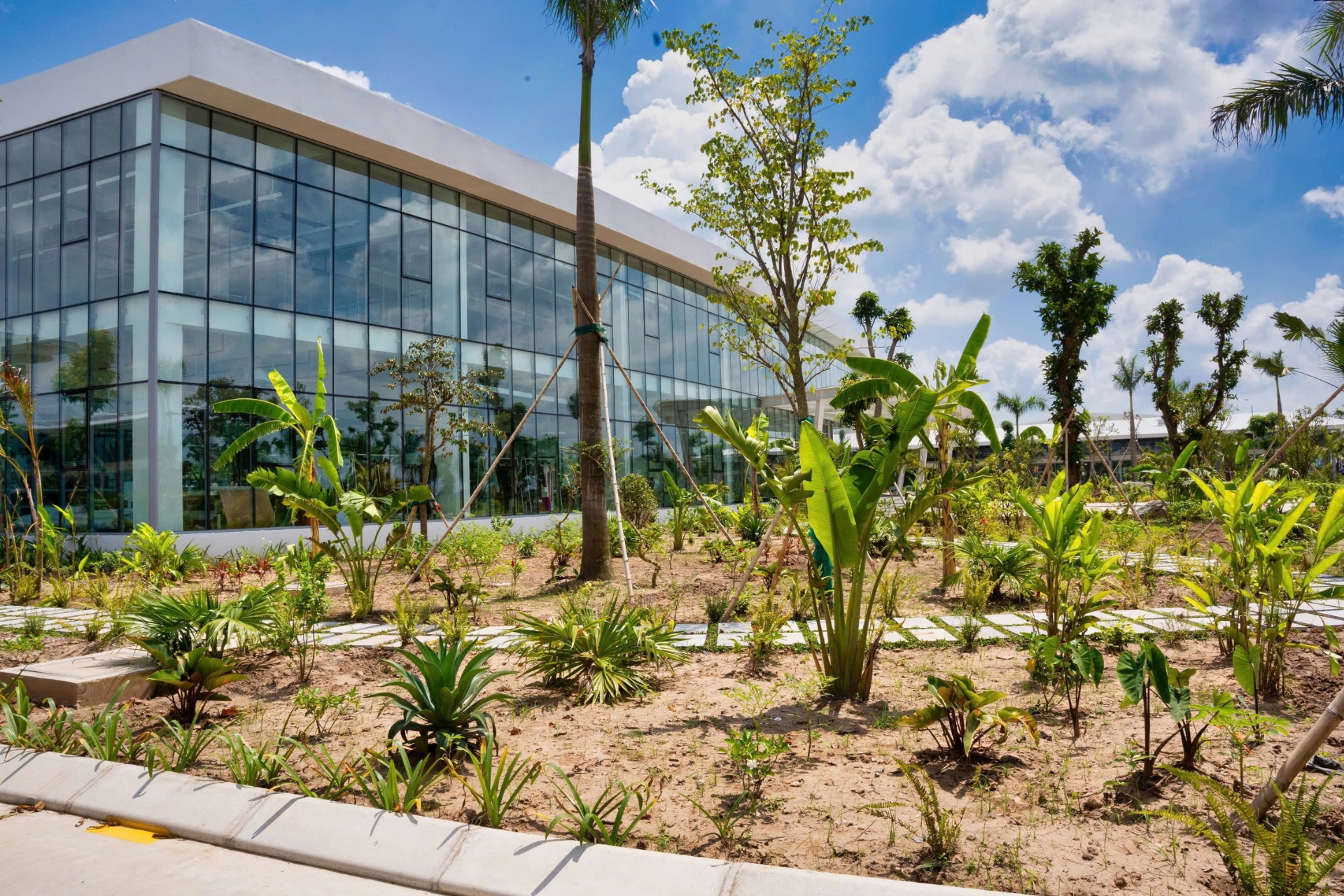
Passive design is an important foundation in modern factory design. The arrangement of building orientation, roofing systems, and ventilation openings helps maximize natural lighting and airflow.
This solution reduces dependence on air conditioning and artificial lighting systems, thereby significantly saving energy.
2. Using green building materials
The trend of using environmentally friendly materials is becoming increasingly popular, including:
- Insulated panels that reduce heat absorption
- Unfired bricks that reduce CO₂ emissions
- Recycled and lightweight materials
These materials not only save energy but also improve the durability of the building.
3. Application of renewable energy
Solar energy is becoming a top choice in green factory design. Rooftop solar systems help businesses be proactive with electricity sources and reduce long-term operating costs. In addition, combining energy storage systems helps optimize electricity usage efficiency.
4. Smart energy management systems
IoT technology and energy monitoring systems help businesses track and control electricity consumption in real time. As a result, energy waste issues can be quickly detected and handled, improving operational efficiency.
5. Design integrated with production operations
An important trend in modern factory design is optimizing production layout. Proper arrangement of production lines helps:
- Reduce travel distance
- Optimize internal logistics
- Minimize unnecessary energy consumption
This is a factor that brings clear efficiency but is often overlooked in traditional models.
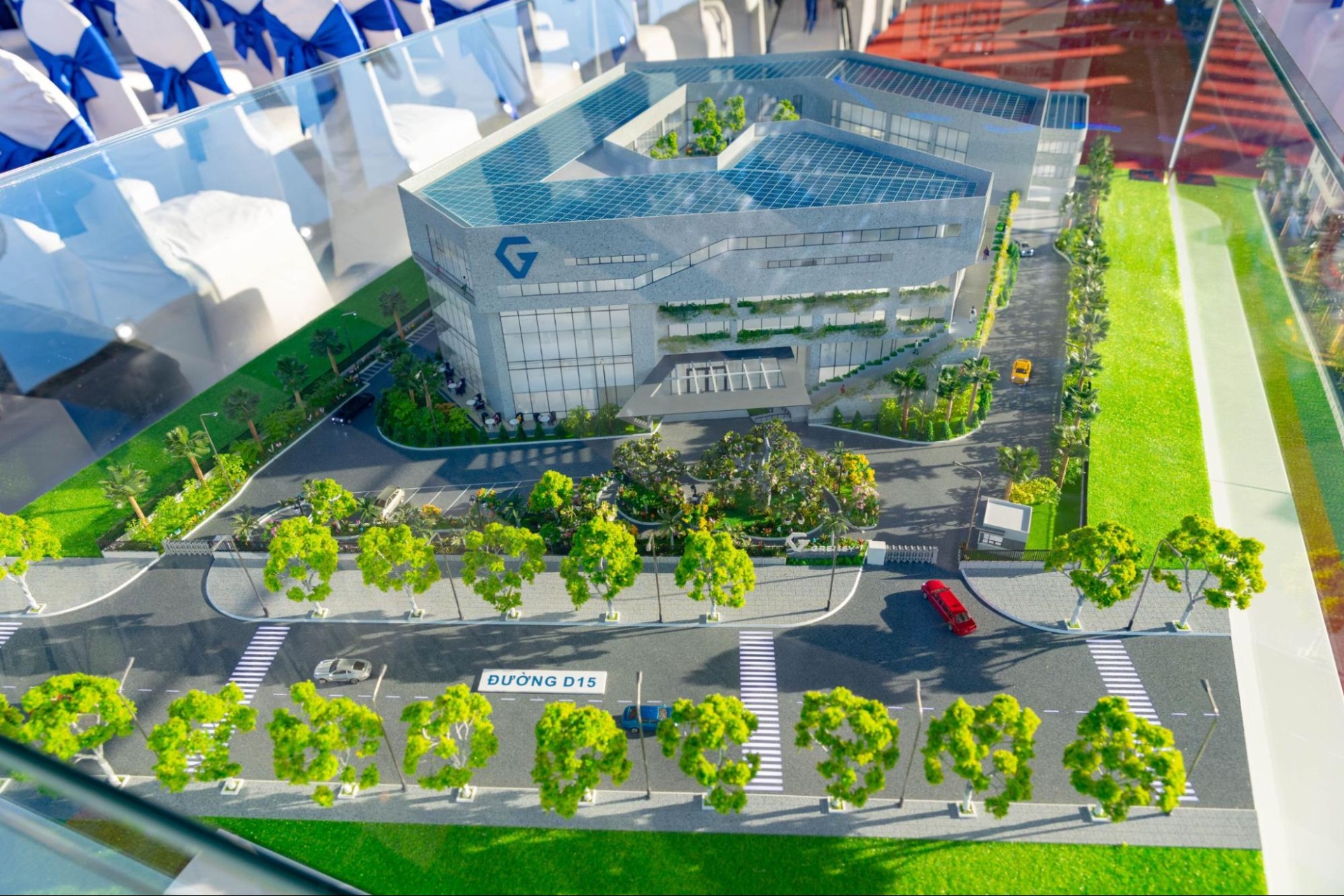 Design integrated with production operations
Key factors in green factory design
For a project to truly meet green and energy-saving standards, factory design needs to be approached synchronously from materials to technical systems. Below are the core decisive factors:
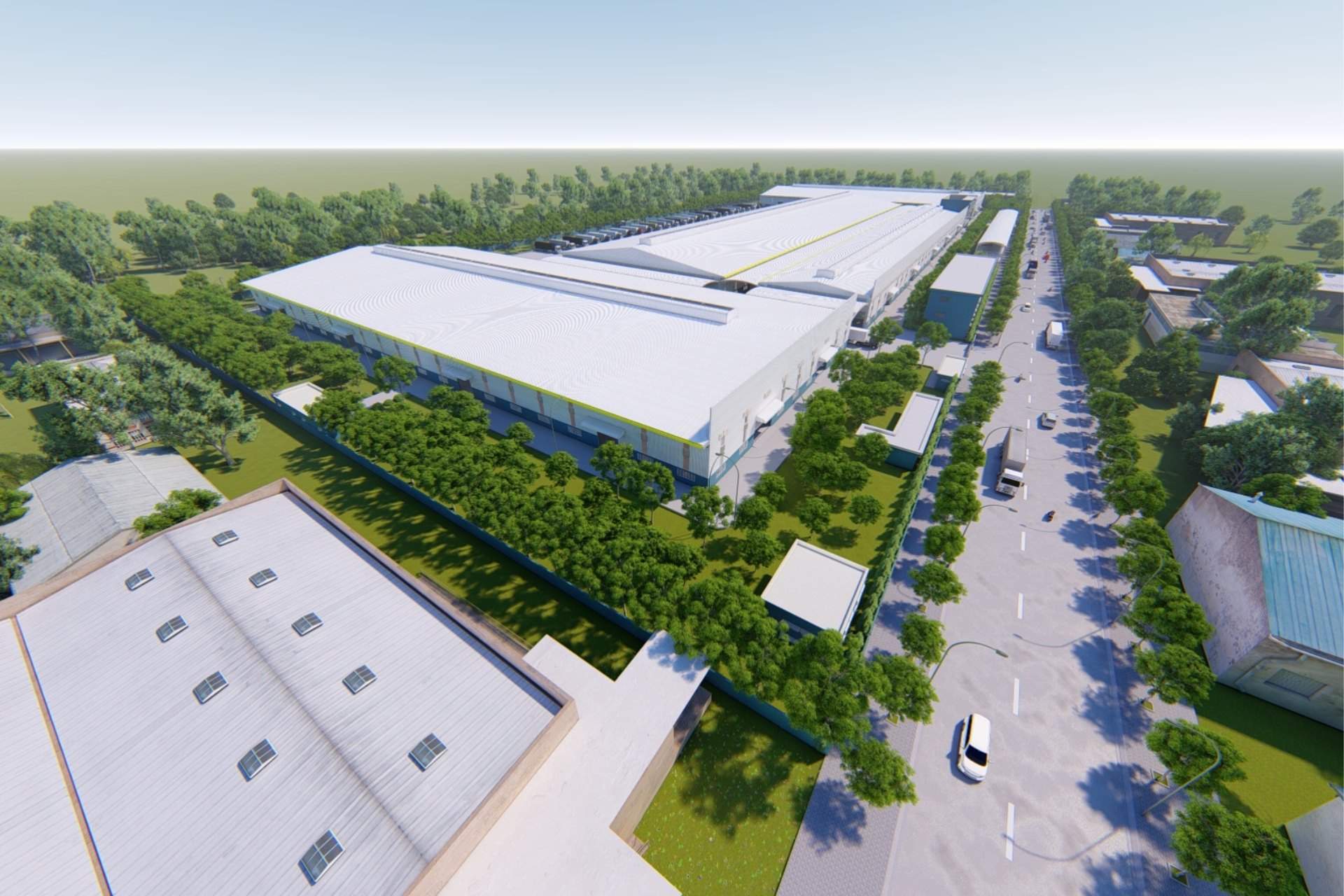 Key factors in green factory design
1. Use of smart building materials
Materials are not only structural elements but also directly affect energy performance. In green factory design, the current trend is to use “smart” materials capable of optimizing thermal performance and reducing electricity consumption:
- Insulated panels (PU, PIR) help limit heat transfer from outside
- Heat-resistant roofing sheets that reflect solar radiation
- Lightweight, recycled materials that reduce load and emissions
- Glass or daylight panels with radiation control
These solutions significantly reduce the need for air conditioning and cooling systems, thereby optimizing long-term operating costs.
2. Industrial dust filtration and air treatment systems
One important factor that is often underestimated is the air treatment system.
In industries such as mechanical, wood, food, or textile production, dust and emissions are major issues. Installing high-quality industrial dust filtration systems brings many benefits:
- Reducing workplace environmental pollution
- Protecting workers’ health
- Ensuring compliance with environmental standards
- Increasing the lifespan of machinery and equipment
Modern systems can integrate sensors to automatically adjust capacity according to dust levels, helping to save energy more effectively.
3. Ventilation systems and microclimate control
Instead of only using basic natural ventilation solutions, green factory design requires comprehensive calculation of the internal microclimate:
- Combining natural ventilation and mechanical ventilation
- Using high-efficiency industrial fans
- Arranging airflow properly according to production layout
The goal is not only cooling, but also maintaining a stable working environment to increase labor productivity.
4. Optimizing energy-efficient MEP systems
MEP systems (Mechanical – Electrical – Plumbing) account for most of the energy consumption in factories.
An effective design needs to:
- Use energy-saving equipment (high-efficiency motors, inverters)
- Industrial LED lighting systems
- Optimize water supply and drainage systems
Investing properly in technical systems can help businesses significantly reduce long-term operating costs.
Conclusion
The trend of green, energy-efficient factory design not only reflects a change in construction thinking but also demonstrates the transformation of businesses in the new era. Investing in green factories is investing in operational efficiency, brand reputation, and sustainable development in the future. In an increasingly competitive context, businesses that take the lead in applying this design solution will gain significant advantages in cost, efficiency, and global integration capability. Through this article, TECO hopes that businesses clearly grasp the trends and important factors when designing green factories.