Important Standards in Factory Design
In the industrial sector, factory design is not merely about arranging production spaces; it is the process of creating an efficient, safe operational system that complies with legal requirements. A factory designed according to proper standards helps businesses optimize investment costs, improve production efficiency, and minimize operational risks.
So, what standards should investors comply with when designing a factory?
Why Is It Necessary to Comply with Standards in Factory Design?
A factory is a high-value asset with a service life that can extend over several decades. If technical standards are not applied from the outset, businesses may face numerous challenges such as high operating costs, difficulties in expanding production, or failure to meet inspection and acceptance requirements.
Complying with standards in factory design provides many benefits:
- Ensuring the safety of employees and assets.
- Optimizing production lines.
- Extending the lifespan of the facility.
- Meeting regulatory requirements from government authorities.
- Reducing future maintenance and renovation costs.
This serves as the foundation for businesses to establish a stable and sustainable production environment.
Understanding Important Standards in Factory Design
Standards for Factory Planning and Layout
One of the most important factors in factory design is functional layout planning.
The layout must be organized scientifically and tailored to the production characteristics of each industry. Functional areas typically include:
- Production area.
- Raw material warehouse.
- Finished goods warehouse.
- Office area.
- Technical and supporting facilities.
In addition, internal traffic flow must be carefully planned to minimize intersections between workers and transportation vehicles.
A properly designed layout helps reduce internal transportation time, improve production efficiency, and facilitate future factory expansion.
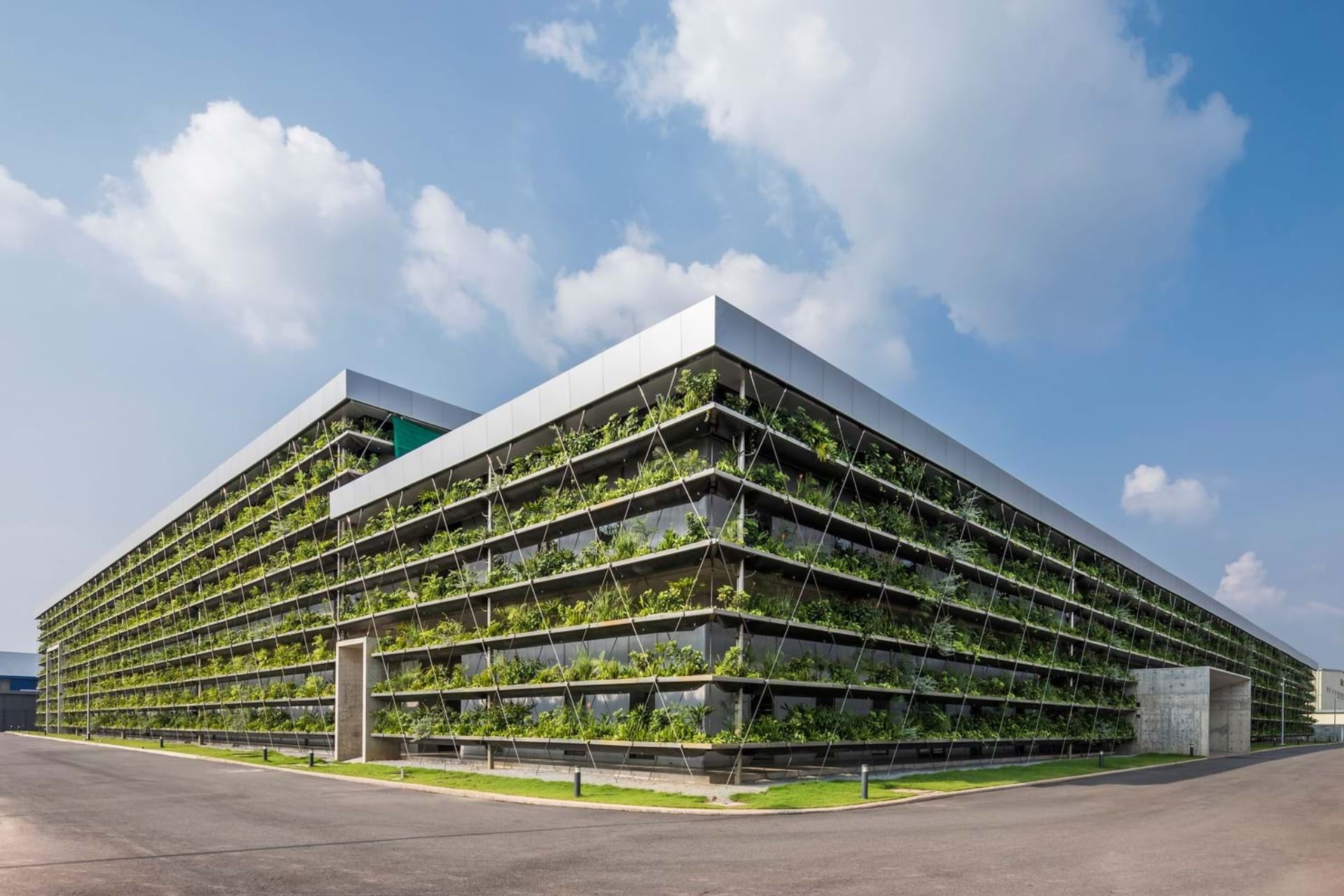 Factory Planning and Layout
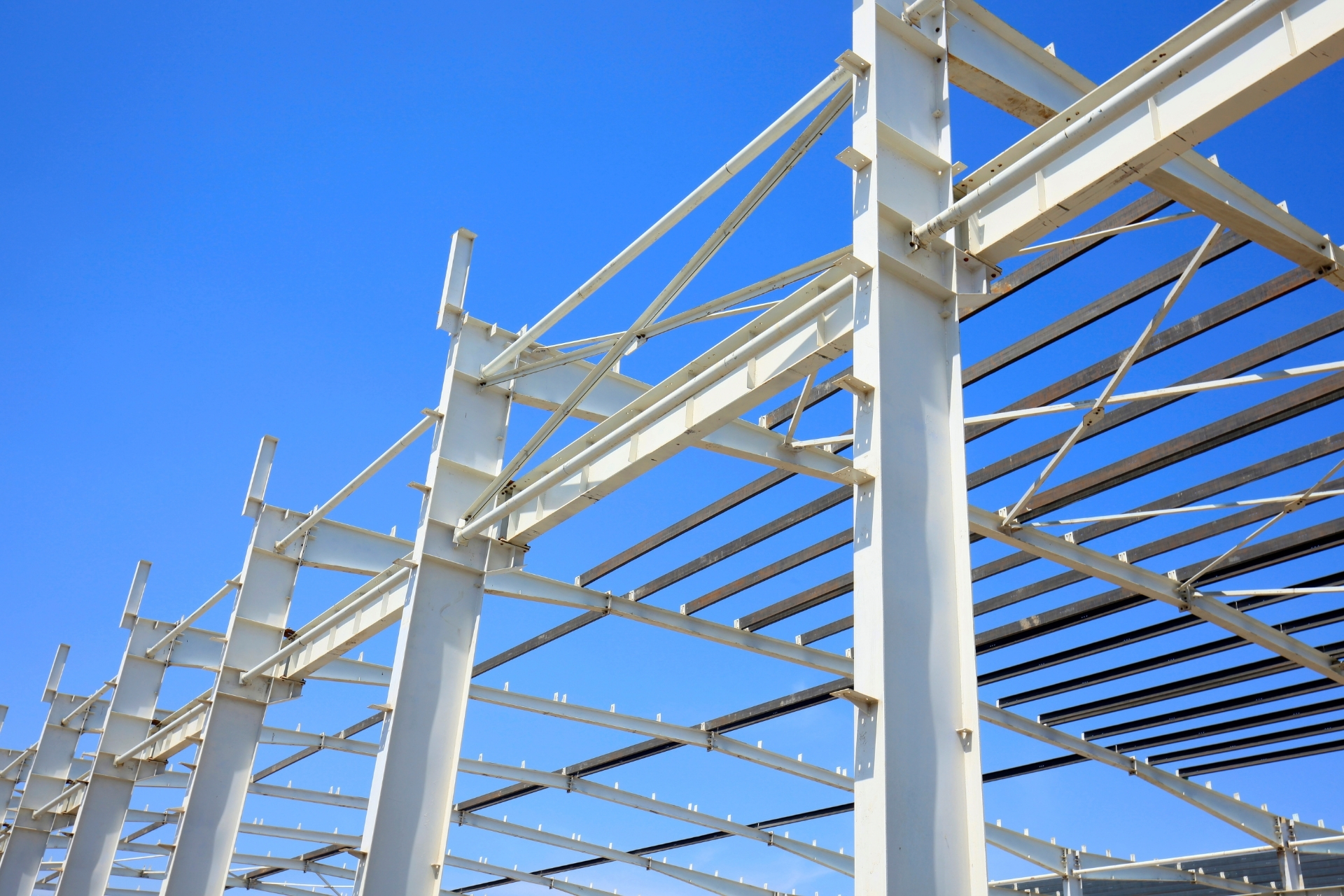
The structure is the primary load-bearing component of a building and directly determines the safety of the factory.
Depending on the project scale and production sector, the design consultant may select:
- Pre-engineered steel structures.
- Reinforced concrete structures.
- Hybrid structural systems.
During the design process, engineers must fully calculate various types of loads, including:
- Dead loads (self-weight of the structure).
- Live loads.
- Wind loads.
- Production equipment loads.
- Overhead crane loads (if applicable).
In particular, the factory foundation and floor system must be designed to withstand loads appropriate to machinery and operational vehicles. For heavy industrial manufacturing facilities, floor load capacity is a critical factor that must be calculated from the design stage.
Fire Protection and Firefighting (FPF) Standards
Fire protection and firefighting requirements are mandatory for all industrial facilities.
A compliant fire protection and firefighting system not only safeguards people and assets but is also a prerequisite for obtaining approval and putting the facility into operation.
In factory design, FPF requirements typically include:
- Automatic fire alarm systems.
- Automatic fire suppression systems.
- Indoor and outdoor fire hydrants.
- Portable fire extinguishers.
- Emergency exit signs.
- Smoke extraction and pressurization systems.
In addition, the number of emergency exits, corridor widths, and travel distances to escape routes must comply with current regulations.
This is not an area where costs should be cut, as it directly affects the safety of the entire facility.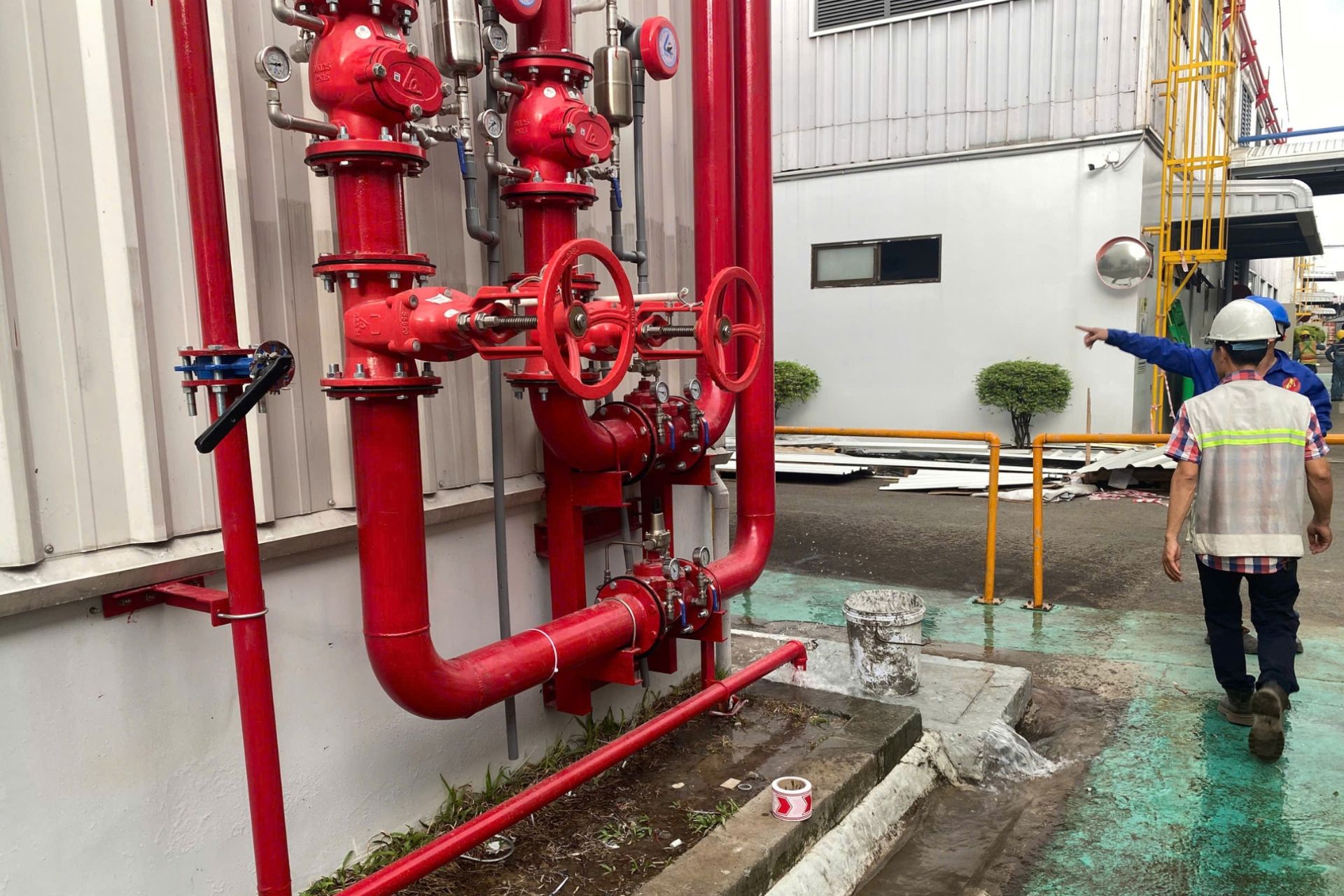
Fire Protection and Firefighting Is Mandatory for All Industrial Facilities
Ventilation and Air Conditioning Standards
The working environment inside a factory has a significant impact on labor productivity and product quality.
For conventional manufacturing facilities, natural ventilation solutions are often prioritized through:
- Air intake openings.
- Ventilation louvers.
- Roof vent systems.
- Monitor roofs.
In factories that generate substantial heat or require strict environmental control, mechanical ventilation and HVAC systems must be implemented comprehensively.
An effective ventilation system helps:
- Reduce indoor temperatures.
- Control humidity levels.
- Remove dust and exhaust gases.
- Improve working conditions for employees.
This is a criterion that is receiving increasing attention from investors when designing modern factories.
Lighting Standards in Factories
Lighting not only supports production activities but also affects visual health and workplace safety.
Each area within a factory requires different illumination levels depending on the nature of the work being performed.
When designing a lighting system, attention should be paid to:
- Ensuring uniform illumination.
- Minimizing glare.
- Maximizing natural daylight.
- Improving energy efficiency.
Today, many factories use skylight panels combined with industrial LED lighting systems to significantly reduce electricity costs during operation.
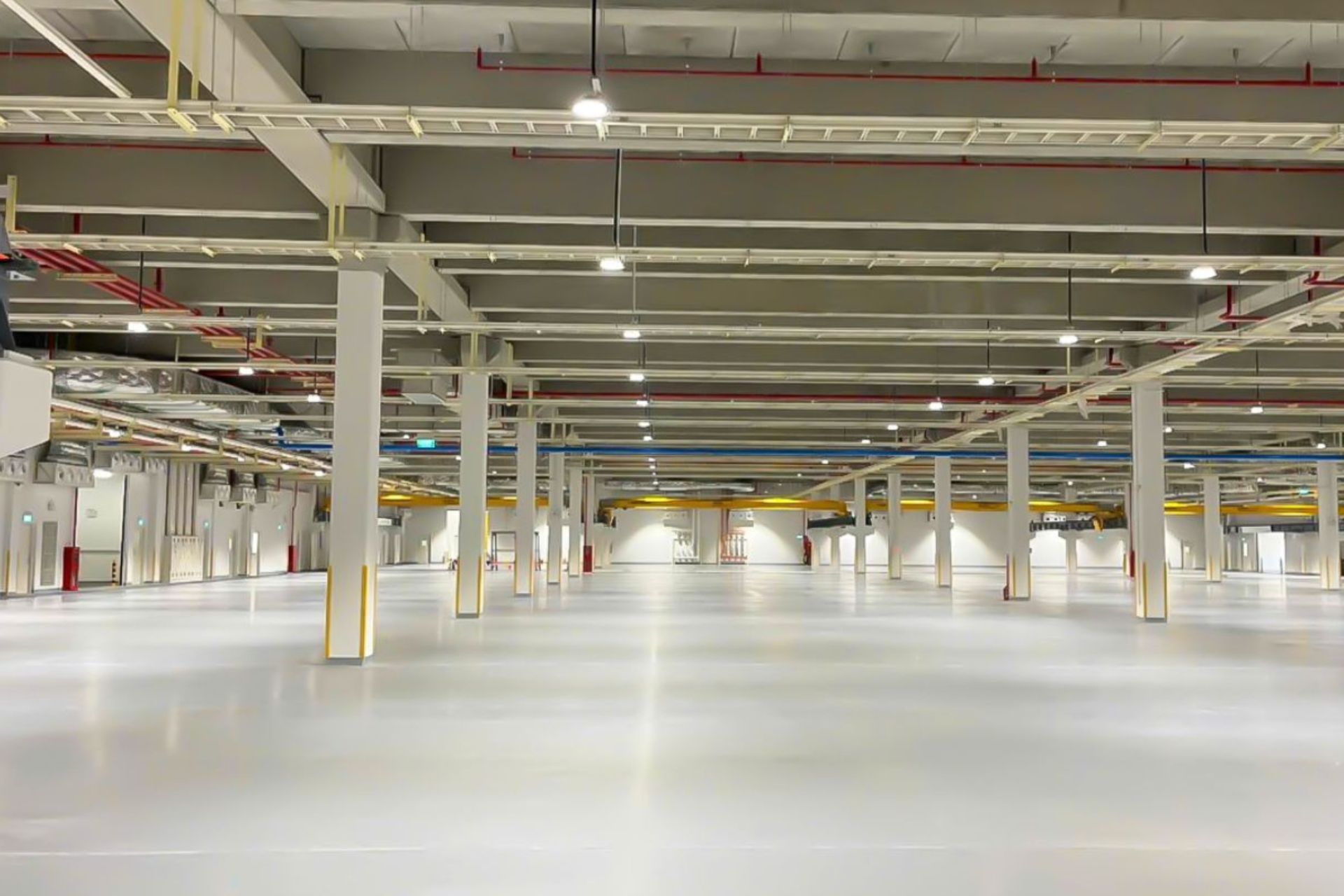 Lighting Standards in Industrial Factories
Environmental and Sustainable Development Standards
Current industrial development trends focus not only on production efficiency but also on sustainability.
Therefore, factory design should meet environmental requirements such as:
- Noise control.
- Vibration reduction.
- Wastewater management.
- Production waste collection.
- Energy conservation.
In addition, many businesses are investing in green factory models through solutions such as:
- Maximizing natural daylight.
- Utilizing natural ventilation.
- Installing rooftop solar power systems.
- Using environmentally friendly materials.
These solutions not only reduce operating costs but also enhance the company’s image among partners and customers.
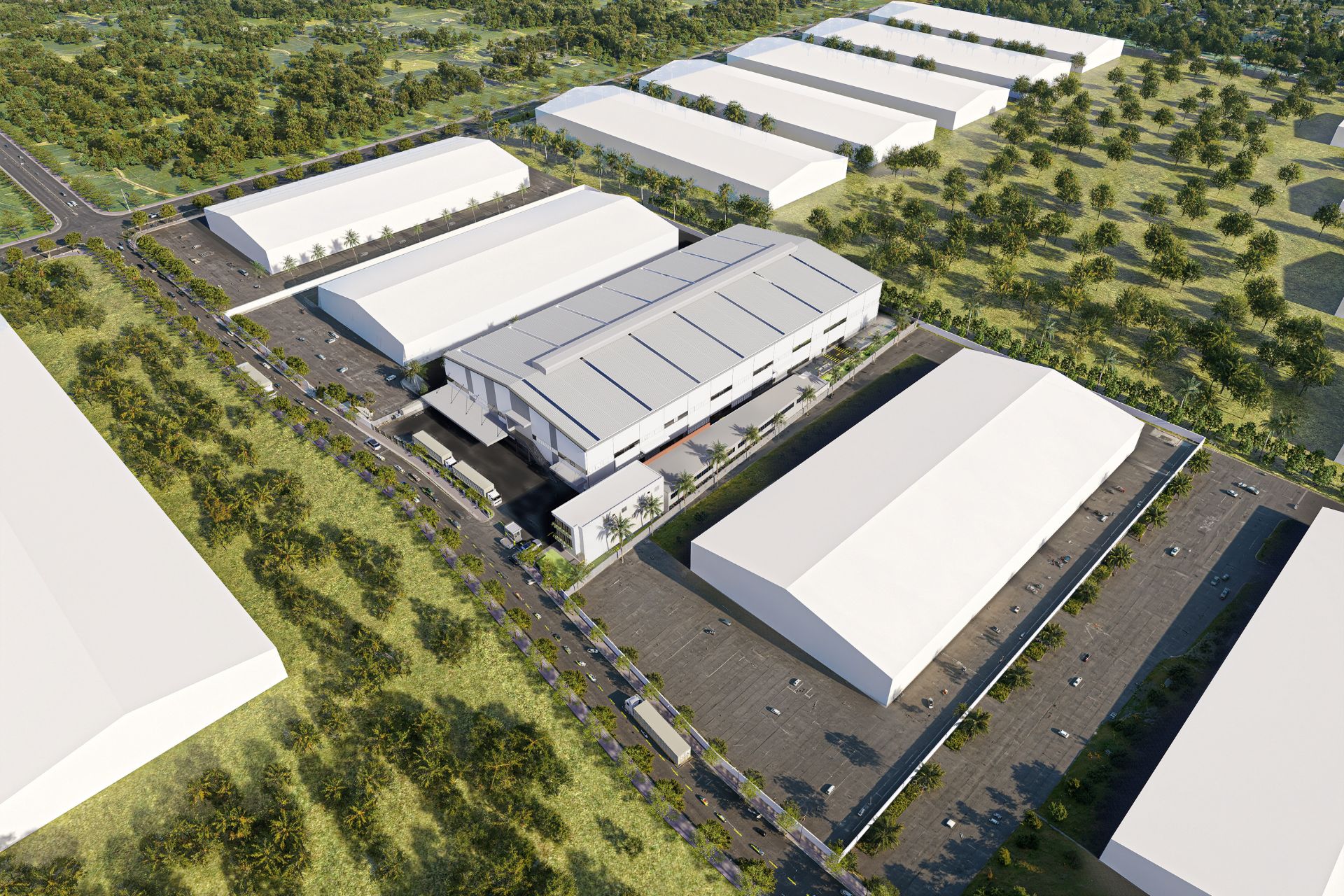 Understanding Environmental and Sustainable Development Standards
Common Mistakes in Factory Design
Many investors focus heavily on initial construction costs while overlooking long-term operational factors.
Some common mistakes include:
- Poorly planned facility layouts.
- Failure to anticipate future production expansion.
- Insufficient floor load capacity design.
- Non-compliance with fire protection and firefighting requirements.
- Lack of ventilation and cooling solutions.
These mistakes can result in significant additional renovation costs after the factory becomes operational.
Conclusion
Compliance with technical standards is the key factor determining the quality of a factory design project. From layout planning, structural systems, fire protection and firefighting, to ventilation, lighting, and environmental solutions, every aspect must be carefully studied from the earliest stages.
Choosing an experienced design and construction contractor will help investors ensure that the facility fully complies with current standards, optimizes operational efficiency, and creates a sustainable foundation for long-term business growth. Contact TECO for more information and consultation
Related services: Factory construction, design & build · After-handover maintenance – TECO MSC