What Is MEP? The Importance of MEP Systems in Industrial Factories
A modern industrial factory requires more than just a solid structural framework. It also needs an integrated technical infrastructure to ensure uninterrupted production. Among these systems, the MEP system plays a critical role in operational efficiency, workplace safety, and the long-term operating costs of the facility.
A well-designed factory MEP system helps businesses optimize energy consumption, minimize operational disruptions, and comply with the technical standards required by each manufacturing industry.
So, what is MEP? What components does it include, and why should businesses invest in MEP from the design stage? Let’s explore with TECO in the article below.
What Is MEP?
MEP stands for the three primary engineering systems within a building:
- Mechanical (M): Mechanical systems.
- Electrical (E): Electrical systems.
- Plumbing (P): Water supply and drainage systems.
These systems enable a building to operate efficiently after construction is completed. If the building structure is considered the “skeleton” of a factory, then the factory MEP system is its “heart,” ensuring that the entire production line functions effectively.
A scientifically designed MEP system ensures stable operation of electrical power, water supply, ventilation, air conditioning, and other technical systems throughout the building’s lifecycle.
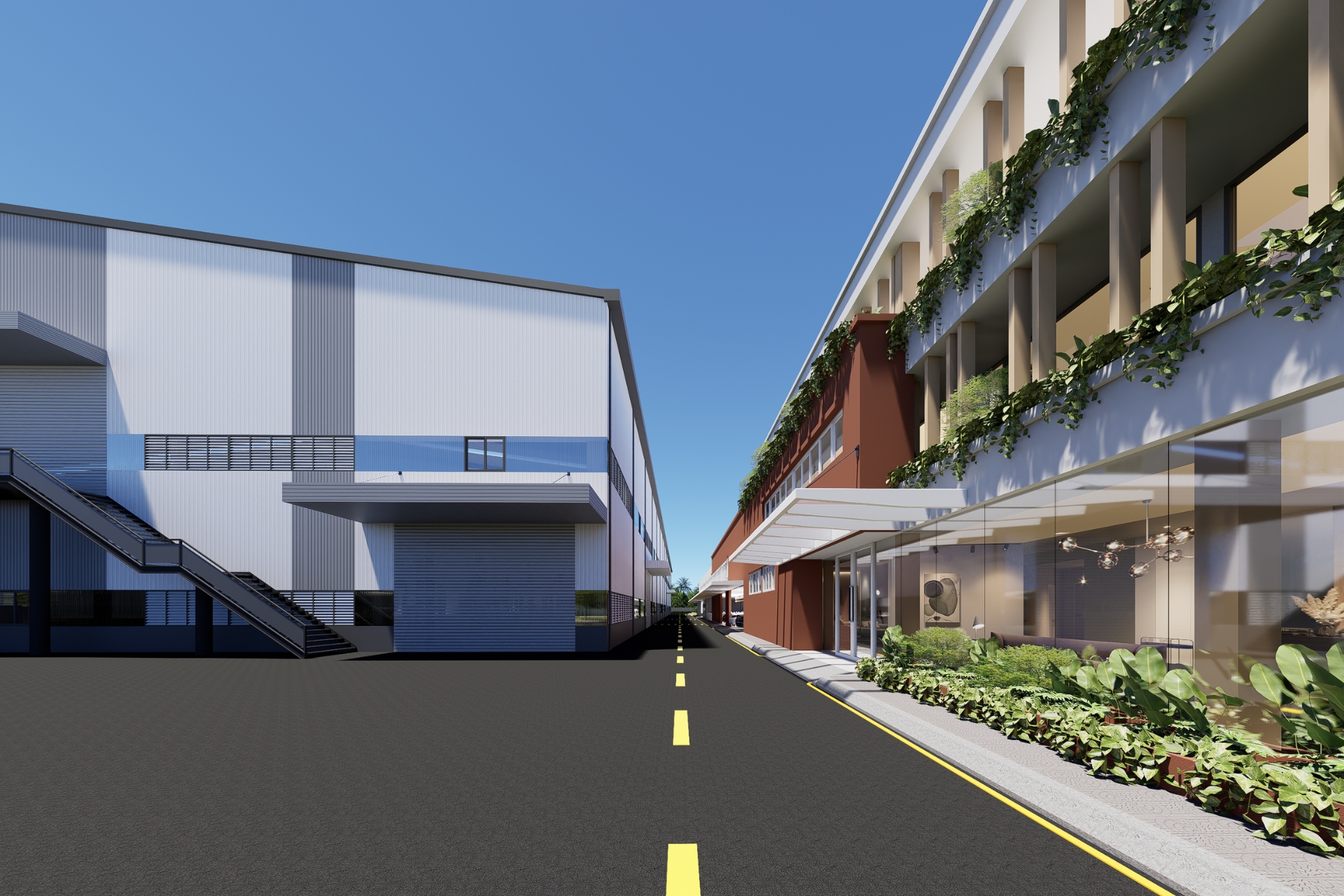
What Is MEP?
The Importance of MEP Systems in Industrial Factories
Ensuring Continuous Production Operations
In manufacturing plants, every production line depends on a reliable power supply, ventilation, and water systems. If the MEP system is poorly coordinated, businesses may experience localized power outages, system overloads, or production interruptions.
A standard-compliant factory MEP system ensures stable equipment operation, minimizes machine downtime, and improves overall productivity.
Optimizing Operating Costs
MEP systems not only support production but also help businesses reduce long-term operating expenses.
A properly designed electrical system minimizes energy losses. Efficient HVAC and ventilation systems reduce electricity consumption, while well-planned water supply and drainage systems prevent resource waste.
These advantages enable businesses to significantly lower annual operating costs.
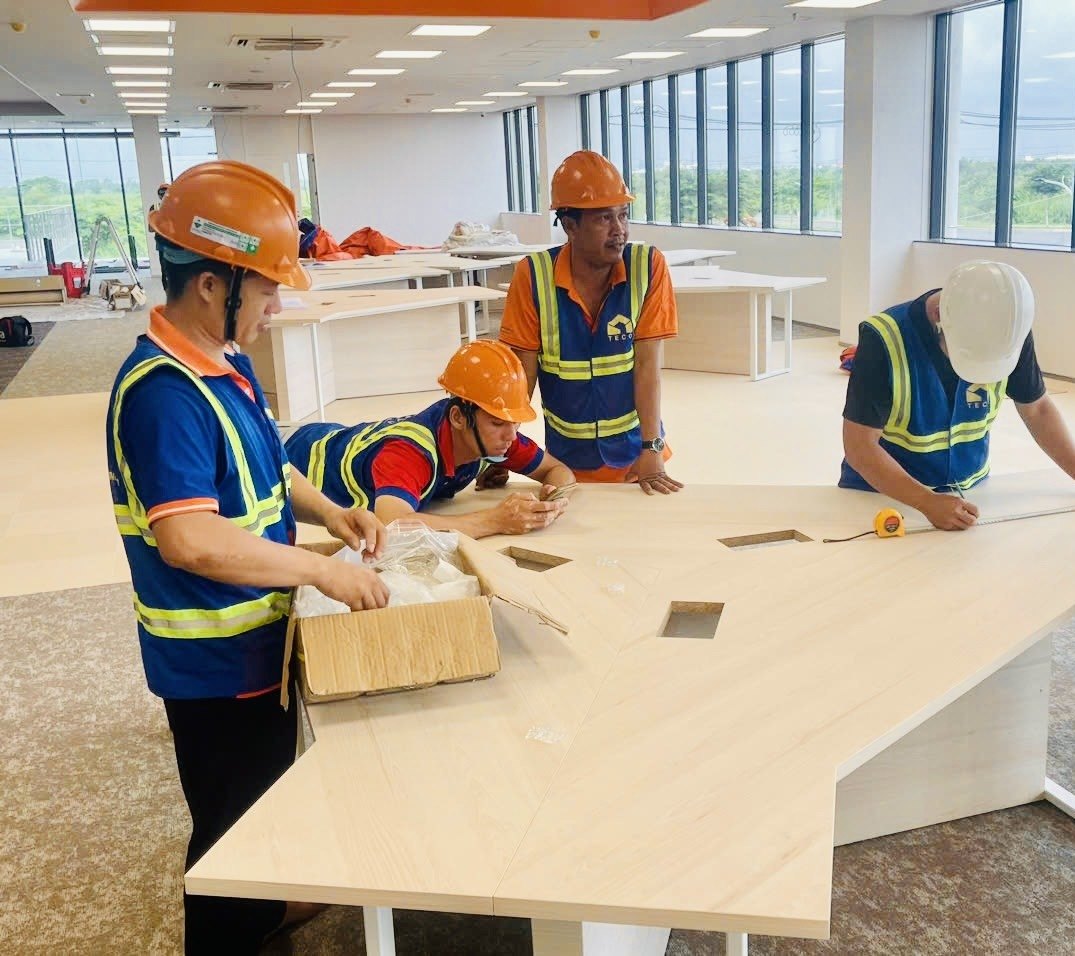
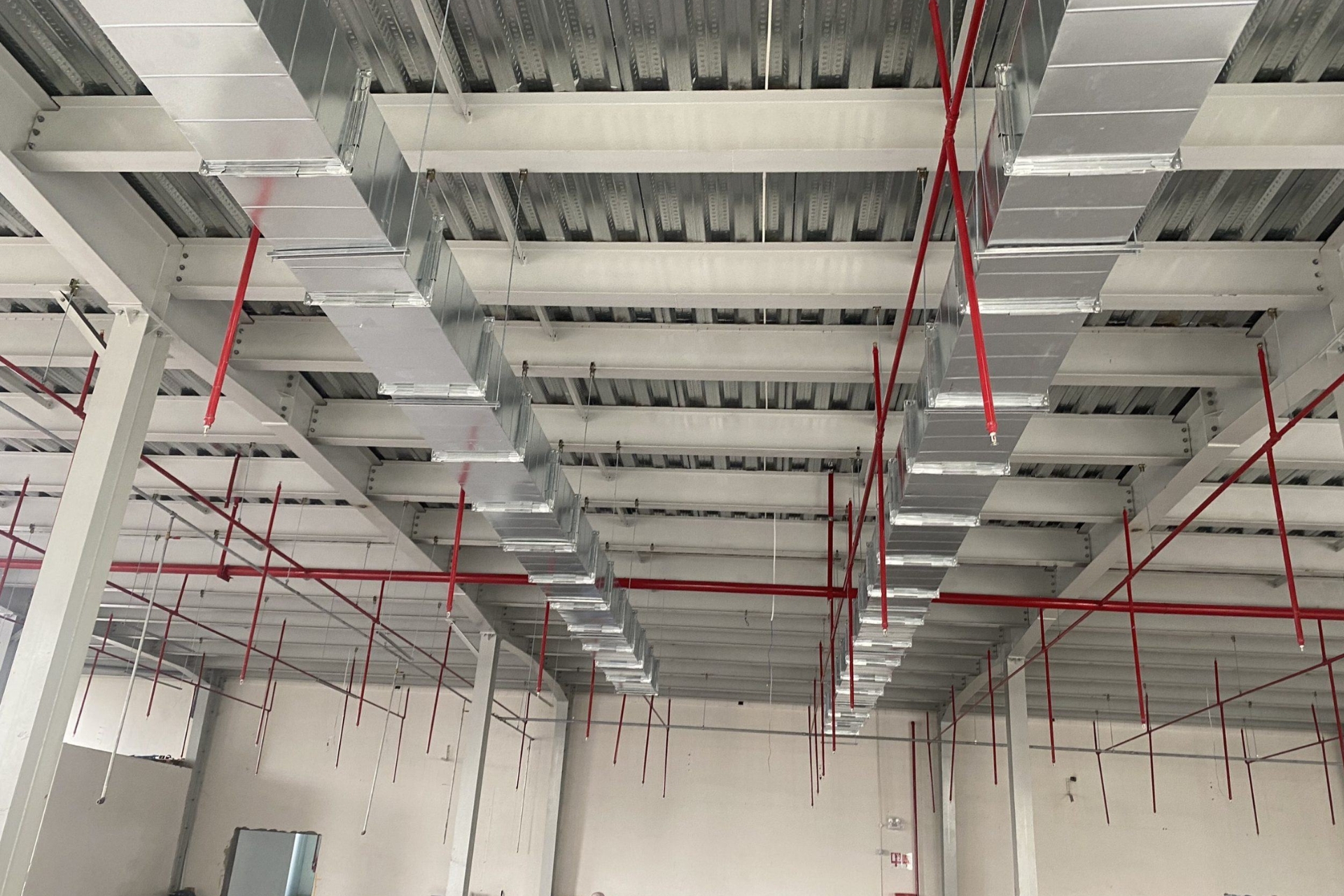 Optimizing Operating Costs
Creating a Safe Working Environment
Temperature, humidity, and air quality directly affect employees’ health and productivity. MEP systems regulate these factors through HVAC, ventilation, and smoke extraction systems.
As a result, the working environment remains comfortable, safe, and compliant with manufacturing standards.
Meeting Technical Standards
Each industry has unique engineering requirements. For example:
- Food processing factories require hygienic HVAC and ventilation systems.
- Electronics factories demand strict temperature and humidity control.
- Pharmaceutical plants require HVAC systems and cleanrooms that comply with international standards.
Therefore, factory MEP design must be tailored to the specific needs of each manufacturing sector.
What Does a Factory MEP System Include?
Mechanical System
Mechanical systems regulate the working environment and support manufacturing operations. They include:
- HVAC (Heating, Ventilation, and Air Conditioning)
- Ventilation systems
- Smoke extraction systems
- Factory cooling systems
- Compressed air systems
- Process piping systems
These systems maintain stable temperatures, ensure high indoor air quality, and create optimal operating conditions for production lines.
Electrical System
The electrical system supplies power throughout the facility. It includes:
- Transformer stations
- Electrical switchboards
- Power cable systems
- Lighting systems
- Production power systems
- Backup power systems
- Generators
- UPS (Uninterruptible Power Supply)
A professionally designed electrical system prevents overloads, enhances safety, and ensures uninterrupted power for factory operations.
Plumbing System
The plumbing system supports both production and daily operations. It includes:
- Industrial water supply
- Domestic water supply
- Stormwater drainage
- Wastewater drainage
- Water treatment systems
- Sanitary fixtures
A well-designed plumbing system conserves water, improves operational efficiency, and complies with environmental standards.
Fire Protection System
Although not included in the MEP acronym, the Fire Protection System (Fire Fighting & Fire Alarm) is always designed as an integrated component. It includes:
- Fire alarm systems
- Sprinkler systems
- Fire hydrants
- Fire pumps
- Stairwell pressurization fans
- Smoke extraction systems
This system is mandatory to ensure the safety of both people and property.
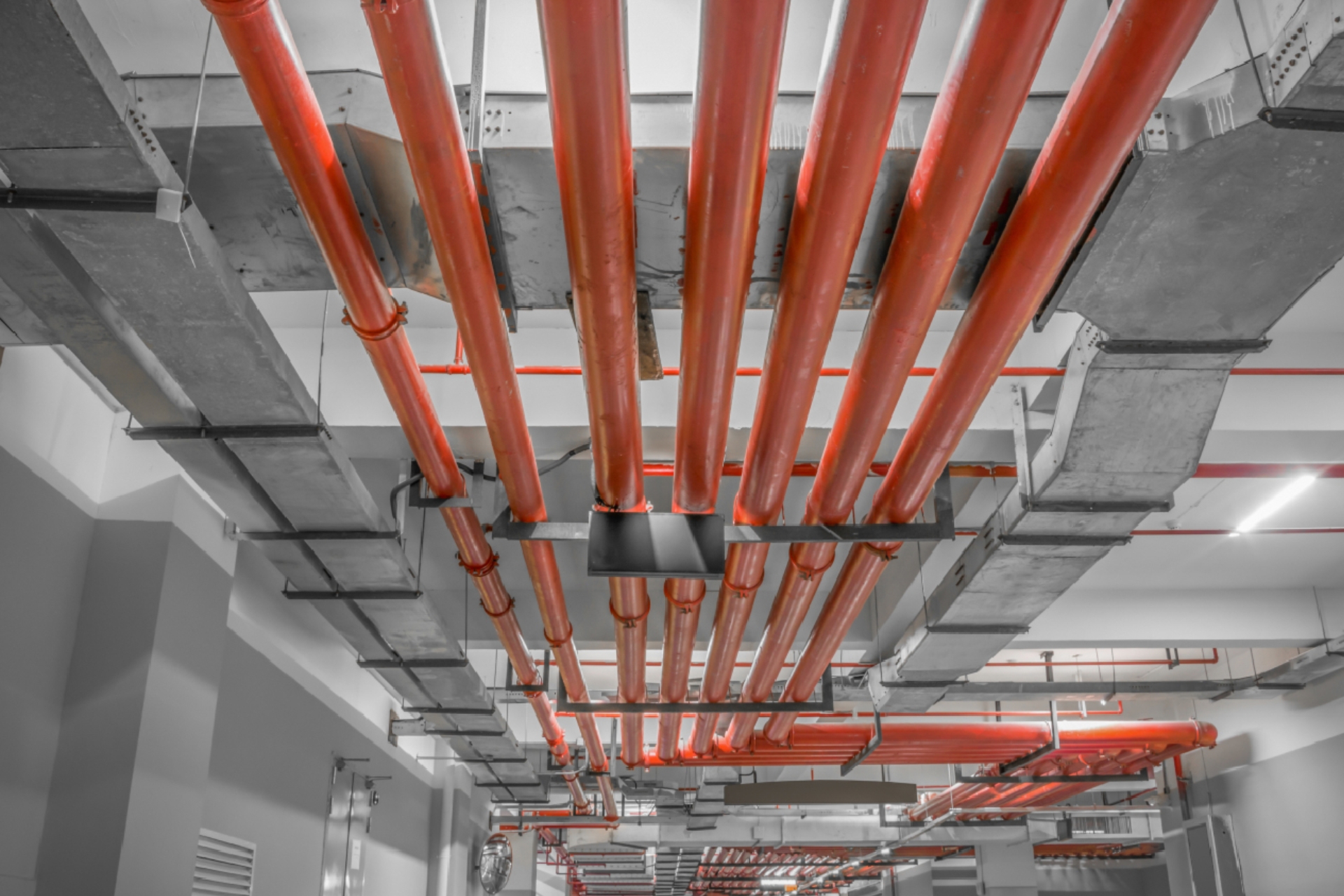
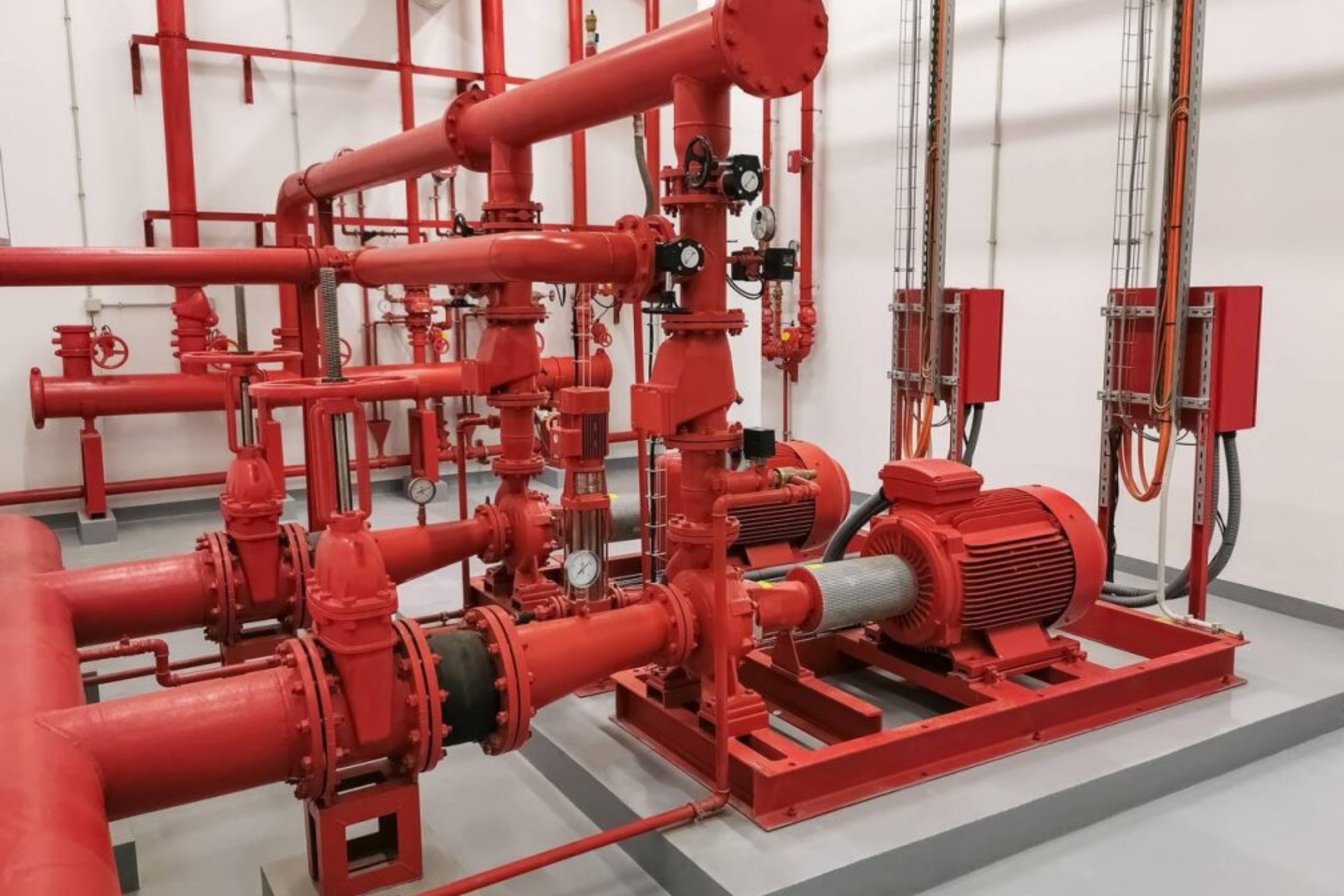 Factory Fire Protection System
Key Considerations When Designing Factory MEP Systems
Coordinate MEP Design from the Beginning
MEP systems should be developed alongside architectural and structural designs. This approach minimizes construction modifications, reduces additional costs, and keeps the project on schedule.
Plan for Future Expansion
Many businesses intend to expand production capacity over time. Therefore, MEP systems should include reserve capacity to accommodate additional production lines or factory expansion without requiring complete system replacement.
Comply with Technical Standards
Electrical, plumbing, and fire protection systems must fully comply with applicable codes and regulations. Compliance ensures operational safety and facilitates project approval and commissioning.
Select High-Quality Materials and Equipment
MEP equipment has a long service life and significantly impacts operating costs. Businesses should prioritize certified, energy-efficient, and easy-to-maintain materials and equipment.
Why Should Businesses Choose TECO for Factory MEP Design and Construction?
TECO has years of experience in industrial facility design and construction. We provide comprehensive services covering site surveys, architectural design, structural engineering, factory MEP design, and turnkey construction.
Our architects and MEP engineers carefully analyze each client’s production process to develop the most suitable engineering solutions.
With our integrated design-build approach, TECO helps clients:
- Optimize operational efficiency.
- Reduce investment costs.
- Maintain project schedules.
- Ensure coordination between architecture, structure, and technical systems.
- Minimize construction changes and unexpected costs.
In addition, TECO has successfully delivered numerous factories and industrial facilities nationwide. Every project is strictly managed to ensure quality, schedule, and safety throughout the construction process.
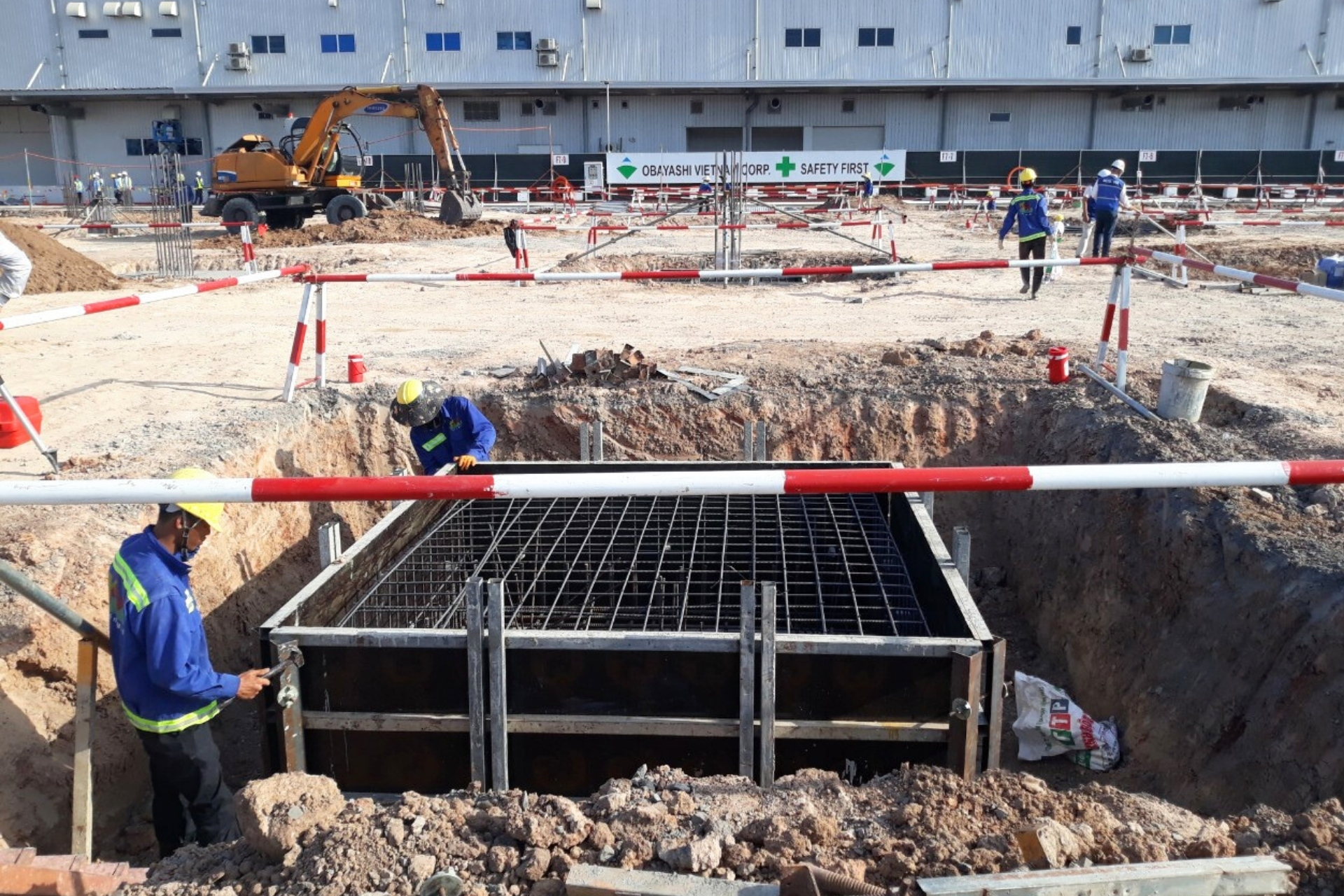
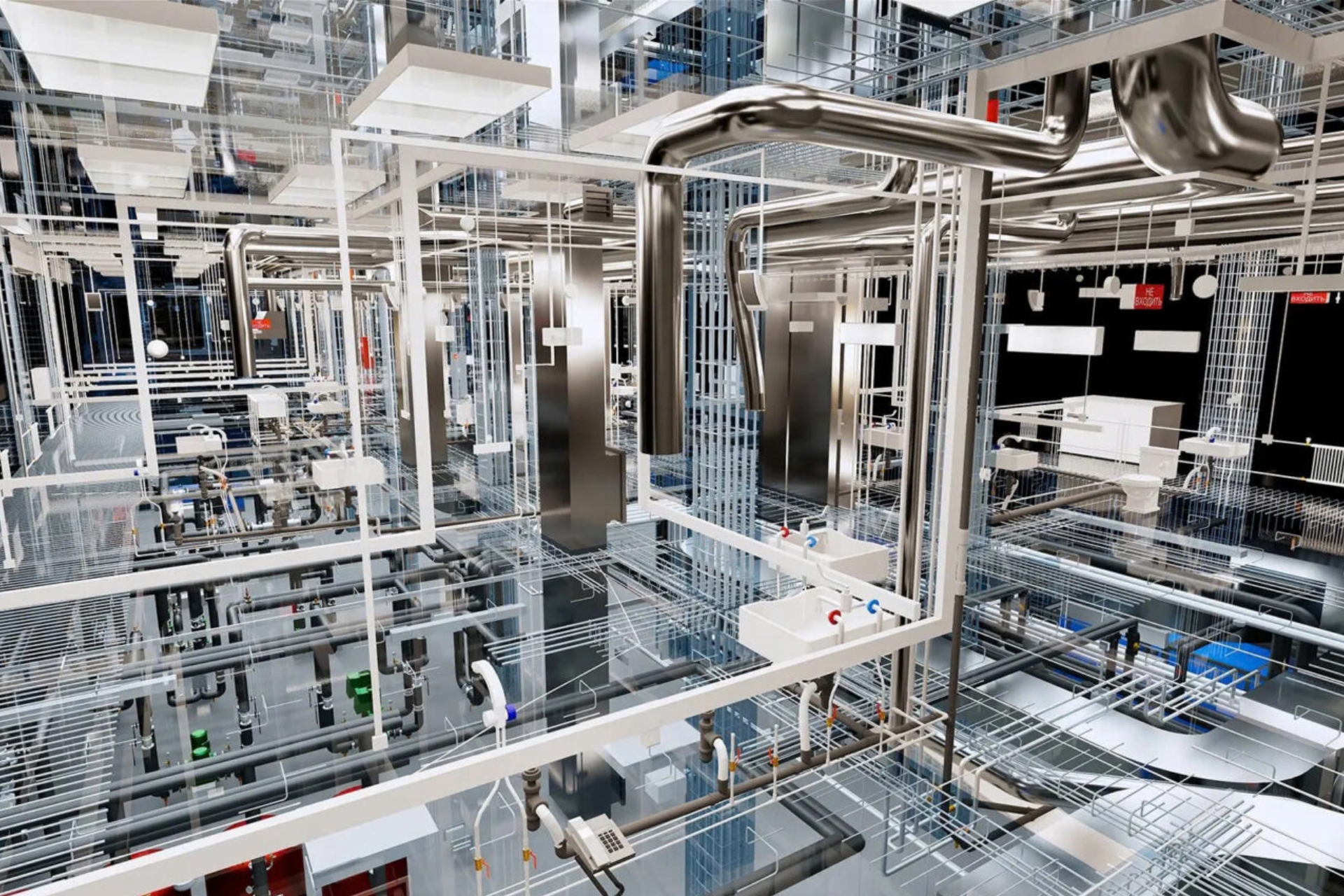 Why Choose TECO for Factory MEP Design and Construction?
Featured Factory Projects by TECO
TECO has successfully designed and constructed factories for both domestic and international manufacturers, including:
- Fujiya Factory
- Showa Gloves Vietnam Factory
- SMC Long Duc Factory
- Pocari Sweat Factory
These projects demonstrate TECO’s expertise in factory design, construction, and integrated MEP system implementation.
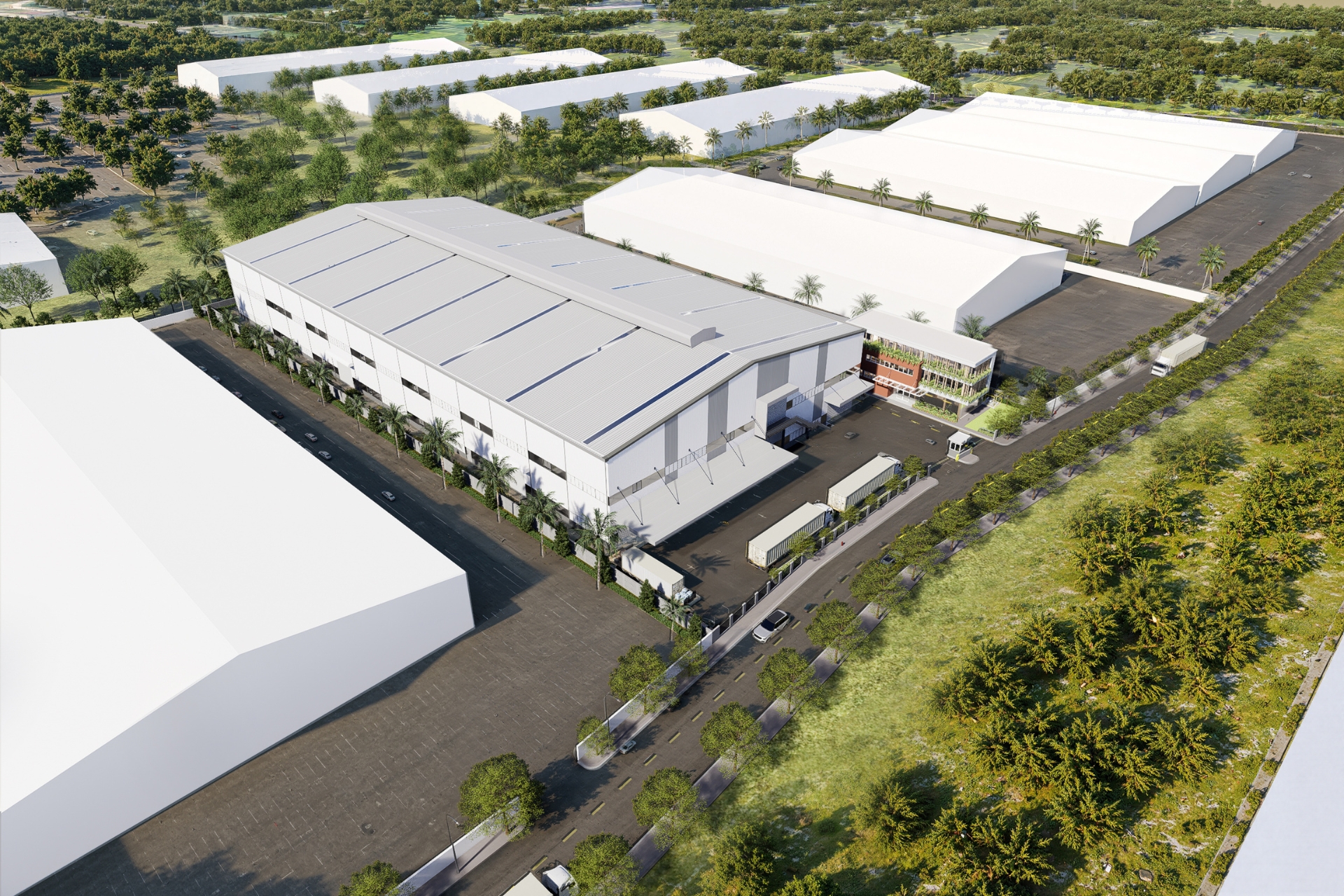 TECO – A Trusted, Professional, and Sustainable Factory Design & Build Contractor
Conclusion
A factory MEP system is the foundation for safe, efficient, and cost-effective building operation throughout its lifecycle. A properly designed MEP system enables businesses to maximize production efficiency, reduce operating costs, and comply with the technical requirements of their industry.
With extensive experience delivering large-scale industrial projects, TECO provides comprehensive factory MEP design and construction solutions—from consultation and engineering design to construction and project handover. We are committed to partnering with businesses to build modern factories that operate efficiently and support sustainable growth for the future.
Related services: Factory construction, design & build · After-handover maintenance – TECO MSC