How Does Factory Design Differ Across Manufacturing Industries?
Every manufacturing industry has its own production process, technology, and technical standards. Therefore, factory design cannot follow a one-size-fits-all approach. A factory designed to suit a specific industry helps optimize functionality, improve productivity, ensure safety, and reduce long-term operating costs.
On the other hand, if the factory design does not match the industry’s operational requirements, businesses may encounter difficulties in production, expansion, or future renovations.
So, how does factory design differ across manufacturing industries? Let’s explore with TECO in the article below.
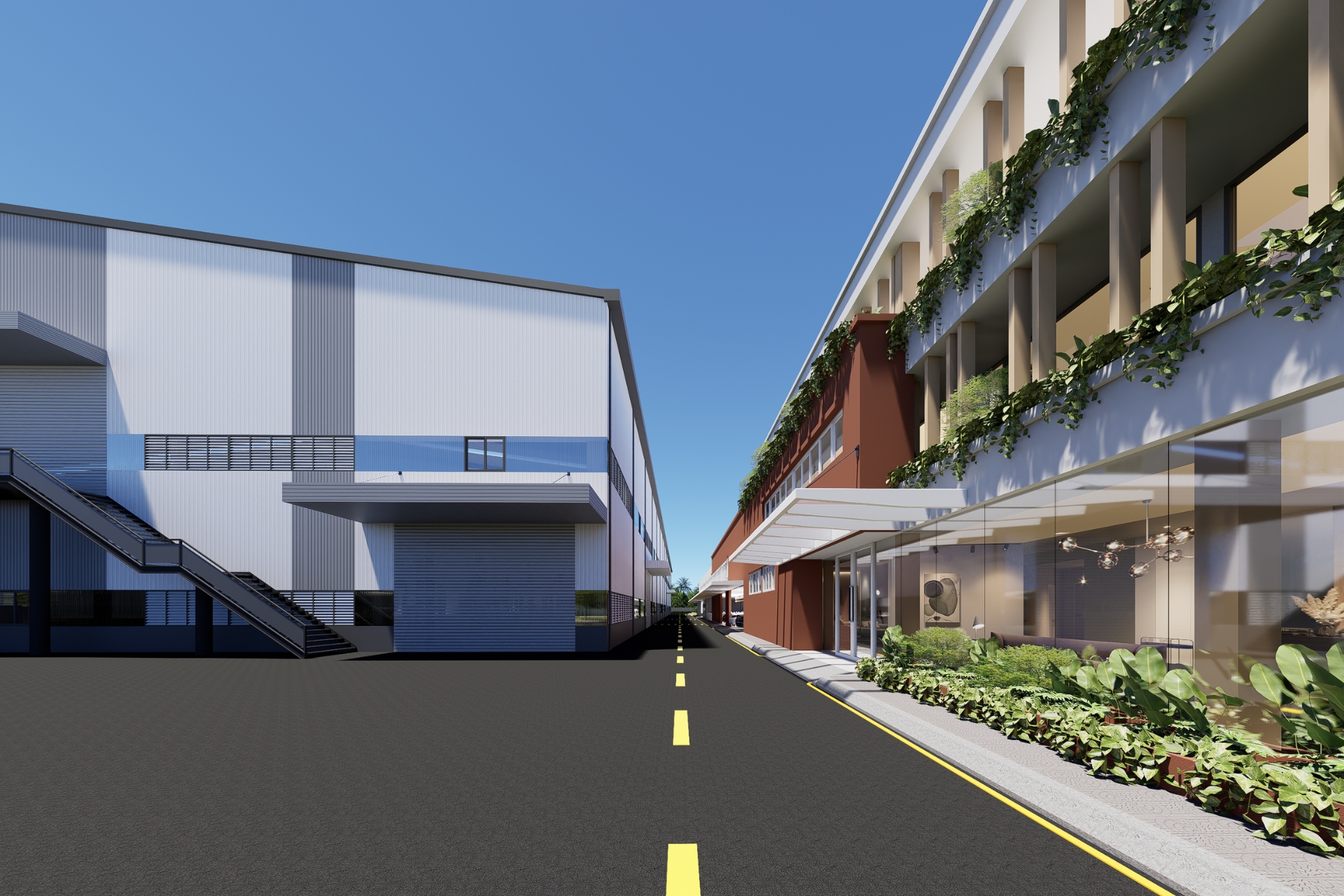
Factory design tailored to different manufacturing industries.
Why Should Factory Design Be Tailored to Each Manufacturing Industry?
Every Industry Has a Different Production Process
Each business operates with its own production workflow. Food factories prioritize hygienic, closed-loop production lines. Mechanical factories require spacious layouts for heavy machinery. Meanwhile, electronics factories demand clean environments with electrostatic discharge (ESD) control.
Therefore, factory design should always be developed based on the actual production process to maximize operational efficiency.
Technical Standards Vary by Industry
Every industry must comply with its own technical standards. For example:
- Food factories comply with HACCP or GMP standards.
- Electronics factories require Cleanroom facilities.
- Mechanical factories require high load-bearing capacity and machinery safety standards.
- Wood factories prioritize dust collection systems and fire protection.
Designing in accordance with these standards helps businesses meet regulatory requirements and improve product quality.
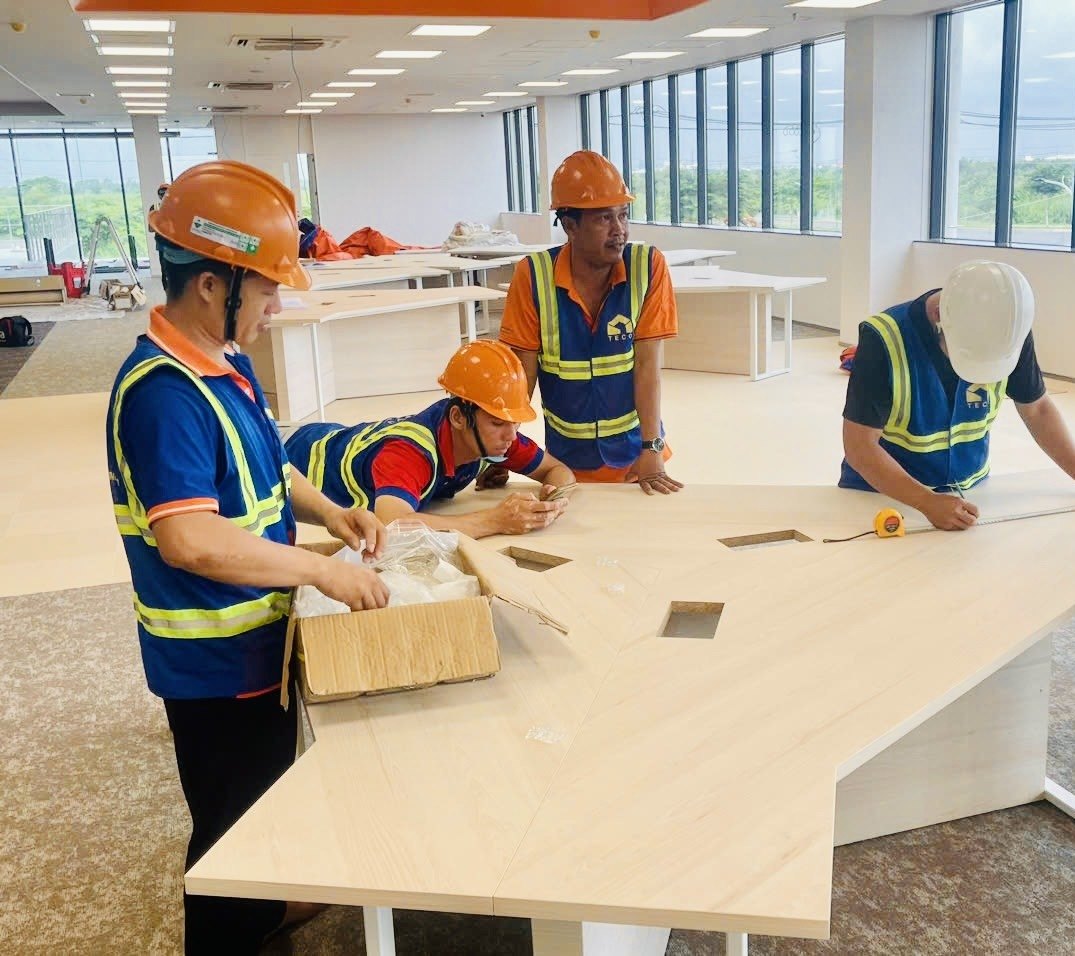
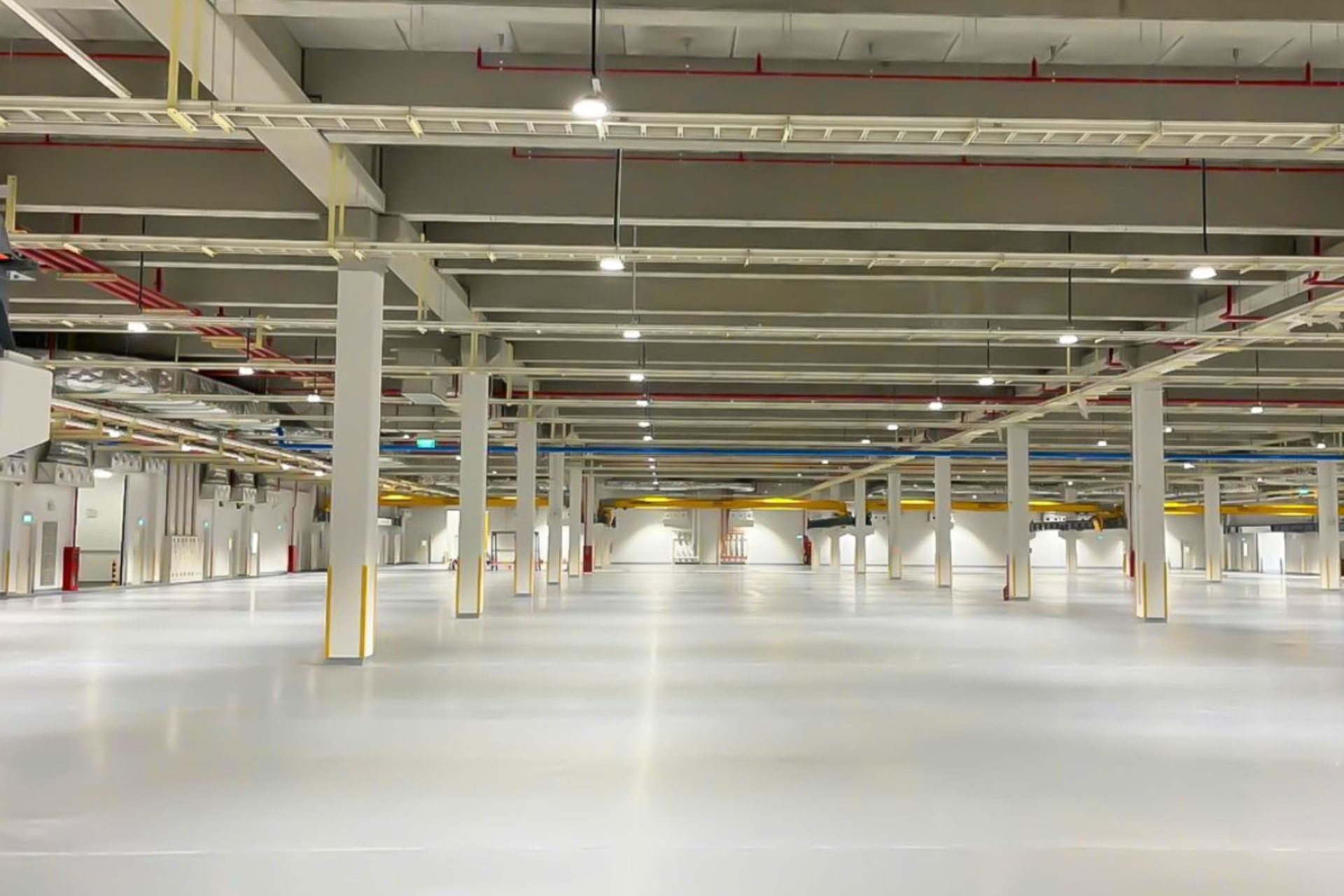 Technical standards differ across industries.
Different Working Environment Requirements
Temperature, humidity, lighting, noise levels, and ventilation all directly affect production efficiency. Therefore, every factory design solution must carefully consider environmental factors to provide the best possible working conditions for employees.
Optimizing Long-Term Investment
A well-designed factory enables businesses to:
- Increase production efficiency.
- Reduce operating costs.
- Minimize maintenance.
- Facilitate future expansion.
- Extend the building’s service life.
These are the key objectives every business aims to achieve when investing in factory construction.
Food Factory Design
The food industry has extremely strict hygiene and food safety requirements. Therefore, factory design must support a one-way production flow to prevent cross-contamination between raw materials and finished products.
Production areas are typically divided into:
- Raw material preparation
- Processing
- Packaging
- Cold storage
- Finished goods warehouse
Regarding construction materials, businesses should use insulated sandwich panels, epoxy flooring, stainless steel, and easy-to-clean surfaces.
In addition, ventilation systems, HVAC, water supply, and wastewater treatment systems are indispensable components of food factories.
Mechanical Factory Design
Mechanical factories typically operate heavy machinery with high power consumption. Therefore, the first requirement is a foundation capable of supporting heavy loads. The building height must also accommodate overhead cranes, lifting equipment, and production lines.
During the factory design process, architects should provide sufficient spacing between machines to ensure operational safety and workflow efficiency.
In addition, high-capacity electrical systems, compressed air systems, metal dust extraction systems, and ventilation should all be designed as an integrated solution.
Emergency exits, safety signage, and internal traffic routes should also be carefully planned to minimize workplace risks.
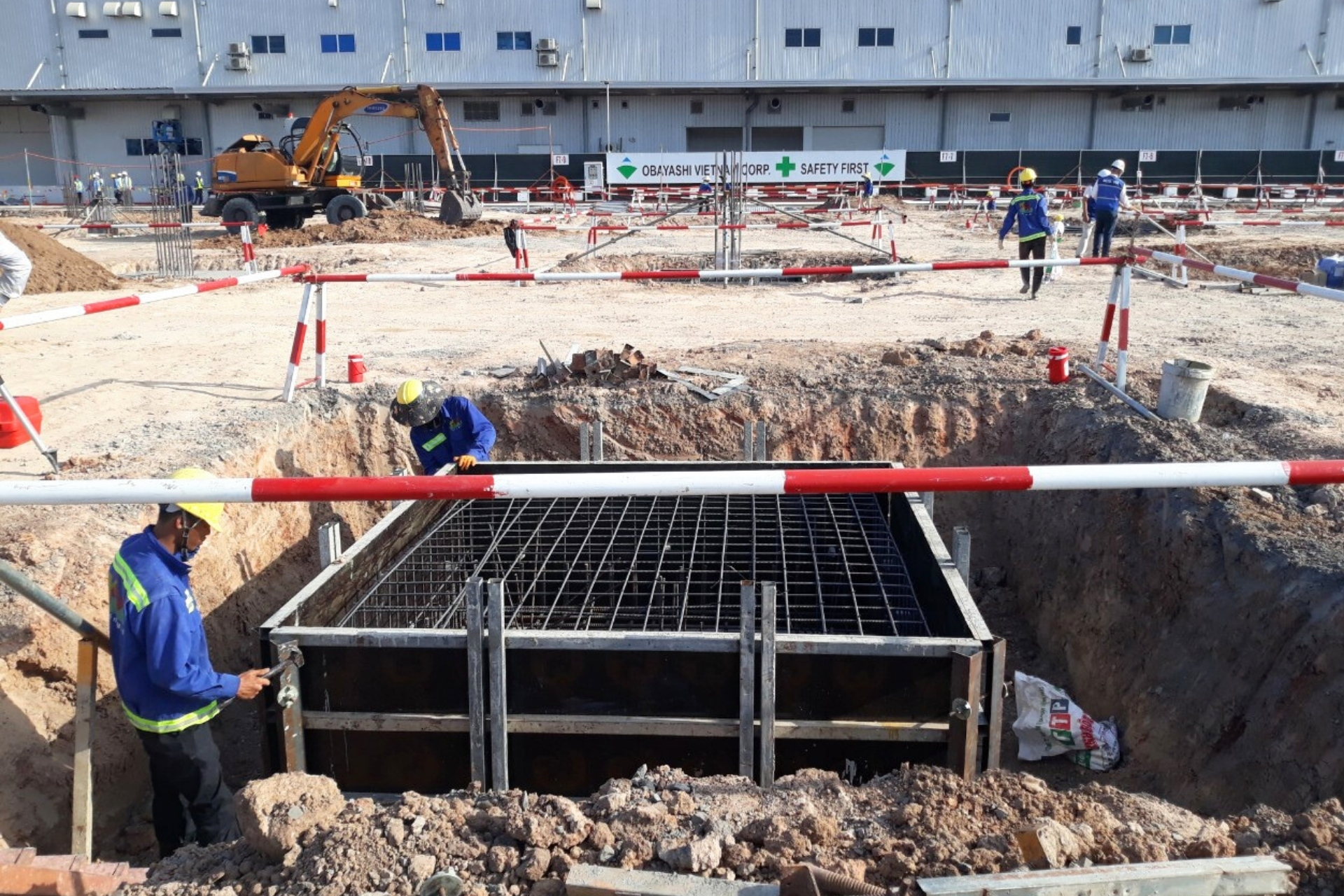
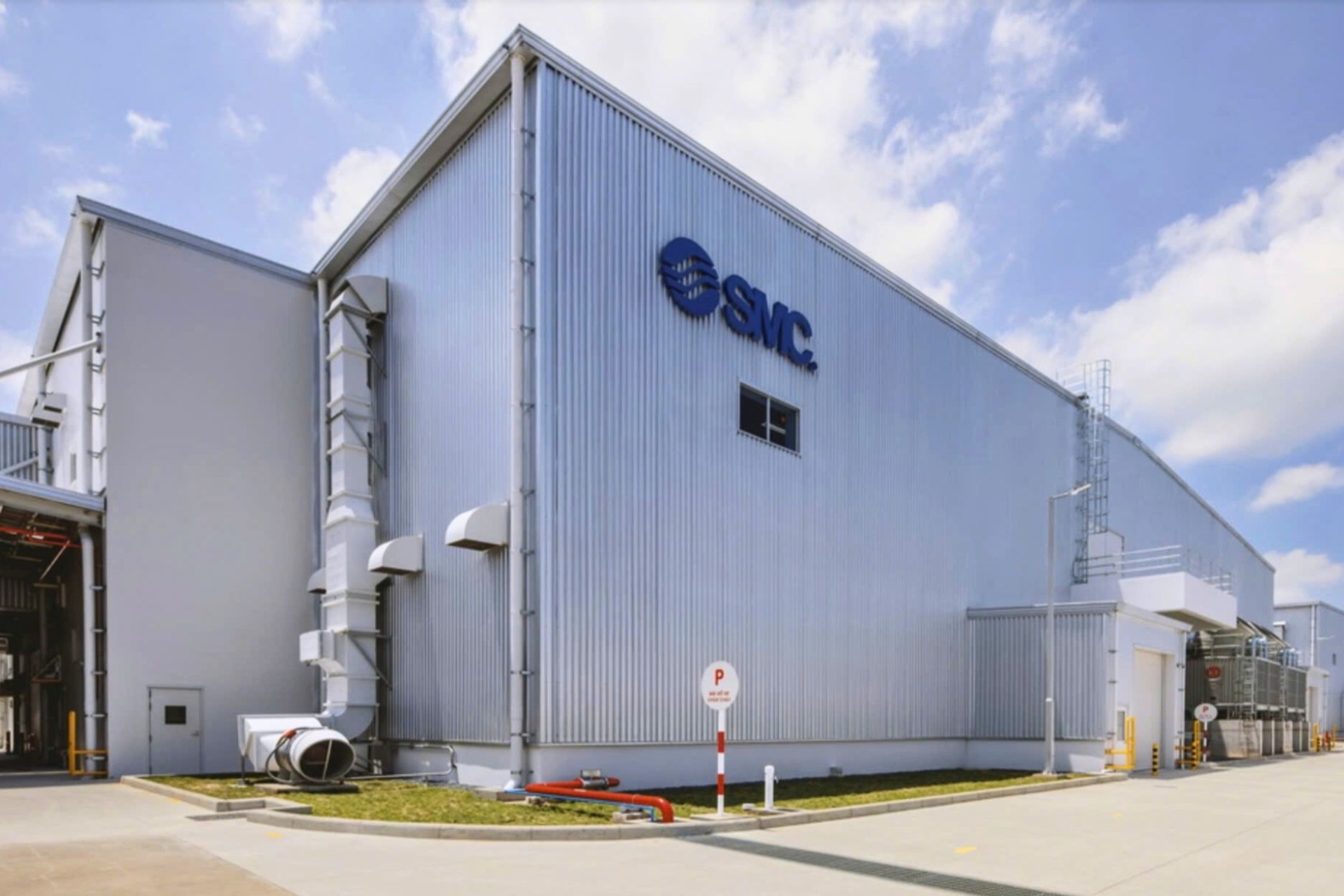 SMC Factory constructed by TECO.
Electronics Factory Design
For the electronics industry, the production environment directly impacts product quality. Therefore, factory design should prioritize cleanrooms, anti-static systems, and precise temperature and humidity control.
The HVAC system must maintain stable environmental conditions throughout production.
In addition, electronics factories require reliable electrical systems, backup UPS systems, and clean air systems to support electronic component manufacturing.
Standards such as ISO, Cleanroom, and ESD are commonly applied to projects in this industry.
Garment Factory Design
The garment industry is labor-intensive and operates long production lines. Therefore, factory design should prioritize spacious, open layouts with clear visibility.
Areas such as fabric cutting, sewing, finishing, quality inspection, and packaging should be arranged in a continuous production flow.
Natural daylight combined with standard-compliant lighting systems helps improve worker productivity.
Furthermore, ventilation systems, localized air conditioning, and employee rest areas contribute to higher operational efficiency.
Wood Factory Design
Wood factories present significant fire hazards and generate large amounts of dust. Therefore, production areas must be clearly separated during the factory design process.
Sawing, CNC machining, sanding, painting, and assembly areas should be organized independently to minimize interference between processes.
Central dust collection systems, paint odor treatment systems, and ventilation systems should be comprehensively designed.
Chemical storage rooms must be separated from production areas and fully comply with fire protection regulations.
Safe distances between work areas should also be carefully planned to reduce the risk of fire spreading.
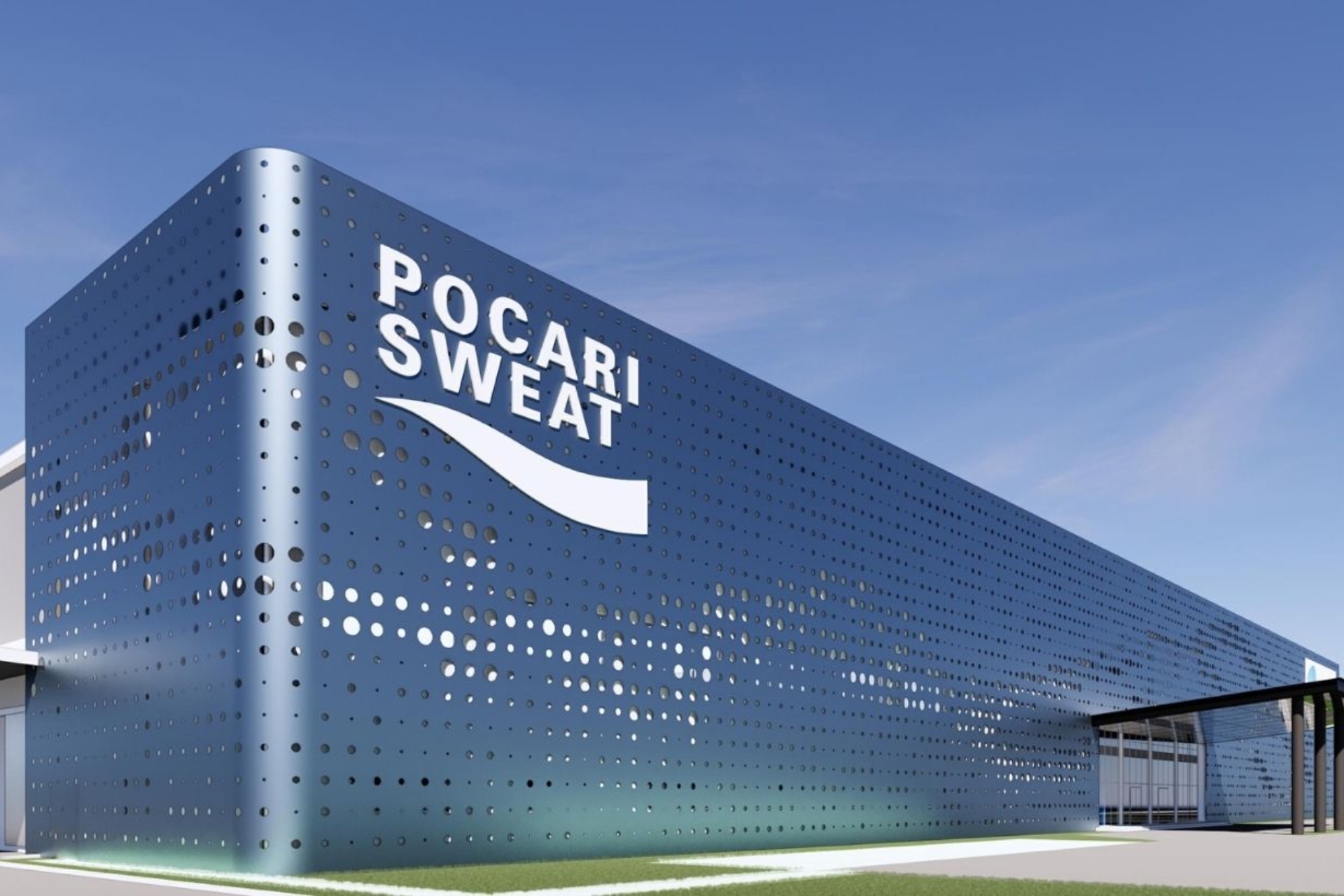
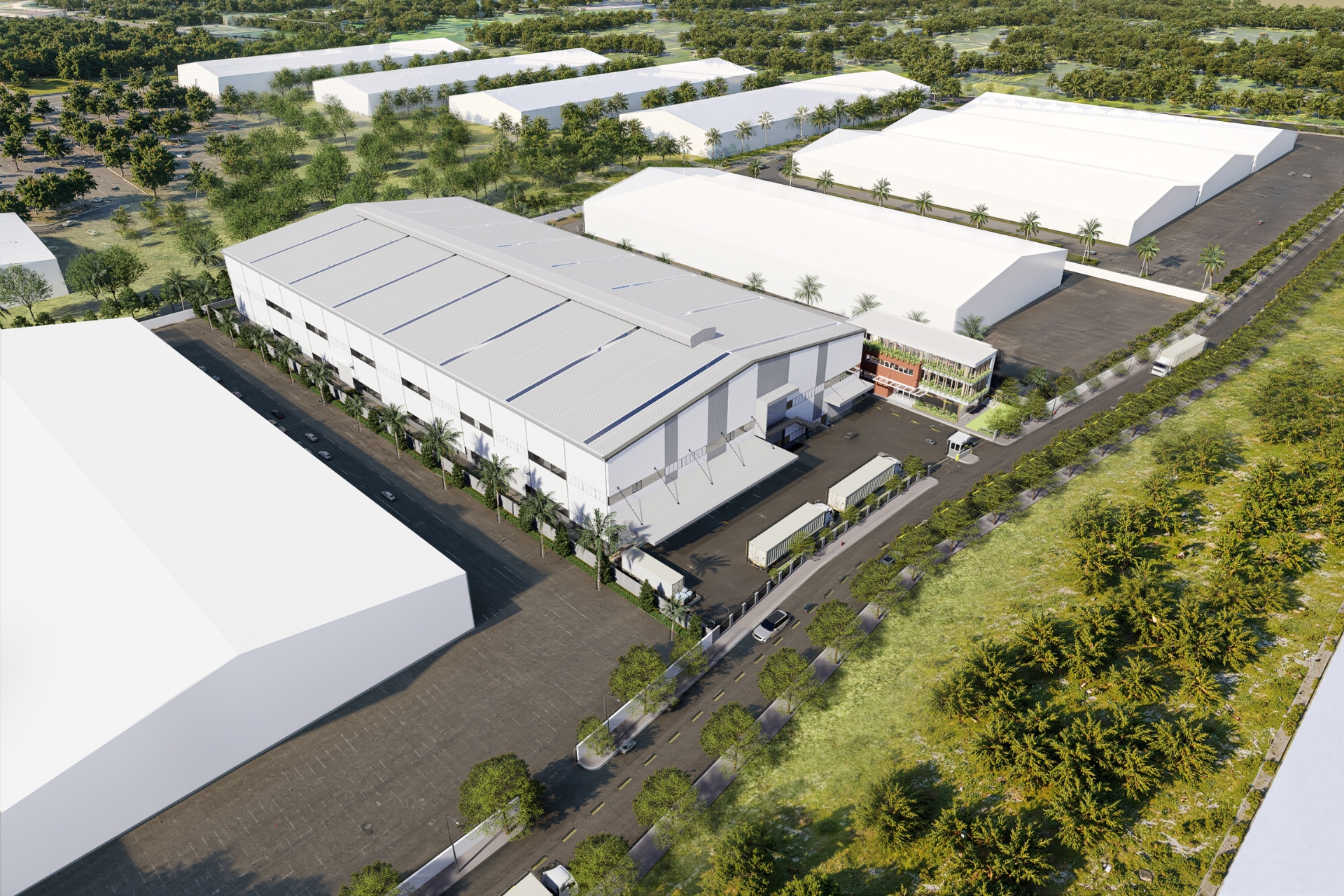 Dai Viet Wood Factory designed and constructed by TECO.
Comparing Factory Design Across Different Industries
Each manufacturing industry has different design priorities.
- Food factories prioritize hygiene, temperature control, and one-way production flow.
- Mechanical factories focus on load-bearing capacity, overhead cranes, and high-capacity electrical systems.
- Electronics factories require cleanrooms, anti-static protection, and environmental control.
- Garment factories need open layouts, abundant lighting, and continuous production lines.
- Wood factories emphasize dust collection, odor control, and fire protection systems.
For this reason, there is no single factory design solution suitable for every industry.
TECO – A Factory Design Expert for Different Manufacturing Industries
With many years of experience in industrial construction, TECO has successfully delivered numerous factory design projects for both domestic and international businesses.
We provide turnkey services covering site surveys, master planning, architectural design, structural engineering, MEP system design, construction, and project management.
TECO’s architects and engineers carefully study the operational characteristics of each industry to develop optimized solutions for functionality, cost efficiency, and operational performance.
Every project is strictly managed to ensure quality, construction progress, and full compliance with current technical standards.
TECO – A Trusted, Professional, and Sustainable Factory Design & Build General Contractor.
Conclusion
Every manufacturing industry has unique requirements regarding production processes, equipment, and technical standards. Therefore, factory design should always be customized to the specific characteristics of each industry rather than applying a universal solution.
An appropriate design solution enables businesses to optimize investment costs, improve productivity, and establish a strong foundation for sustainable long-term growth.
If your business is looking for a professional factory design partner, TECO is ready to support you from consultation and design through construction, delivering high-quality industrial facilities that fully meet your production requirements and long-term development strategy.
Related services: Factory construction, design & build · After-handover maintenance – TECO MSC