7 Common Mistakes to Avoid When Designing a Factory Office
In today’s industrial projects, a factory office is more than just a workspace for administrative staff. It also serves as the operational hub that supports production management. A well-designed office can improve management efficiency, optimize operations, and enhance a company’s professional image.
However, many investors allocate most of their budgets to production facilities while paying insufficient attention to office areas. This often leads to functional limitations and costly renovations in the future. Below are seven common mistakes in factory office design compiled by TECO that businesses should avoid.
Common mistakes in factory office design.
1. Failing to Define Usage Requirements from the Beginning
This is a common mistake among companies investing in a new factory. Many businesses only consider their current workforce without planning for future growth. As a result, office space becomes insufficient after a few years and no longer meets operational requirements.
Expanding or renovating after the factory is already in operation is often costly and may disrupt production activities. Before starting the project, businesses should evaluate their current workforce, expansion plans, and operational requirements for at least the next three to five years.
A well-planned layout helps ensure long-term operational efficiency.
2. Poor Office Location Planning
The location of the office directly affects management efficiency and employee productivity. Some businesses place the office too far from the production area, making supervision and communication between departments more difficult.
On the other hand, some offices are located in areas exposed to excessive noise or continuous machine operation, resulting in an uncomfortable working environment.
Depending on production requirements, businesses can choose solutions such as mezzanine offices, prefabricated offices, or office buildings adjacent to the factory to achieve a balance between operational management and workplace comfort.
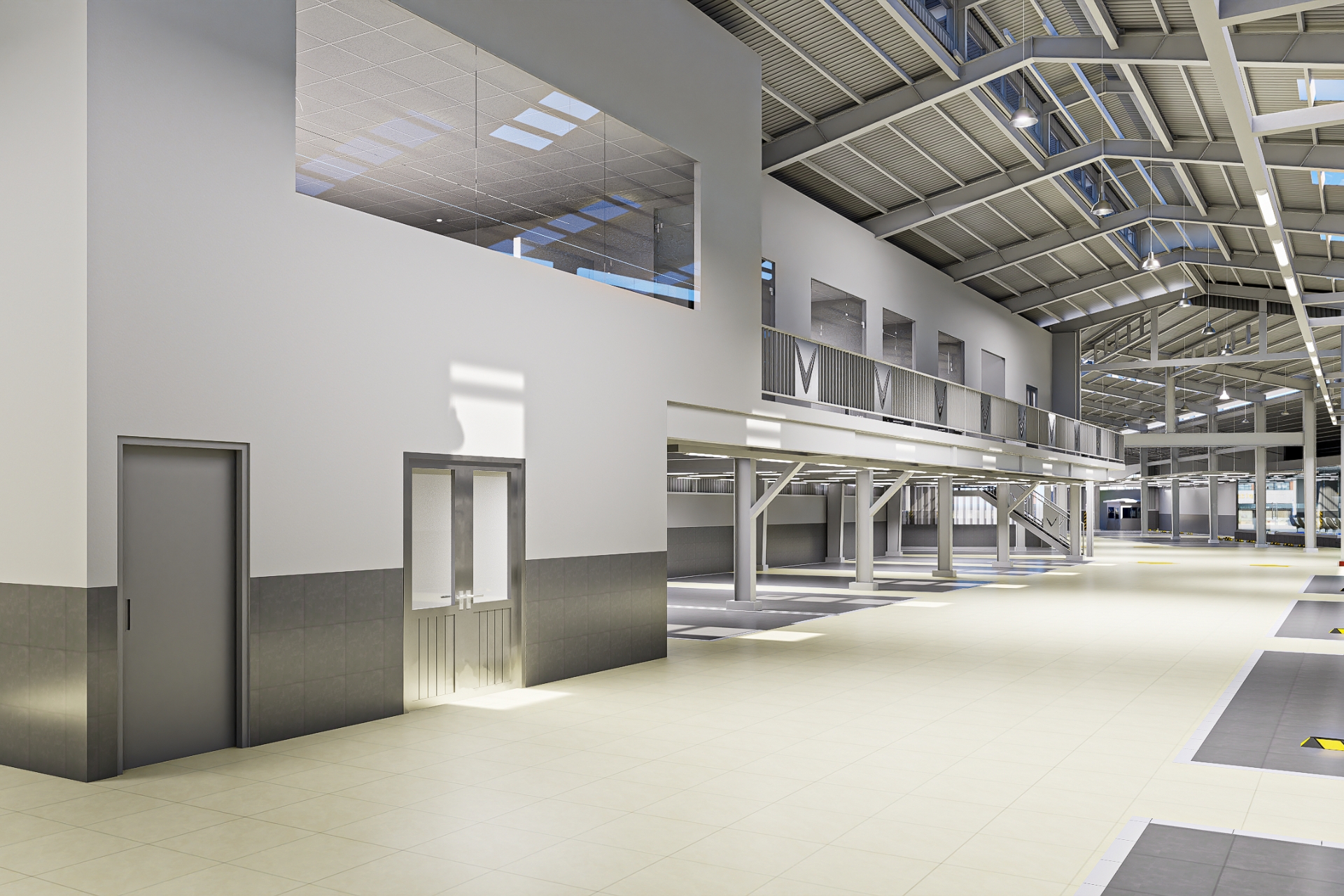 Problems caused by poor office location planning.
3. Overlooking Sound Insulation and Dust Control
Noise and dust are unavoidable byproducts of industrial production. Without proper solutions, office employees may find it difficult to concentrate, and customers or partners visiting the facility may have an unpleasant experience.
This is why many businesses are forced to renovate their office spaces after only a short period of use. To avoid these issues, soundproof glass, acoustic panels, and specialized doors should be considered. Ventilation and dust filtration systems should also be incorporated from the design stage.
4. Insufficient Natural Lighting and Ventilation
Another common mistake is relying entirely on artificial lighting and air conditioning. Offices lacking natural light often feel enclosed and uncomfortable, reducing employee productivity.
In addition, energy consumption increases significantly during operation. When designing a factory office, natural lighting should be maximized through glass windows, skylights, or other daylighting solutions. Combined with effective ventilation systems, these features create a healthier and more energy-efficient working environment.
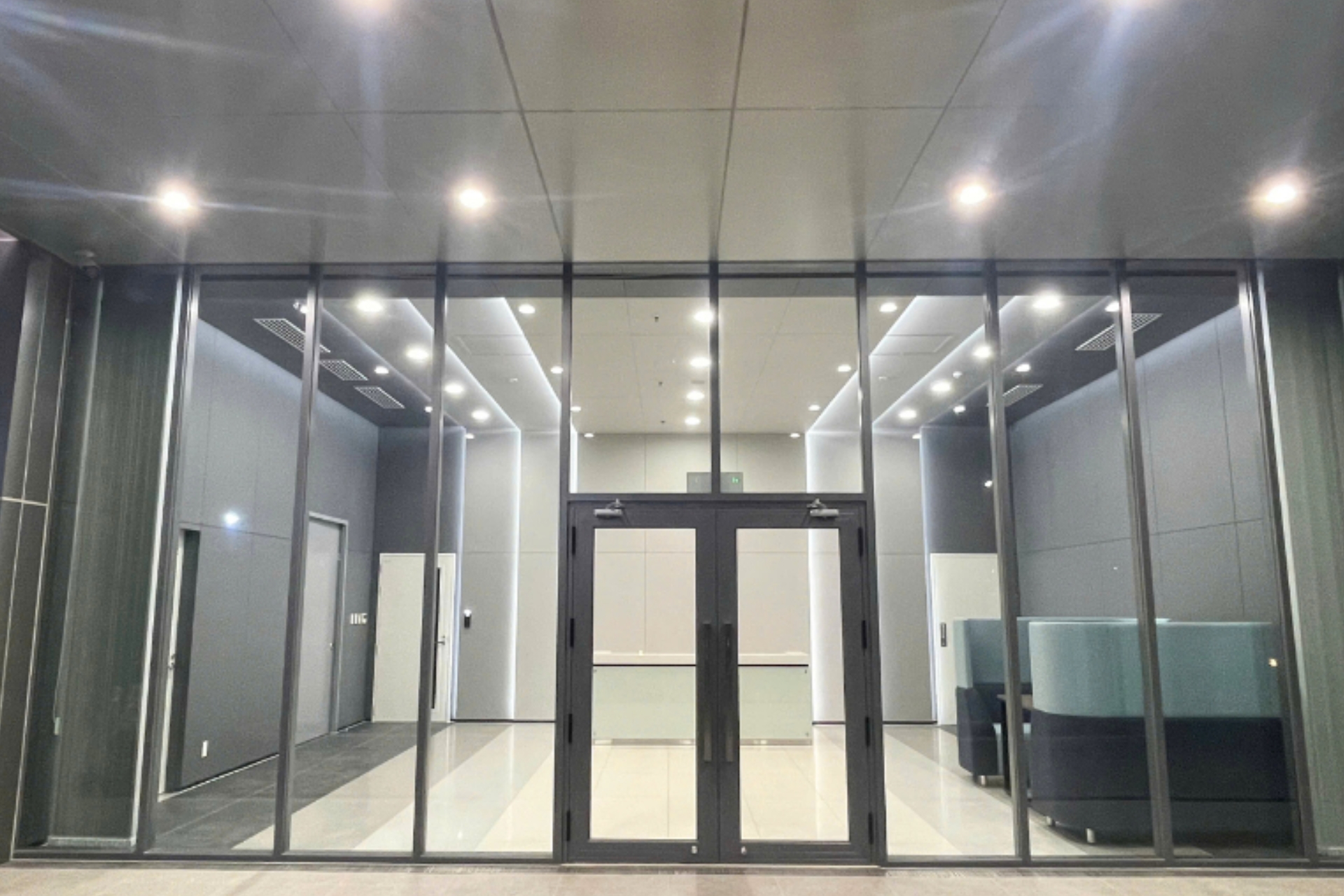 Lack of natural lighting and ventilation.
5. Failing to Plan for Future Expansion
Many businesses focus only on immediate needs and overlook long-term development plans. After several years, the workforce may increase, requiring additional meeting rooms, training spaces, or reception areas.
Without proper planning from the outset, expansion can become difficult and costly. A good design should incorporate a long-term vision, allowing the office to be upgraded or expanded without affecting ongoing production activities.
6. Neglecting Fire Protection and Safety Requirements
Safety is always a top priority for industrial buildings. However, some projects fail to adequately address fire protection systems or emergency exits. This mistake can lead to serious risks during operation.
In addition to complying with legal requirements, fire protection systems help safeguard people and assets. Therefore, fire alarms, firefighting systems, emergency exits, and functional zoning should all be carefully considered during the design stage.
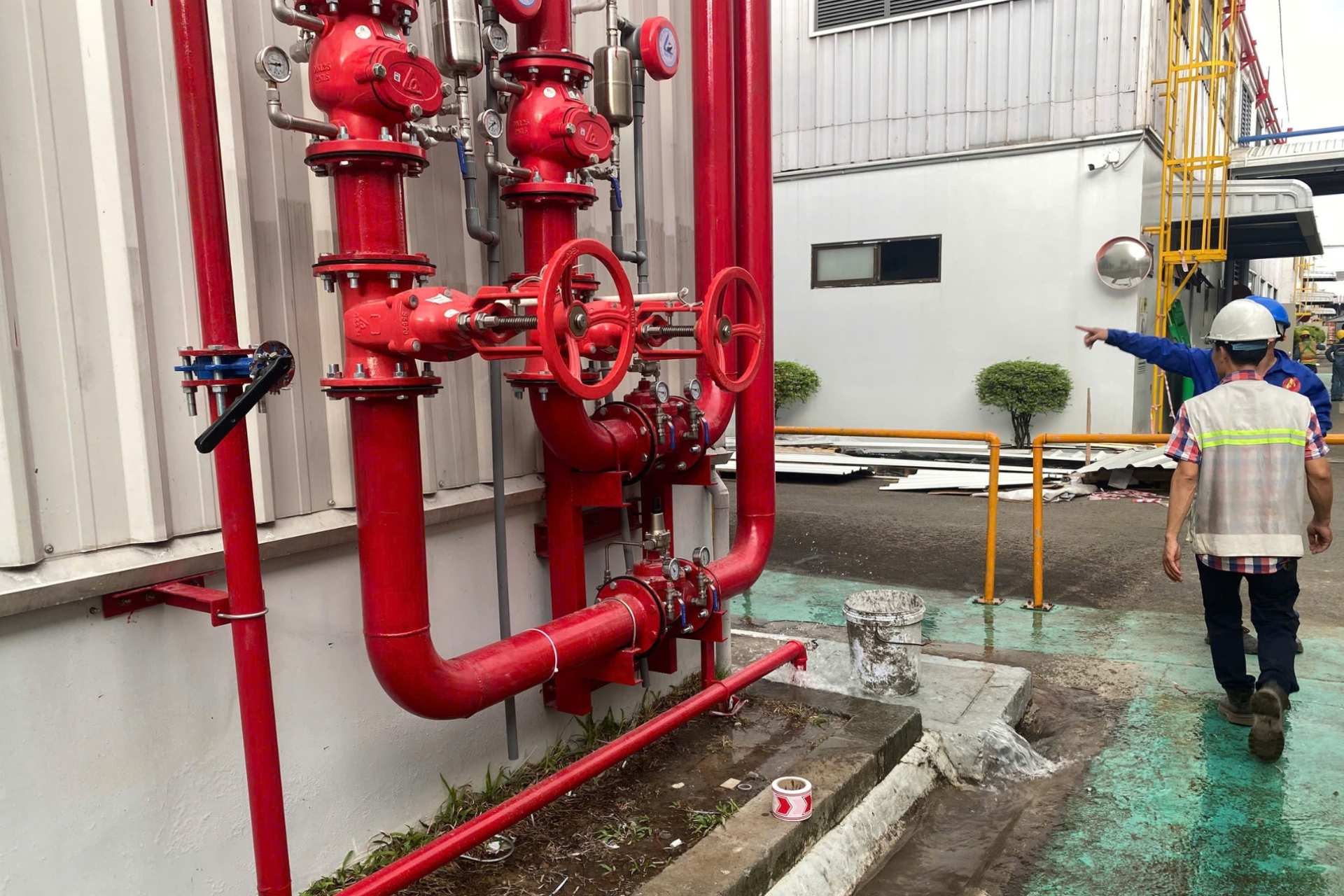 Ignoring fire protection and safety requirements.
7. Focusing Solely on Cost While Ignoring Functionality
Cost control is essential for every project. However, excessive cost-cutting on critical components can significantly reduce the quality of the building.
Some businesses choose low-cost materials or reduce office space to save money. As a result, the workplace lacks comfort and deteriorates quickly. An effective factory office should strike a balance between investment costs and long-term value. Investing properly from the beginning is often far more economical than carrying out repairs or renovations later.
TECO – A Trusted Factory Office Design and Construction Contractor in Ho Chi Minh City
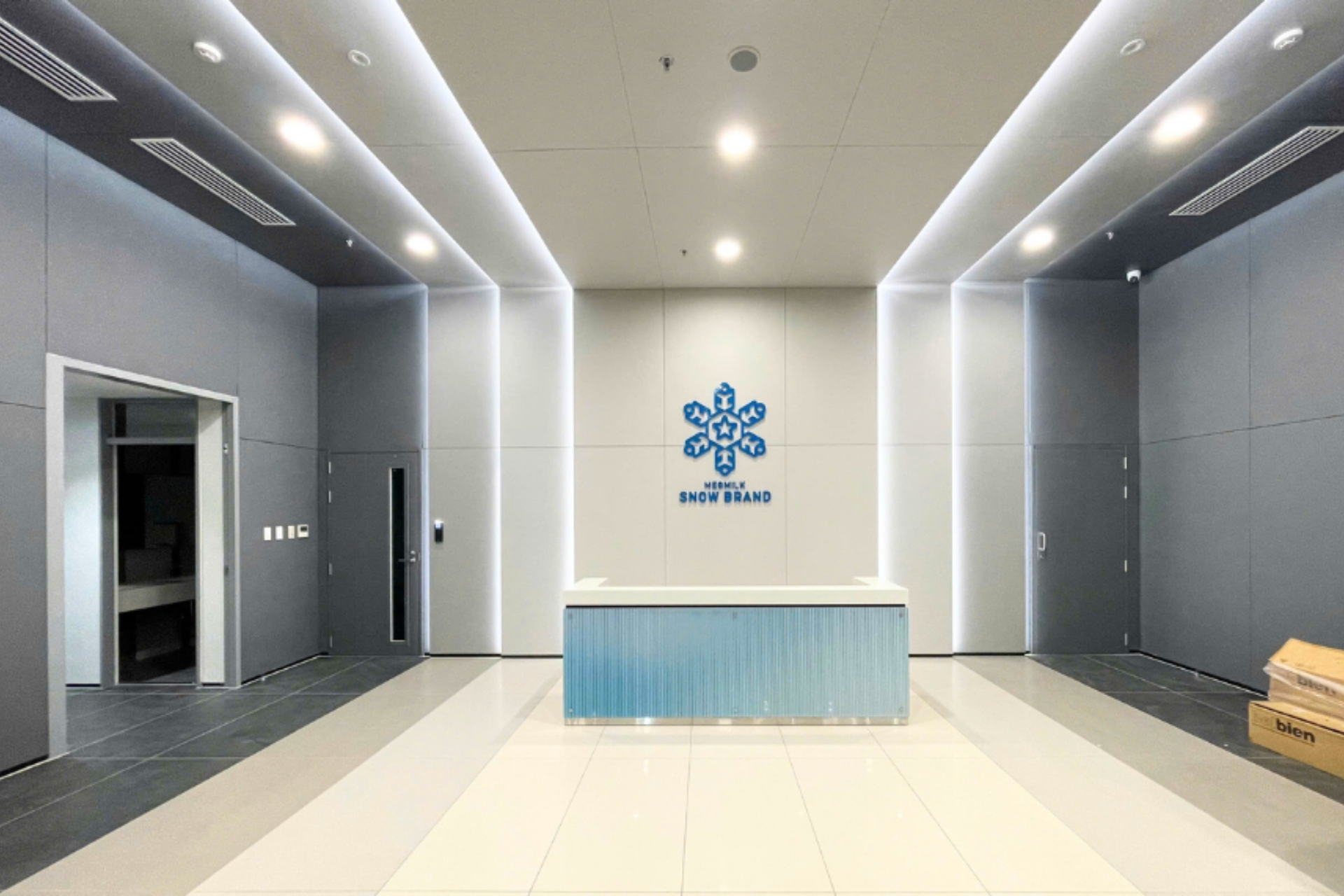
With many years of experience in industrial construction, TECO has partnered with numerous businesses on factory, manufacturing facility, and office projects. TECO is proud to have delivered various factory office projects, including Megmilk Factory Office, Fujiya Factory Office, VinFast 2S Service Workshop, Dai Viet Wood Manufacturing Plant, and many others.
TECO provides customized design and construction solutions tailored to different industries, production scales, and investment budgets. From prefabricated offices and mezzanine offices to office buildings adjacent to factories, the TECO team is committed to optimizing functionality, improving operational efficiency, and delivering long-term value.
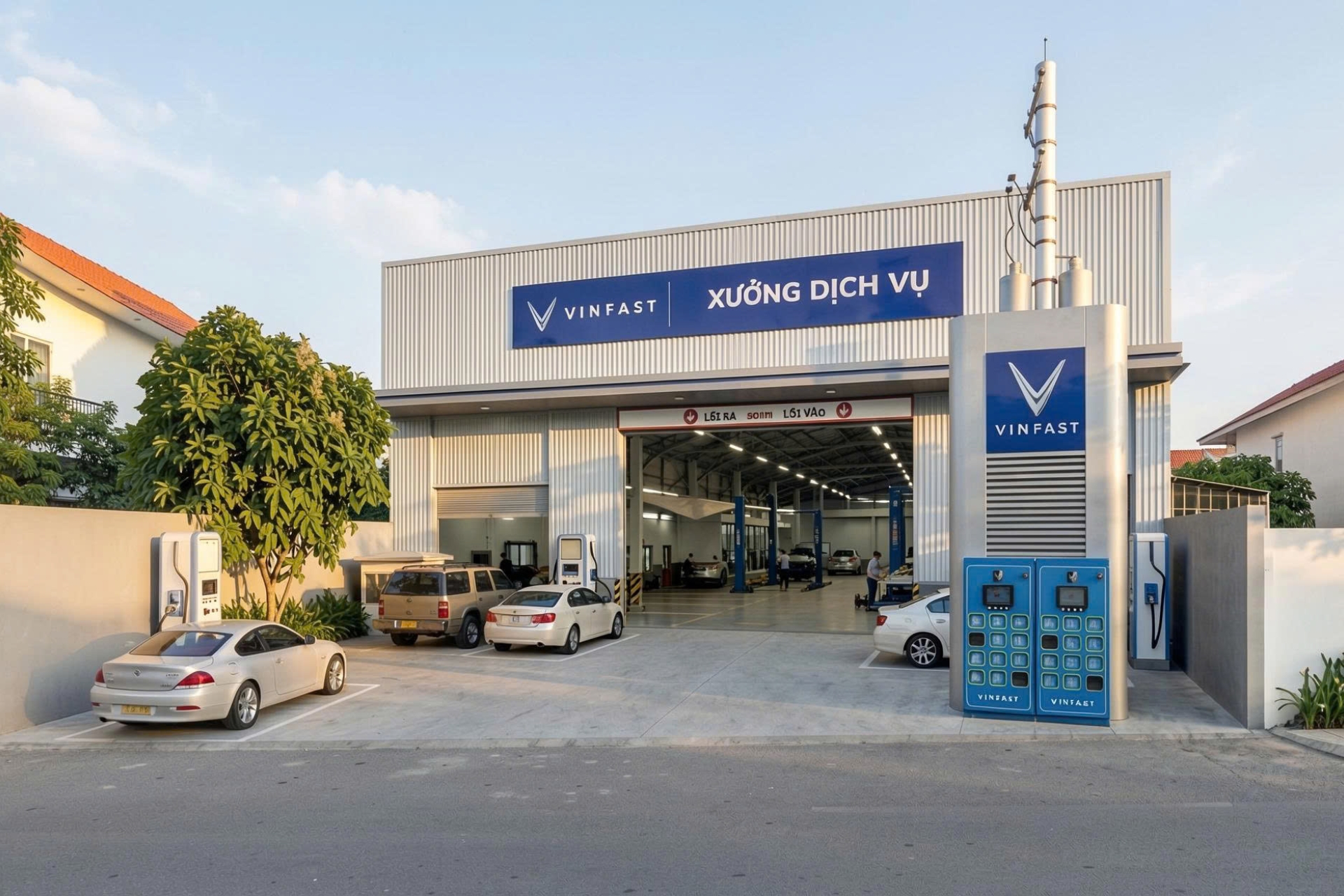 TECO – A Design and Build General Contractor for Factory Offices.
Conclusion
A professionally designed factory office not only improves management efficiency but also enhances brand image and creates a better working environment.
Conversely, mistakes made during the design phase can lead to unnecessary costs and negatively affect future production activities. Therefore, businesses should prepare carefully from the outset and work with experienced professionals. This approach provides a solid foundation for efficient operations, long-term sustainability, and lasting value.
We hope this article has helped you better understand the common mistakes to avoid when designing and constructing a factory office. TECO is always ready to support your business from concept development to project completion.
Related services: Factory office design & build · After-handover maintenance – TECO MSC