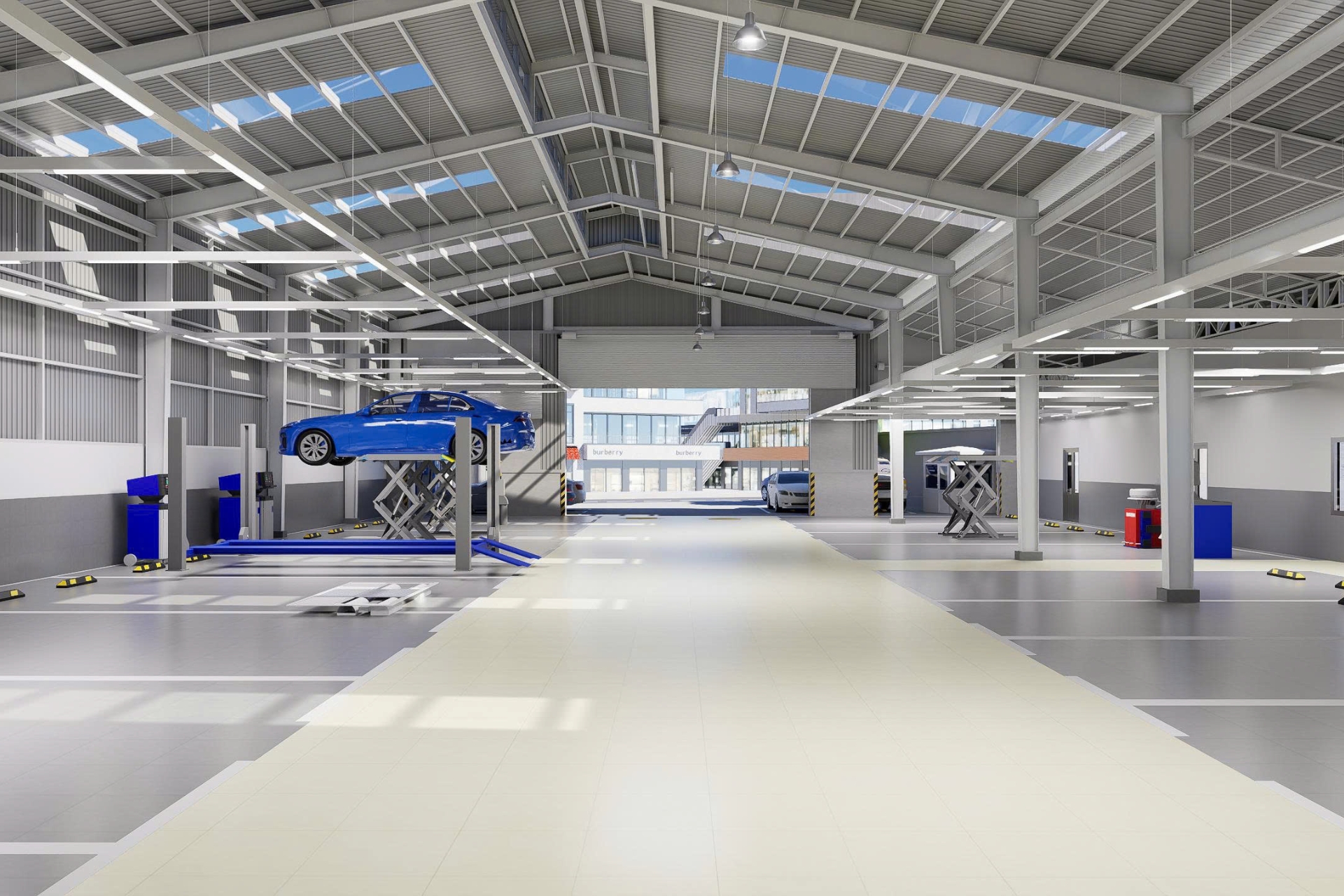
10 Frequently Asked Questions About Factory Office Design
When investing in a manufacturing facility, the office area plays a role that is just as important as the production area. It serves as the hub for business operations, personnel management, and receiving customers and partners. Therefore, factory office design is always one of the key concerns for investors.
However, during the planning stage, businesses often have many questions regarding space requirements, costs, functionality, and technical standards. Below are the 10 most common questions about industrial factory office design compiled by TECO.
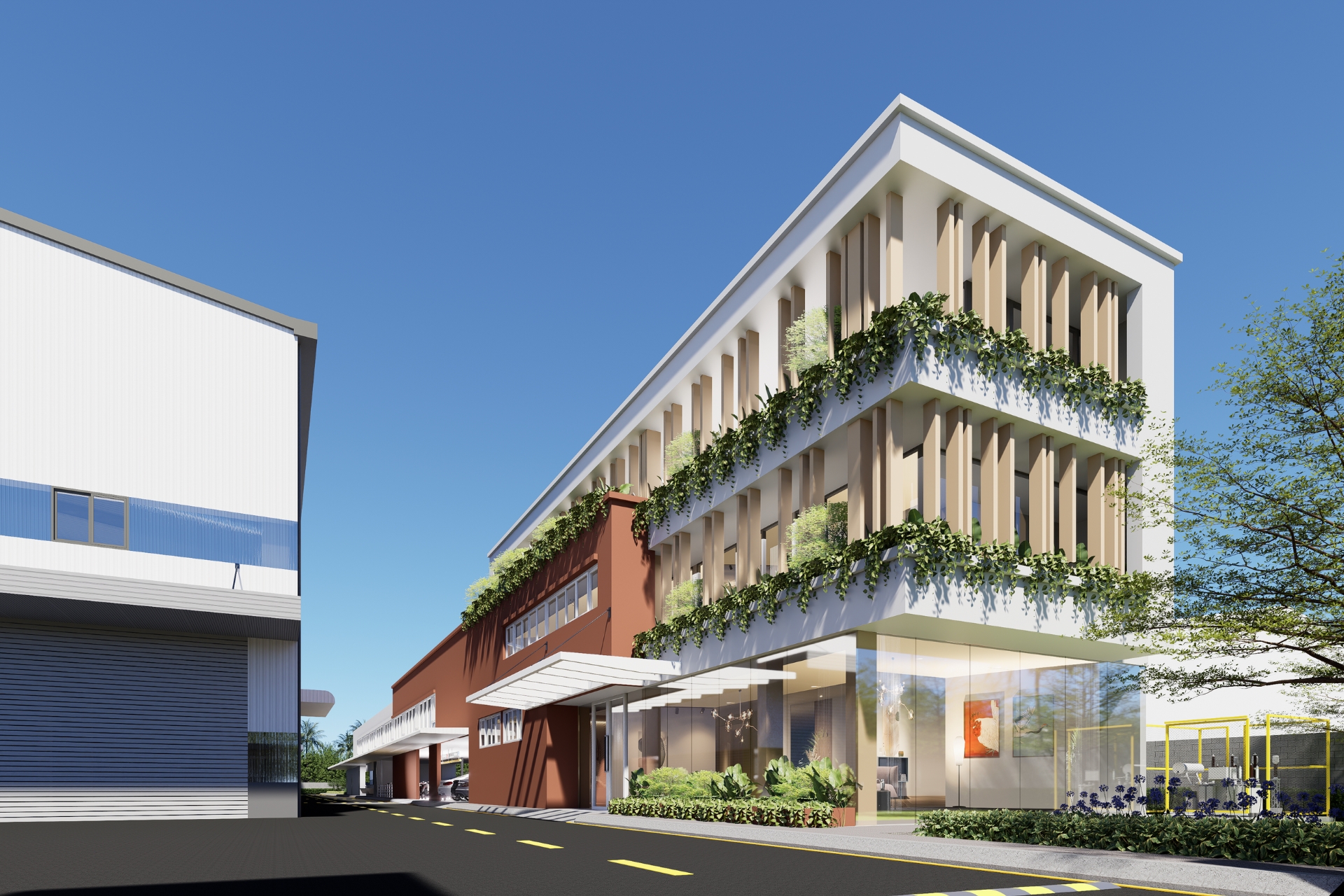 Answers to common questions about factory and office integration.
1. Should the Office Be Located Inside the Factory or Separate from It?
This is one of the most common questions when starting a project. An office located inside the factory helps save space, optimize construction costs, and facilitate production supervision. This model is typically designed as a prefabricated office or a mezzanine office.
On the other hand, a separate office building provides a more professional working environment. It minimizes noise, dust, and heat generated from the production area. In addition, welcoming customers and business partners becomes more convenient. The most suitable option depends on the factory scale, land availability, and investment budget.
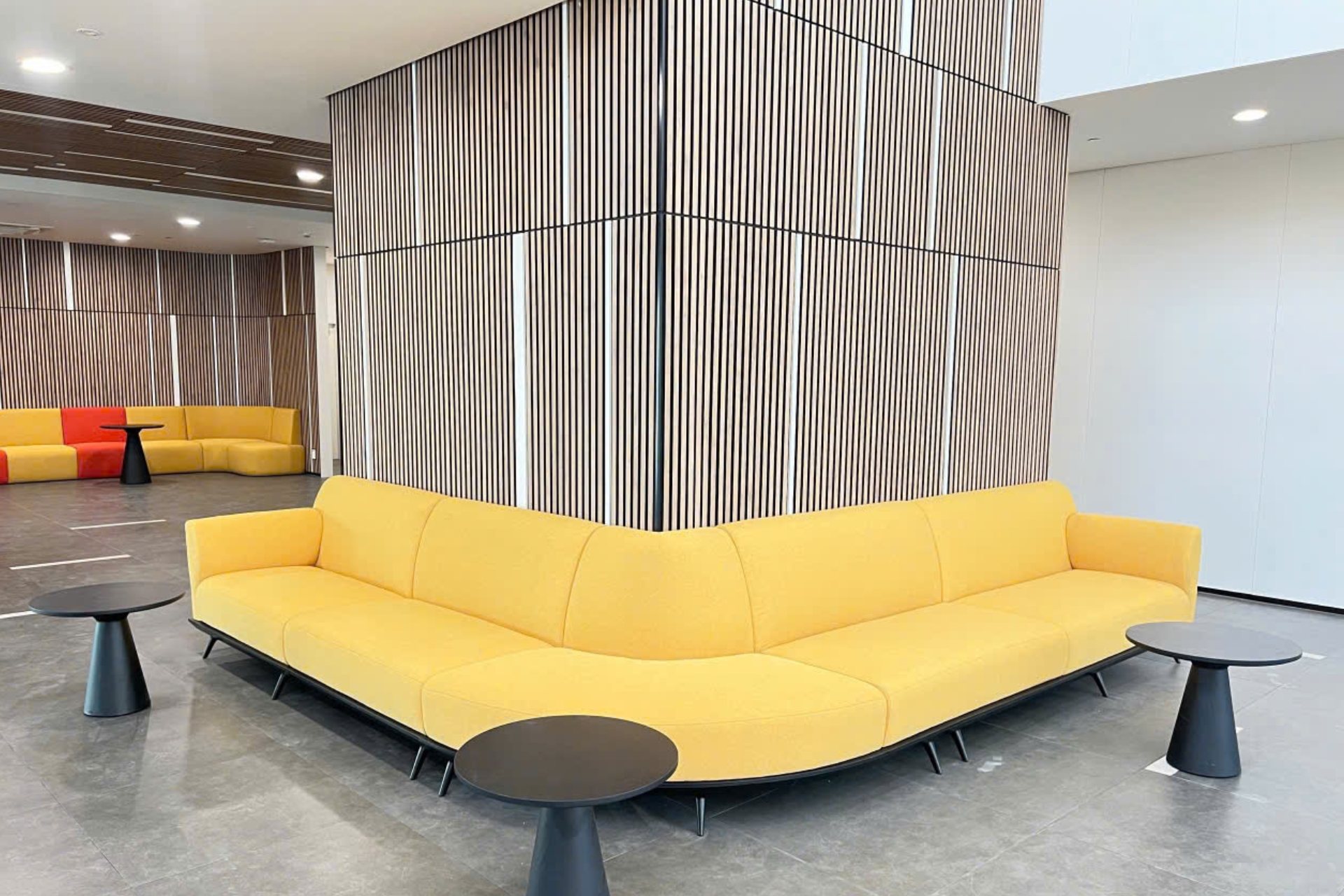 Where should the office be located?
2. What Is the Appropriate Size for a Factory Office?
There is no fixed number that fits every business. Office size should be determined based on the number of employees, departmental structure, and future expansion plans.
For small businesses, an area of 50–100 m² may be sufficient. For large manufacturing facilities, office space typically ranges from 200–500 m² or more. A well-planned design should provide adequate space for current operations while allowing room for future growth.
3. What Types of Factory Offices Are Commonly Used Today?
Currently, there are three popular models in factory office design.
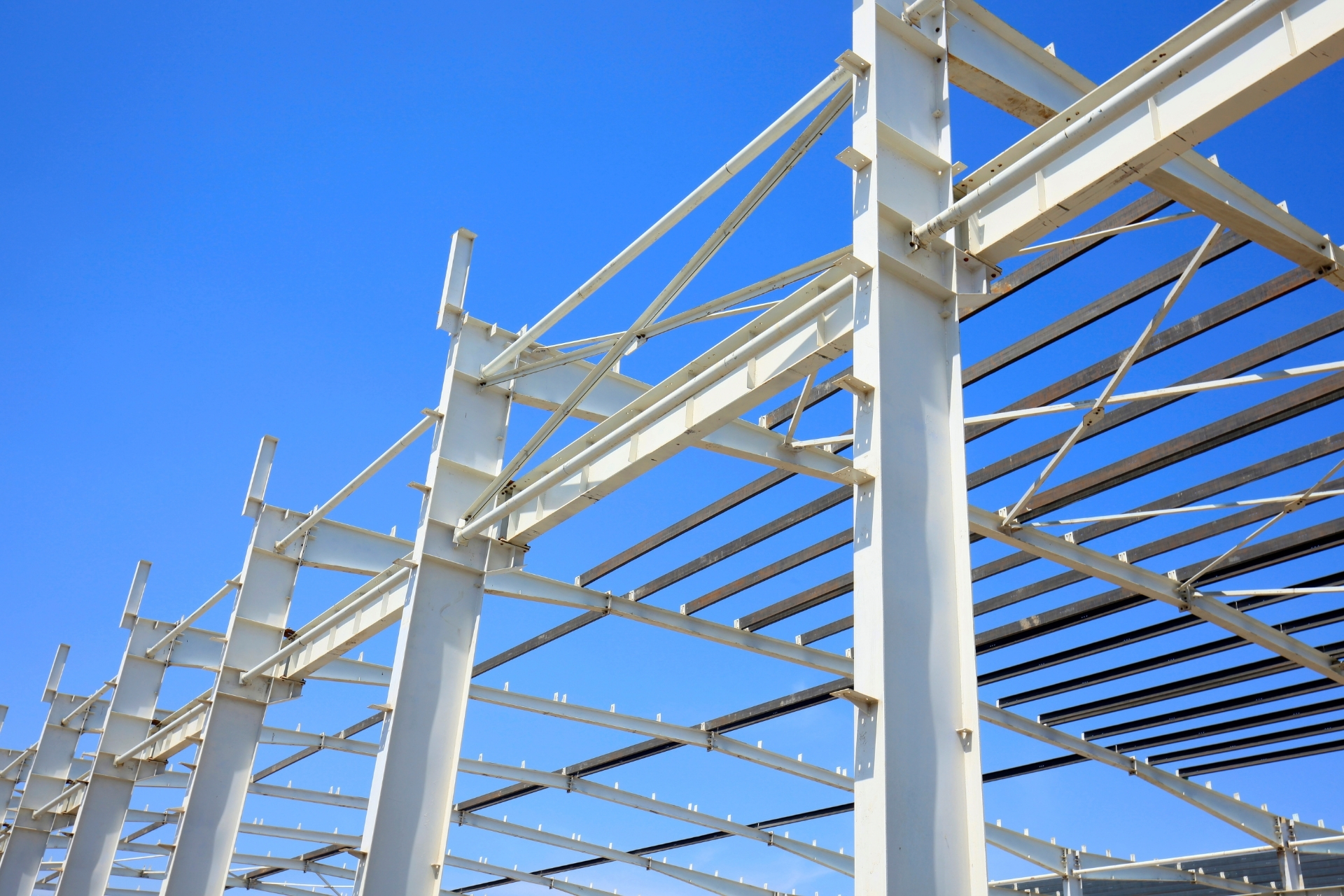
The first is the prefabricated office. This type uses steel frames, sandwich panels, and glass partitions. Its advantages include fast construction, reasonable investment costs, and flexibility for expansion.
The second is the mezzanine office. This solution utilizes the building height to increase usable space without affecting production activities below.
The third is the office adjacent to the factory. This model balances management efficiency with a professional working environment.
Each type offers unique advantages and is suitable for different operational needs.
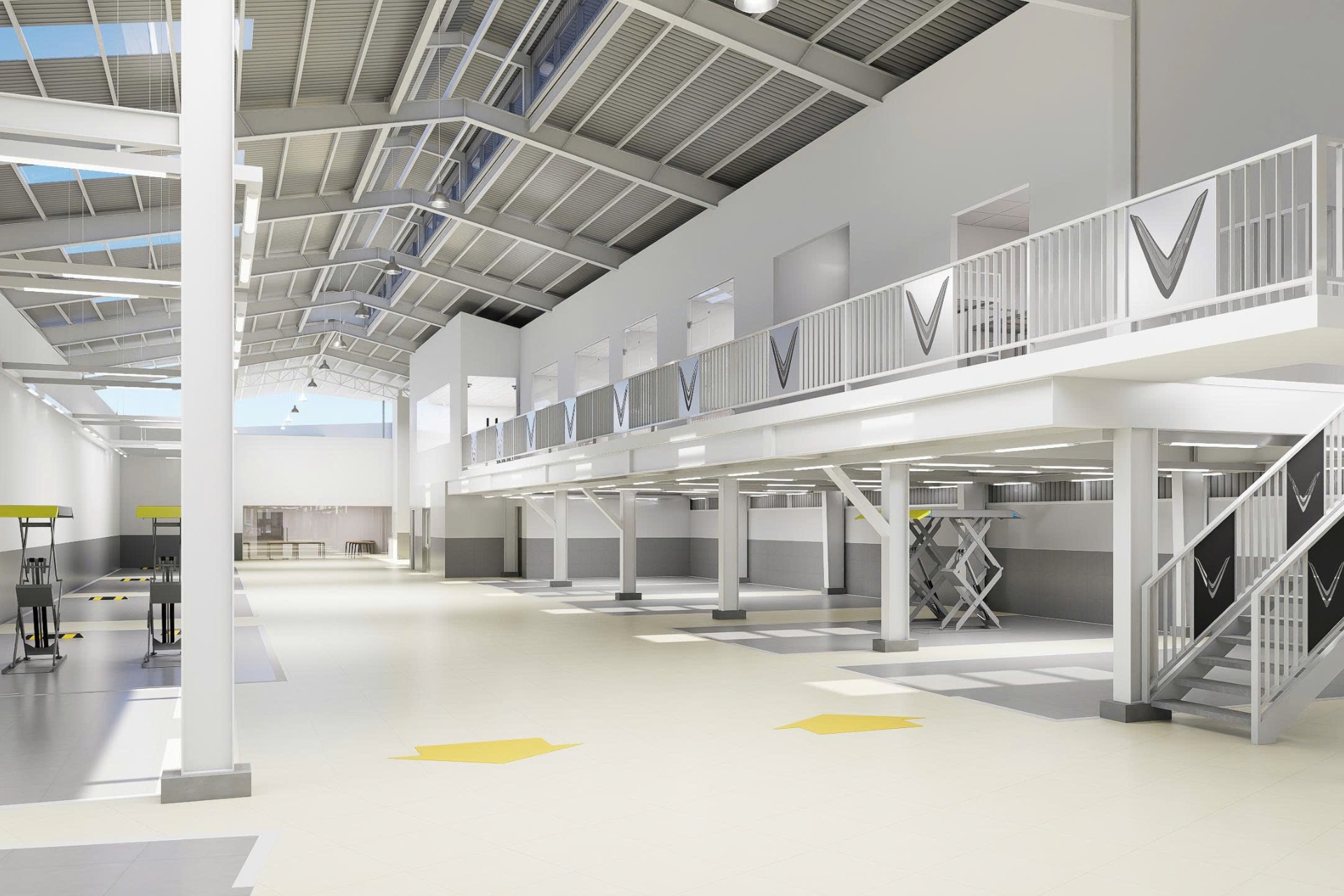 Classification of factory office models.
4. What Factors Affect the Cost of Factory Office Design and Construction?
Investment costs depend on various factors, with construction area being the most important. Larger buildings require more materials and labor, leading to higher costs.
In addition, structural systems, finishing materials, MEP systems, and interior fit-out standards significantly influence the overall budget. Choosing an experienced design and construction contractor can help businesses effectively control costs and minimize unexpected expenses during project implementation.
5. Is a Mezzanine Office a Good Option for a Factory?
The answer is yes, especially for businesses seeking to maximize space utilization. A mezzanine office makes use of the area above the production floor and is particularly suitable for sites with limited land area.
Besides reducing costs, a mezzanine office allows management personnel to oversee production activities more conveniently. However, the design must carefully consider structural load capacity, emergency exits, and vibration control to ensure long-term safety.
6. How Can Noise and Dust from the Production Area Be Minimized?
This is a common concern in projects where the office is located inside the factory. To address this issue, businesses can use double-glazed glass walls, soundproof panels, or acoustic doors. These materials significantly reduce noise from machinery.
In addition, properly designed ventilation and dust filtration systems are essential for maintaining a clean and comfortable working environment. Proper layout planning from the beginning also helps minimize the impact of production activities.
Solutions to reduce noise and dust from production areas.
7. Does a Factory Office Need to Meet Specific Fire Protection Standards?
The answer is yes. Whether located inside or adjacent to the factory, office areas must comply with fire prevention and protection regulations in accordance with current standards.
Important systems include fire alarms, fire extinguishers, emergency lighting, and escape routes. Integrating fire protection systems from the initial design stage not only ensures regulatory compliance but also guarantees occupant safety.
8. Should You Choose a Prefabricated Office or a Permanent Building?
Each option has its own advantages.
Prefabricated offices feature lower investment costs, faster construction, and easier expansion. They are ideal for newly established businesses or projects that require quick operation.
Permanent office buildings, meanwhile, offer greater durability, better sound insulation, and a longer service life. Businesses should make their decision based on development strategies and investment budgets.
9. What Are the Current Trends in Factory Office Design?
Today, office design trends focus not only on functionality but also on employee experience. Many companies prefer open-office concepts to improve communication and collaboration among departments.
Green offices with abundant plants and natural lighting are also becoming increasingly popular. In addition, incorporating brand colors into office interiors helps strengthen corporate identity and create a distinctive image.
10. How Should You Choose a Factory Office Design and Construction Contractor?
The contractor plays a critical role in determining the quality of the project. Businesses should prioritize contractors with extensive experience in industrial construction and a team of highly qualified architects and engineers.
Furthermore, their capabilities should be evaluated through completed projects, quality management processes, and after-sales warranty policies. A professional partner can help optimize functionality, control costs, and ensure project schedules.
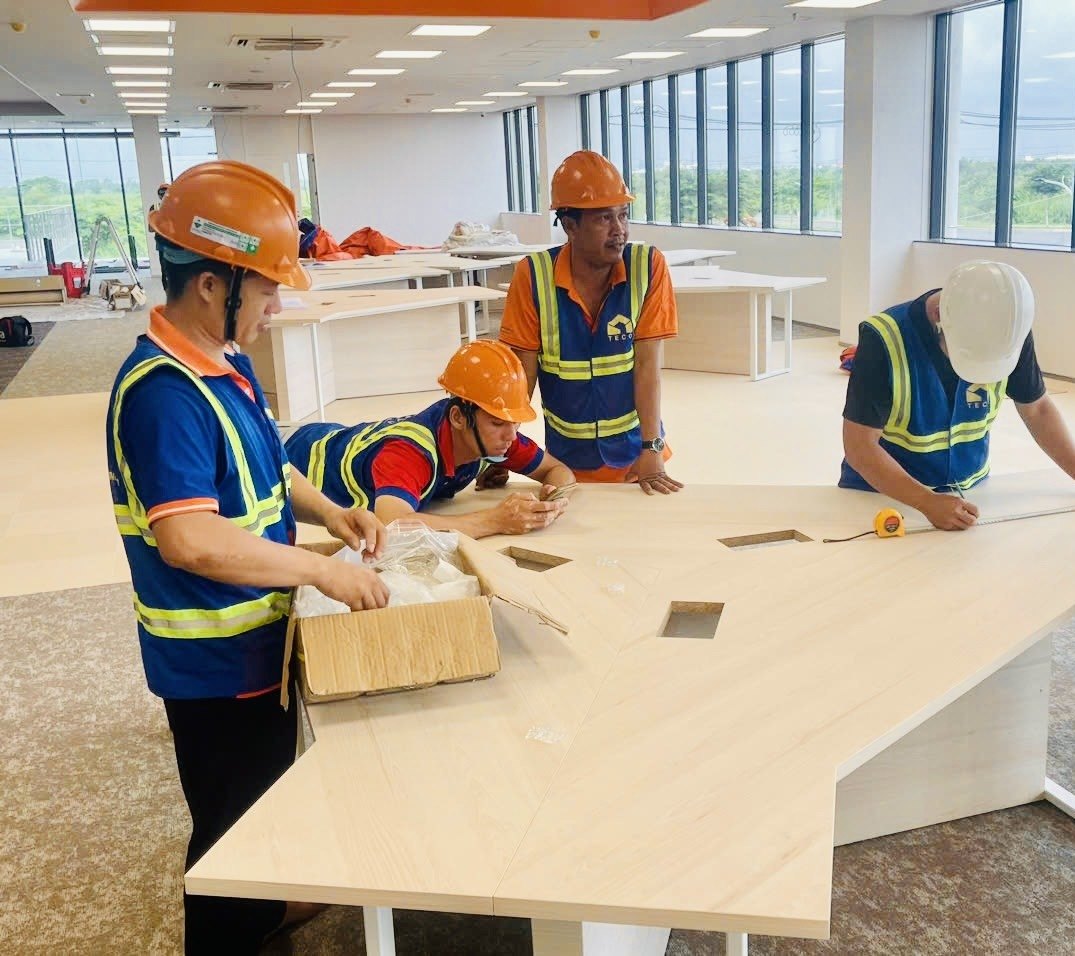
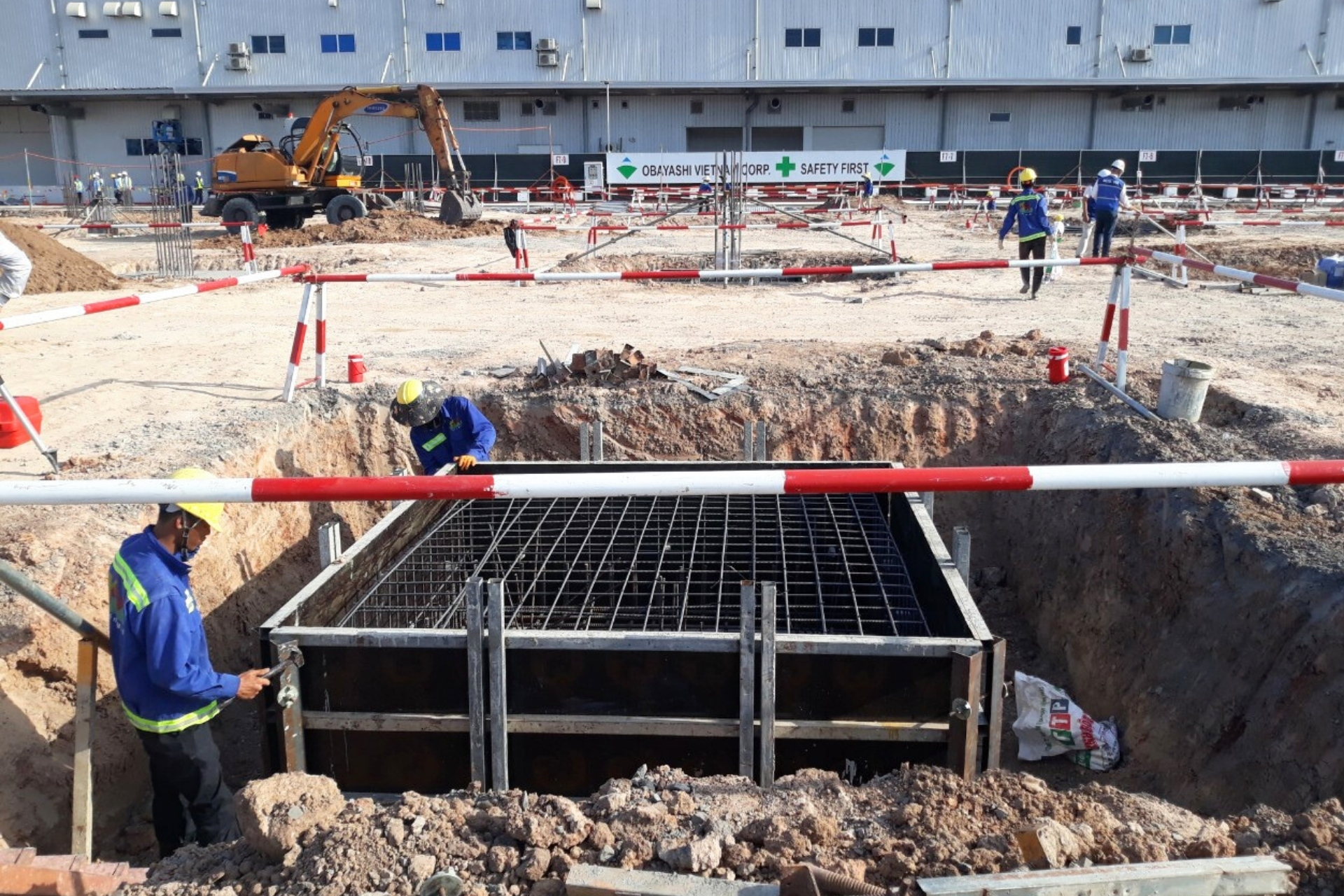
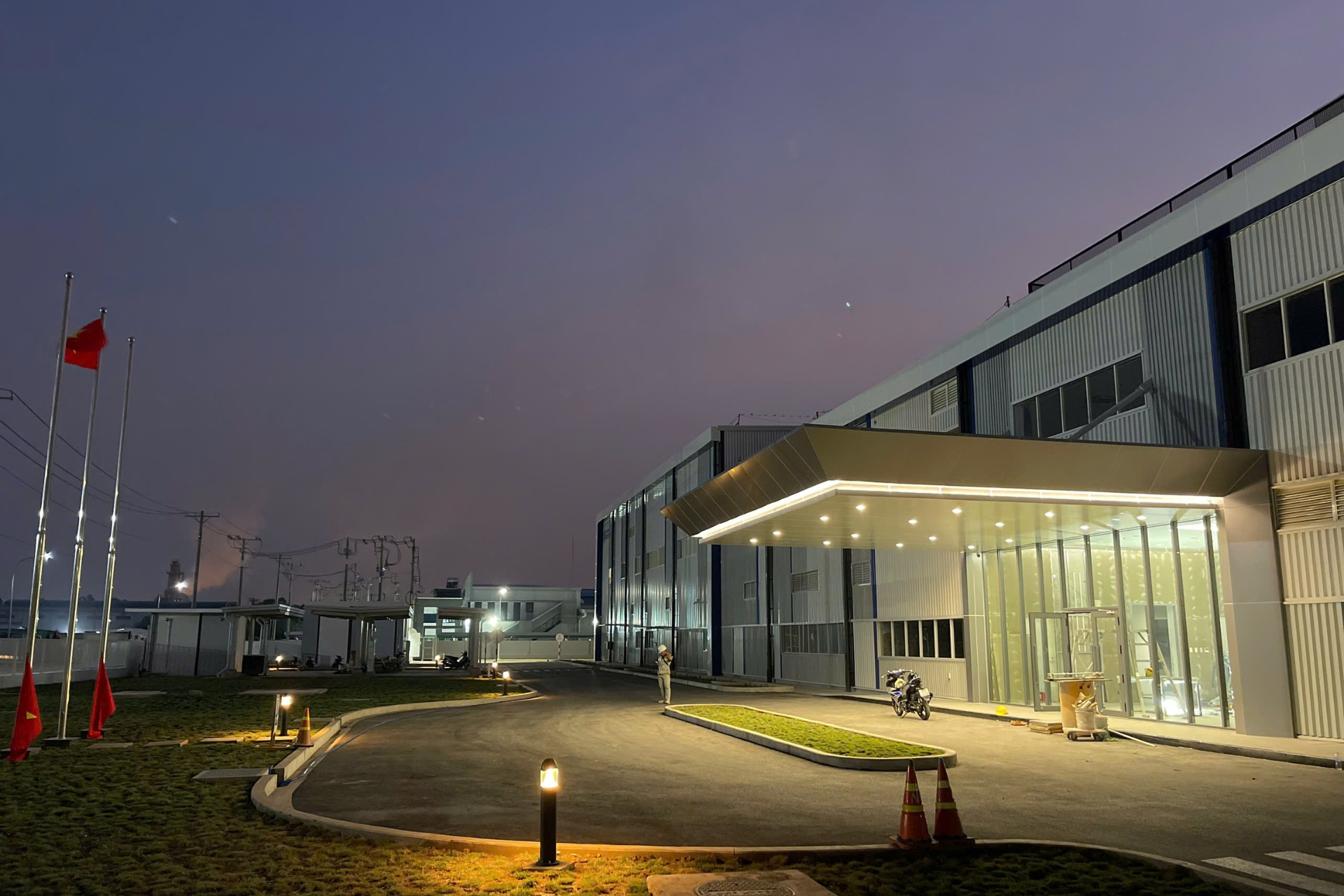 TECO – An experienced contractor specializing in factory office design and construction.
TECO – A Trusted Factory Office Design and Construction Contractor in Ho Chi Minh City
With many years of experience in industrial construction, TECO has partnered with numerous businesses on factory and office projects.
TECO provides customized factory office solutions tailored to each industry, production scale, and investment budget.
From prefabricated offices and mezzanine offices to office buildings adjacent to factories, the TECO team is committed to optimizing functionality, improving operational efficiency, and delivering sustainable value.
Conclusion
Factory office design is more than simply arranging workspace inside a manufacturing facility. It involves balancing functionality, investment costs, operational efficiency, and long-term business development.
Understanding these common questions enables investors to make informed decisions from the outset. If you are looking for the optimal factory office design solution, TECO is always ready to accompany your business from concept development to project completion.
Related services: Factory office design & build · After-handover maintenance – TECO MSC