

How Is an International Hospital Different from a Traditional Hospital in Terms of Design?
In the context of the rapidly developing healthcare industry, hospitals are no longer merely places for medical examination and treatment but have become comprehensive experiential spaces. Today’s patients not only care about professional quality but also pay attention to emotions, privacy, and the healing environment. This is exactly why international hospitals are increasingly preferred.
The biggest difference lies not only in services or technology, but in the mindset of healthcare space design—where every detail is calculated to serve people in a holistic way. Join TECO in exploring international hospitals in detail through the article below.
How International Hospitals Differ from Traditional Hospitals
Overview of International Hospitals and Traditional Hospitals
What is an international hospital?
An international hospital is a healthcare model that is built and operated according to global standards, aiming at patient experience, treatment efficiency, and absolute safety. These standards are not only applied in operational processes but also directly impact spatial design.
One of the most important standard systems is Joint Commission International (JCI). This is one of the most reputable accreditation standards in the world in the field of healthcare.
In design, JCI clearly defines core principles:
- Patient-centered: Spaces ensure privacy, reduce stress, and support recovery
- Infection control: Separation of clean–dirty flows, pressure room design, selection of antibacterial materials
- Operational safety: Spatial layout helps minimize risks
- Optimized circulation flow: Clear separation between patients, staff, and logistics
- Compliance with technical standards: Lighting, ventilation, and MEP systems meet international standards
This shows that design in international hospitals is not just about aesthetics but is part of the treatment system.
 Concept of international hospitals
What is a traditional hospital?
In contrast, traditional hospitals (mainly public or general private hospitals) often focus on basic medical examination and treatment functions. Design prioritizes functionality, cost optimization, and mass operation capability.
Although they still meet basic medical standards, factors such as user experience, spatial emotion, and personalization are often not given adequate attention.
Core Differences in International Hospital Design
Design mindset: Healing Environment vs Functional Space
The first difference lies in design philosophy. International hospitals adopt the “healing environment” model—where space directly contributes to the recovery process. Designs are often based on the principles of Evidence-Based Design, meaning every design decision has a scientific basis and has been practically validated.
Meanwhile, traditional hospitals mainly focus on “functional space”—spaces that serve functions, with less attention to psychological and emotional factors.
Master planning and circulation flow (Flow Design)
In international hospitals, flow separation is considered a vital factor:
- Patient, doctor, emergency, and logistics flows are clearly separated
- Intersections are minimized to reduce the risk of cross-infection
- Movement time is optimized and operational efficiency is enhanced
In contrast, traditional hospitals often experience overlapping flows, leading to overcrowding, lack of control, and fragmented experiences.
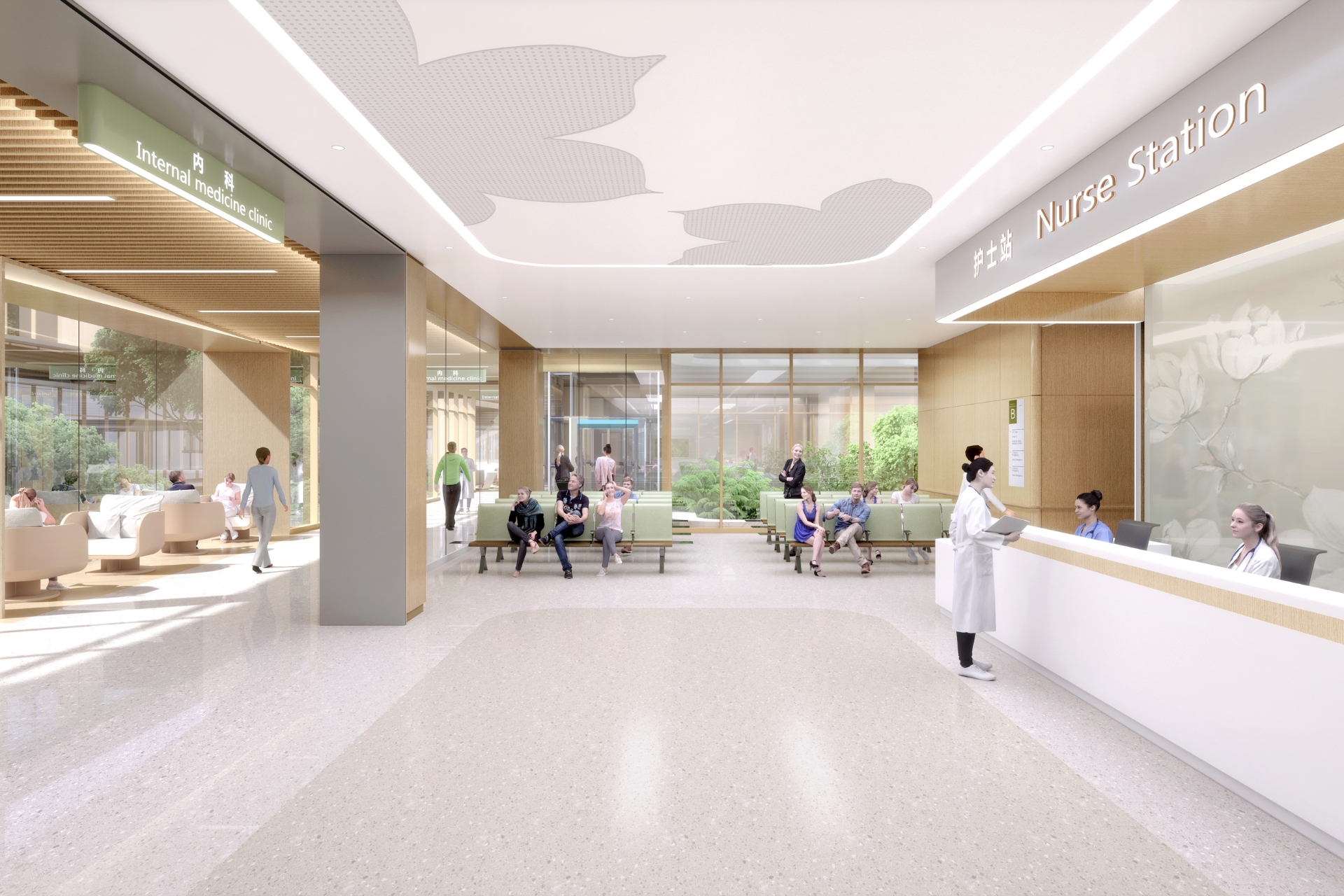 Master planning and circulation flow
Interior design and user experience
One of the most noticeable differences is the interior space. International hospitals often follow a “hospitality design” approach with:
- Neutral, soothing colors
- Maximized use of natural light
- Comfortable waiting areas to reduce psychological pressure
- Private, well-equipped patient rooms
Meanwhile, traditional hospitals often use simple designs, basic materials, prioritizing durability and ease of cleaning over experience.
Application of technology in design
International hospitals integrate technology from the design stage:
- Smart hospital management systems
- IoT in patient monitoring
- Operational automation
Standards such as Joint Commission International also require synchronization between design and technology.
Meanwhile, traditional hospitals often implement technology in separate parts, lacking overall integration.
Safety standards and infection control
This is a highly technical factor. International hospitals apply:
- Negative/positive pressure rooms for specialized areas
- Standard-compliant air filtration and ventilation systems
- Specialized antibacterial materials
Meanwhile, traditional hospitals mainly meet basic standards and have not optimized design to control risks at the root.
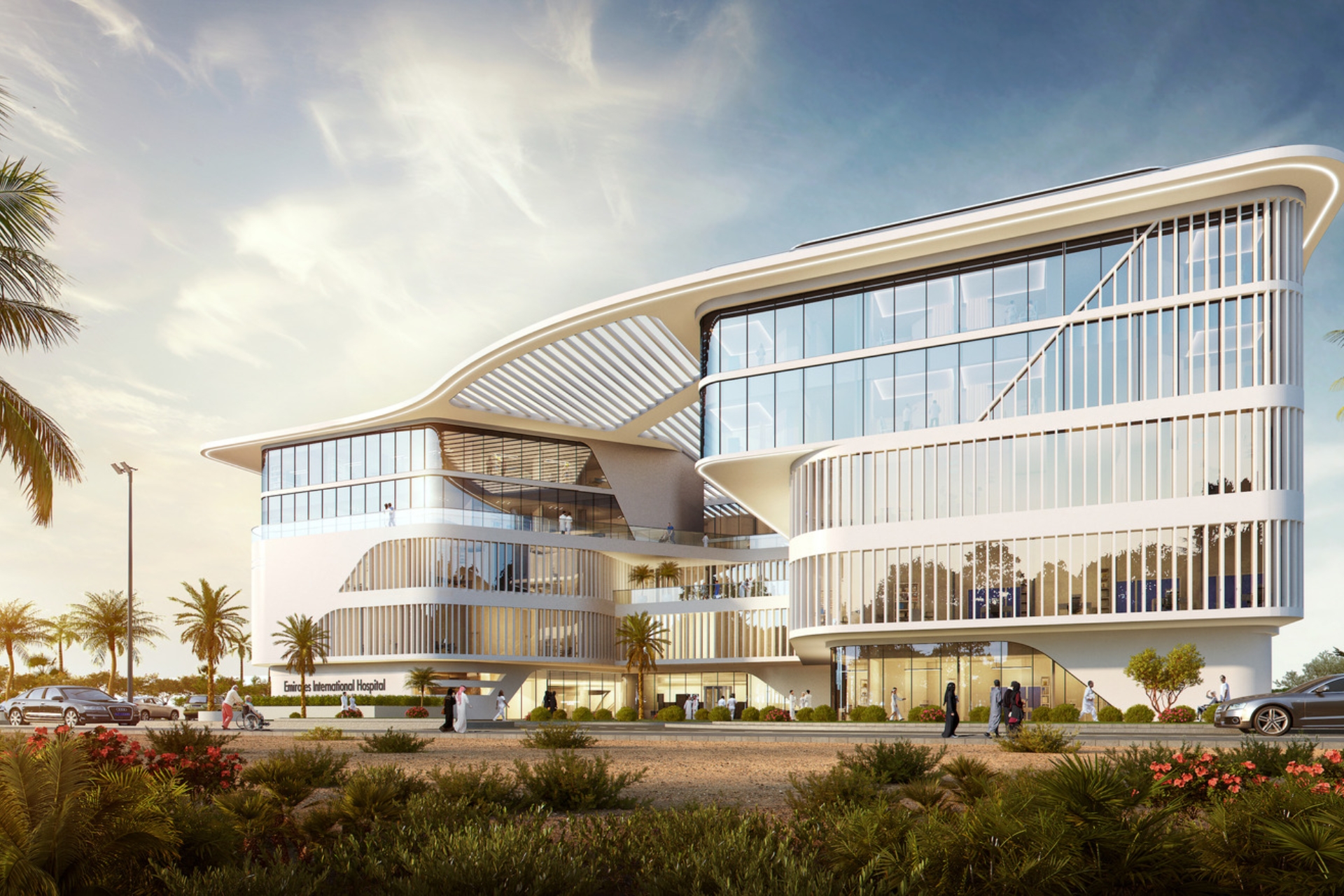 Safety standards and infection control
Nature and green space factors
Nature is an indispensable part of international hospital design.
Elements such as:
- Healing gardens
- Open spaces
- Views toward nature
help reduce stress, improve mood, and support the recovery process.
Traditional hospitals are often limited in area and budget, so they pay less attention to this factor.
Benefits of international hospital design
Investment in design brings many practical values:
- Accelerates patient recovery
- Reduces psychological pressure for patients and their families
- Improves operational efficiency
- Enhances brand value and competitiveness
At this point, design is no longer a cost but becomes a strategic investment.
Future trends in hospital design
In the future, the international hospital model will continue to develop towards:
- Personalization of patient experience
- Deeper integration of technology (AI, big data)
- Combination of healthcare and resort models (wellness & hospitality)
The boundary between hospitals and living spaces will become increasingly blurred, creating comprehensive healthcare environments.
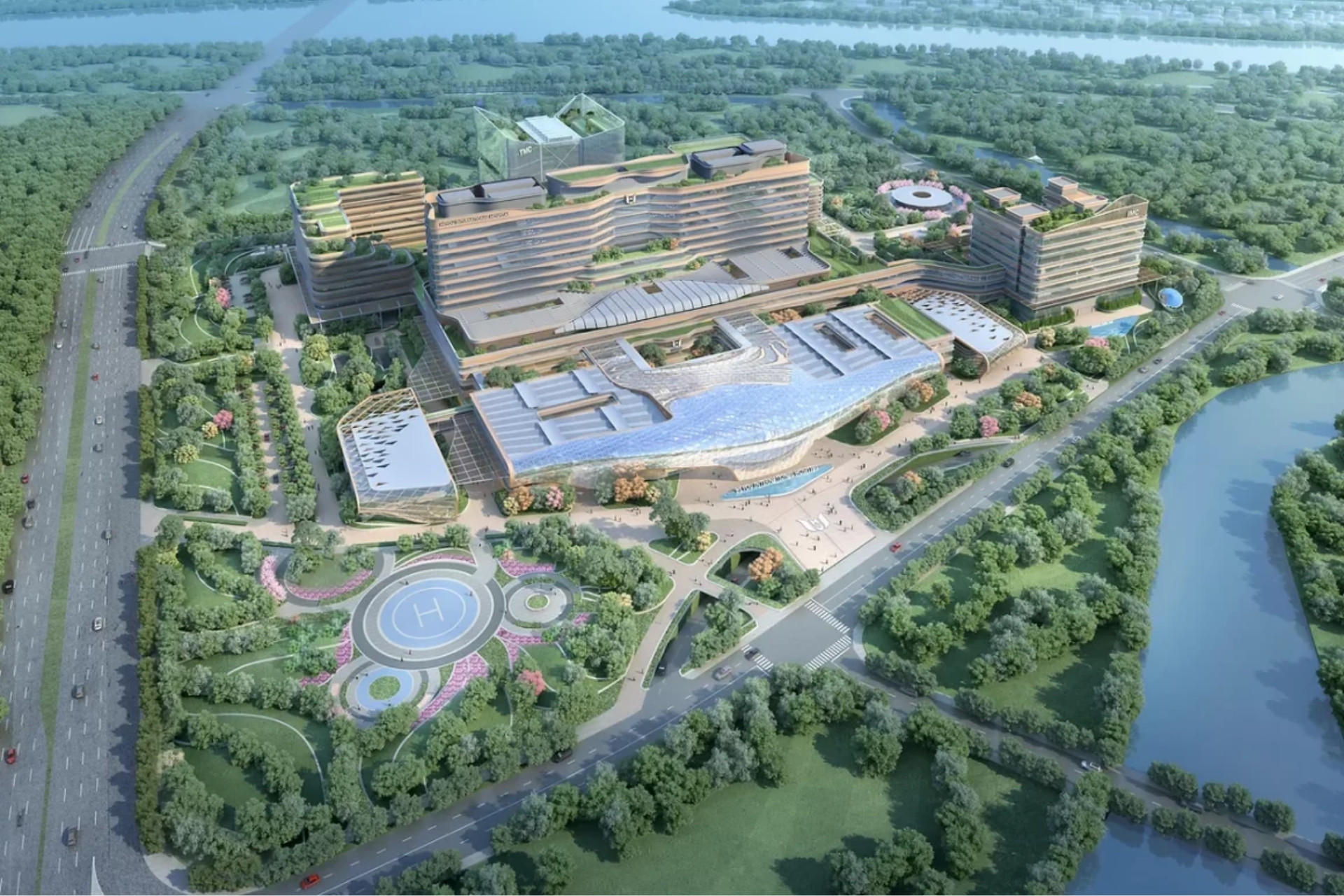 Future trends in hospital design
Conclusion
The difference between international hospitals and traditional hospitals lies not only in scale or equipment but in a human-centered design mindset.
In the context of a rapidly transforming healthcare industry, investing in design according to international standards is no longer an option but an inevitable trend. To achieve this, investors need to collaborate with specialized design units—those who understand that each space not only serves treatment but also contributes to healing.
Contact TECO for detailed consultation on international hospital construction solutions
Related services: Hospital interior design & build · After-handover maintenance – TECO MSC