10 Frequently Asked Questions About Factory Design
Factory design is an important first step that directly impacts operational efficiency, investment costs, and future production expansion capabilities. However, many businesses, especially those building a factory for the first time, often have numerous concerns before starting a project.
Below are the 10 most frequently asked questions that TECO receives from investors during the factory design process.
1. Why Is a Comprehensive Factory Design Necessary Before Construction?
Many businesses assume that a factory is simply a production space, so the design phase can be simplified. However, this is a common misconception.
In reality, design documentation not only defines the appearance of the building but also serves as the foundation for implementing the entire structural system, MEP system, fire protection system, technical infrastructure, and production line layout.
A factory design solution that is thoroughly studied from the beginning helps to:
- Optimize functionality and usability.
- Minimize construction changes and variations.
- Effectively control the project budget.
- Ensure long-term operational performance.
It also helps businesses avoid costly modifications after the facility becomes operational.
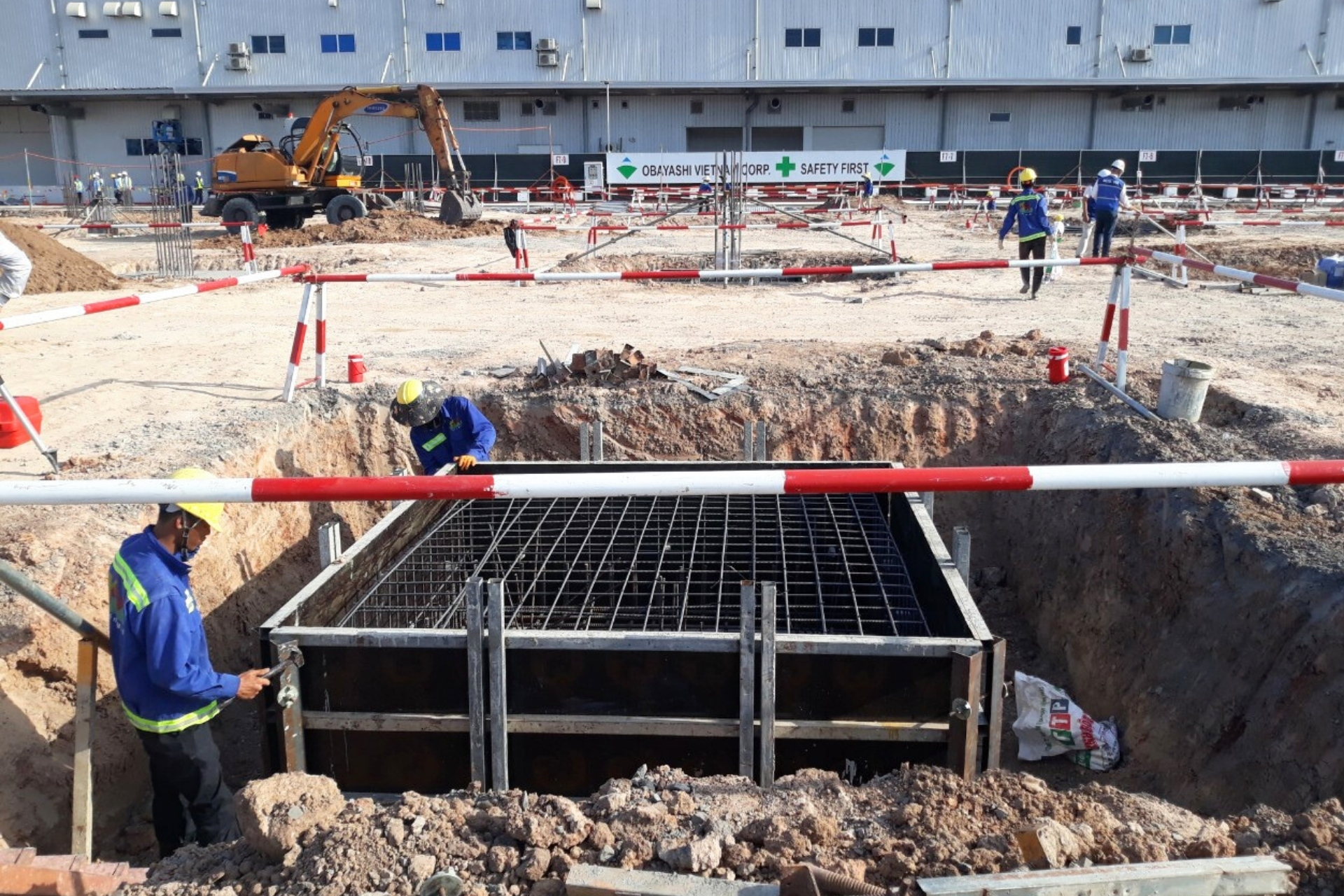
Factory design serves as the foundation for avoiding expensive alterations in the future.
2. What Information Should Businesses Prepare Before Designing a Factory?
To develop a suitable design solution, the consultant needs a clear understanding of the project’s input requirements.
Important information includes:
- Land area.
- Manufacturing industry.
- Workforce size.
- Machinery and equipment list.
- Expected production capacity.
- Future development plans.
In addition, factors related to zoning regulations, building density, and local legal requirements should be considered from the outset to ensure smooth project implementation.
3. What Factors Determine Factory Design Costs?
Factory design costs depend on various factors and there is no fixed price applicable to all projects.
Key factors include:
- Project scale.
- Total construction area.
- Complexity of the production line.
- Technical system requirements.
- Operational standards of the business.
For projects requiring high standards such as GMP, HACCP, or LEED, the design workload is typically greater due to the need to comply with specialized technical requirements.
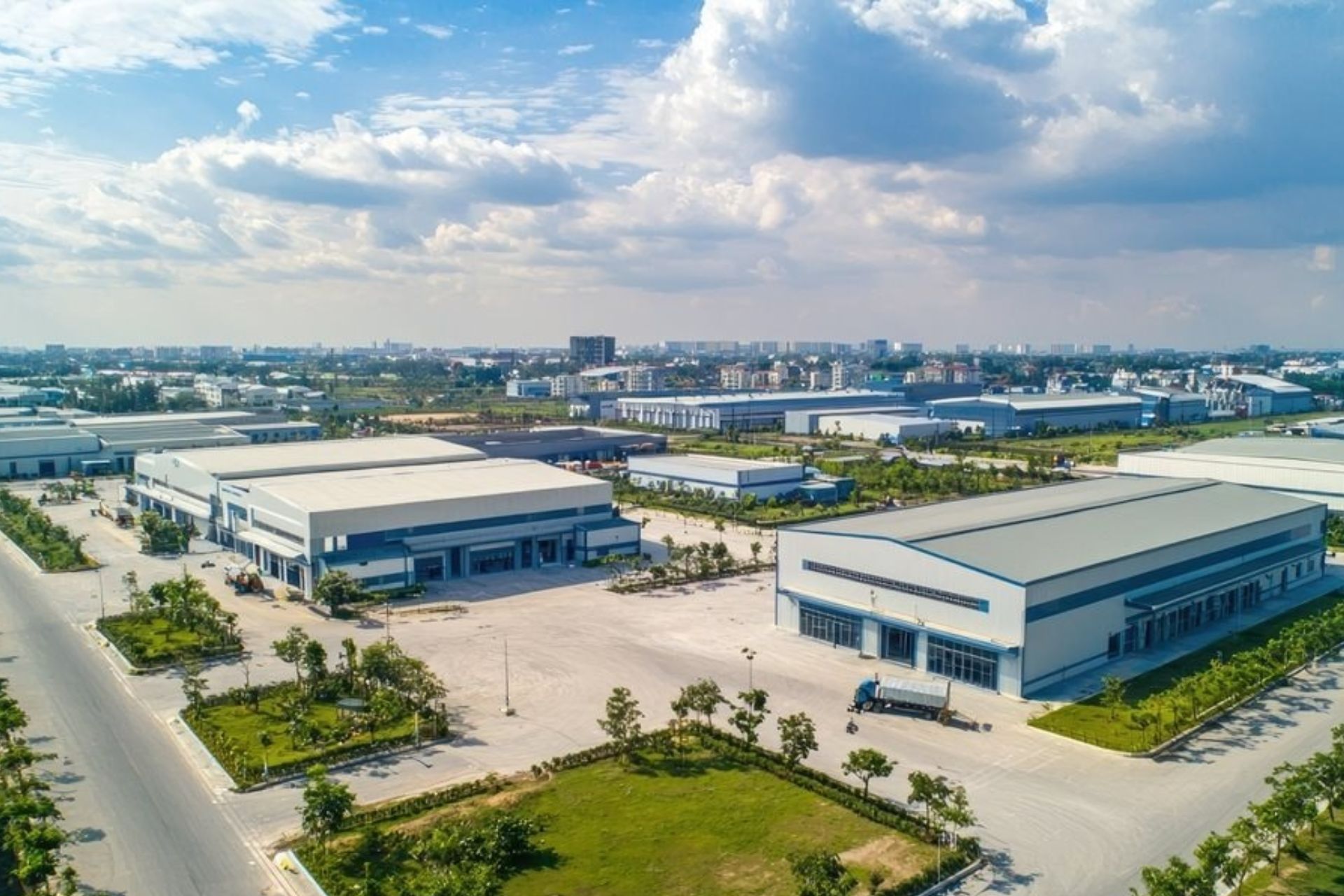 What factors determine factory design costs?
4. Should Future Expansion Be Considered During the Design Stage?
The answer is yes.
Many businesses focus solely on current needs without considering future development plans. This can create difficulties when production expansion or additional functional areas are required later.
A factory design with future expansion in mind allows businesses to:
- Expand production lines more easily.
- Add warehouses or auxiliary facilities conveniently.
- Minimize disruptions to existing operations.
- Reduce future renovation costs.
This is an important factor that enables the facility to adapt to the company’s long-term growth.
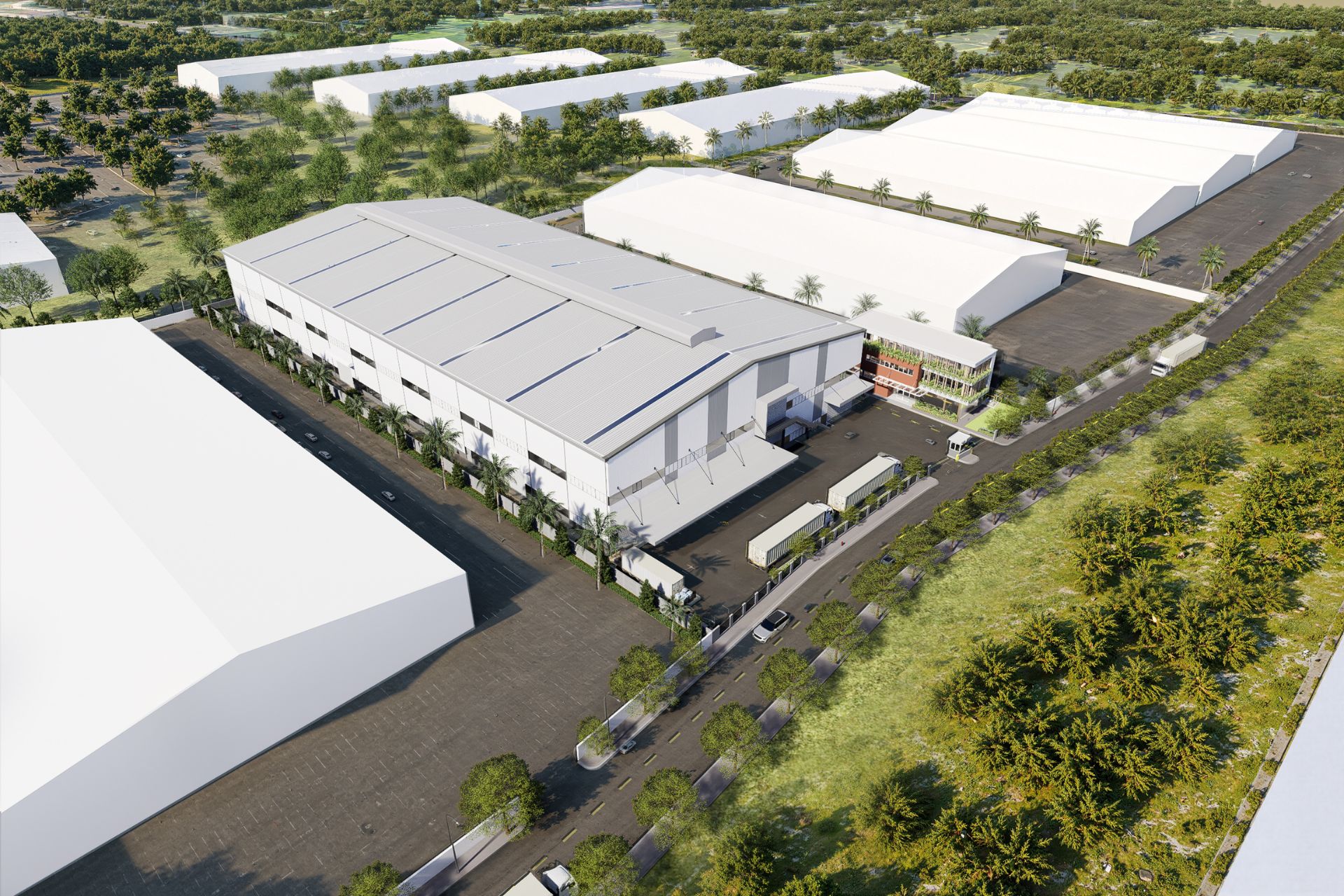
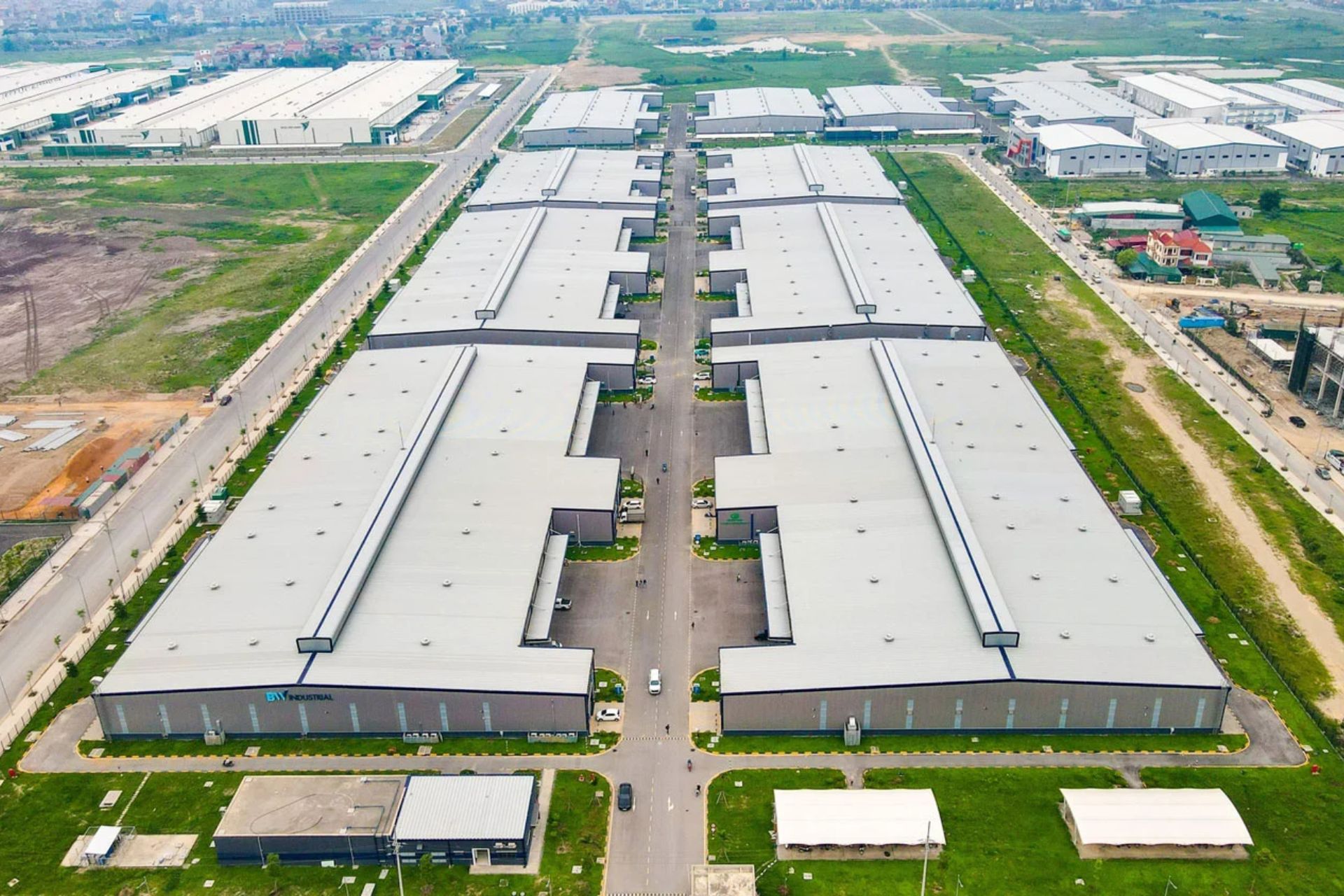 Should future factory expansion be considered?
5. Is Steel Structure the Optimal Solution for Factory Construction?
Today, steel structures are widely used in industrial construction projects.
Key advantages include:
- Fast construction time.
- Cost-effective investment.
- Large clear-span capability.
- Flexible production space.
- Easy future expansion.
However, not every project is suitable for steel structures. The optimal solution should be determined based on equipment loads, production characteristics, and operational requirements specific to each project.
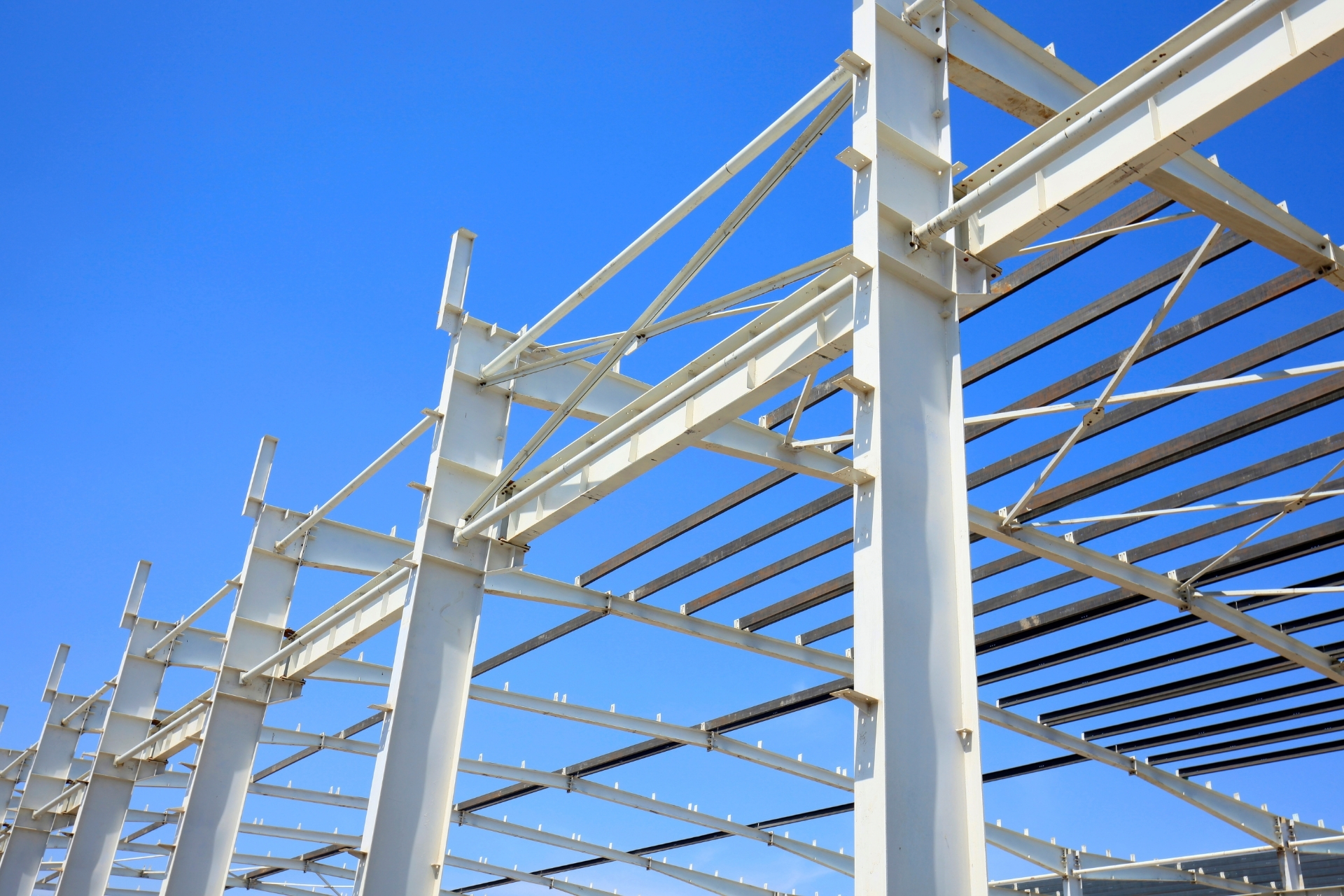
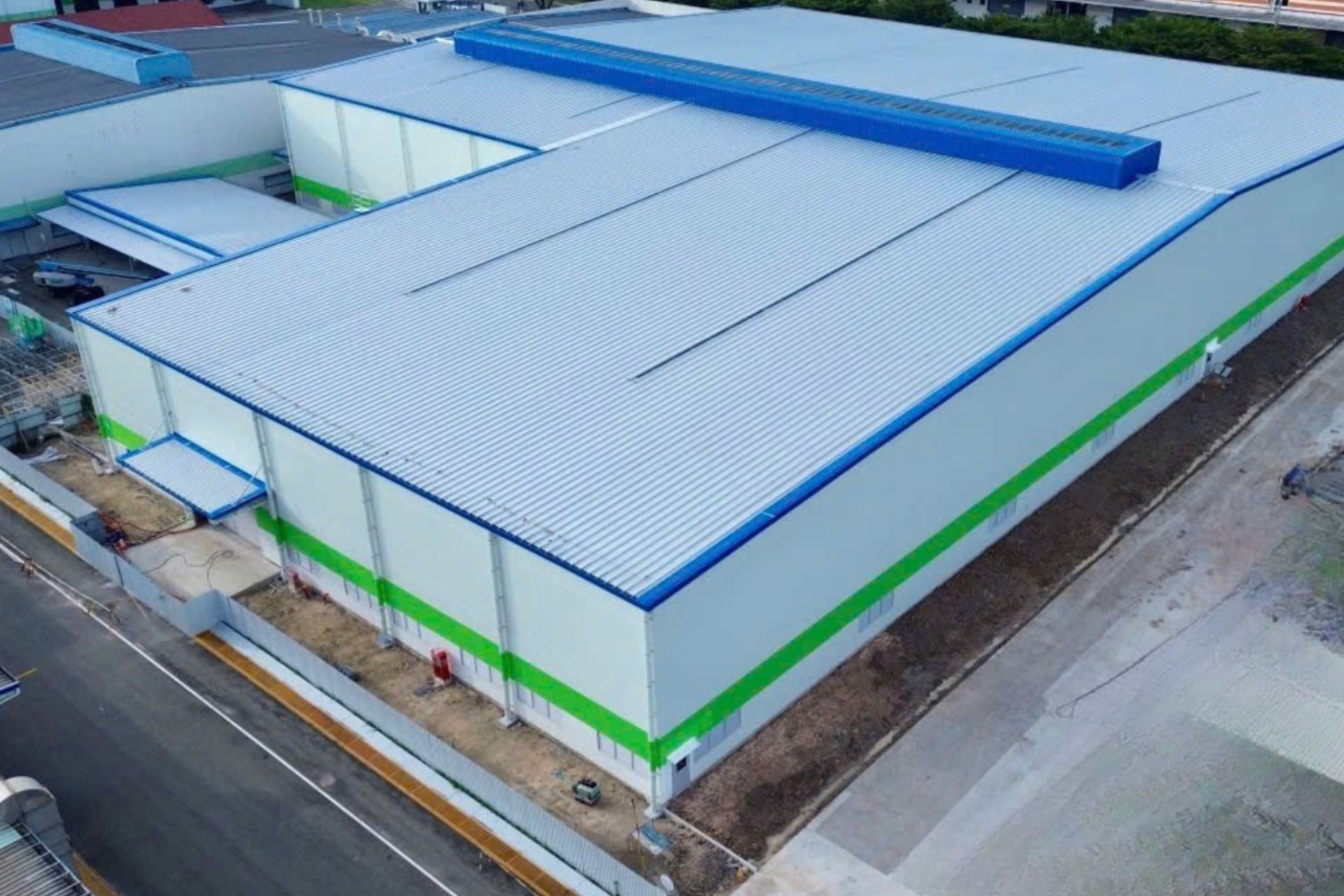 Steel structures are a commonly used solution in industrial projects.
6. What Standards Must Be Complied With in Factory Design?
Industrial factories must comply with various regulations and technical standards.
Key categories include:
- Structural design standards.
- Occupational safety standards.
- Fire protection standards.
- Industrial electrical standards.
- Environmental standards.
- Technical infrastructure standards.
In addition, industries such as food processing, pharmaceuticals, electronics, and export manufacturing may need to comply with specific industry regulations.
7. Is the Fire Protection System Planned During the Design Stage?
Yes.
The fire protection system is a mandatory component and must be integrated from the earliest stages of the project.
Depending on the production process and project scale, designers may propose solutions such as:
- Automatic fire alarm systems.
- Automatic sprinkler systems.
- Smoke extraction systems.
- Pressurization fans.
- Emergency exits and safety signage.
Early planning helps facilitate approval procedures and prevents costly design revisions during construction.
8. Is It Necessary to Optimize Ventilation and Lighting in Factory Design?
Absolutely.
These factors directly affect the working environment and operational costs.
An effective ventilation system helps:
- Reduce indoor temperatures.
- Improve air circulation.
- Enhance working conditions for employees.
At the same time, a well-designed lighting system improves productivity while reducing energy consumption.
Today, many businesses prioritize solutions such as skylights, natural ventilation systems, and industrial LED lighting to maximize energy efficiency.
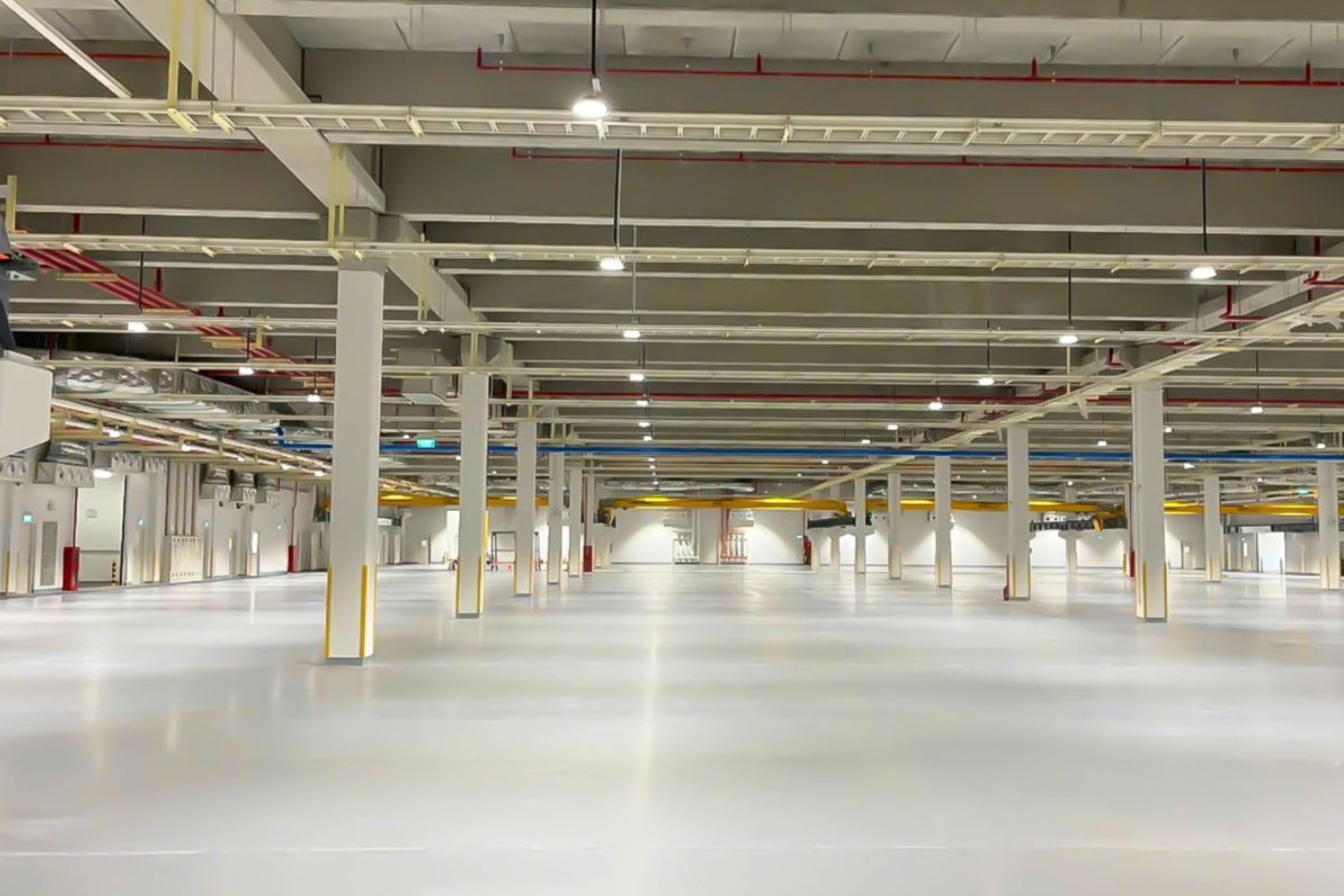 Proper lighting design improves productivity and reduces power consumption.
9. How Long Does the Factory Design Process Usually Take?
The design duration depends on the scale and complexity of the project.
For medium-sized factories, the design process typically takes from several weeks to about one month.
For projects with advanced technical requirements or multiple specialized systems, the design phase may take longer to ensure documentation accuracy.
Investing sufficient time in the design stage can significantly reduce risks during construction and future operation.
10. How Should Businesses Choose a Factory Design and Construction Contractor?
This is one of the most important questions investors ask before launching a project.
A reputable factory design and construction contractor should:
- Have experience in industrial projects.
- Understand the operational characteristics of different manufacturing sectors.
- Possess a team of qualified designers and engineers.
- Demonstrate proven construction capabilities.
- Provide integrated design-and-build solutions.
Choosing the right partner not only ensures construction quality but also helps maximize long-term investment efficiency.
TECO – Professional Design & Build General Contractor for Industrial Factories
With extensive experience in industrial construction projects across Vietnam, TECO provides comprehensive solutions ranging from master planning, design, construction permitting, and project execution to final handover.
Every factory design solution developed by TECO is based on the client’s actual operational requirements, ensuring optimized functionality, controlled investment costs, and flexibility for future expansion.
Contact TECO for Factory Design Consultation
If your business is planning to build a new factory or expand production capacity, TECO is ready to support you from the earliest stages of the project.
Contact TECO today to receive consultation on an optimized factory design solution tailored to your operational requirements and long-term development strategy.