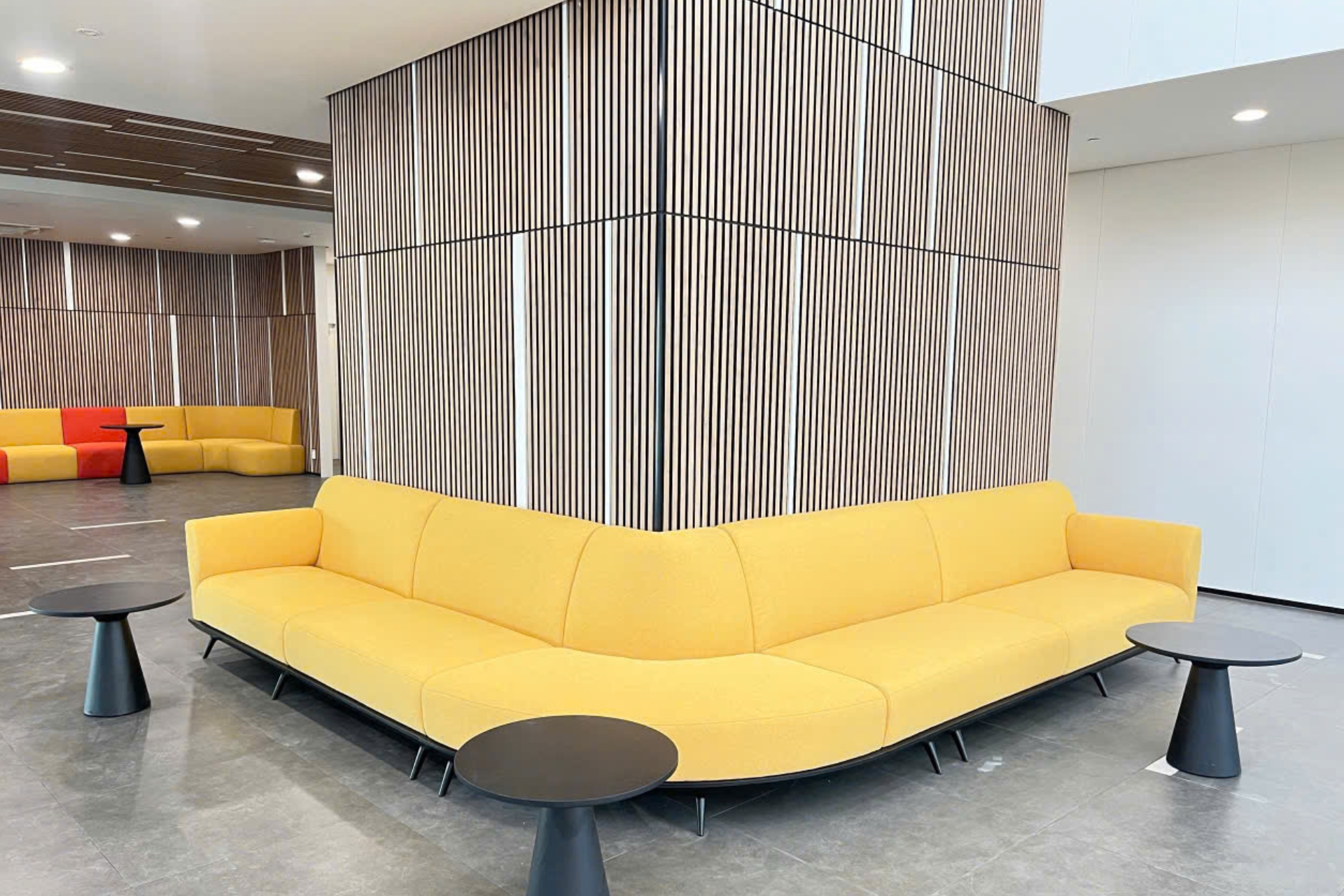
Factors Affecting the Cost of Factory Office Design and Construction
When investing in factory construction, businesses need to pay proper attention not only to the production area but also to the office space. This is where production activities are managed, personnel are supervised, and customers and business partners are received. Therefore, the design and construction of a factory office is always an important component of the overall project.
However, the investment cost for a factory office can vary significantly from one project to another. Some projects require only a few hundred million VND, while others can cost billions of VND. So, what factors directly affect the budget for factory office design and construction? Let’s explore them with TECO in the article below.
Factors Affecting Factory Office Construction Costs
Factory Office Area
Area is the first factor and also the one that most directly affects the total investment cost. In general, the larger the office area, the greater the quantity of materials, labor, and construction time required. This results in a higher overall investment budget.
An office with an area of 80m² will cost less than an office of 300m² or 500m². However, businesses should not determine the office size based solely on current needs. Considering future workforce expansion and production growth plans helps avoid costly renovations or expansions later on. Therefore, determining the appropriate factory office scale from the beginning is extremely important.
Factory Office Type Selection
Businesses can choose from different office models depending on their needs and budget.
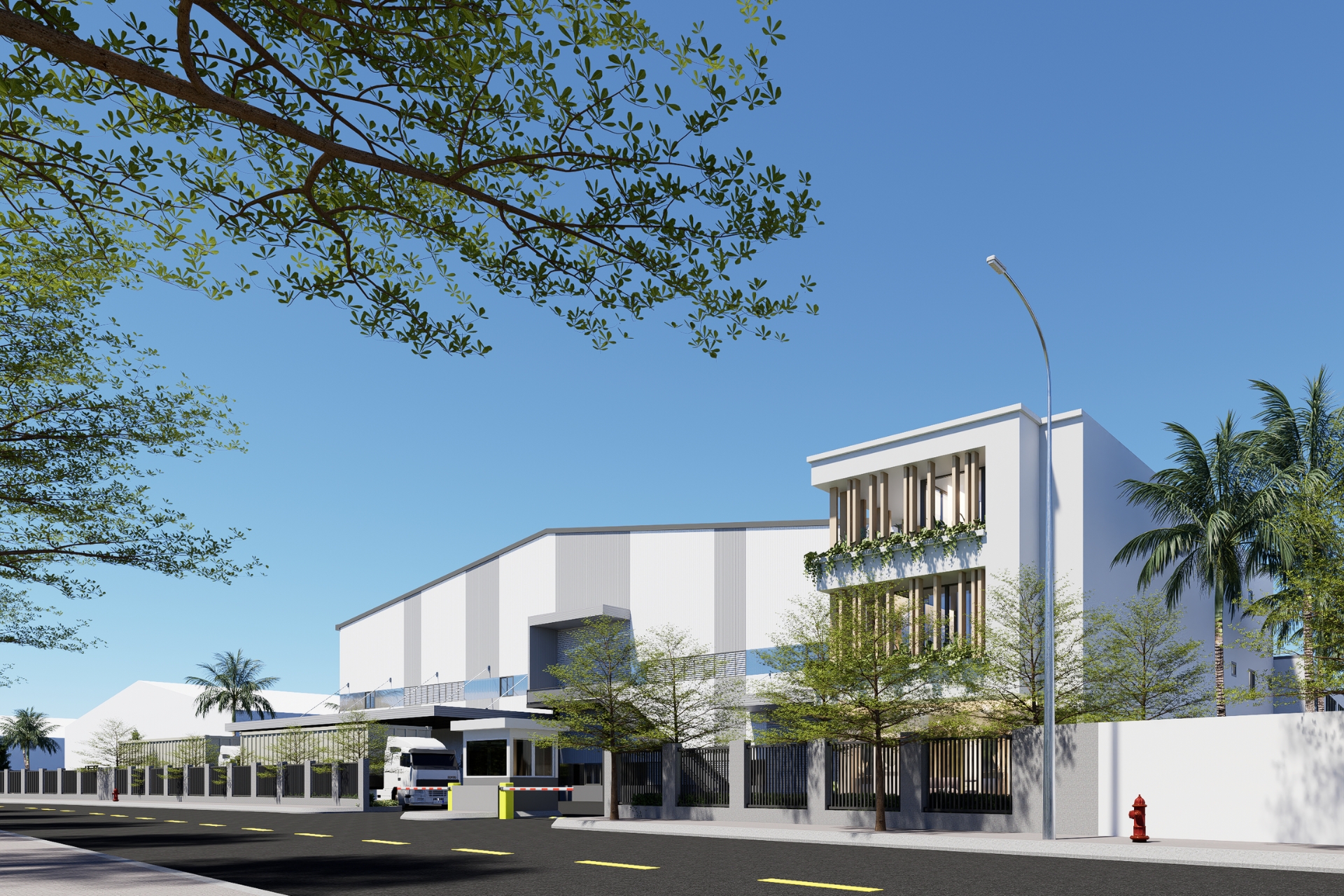 Types of factory office
Modular Office
This solution utilizes steel frames, sandwich panels, glass partitions, or other lightweight materials. The advantages of this model include lower costs, faster construction time, and easy future expansion. Therefore, modular offices are often suitable for newly established businesses or leased factories.
Mezzanine Office
This model utilizes the space above the production area to create office space. By taking advantage of existing space, businesses can save on land costs while optimizing functionality. However, the mezzanine structure must be carefully calculated in terms of load-bearing capacity and safety requirements, which can affect the investment budget.
Permanent Office Building
This type of office is constructed using reinforced concrete, offering a long service life and long-term usability. The initial investment cost is usually higher. In return, businesses gain a professional and durable workspace that is convenient for future functional expansion.
Structural System and Construction Solutions
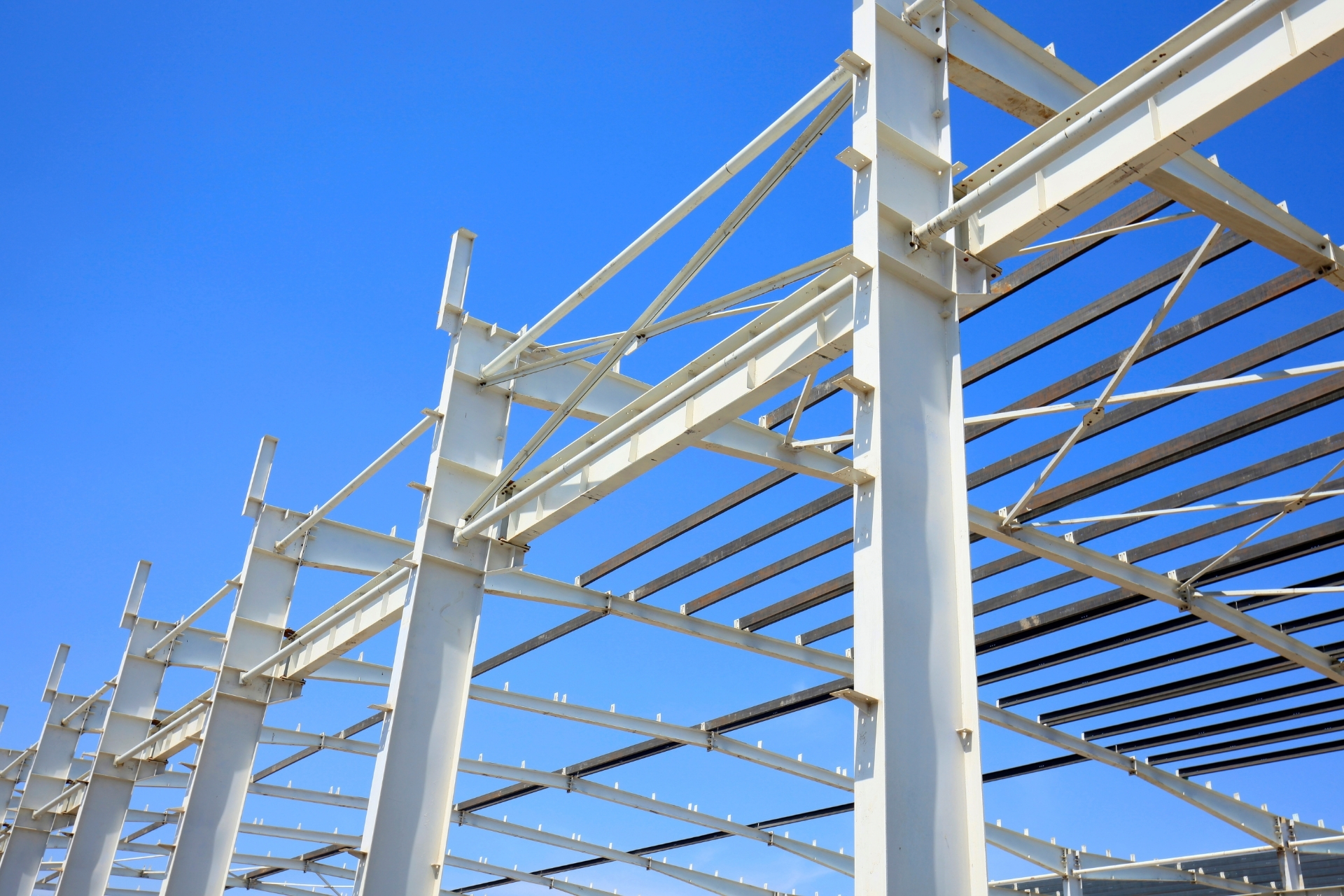
The building structure is an important factor determining construction costs. For small-scale projects, steel-frame structures are often selected because of their fast construction speed and cost efficiency.
Meanwhile, independent office buildings or multi-story offices typically use reinforced concrete structures to ensure durability and load-bearing capacity.
In addition, special structural solutions such as offices combined with showrooms, training areas, or large meeting rooms can further increase the investment budget.
Therefore, businesses should select solutions that match their actual needs rather than investing beyond what is necessary.
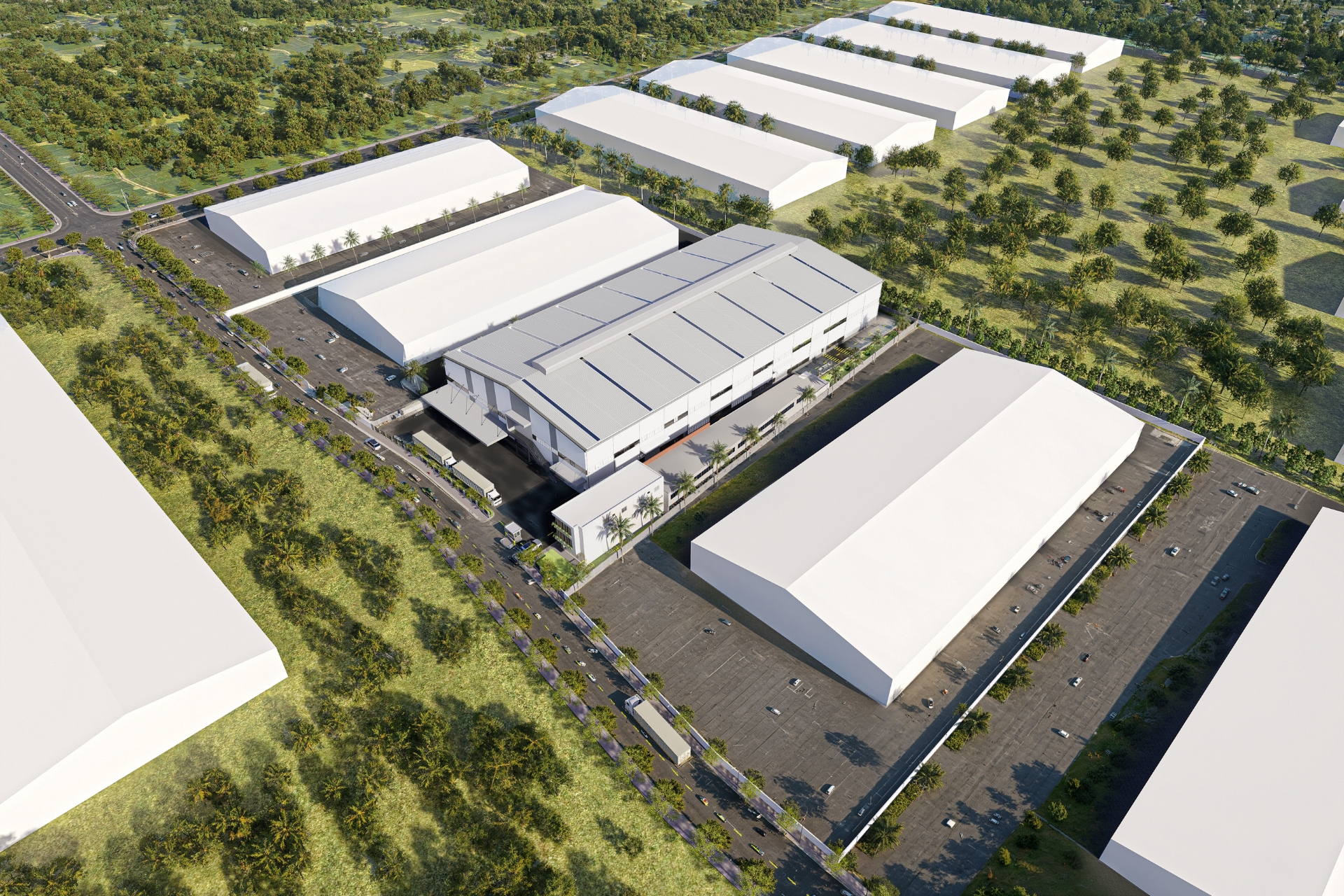 Structural System and Construction Solutions
Finishing Materials
After the structural system, materials are among the factors that have the greatest impact on construction costs. Today, investors have many options for finishing materials.
For partitions, businesses may choose gypsum board, tempered glass, or insulated panels.
For flooring, popular options include ceramic tiles, porcelain tiles, wood-look vinyl flooring, or engineered wood flooring.
Similarly, door systems are available at various price levels, such as aluminum-glass doors, steel doors, or fire-rated doors.
Selecting premium materials enhances aesthetics and durability, but it also increases investment costs.
Interior Finishing Level
Not all offices require the same level of interior investment.
Some businesses only need a basic workspace equipped with desks, chairs, electrical systems, and lighting.
Meanwhile, many companies aim to create a modern working environment featuring meeting rooms, reception areas, pantries, and coordinated interior designs.
For factories that frequently host business partners or international clients, investing in interior design helps strengthen brand image.
As a result, the level of interior finishing can create significant budget differences among factory office projects.
MEP and Technical Systems
MEP systems (electrical, plumbing, air conditioning, ventilation, and fire protection) account for a substantial portion of office construction costs.
First are the electrical systems, including lighting, power outlets, internet networks, and data management systems.
Next is the air-conditioning system. Depending on the project scale, businesses can choose either split-type air conditioning systems or centralized HVAC systems.
For large office spaces, centralized air-conditioning systems offer higher operational efficiency. However, they also require significantly higher investment costs.
In addition, fire protection and firefighting systems are mandatory requirements for factory facilities. Compliance with all technical standards directly affects overall project costs.
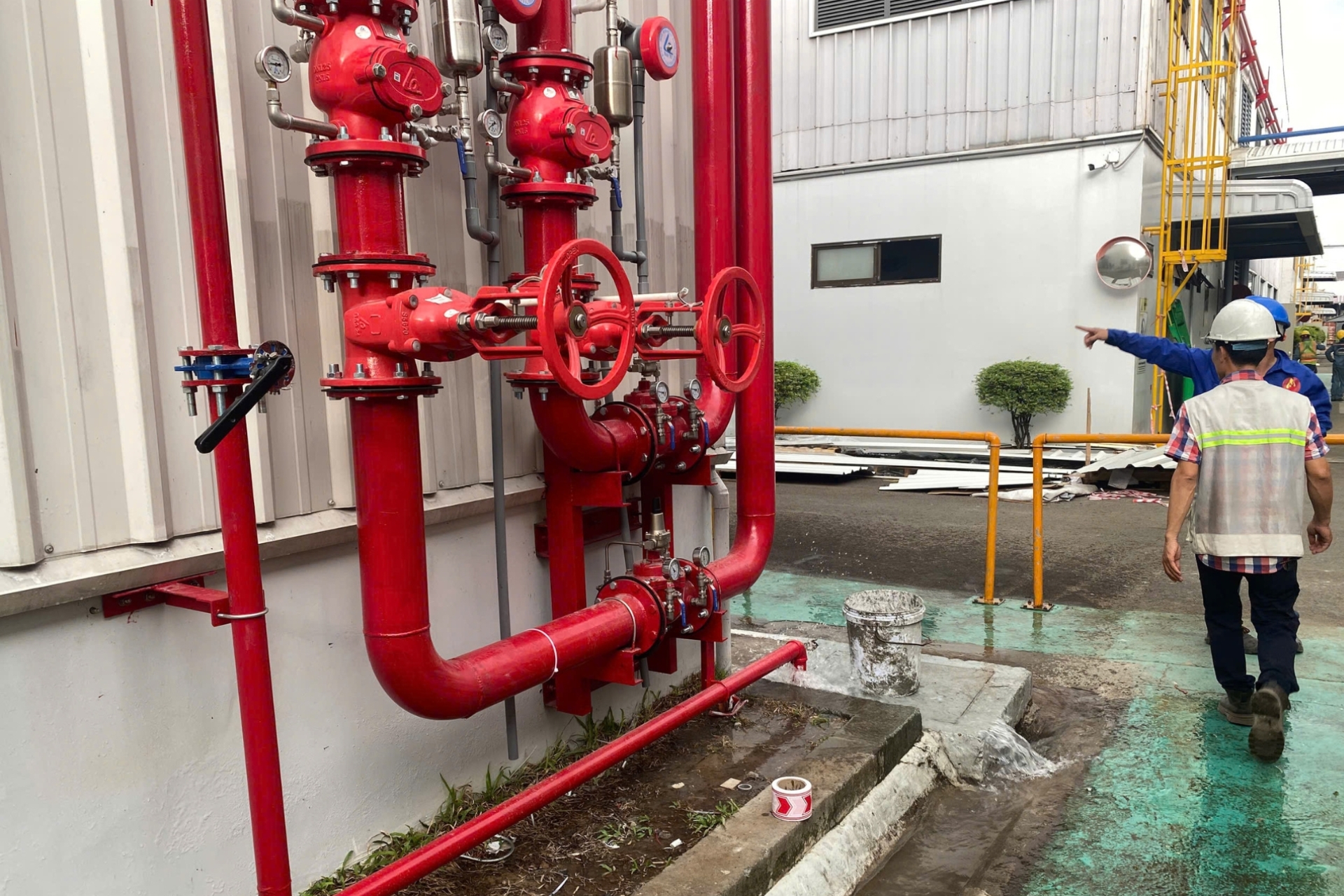 Fire Protection System for Factory Offices
Design and Aesthetic Requirements
Today, many businesses need more than just a functional office. They also want to build a professional corporate image through architectural design.
Trends such as open offices, green offices, brand-oriented design concepts, and the extensive use of glass and natural lighting are becoming increasingly popular.
However, these specialized design requirements often result in higher design and construction costs compared to standard office models.
Therefore, businesses should balance operational needs, brand image objectives, and investment budgets.
Selecting the Design and Construction Contractor
One factor that is often overlooked but has a major impact on the budget is the choice of design and construction contractor.
Experienced contractors can help businesses optimize solutions, minimize unexpected expenses, and control costs effectively.
Conversely, selecting an inexperienced contractor may lead to design errors, project delays, or costly repairs after the facility is put into operation.
TECO – A Trusted Factory Office Design and Construction Contractor in Ho Chi Minh City
With many years of experience in industrial design and construction, TECO has partnered with numerous businesses to build modern and optimized factory offices.
TECO’s architects and engineers carefully study real operational requirements to develop solutions that balance functionality, budget, and usability.
From modular offices and mezzanine offices to permanent office buildings, TECO provides turnkey services from design through complete construction.
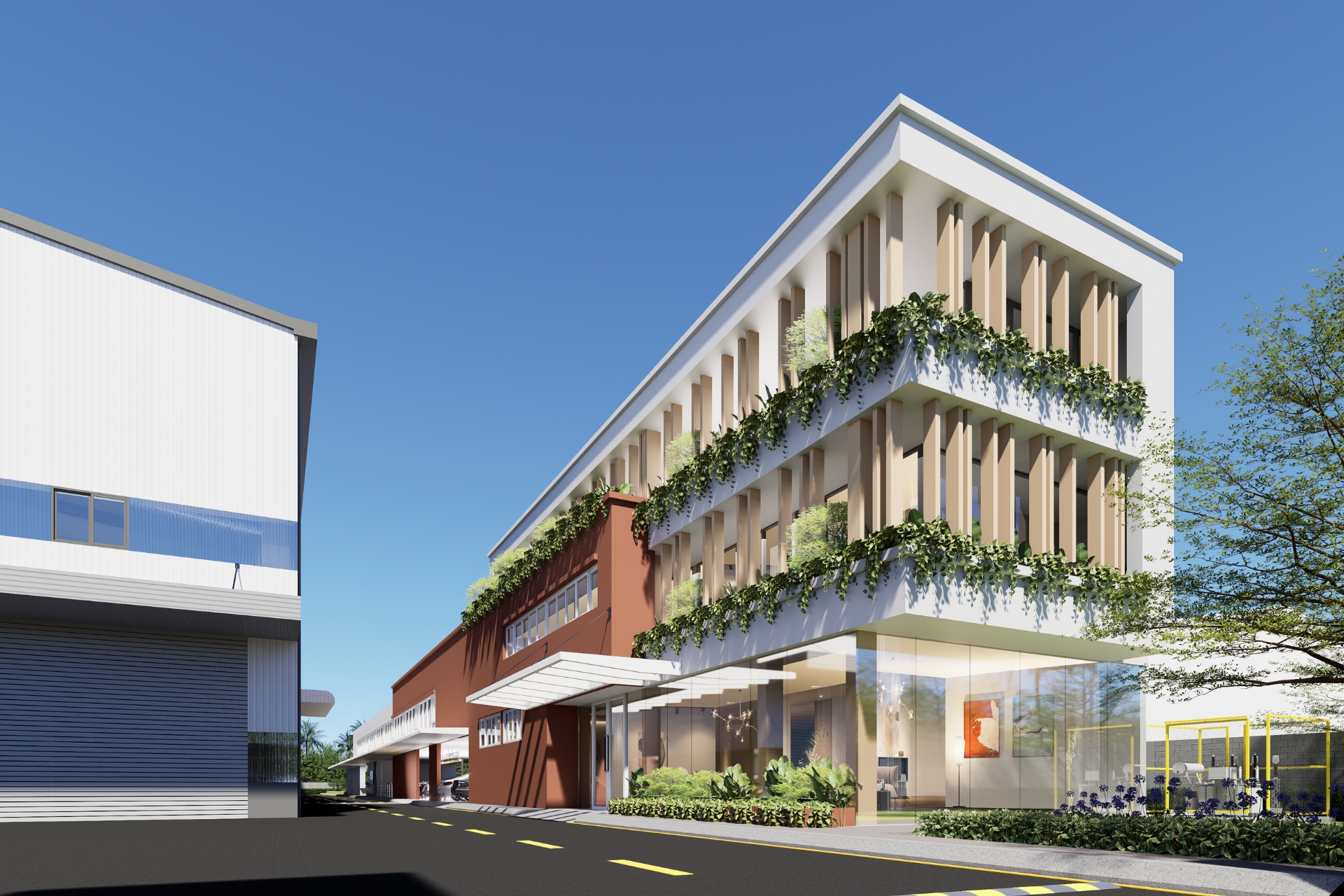 TECO – Factory Office Design and Construction Contractor
Conclusion
The budget for factory office design and construction is influenced by many factors, including office area, office type, structural system, finishing materials, technical systems, and interior investment level.
Understanding these factors helps businesses proactively plan and manage costs more effectively.
To build a factory office that meets operational requirements while optimizing investment costs, businesses should choose a design and construction contractor with practical experience in the industrial sector.
TECO is the trusted partner ready to accompany businesses throughout that journey.