7 Principles of International-Standard School Design – The Foundation for a Holistic Educational Environment
In the context of increasingly developing global education, the international school model is becoming a preferred choice for many parents in Vietnam. However, to build a truly international-standard educational environment, curriculum alone is not enough. The core factor lies in international-standard school design – where space becomes part of the learning experience.
So, what is international-standard school design? And what are the key principles to create a truly distinctive learning environment? Let’s explore in detail with TECO in the article below.
What is international-standard school design?
International-standard school design is not simply about constructing a visually appealing or modern building. It is the process of creating a comprehensive educational ecosystem, where architecture, functionality, technology, and user experience are tightly integrated.
A school that meets international standards must simultaneously satisfy multiple criteria:
- Optimize the experience of students and teachers
- Support diverse modern teaching methods
- Ensure safety and efficient operation
- Be environmentally friendly and sustainable in the long term
In other words, design is not just the “outer shell” but the foundation that enhances educational quality and positions the school’s brand.
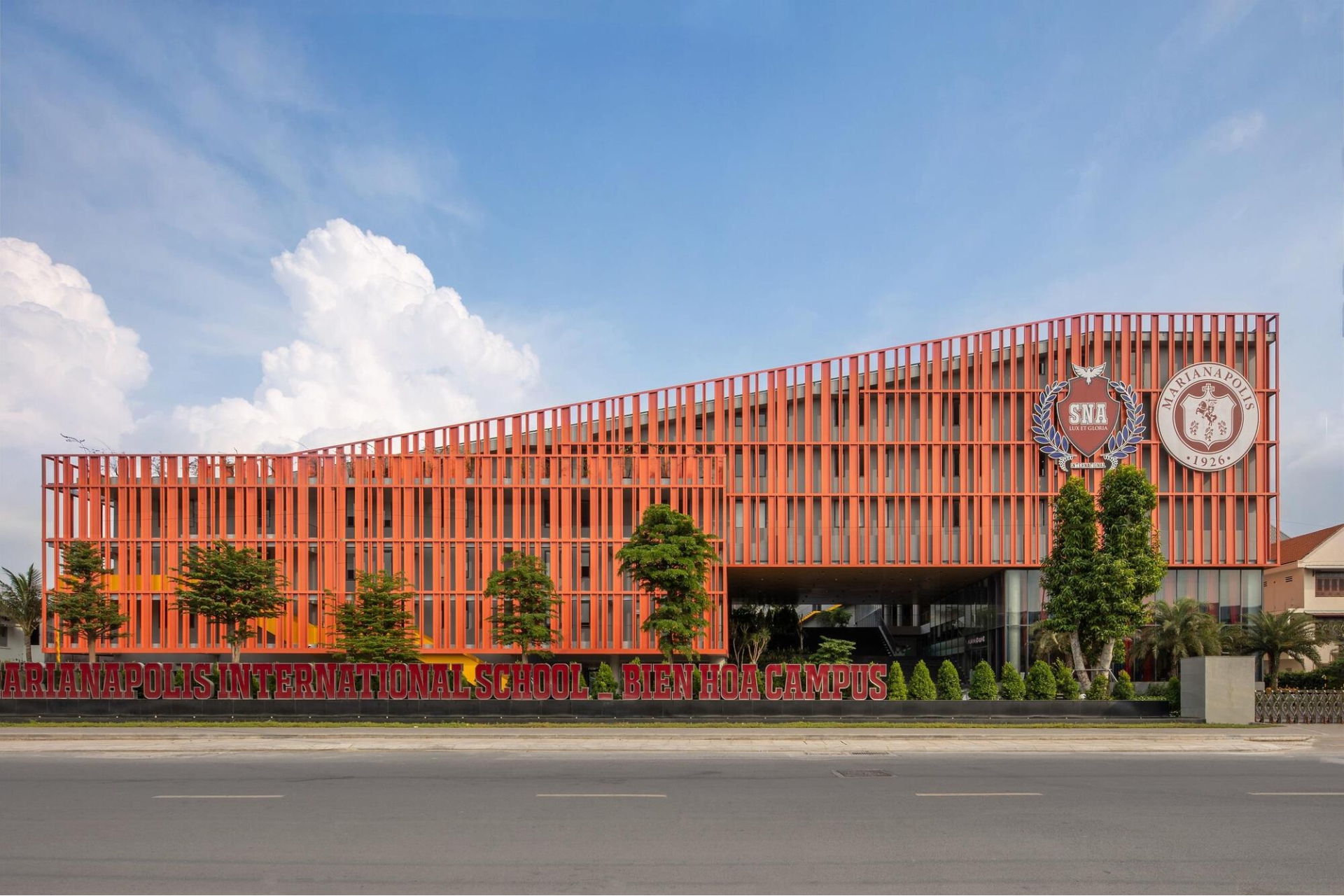 Concept of international-standard school design
7 principles of international-standard school design
To realize an international-standard school model, design and construction units need to follow the 7 core principles below:
Principle 1: Student-Centered Design
In modern educational models, students are no longer passive recipients of knowledge but the center of the entire learning experience. Therefore, school design needs to revolve around the question: How does this space serve student learning?
Common solutions include:
- Open classrooms that increase interaction
- Group study and discussion areas
- Flexible spaces suitable for multiple activities
A well-designed environment can stimulate creative thinking, enhance collaboration, and help students become more proactive in learning.
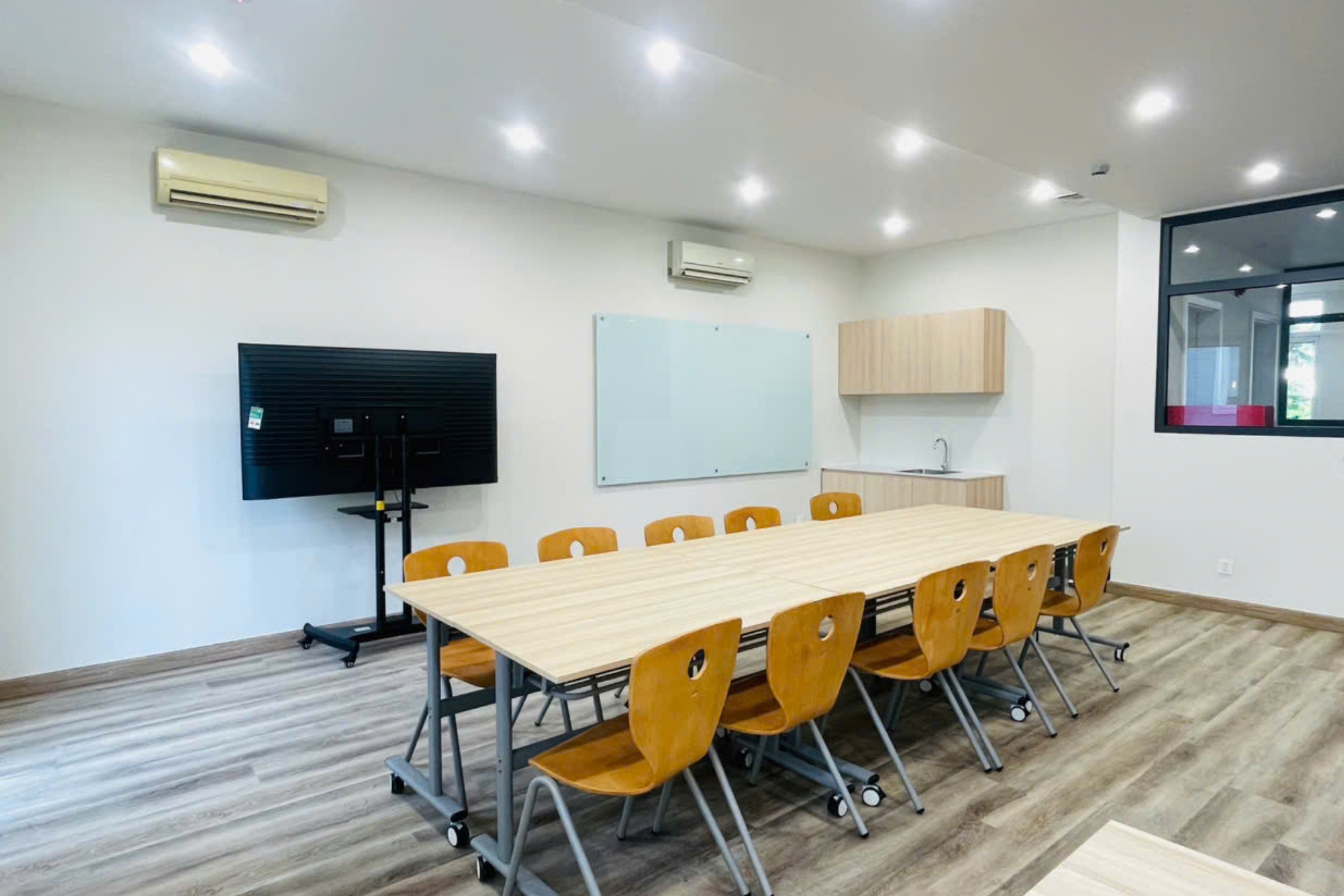
Principle 2: Optimize functionality and spatial flexibility
One of the key characteristics of international-standard school design is the ability to adapt to various teaching methods.
Instead of fixed classrooms, modern models prioritize:
- Multi-functional spaces
- Flexible furniture (movable, reconfigurable)
- The ability to quickly switch between individual learning – group work – presentations
This not only optimizes space usage but also ensures that the school can be easily upgraded in the future without major renovations.
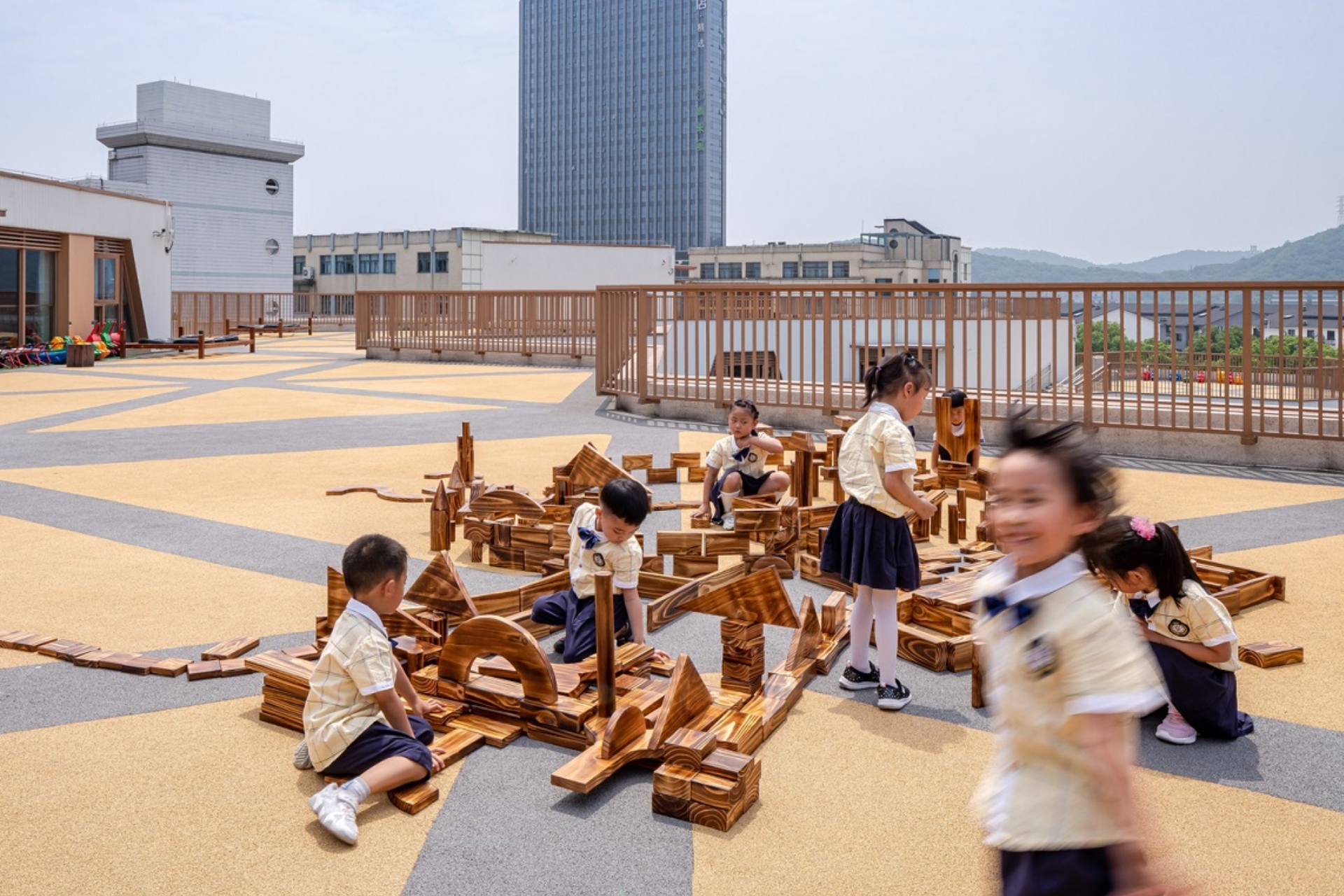 Optimize functionality and spatial flexibility
Principle 3: Ensure safety standards and operation
Safety is a non-negotiable factor in school design.
An international-standard facility must ensure:
- Standard-compliant fire protection and prevention systems
- Clear and accessible emergency exits
- Rational traffic flow separation (students – parents – teachers)
- Strict security control
In addition, operational factors must be calculated from the design stage, helping schools save costs and avoid issues during usage.
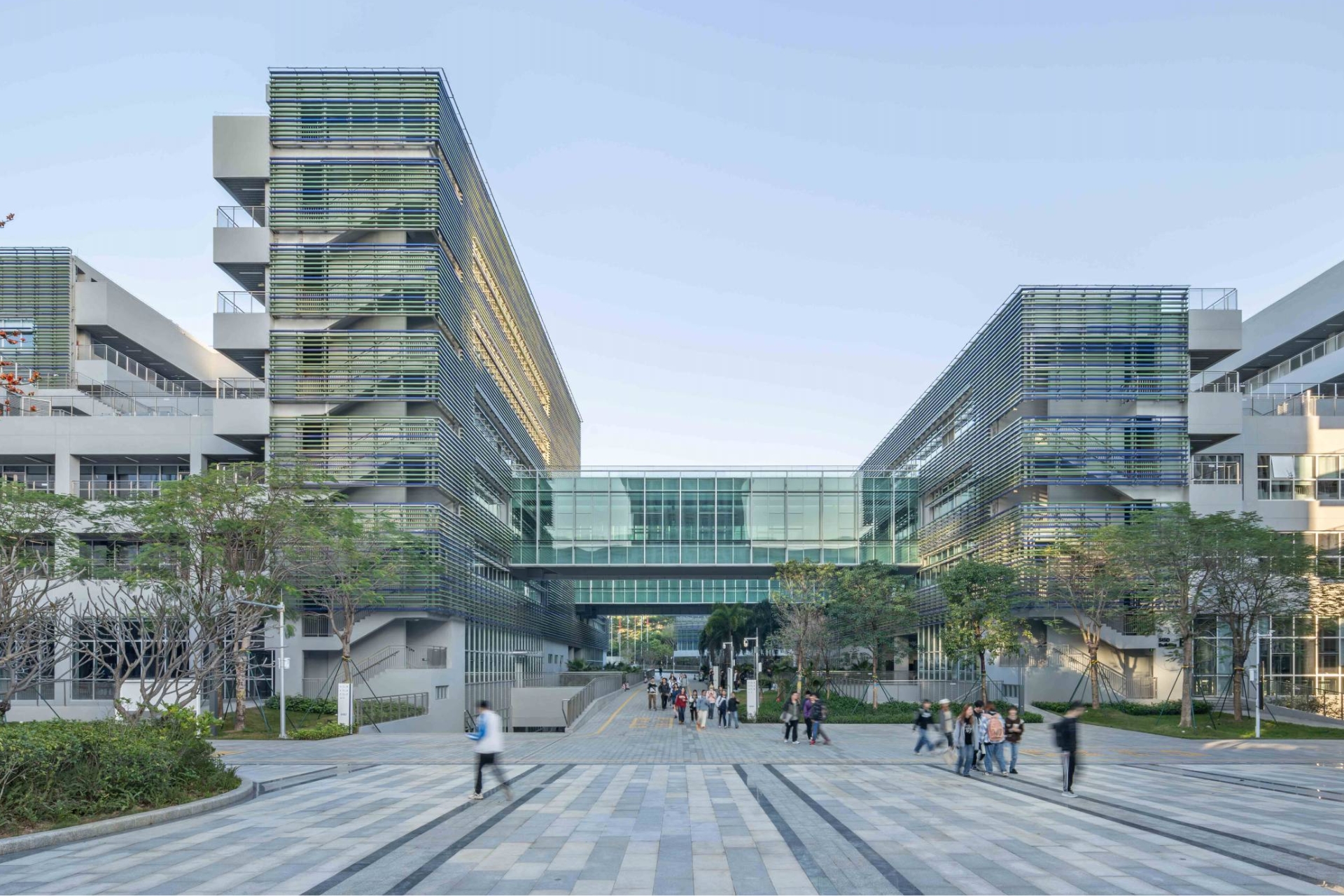 Ensure safety and operation
Principle 4: Integrate technology into design
In the digital age, technology is no longer a supporting factor but has become the “backbone” of modern education.
International-standard school design needs to integrate:
- Smart classrooms with interactive screens
- Standardized sound and lighting systems
- Technology infrastructure (wifi, servers, learning management systems)
- Spaces supporting hybrid learning (online – offline)
Integrating technology from the beginning helps optimize investment costs and ensure synchronization in operation.
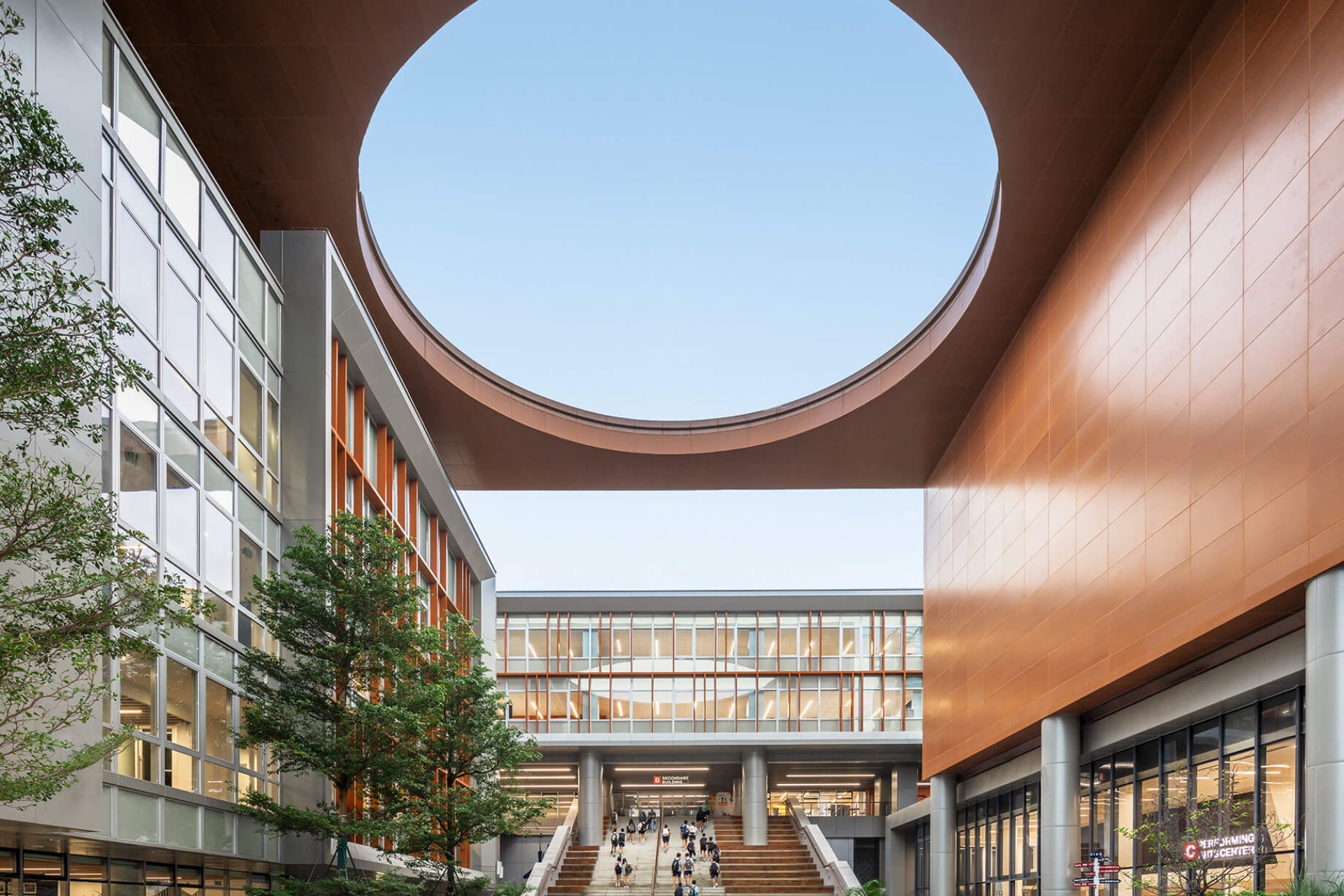
Principle 5: Green and sustainable design
Green design trends are becoming a standard in international schools.
Key factors to focus on include:
- Maximizing natural light
- Natural ventilation
- Using environmentally friendly materials
- Integrating greenery and open spaces
Not only does it help reduce operational costs, but green design also brings direct benefits to students’ physical and mental health.
Green and sustainable design
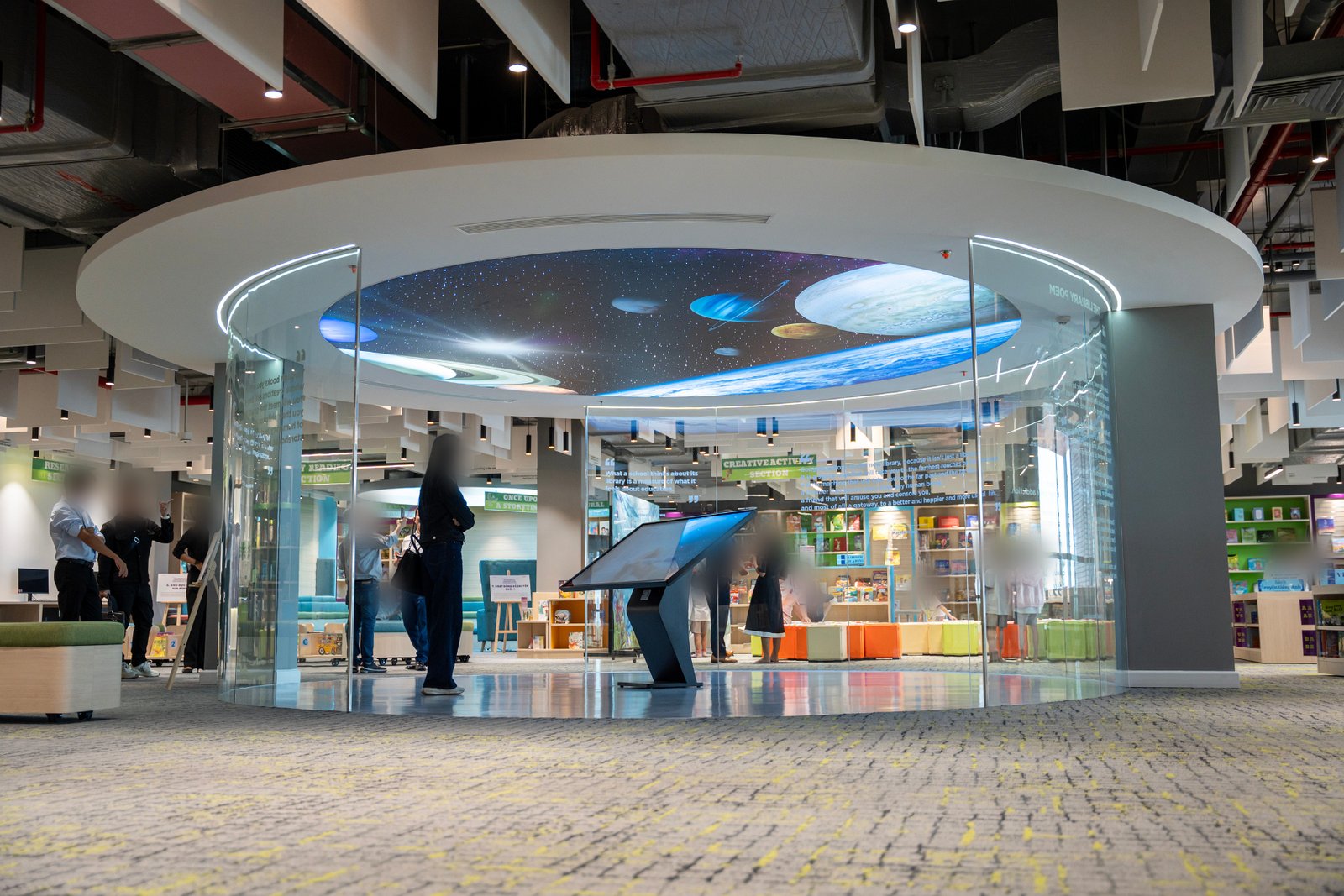
Principle 6: Create an inspiring learning environment
Learning spaces have a strong impact on students’ emotions and behaviors.
A well-designed school will:
- Use colors and lighting appropriately
- Create special spaces such as open libraries, maker spaces, art areas
- Connect indoor and outdoor spaces
These factors contribute to turning learning into an enjoyable experience instead of pressure.
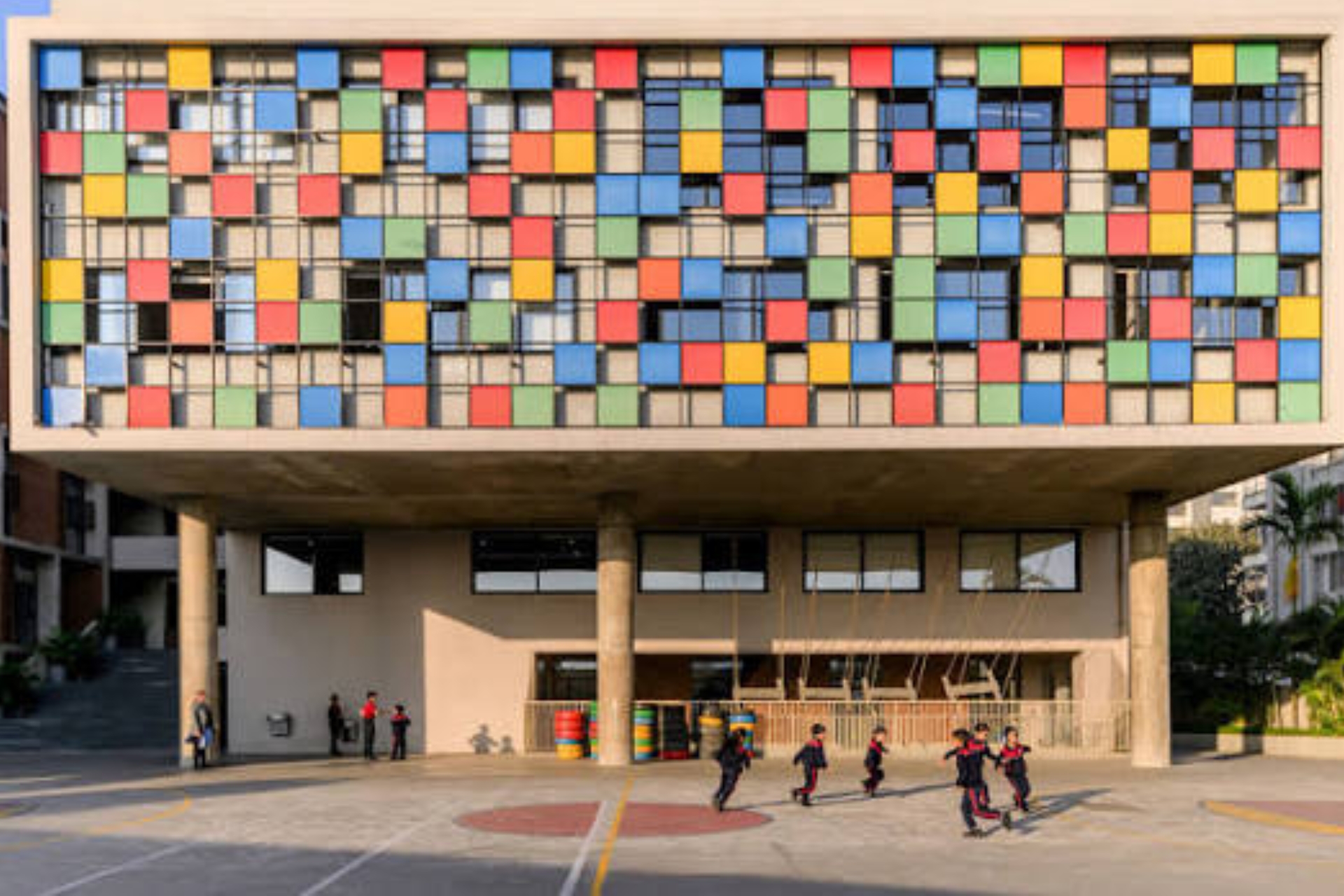
Principle 7: Alignment between design and brand positioning
Each international school has its own educational philosophy, and design is the tool to convey that philosophy visually.
For example:
- STEM-oriented schools → modern, high-tech design
- Creativity-focused schools → open, artistic spaces
- Wellness-oriented schools → prioritize nature and light
The alignment between design and brand not only enhances the student experience but also creates a competitive advantage in the market.
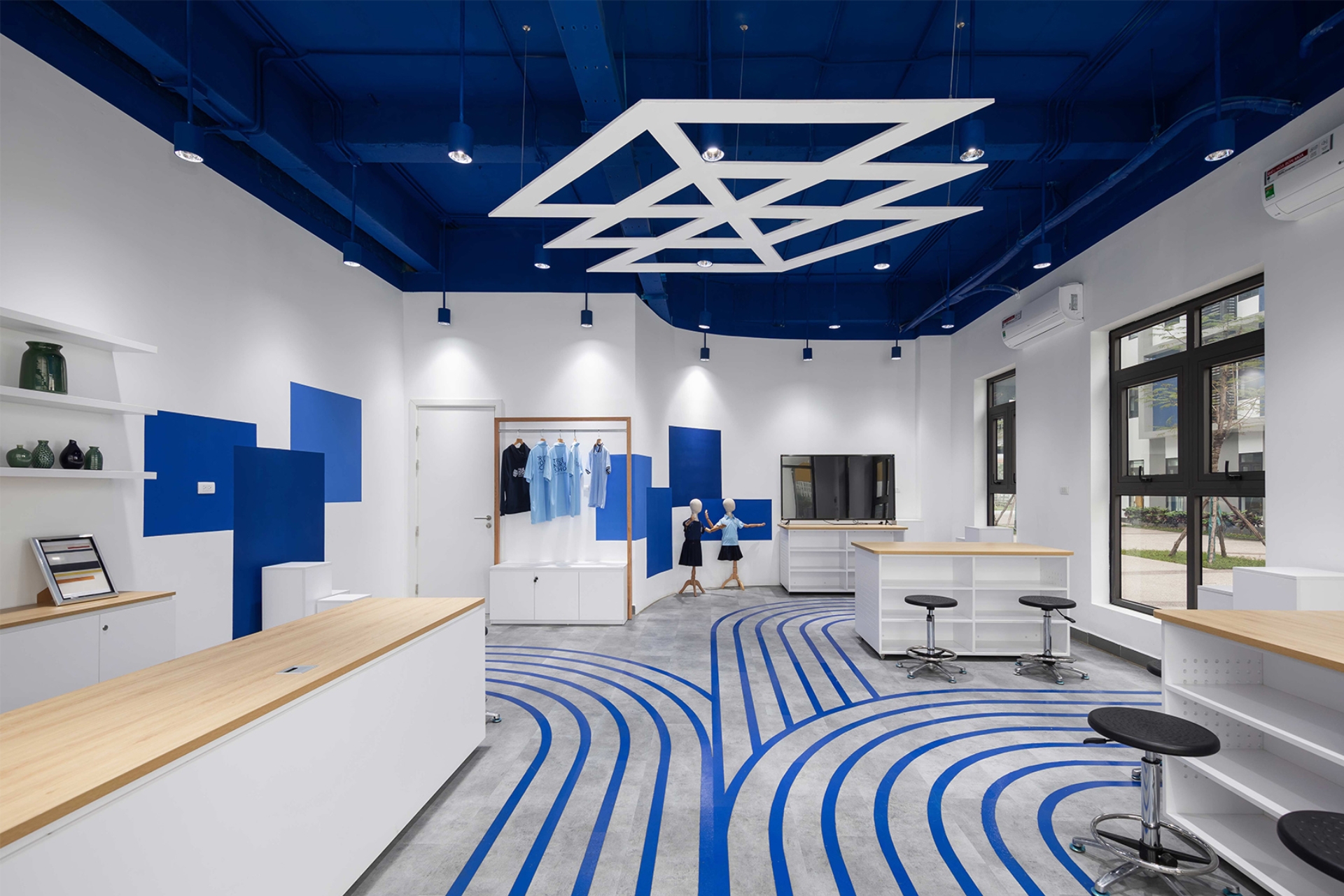 Alignment between design and brand positioning
Common mistakes in international school design
Despite strong development demand, many projects still make regrettable mistakes:
- Focusing only on appearance
Beautiful design but not optimized for functionality, leading to operational difficulties. - Copying foreign models
Not suitable for Vietnam’s climate, culture, and usage behavior. - Lack of long-term operational thinking
No calculation for maintenance and upgrade costs. - No provision for expansion
Causing difficulties when student scale increases.
These mistakes not only affect the learning experience but also increase long-term investment costs.
Conclusion
International-standard school design is not merely an architectural story, but a long-term strategy closely tied to educational quality and school branding.
The 7 principles above are the foundation for creating a comprehensive learning environment – where students not only acquire knowledge but also develop holistically in thinking, emotions, and skills.
In a world where education is constantly changing, the question is: Is the school you are building truly a place that nurtures the future, or just a teaching space? TECO hopes that through this article, it has provided a detailed overview of the most essential principles of international school design
Related services: International school & kindergarten design & build · After-handover maintenance – TECO MSC