Top 7 International School Design Trends for 2026
In the ever-evolving landscape of education, an international school is no longer merely a place for delivering knowledge. It has become an environment that nurtures creativity, essential skills, and the holistic development of students. As a result, school design is undergoing a significant transformation to meet the changing demands of modern education.
In 2026, several design trends are expected to become the benchmark for international school projects. Learning environments will prioritize flexibility, sustainability, safety, and student-centered experiences. Join TECO as we explore the most prominent trends shaping the future of educational design.
International school design trends for 2026 are taking center stage.
Why Do International Schools Need to Keep Up with New Design Trends?
Meeting Modern Educational Approaches
Educational programs such as Cambridge, IB, and bilingual curricula emphasize active learning. Students are encouraged not only to absorb knowledge but also to conduct research, engage in discussions, and solve real-world problems.
This requires international schools to provide flexible learning environments that support a variety of teaching and learning methods.
Enhancing the Learning Experience
The learning environment has a direct impact on students’ ability to absorb knowledge and on their emotional well-being.
A scientifically planned school helps students stay focused, encourages interaction, and supports their overall physical and mental development.
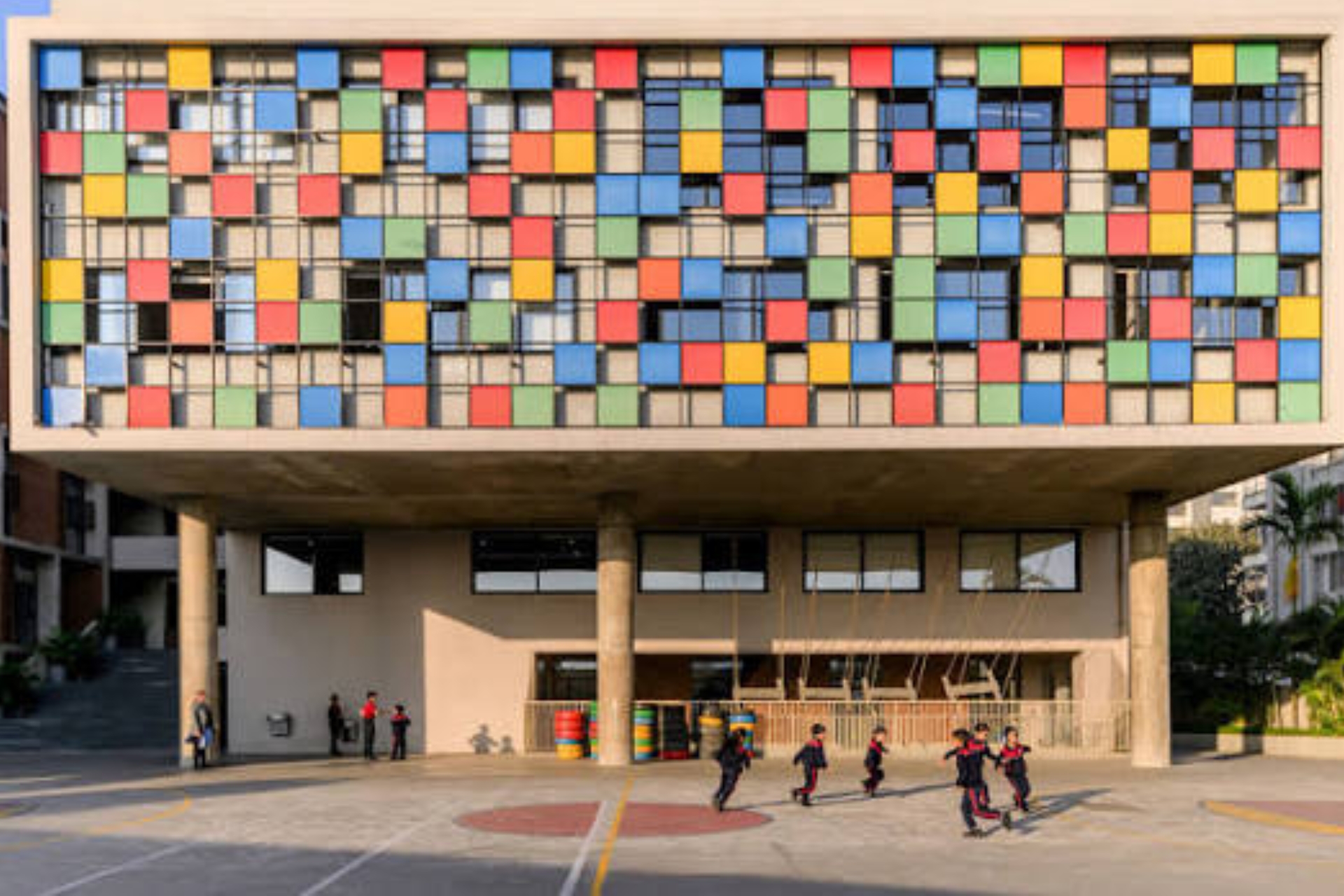
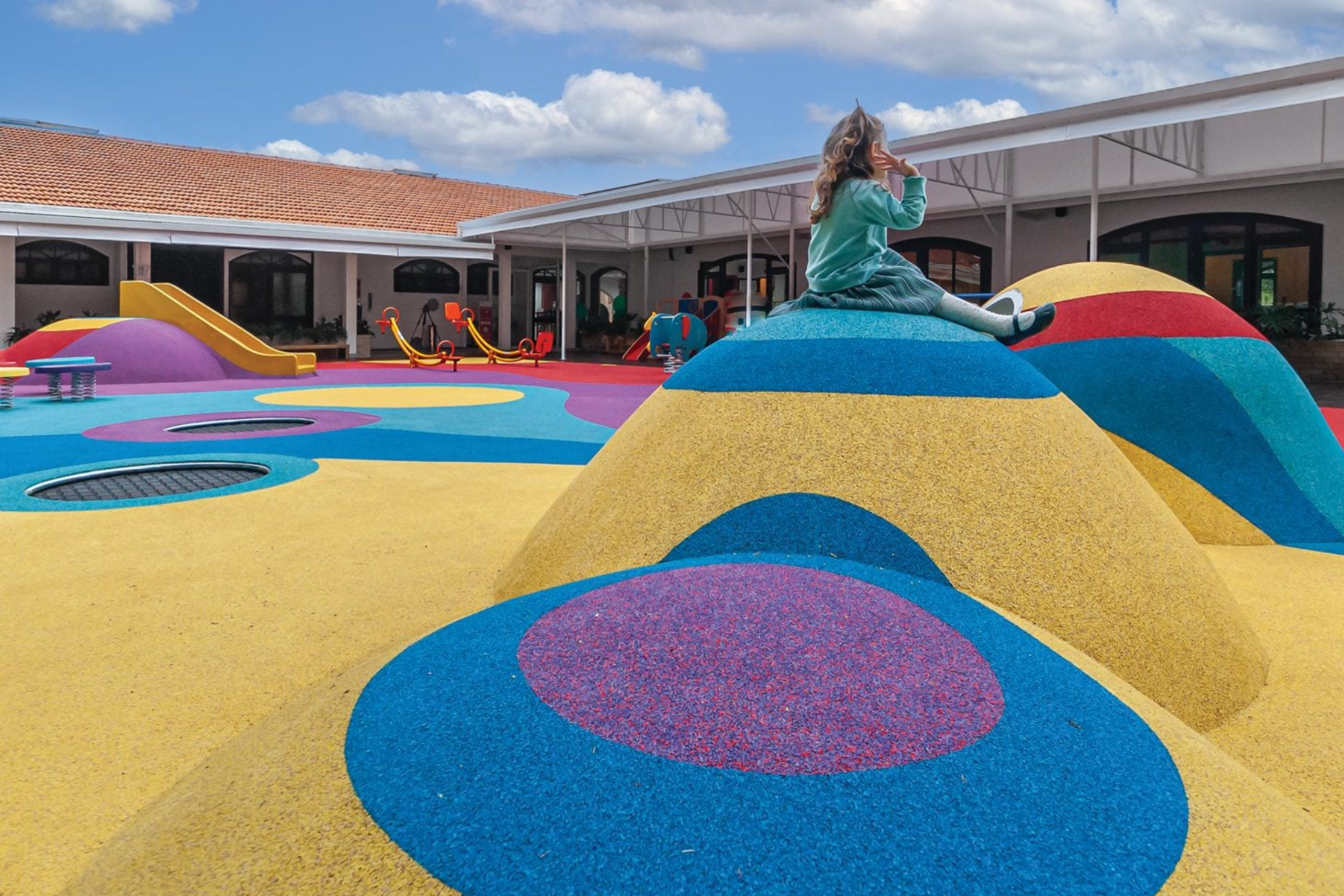 Enhancing students’ learning experience.
Increasing School Value
Modern facilities are among the key factors parents consider when evaluating the quality of a school.
A well-designed international school not only strengthens its brand image but also creates a competitive advantage in student recruitment and long-term development.
7 International School Design Trends for 2026
1. Nature-Inspired Design
Bringing nature into learning spaces has become one of the most prominent trends.
Architects prioritize courtyards, skylights, large glass windows, and green spaces to strengthen the connection between students and the natural environment. Natural materials such as wood and stone, along with earth-tone color palettes, are also increasingly incorporated.
Green spaces help reduce stress, improve concentration, and create a more positive learning environment. At the same time, maximizing natural lighting and ventilation contributes to energy efficiency and enhances indoor air quality.
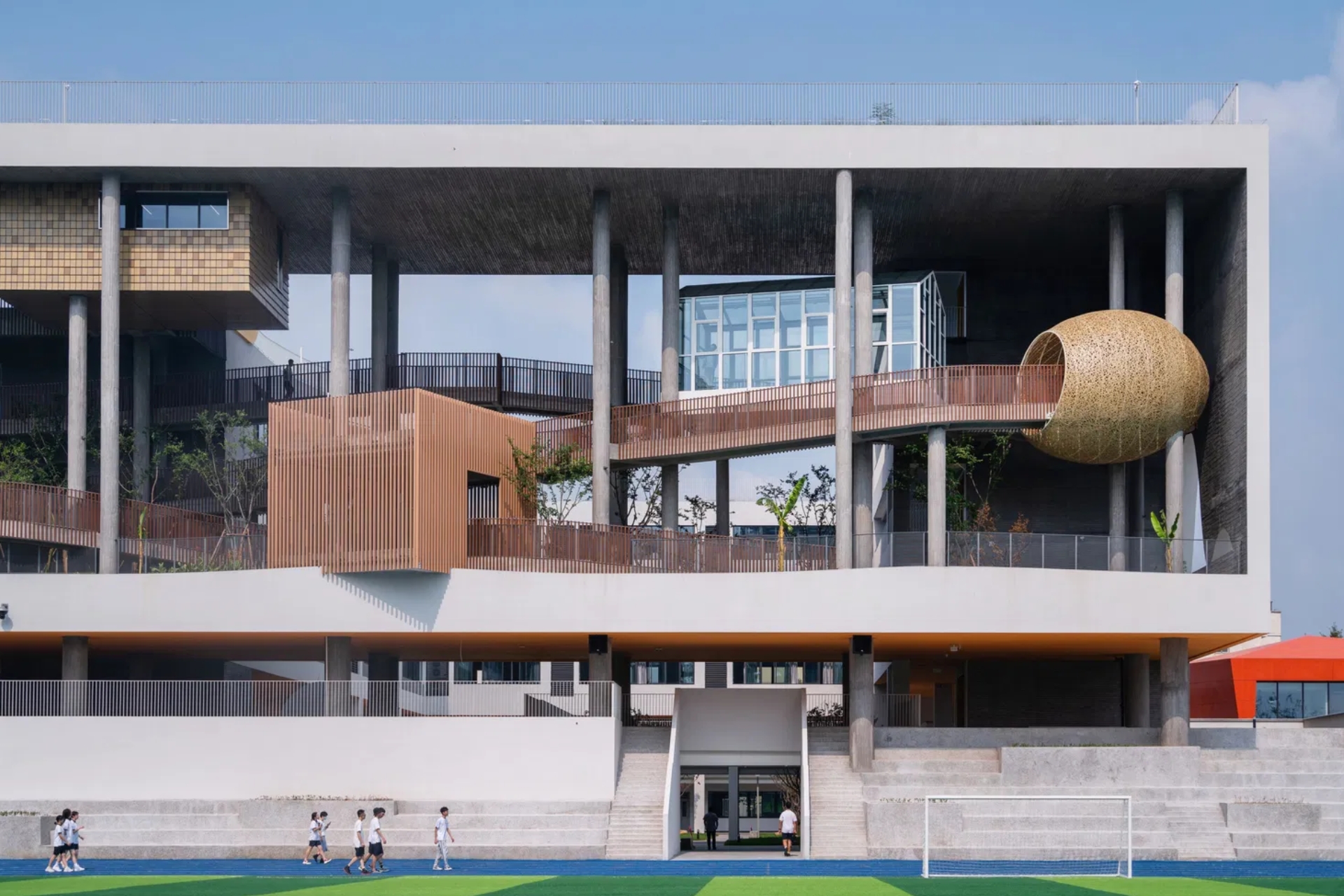
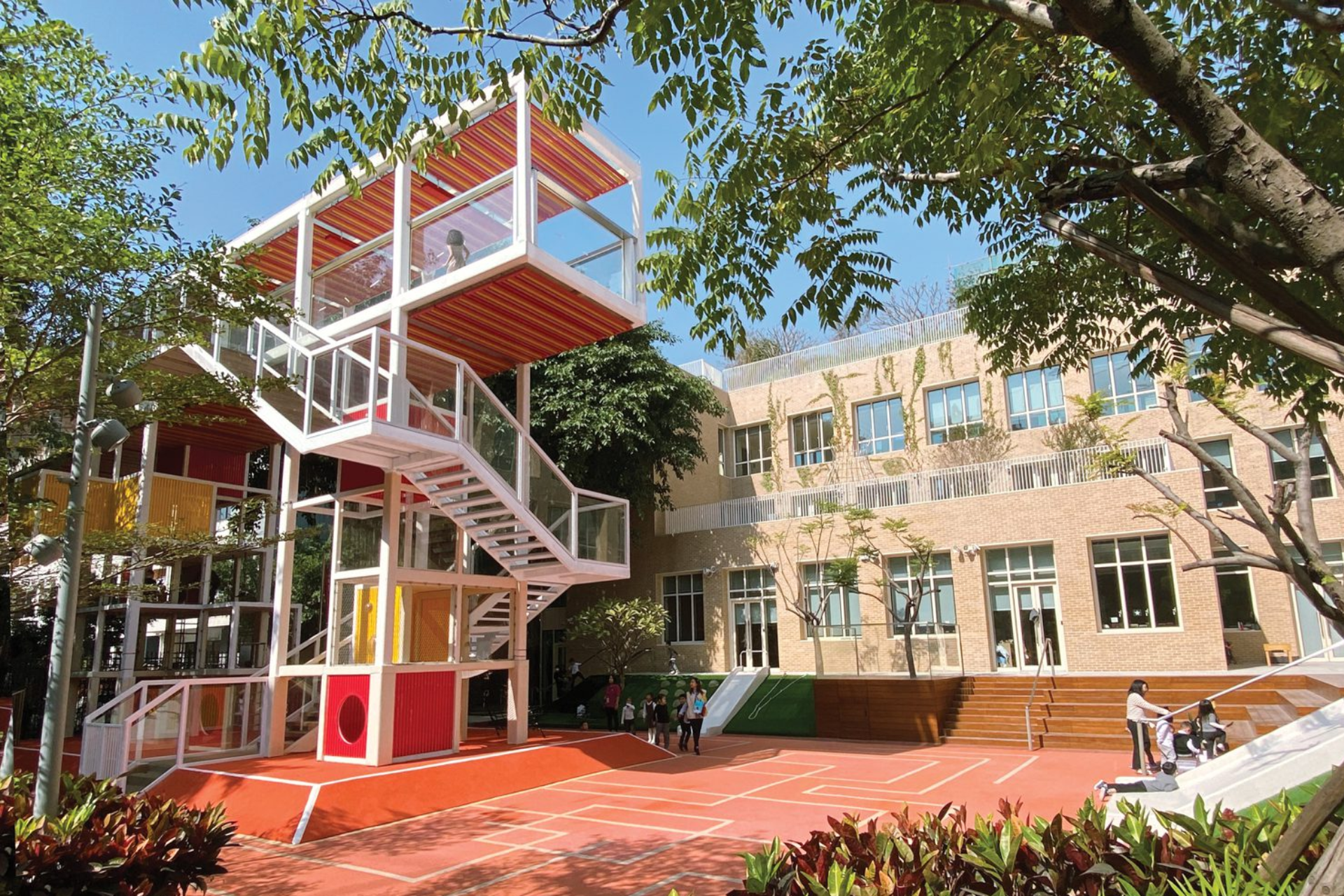 Nature-inspired design.
2. Prioritizing Student Health and Well-Being
Modern education focuses not only on academic achievement but also on students’ physical and mental health.
Many international schools now invest in activity zones, outdoor playgrounds, relaxation areas, and counseling rooms. These facilities help students relieve stress, regulate their emotions, and achieve well-rounded development.
In addition, lighting systems, ventilation, and indoor air quality are carefully planned to ensure a comfortable learning environment throughout the day.
3. Green Design for Sustainable Development
Green architecture is becoming a standard in many international school projects.
Solutions such as environmentally friendly materials, solar energy systems, rainwater harvesting, and energy-efficient equipment are increasingly adopted.
Beyond environmental benefits, sustainable design reduces long-term operating and maintenance costs. It also helps schools educate students about environmental responsibility from an early age.
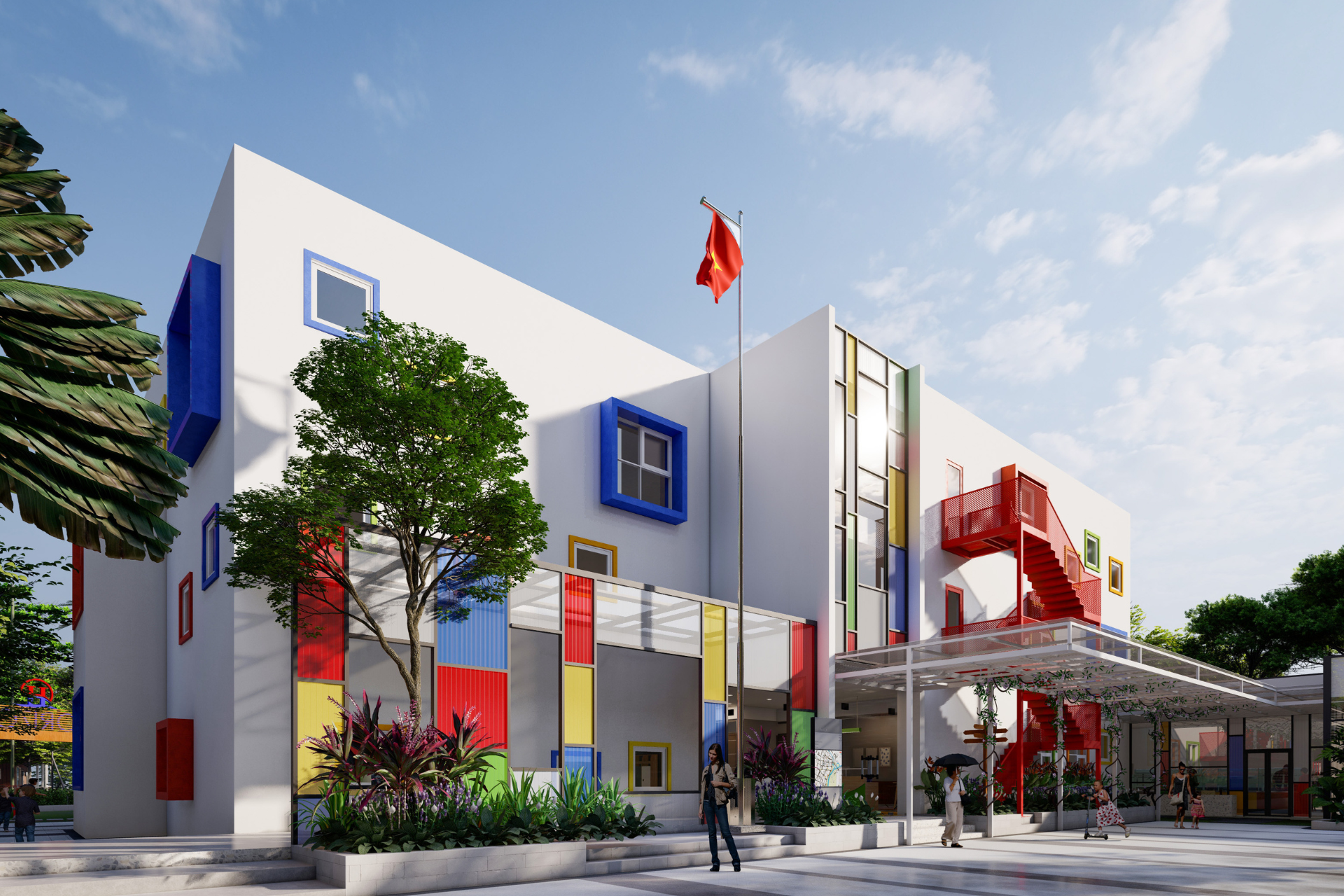
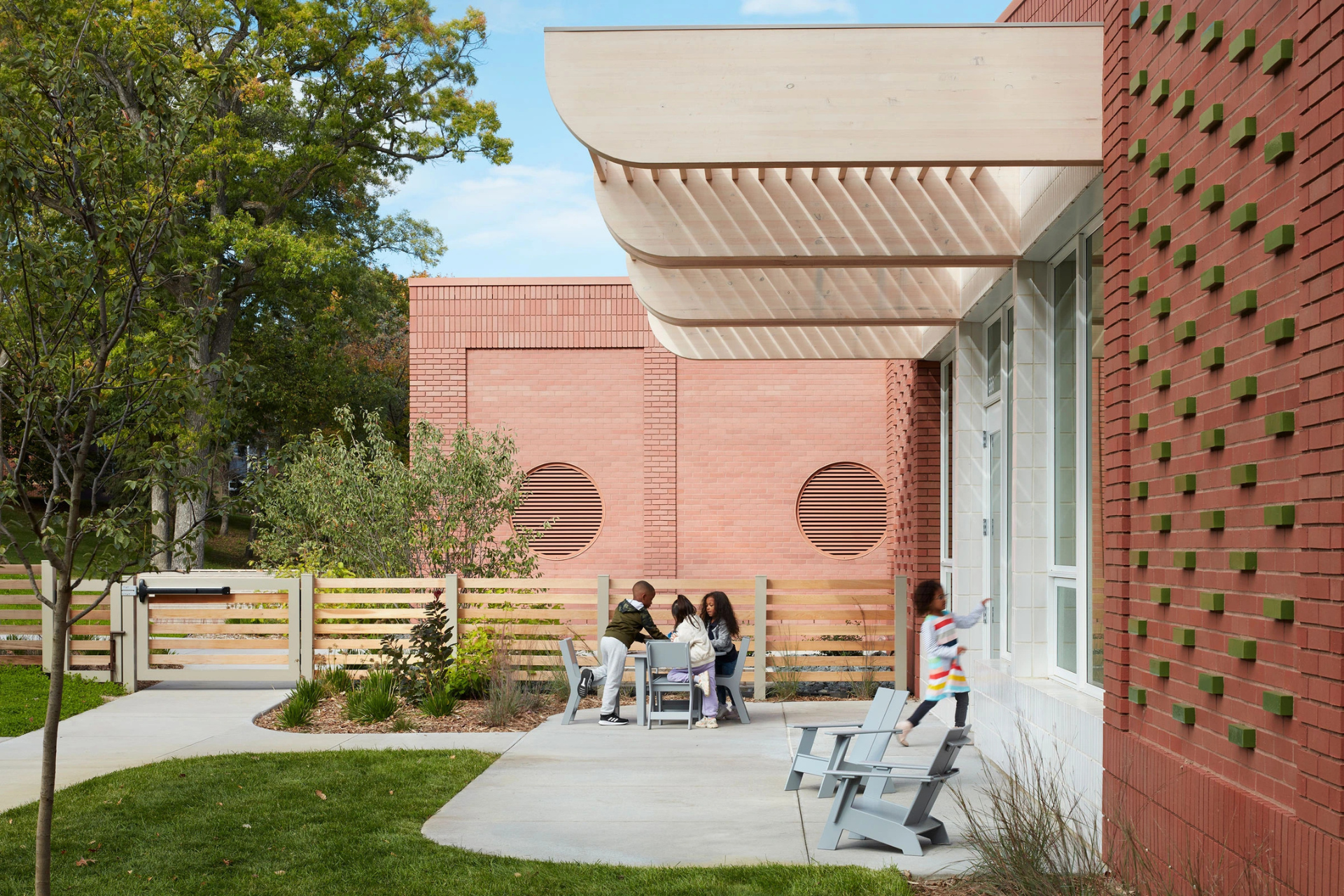 Green design for sustainable development.
4. Comprehensive Safety and Security
Safety remains the highest priority in international school design.
Internal traffic circulation is clearly separated for students, parents, and service vehicles to minimize risks.
In addition, buildings must fully comply with fire safety regulations, emergency exit standards, surveillance systems, and access control requirements.
For interior spaces, rounded furniture edges, safe materials, and slip-resistant flooring help reduce the risk of accidents during daily use.
5. Flexible and Active Learning Spaces
Traditional classrooms are gradually being replaced by flexible learning environments.
Modular furniture, movable partitions, and lightweight furnishings allow teachers to easily reconfigure classrooms for different activities.
Beyond classrooms, many international schools are developing collaborative learning areas, makerspaces, open libraries, and research zones to encourage independent exploration.
This design approach enhances collaboration, creativity, and problem-solving skills.
6. Technology Integration and Innovation
Technology is transforming how international schools operate.
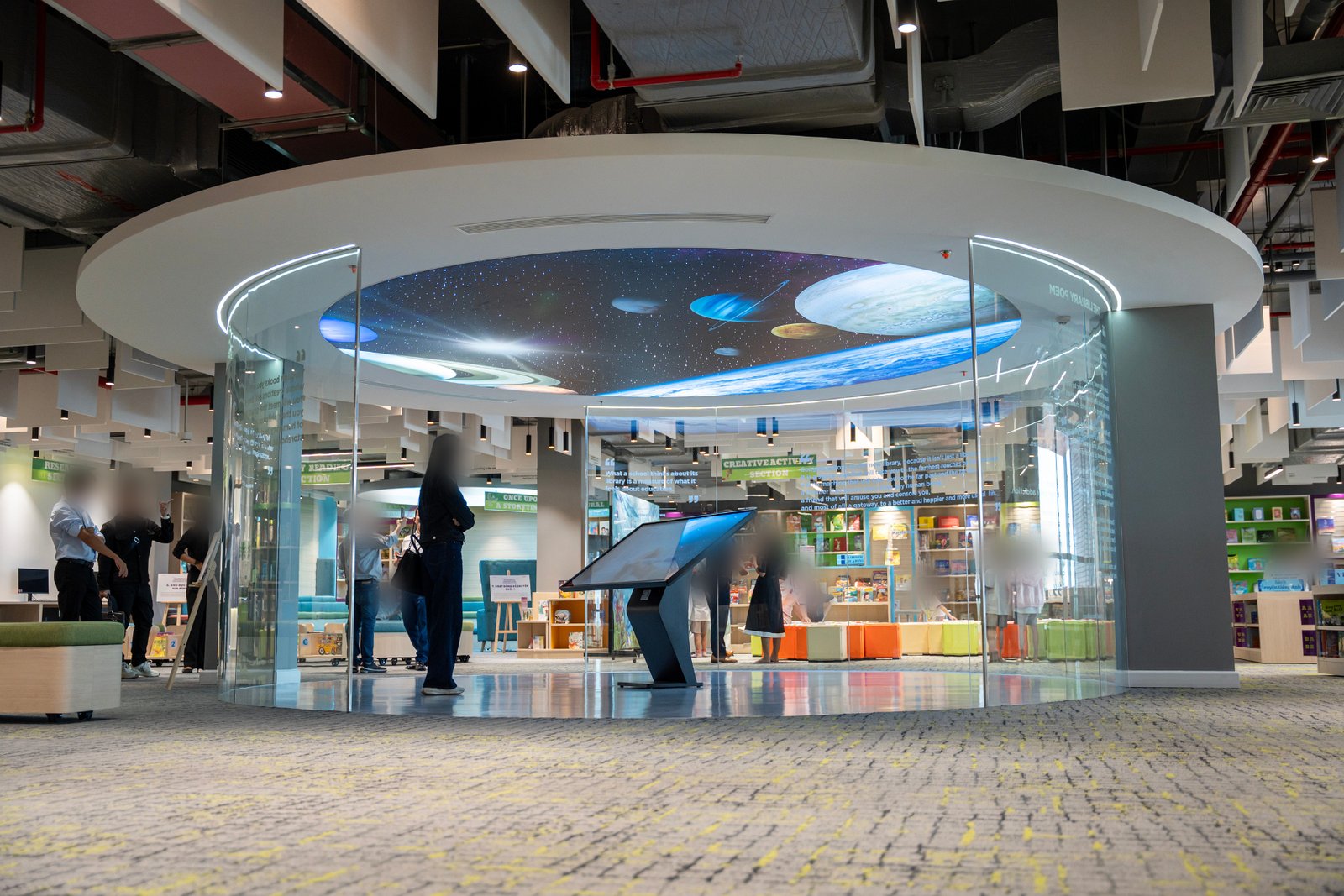
Many campuses now feature smart classrooms equipped with interactive displays, digital whiteboards, digital libraries, and online learning management systems.
In addition, QR codes, RFID technology, and artificial intelligence (AI) are increasingly used for library management, attendance tracking, and operational efficiency.
Technology integration not only improves teaching effectiveness but also creates a modern and engaging learning experience for students.
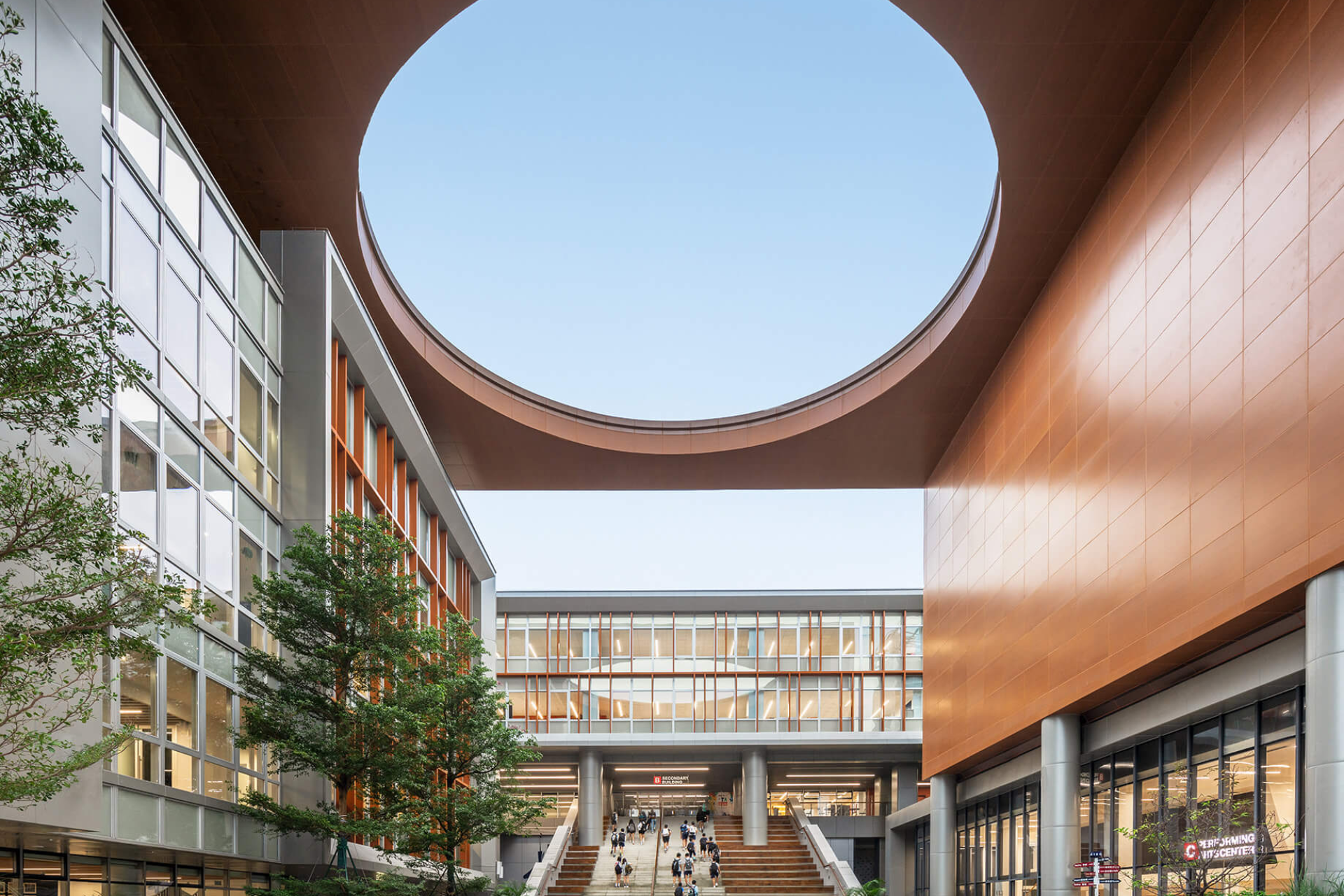 Technology integration and innovation.
7. Creating Inspiring Learning Environments
An inspiring learning environment fosters students’ passion for learning.
Today’s international schools focus on positive color schemes, creative interior design, and experiential spaces such as STEM labs, art studios, exhibition areas, and reading corners.
Open, welcoming, and interactive environments empower students to develop creativity, express themselves confidently, and build stronger connections within the school community.
Key Considerations When Designing International Schools Based on Emerging Trends
To maximize effectiveness, international school design should align with each institution’s educational philosophy and long-term development strategy.
Functionality must always come first. Spaces should facilitate teaching, learning, and school management while remaining adaptable to future expansion as student enrollment grows.
In addition, architecture, interior design, landscape, and technology should be integrated into a cohesive system to create a modern, sustainable, and unified educational environment.
Why Choose TECO for International School Design and Construction?
TECO has many years of experience in designing and constructing educational facilities.
We have successfully delivered numerous landmark projects, including Horizon International Bilingual School, the EMASI Plus Waterpoint International Bilingual School Library, and many modern educational centers.
TECO provides comprehensive turnkey solutions, including master planning, architectural design, interior design, library design, construction, and project management.
Our architects continuously update the latest educational design trends to create international schools that are modern, innovative, and highly functional. Every project is carefully managed in terms of quality, budget, and schedule, providing clients with complete confidence throughout the entire implementation process.
Conclusion
The international school design trends of 2026 go beyond aesthetics. They focus on creating learning environments that are green, safe, flexible, and inspiring. From nature-inspired architecture and sustainable design to smart technology and active learning spaces, each trend contributes to improving educational quality and enriching the student experience.
With extensive experience in delivering educational projects, TECO provides comprehensive and innovative international school design and construction solutions that meet modern educational standards. We are committed to partnering with investors to create high-quality, sustainable learning environments that are ready for the future.
Related services: International school & kindergarten design & build · After-handover maintenance – TECO MSC