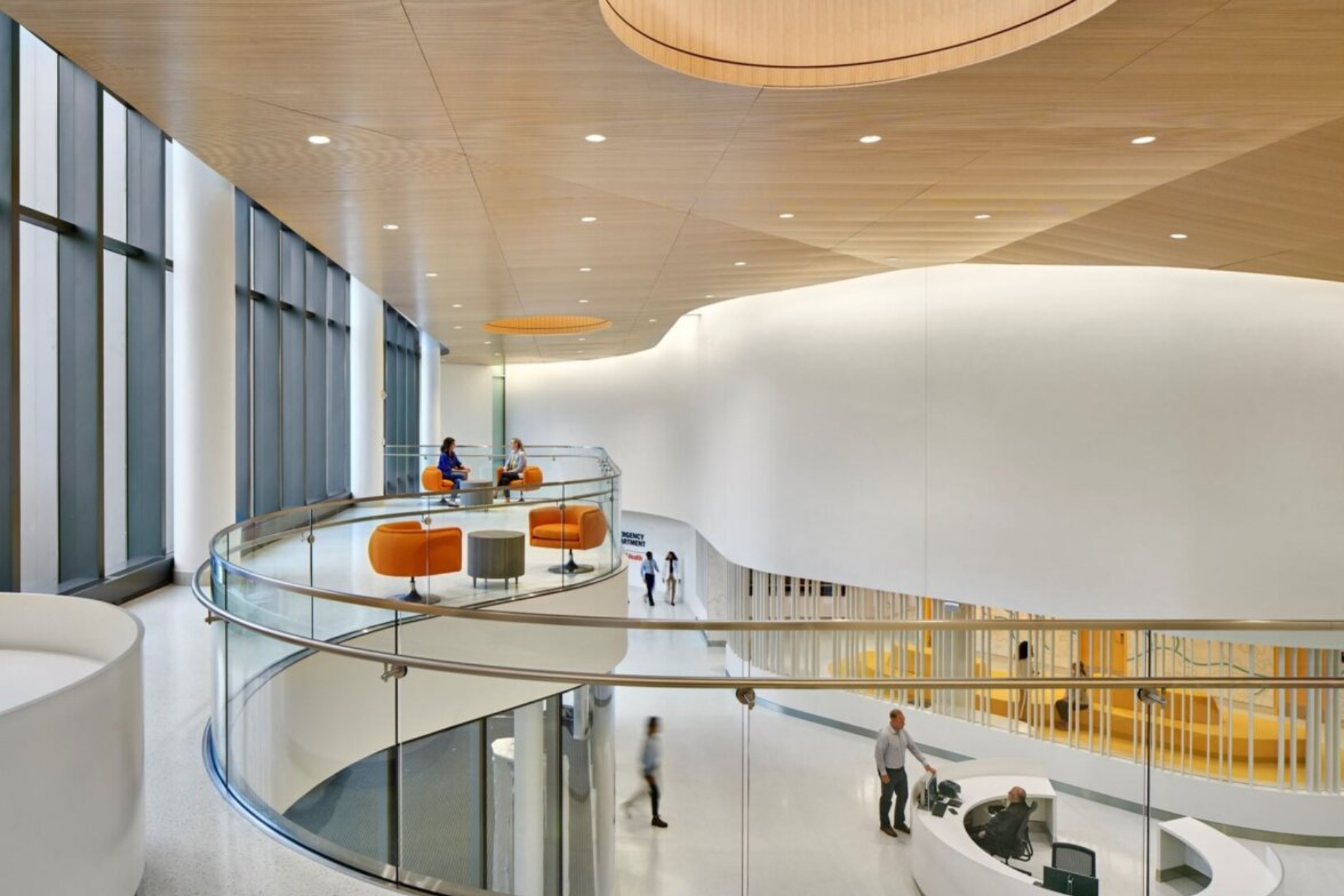
5 Leading Modern Hospital Design Trends Today
The healthcare industry is entering a period of strong transformation. Hospitals are no longer places that only serve treatment purposes. They are comprehensive healthcare environments where architecture, technology, and human experience closely intersect. In this context, hospital design has become a strategic factor. A properly designed facility not only ensures functionality but also contributes to improving treatment efficiency, optimizing operations, and building a sustainable brand image. So, what trends are currently leading the hospital design industry? Let TECO explore them in depth through the article below.
What is modern hospital design?
Modern hospital design is a multidimensional integration of architecture, engineering, technology, and user behavior. Unlike traditional models that focus on functional layout, modern hospitals aim to optimize patient experience and operational efficiency.
The concept of modern hospital design
Space is no longer simply a place to “contain” functional rooms. It becomes part of the treatment process. Natural light, materials, circulation flow, and spatial organization all have a direct impact on patients’ psychology and recovery speed. The core of modern hospital design lies in being human-centered while ensuring smooth and safe operations.
Why should investors update hospital design trends?
In reality, many hospitals are still designed based on outdated thinking. This leads to high operational costs, poor experience, and difficulty adapting to change. Updating hospital design trends brings clear benefits.
Optimizing long-term operational costs: Good design reduces energy consumption, optimizes staffing, and minimizes errors.
Improving service quality: A friendly space helps patients feel more at ease. Medical staff work more efficiently.
Enhancing competitive advantage: Modern hospitals build trust more easily. This is a key factor in the private healthcare market.
Adapting to future changes: Pandemics, population growth, and technological changes all require hospitals to be flexible.
Top 5 leading modern hospital design trends
Patient-centered design
The first and most fundamental trend in modern hospital design is patient-centered design. Instead of focusing solely on equipment or technology, design today prioritizes user experience. Spaces are optimized with natural light, expanded views toward greenery, reduced noise, and enhanced privacy. Clear wayfinding systems help patients navigate easily without relying on staff. When anxiety is reduced, the recovery process becomes more positive.
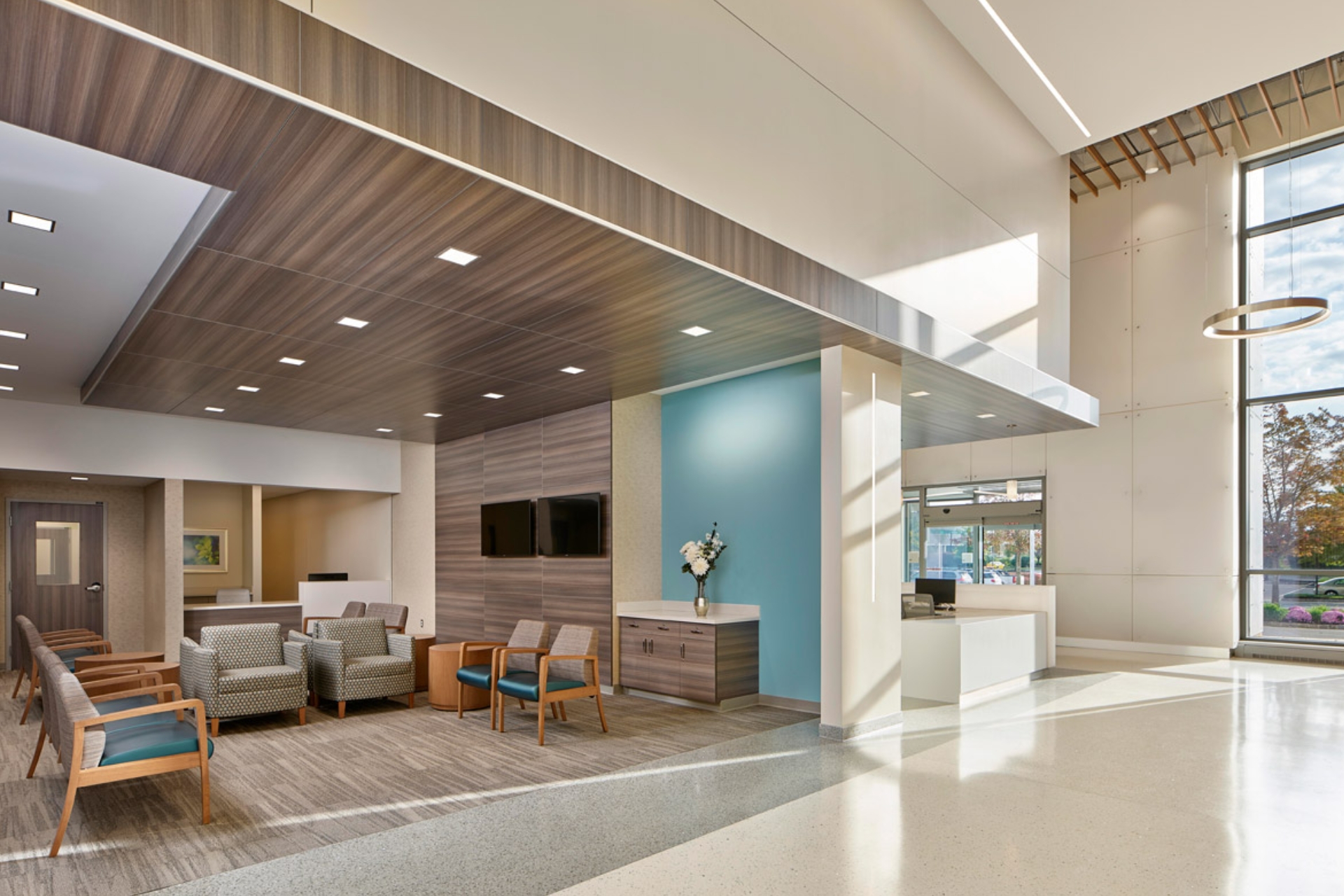 Patient-centered design trend
Flexible – modular design
At the same time, flexible and modular design is becoming a mandatory requirement. Hospitals need the ability to quickly adapt to changes, especially after lessons from the pandemic. Spaces are designed to allow functional conversion when needed, for example from standard patient rooms to intensive care units. Areas can be expanded or reduced depending on actual demand. This approach shortens construction time, facilitates upgrades, and optimizes costs throughout the building lifecycle. Another example of flexibility in design is the arrangement of main waiting areas and outpatient clinics to enable faster movement and more timely treatment procedures.
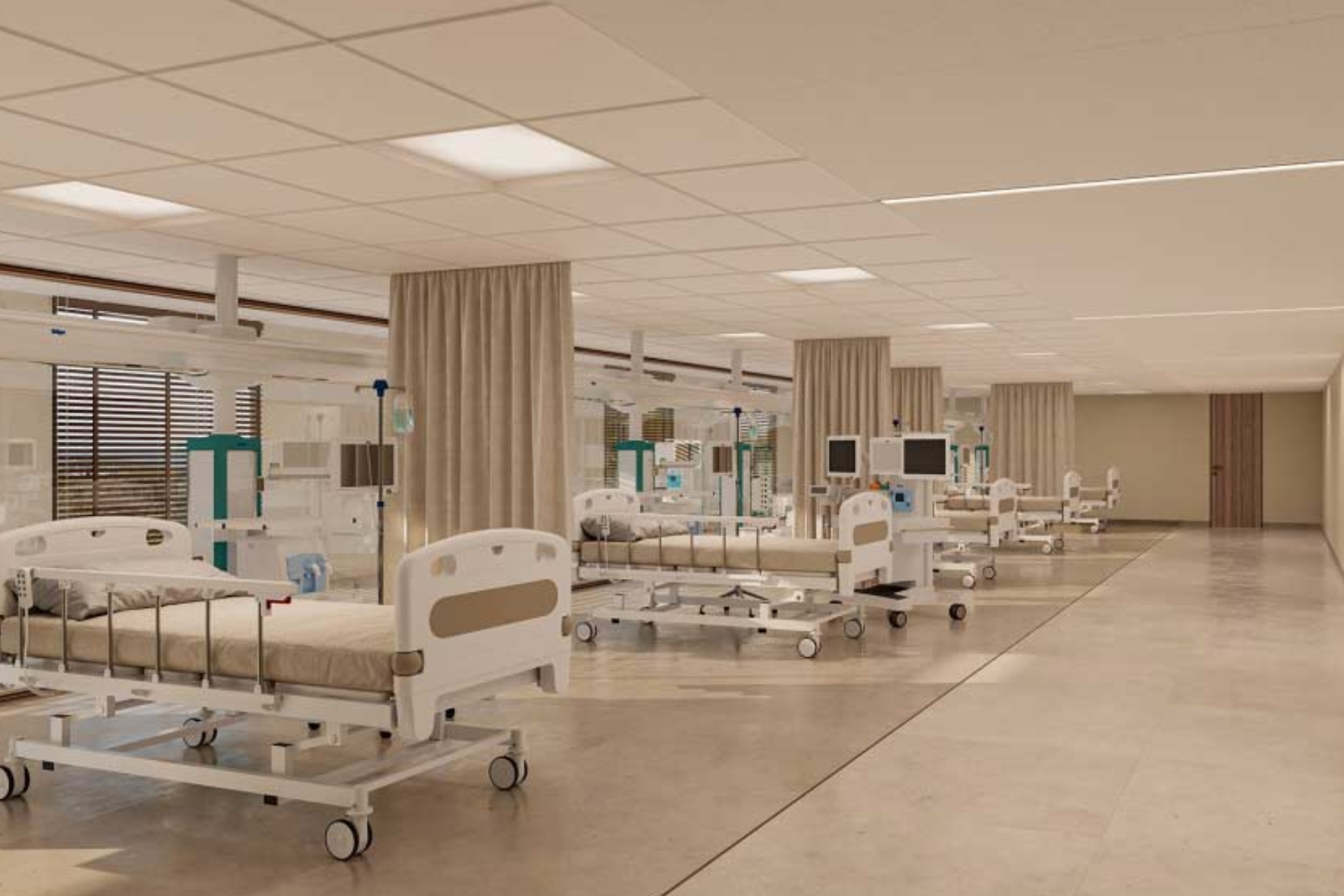 Flexible – modular design trend
Green – sustainable design
In addition to flexibility, green and sustainable design is an essential trend. Hospitals are energy-intensive buildings. Therefore, optimizing natural ventilation, using environmentally friendly materials, and reducing heat radiation are very important. Green spaces such as internal gardens or outdoor relaxation areas not only improve the microclimate but also act as a mental healing therapy. Green design thus brings not only economic efficiency but also profound humanistic value.
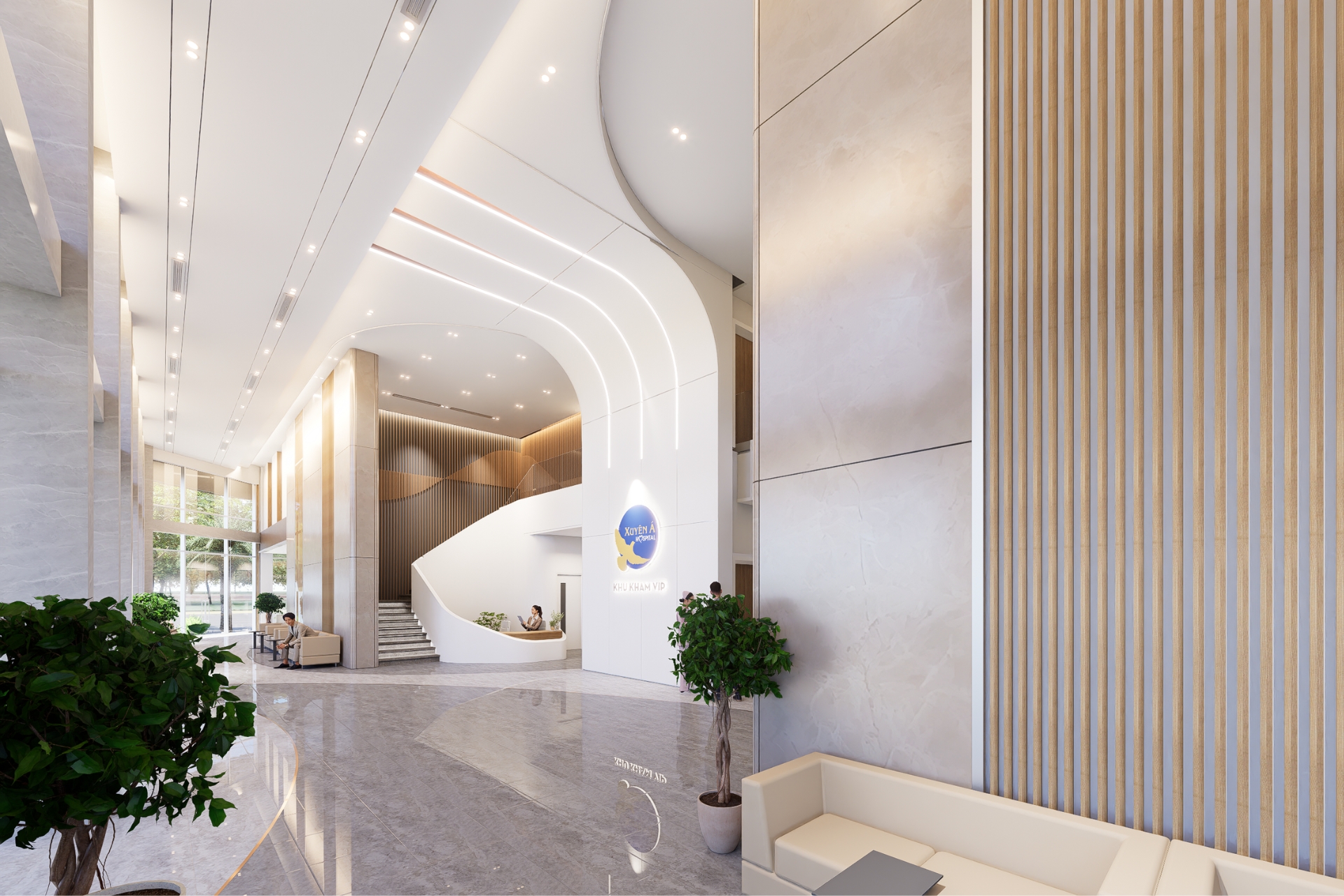 Green – sustainable hospital design
Application of smart technology in hospital design
Another trend that is strongly shaping the hospital design industry is the application of smart technology. From the design stage, buildings need to integrate infrastructure for systems.
Typical applications include:
- Hospital Information System (HIS)
- Electronic Medical Records (EMR)
- IoT patient monitoring
- AI-assisted diagnosis
- Logistics robots
Spaces must be designed to accommodate high-tech equipment and allow for future expansion. Technology helps reduce errors, speed up processes, and improve treatment quality, thereby enhancing overall hospital operational efficiency.
Application of smart technology in hospital design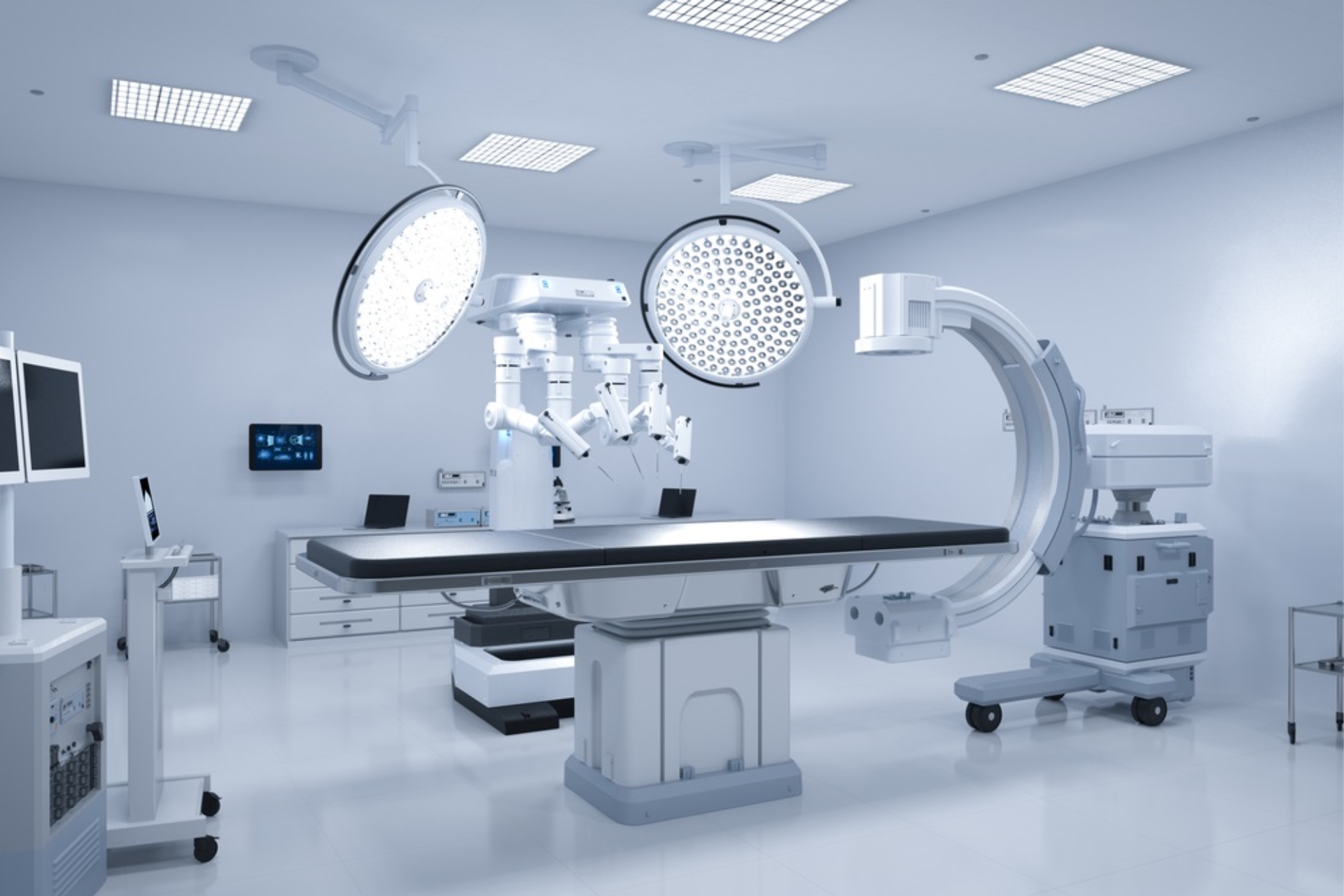
Infection control in design
Finally, infection control is a critical factor that must be integrated throughout the design.
Key principles include:
- Clear zoning: clean – dirty – intermediate
- Air pressure systems (positive/negative)
- Antibacterial materials
- Touchless design
In addition, circulation flow must be optimized for:
- Patients
- Medical staff
- Supplies
The goal is to minimize the risk of cross-infection. A good design not only supports treatment but also proactively prevents risks from the outset.
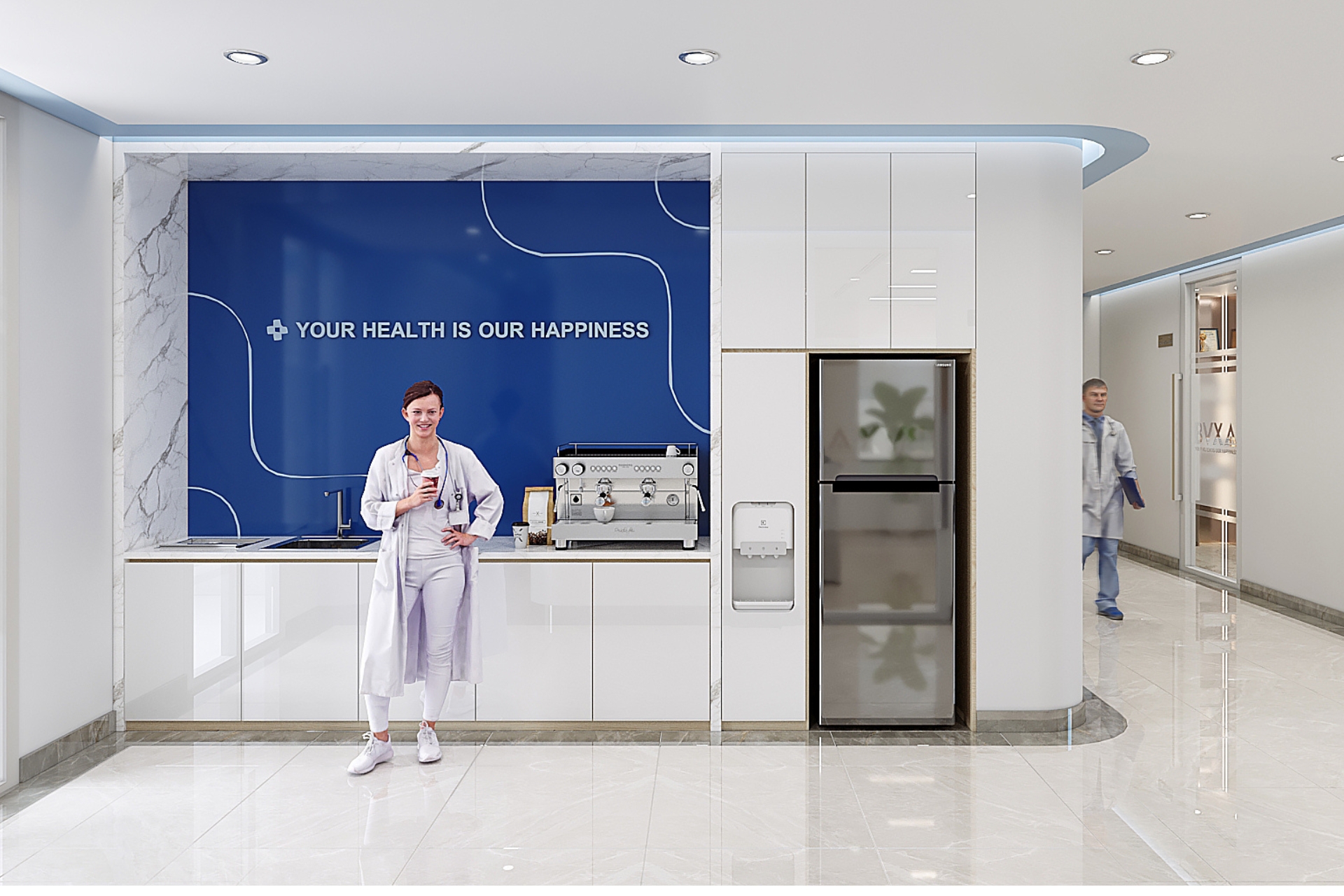 Infection control in hospital design
Conclusion
The healthcare industry is changing rapidly, leading to a shift in design thinking. Modern hospital design is no longer a standalone technical problem. It is a combination of people, technology, operations, and environment. The five trends above do not exist independently but need to be integrated into a comprehensive strategy. For investors, choosing the right design unit from the beginning will determine the long-term effectiveness of the project. A proper design not only helps save operational costs. It also improves service quality and creates sustainable competitive advantages. TECO hopes this article has updated the latest hospital design trends that investors are interested in.
Related services: Hospital interior design & build · After-handover maintenance – TECO MSC