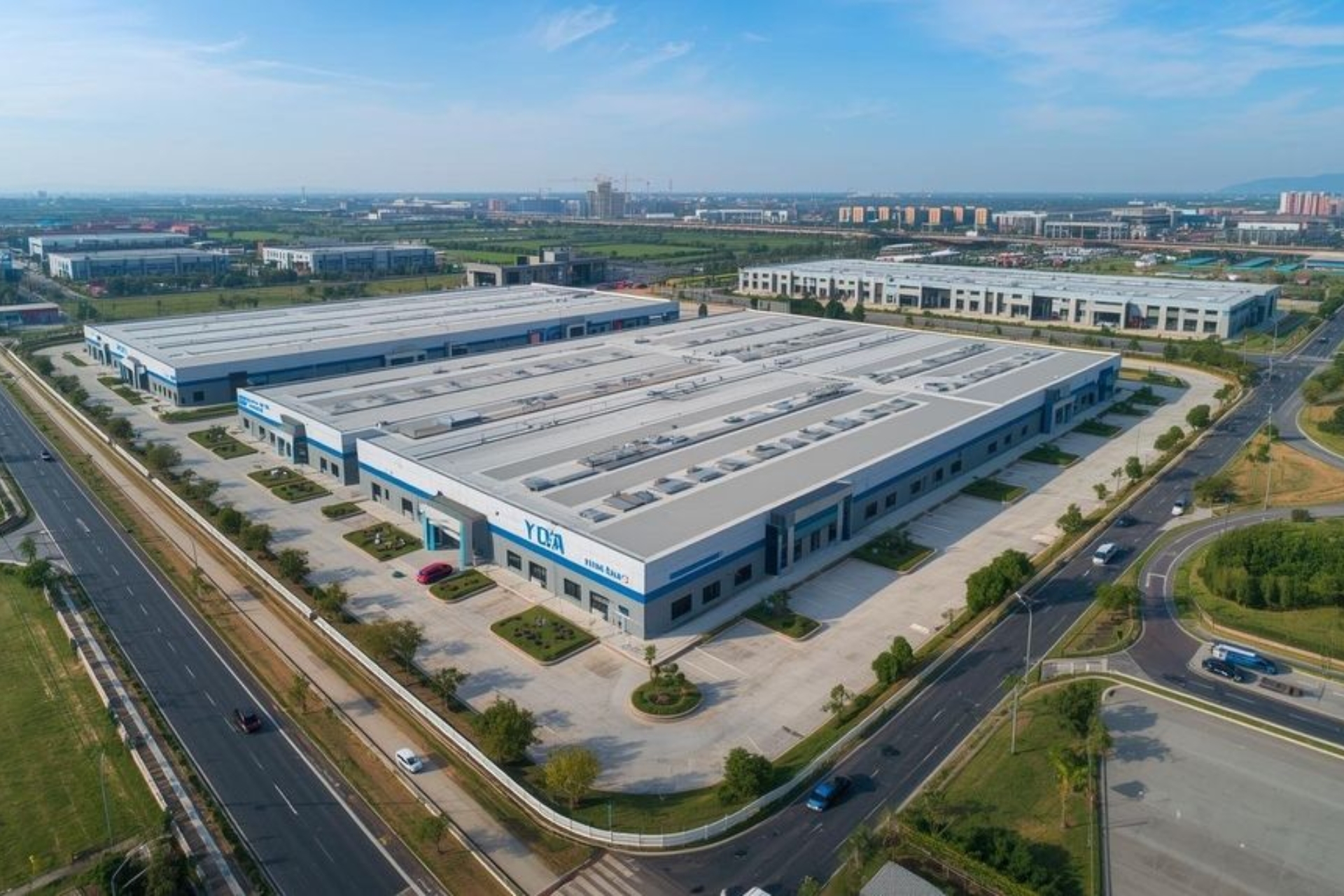
What Are the Industrial Factory Design Trends for 2026?
Entering 2026, the manufacturing industry is changing in a very clear way: it is no longer chasing scale, but shifting toward optimizing efficiency and adaptability. Global supply chains are shifting, operating costs are rising, while environmental and governance standards are becoming stricter.
In that context, industrial factory design is no longer about “building a space for production.” It has become the process of creating an integrated operational system. A good factory does not just house machinery. It must help businesses operate smoothly, save costs, and be ready for the future. Let’s explore in more detail with TECO the trends in factory design.
Industrial factory design trends 2026
Why must businesses update factory design trends?
The change begins with the production model itself. Businesses no longer operate in a fixed, long-term way. They shift to flexibility based on market demand. Therefore, factories must also adapt quickly. They need to be able to change layouts or upgrade production lines without affecting the entire structure.
Operating cost pressure is also becoming more evident. Initial construction cost is only a small part. Meanwhile, electricity, maintenance, and internal logistics are the expenses that last throughout the lifecycle of the facility. If the design is not optimized, businesses may pay the price for many years.
In addition, international standards, especially ESG, are gradually becoming mandatory requirements. When participating in global supply chains, businesses do not only need a factory that meets technical standards. They need a strategic design solution that meets both operational needs and sustainable development standards.
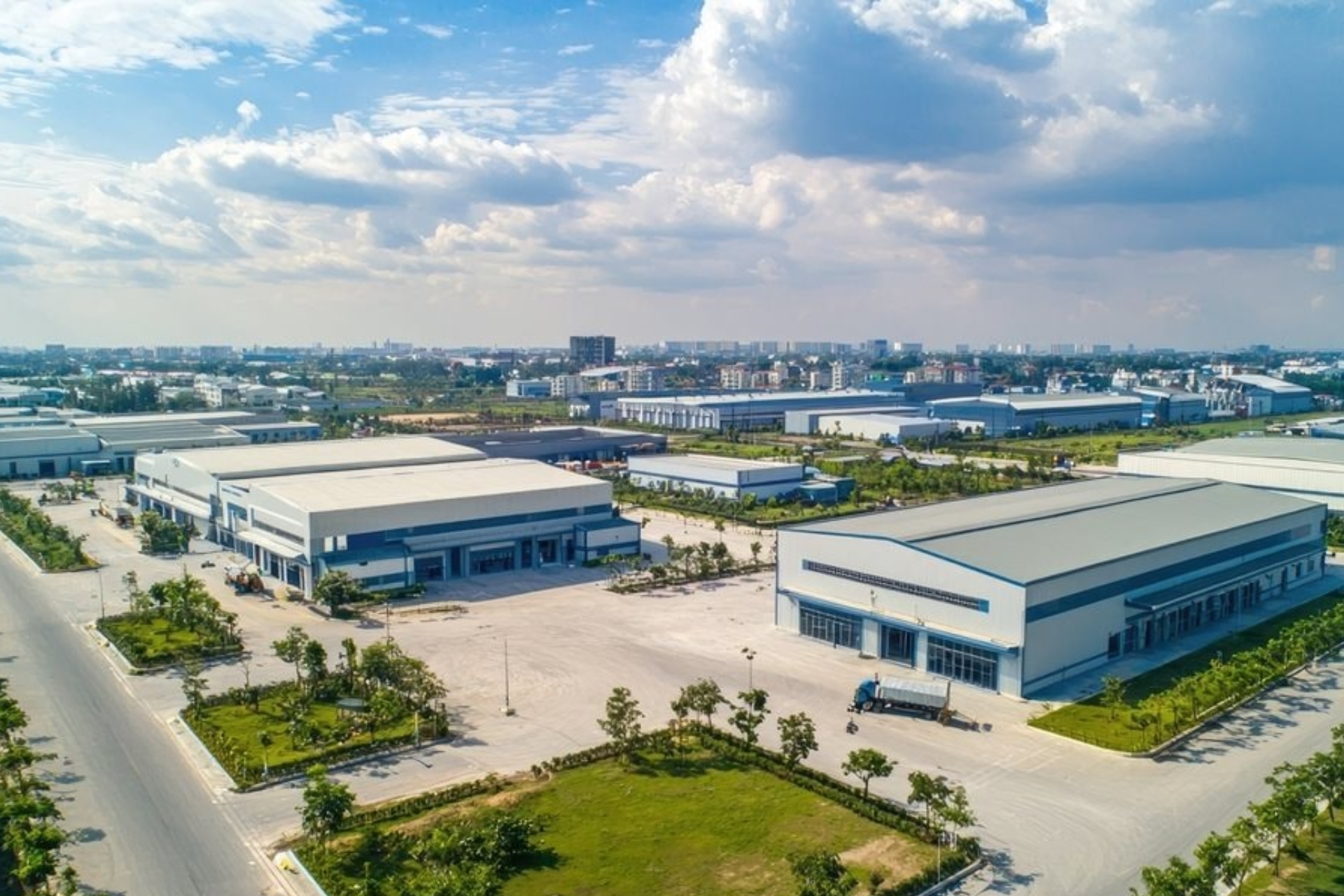 Why must businesses update factory design trends?
Top industrial factory design trends 2026
Smart factory: When technology is “designed from the beginning”
A smart factory is not simply about adding more technology equipment. It is a completely different design mindset. From the early stage, the facility must be prepared with infrastructure to integrate systems such as IoT, real-time operation monitoring, and energy management.
The key point is this: if it is not planned from the design stage, upgrading to “smart” later will be costly and inefficient. On the contrary, when properly prepared, the factory can monitor its own operations, reduce downtime, and support data-driven decision-making instead of relying on intuition.
Green – sustainable factory: From trend to standard
In the past, the “green” factor was mainly about brand image. But by 2026, it has become a mandatory requirement in industrial factory design. Businesses not only need to save energy. They also have to control emissions and use resources efficiently.
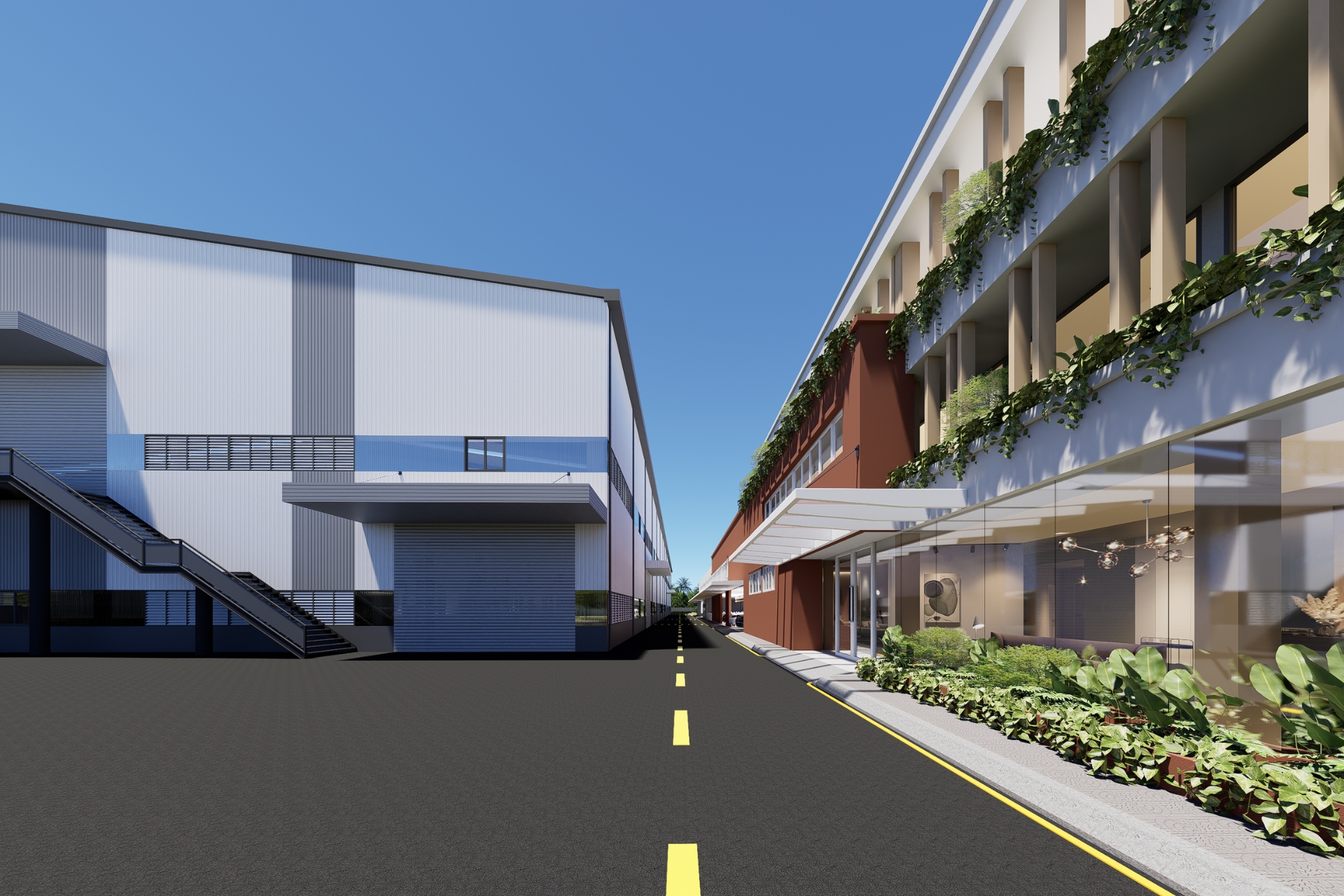
This is reflected in the design approach: maximizing natural light, organizing proper ventilation, and using insulating materials. Many factories also install rooftop solar systems to proactively manage their energy supply. More importantly, the value of this trend is not in “building green” for image. It lies in reducing long-term operating costs and meeting international standards.
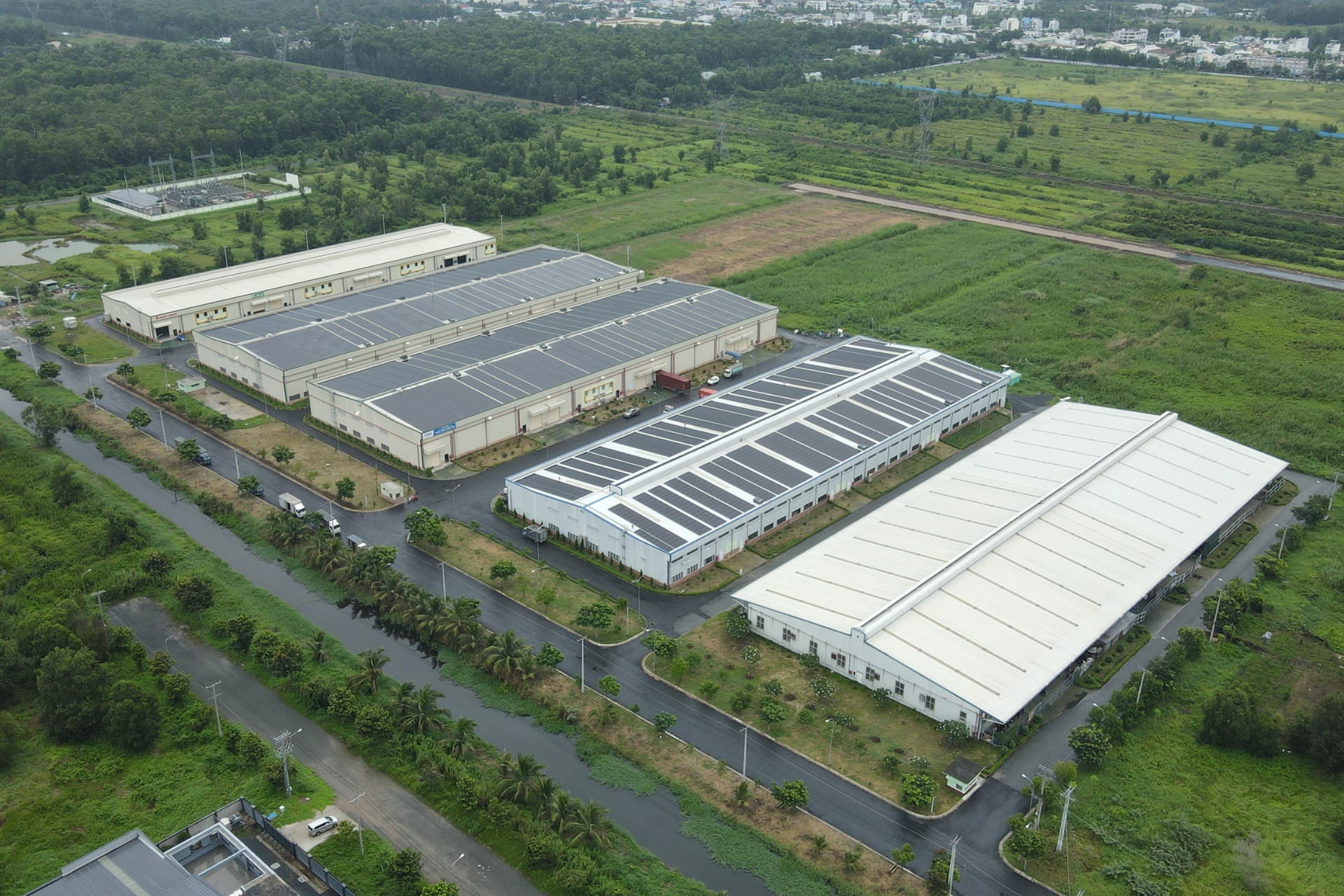 Green – Sustainable factory
Factory-office integration: Optimizing management and work experience
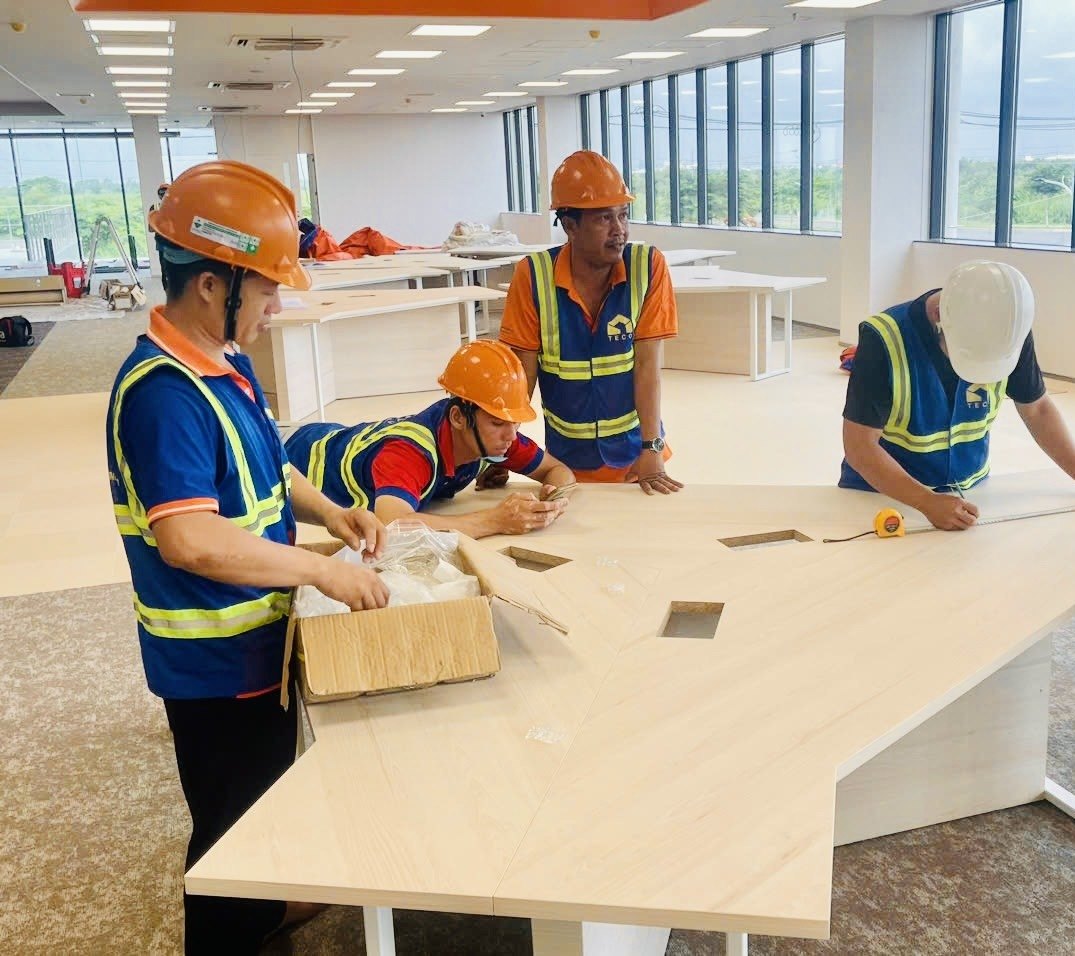
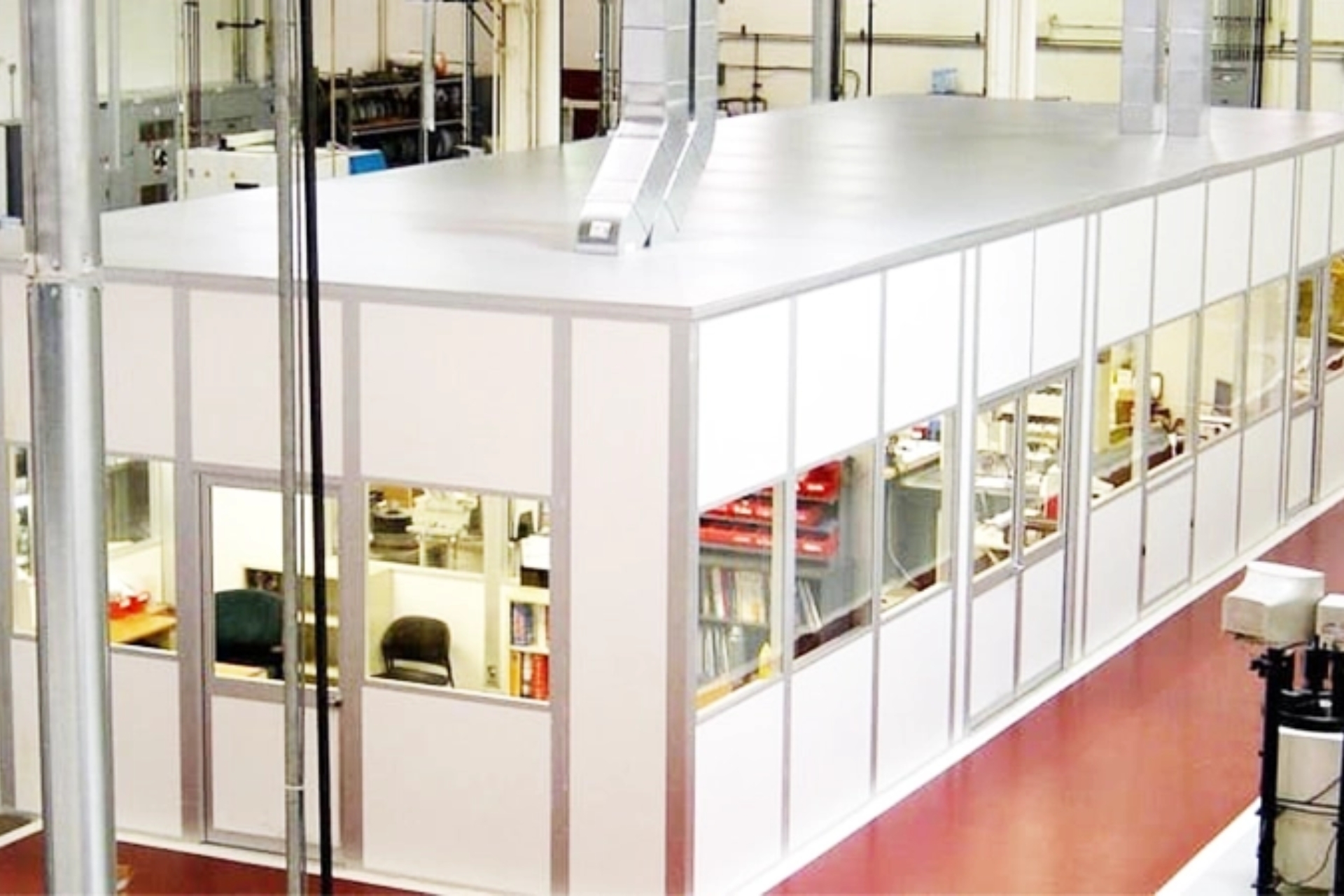 Factory-office integration
Pre-engineered steel structure: The foundation for flexibility
In a constantly changing production environment, flexibility becomes a core factor. Therefore, pre-engineered steel structures continue to play a key role in industrial factory design in 2026. This solution not only shortens construction time. It also allows businesses to easily expand or adjust space when needed. Instead of investing heavily from the beginning, many businesses choose phased construction. This helps control cash flow while maintaining growth potential.
In addition, the modular trend is becoming more popular. Factories can expand according to demand without the need for demolition or rebuilding from scratch.
Common mistakes in factory design
A common mistake is focusing only on initial construction cost while ignoring long-term operating costs. This easily leads to suboptimal design decisions, especially in layout and technical systems.
Many businesses also do not consider expansion capability. When production scale increases, factories quickly become outdated and difficult to upgrade.
In addition, the human factor is often overlooked. Working environment, lighting, and ventilation are not properly invested in, even though these directly affect productivity.
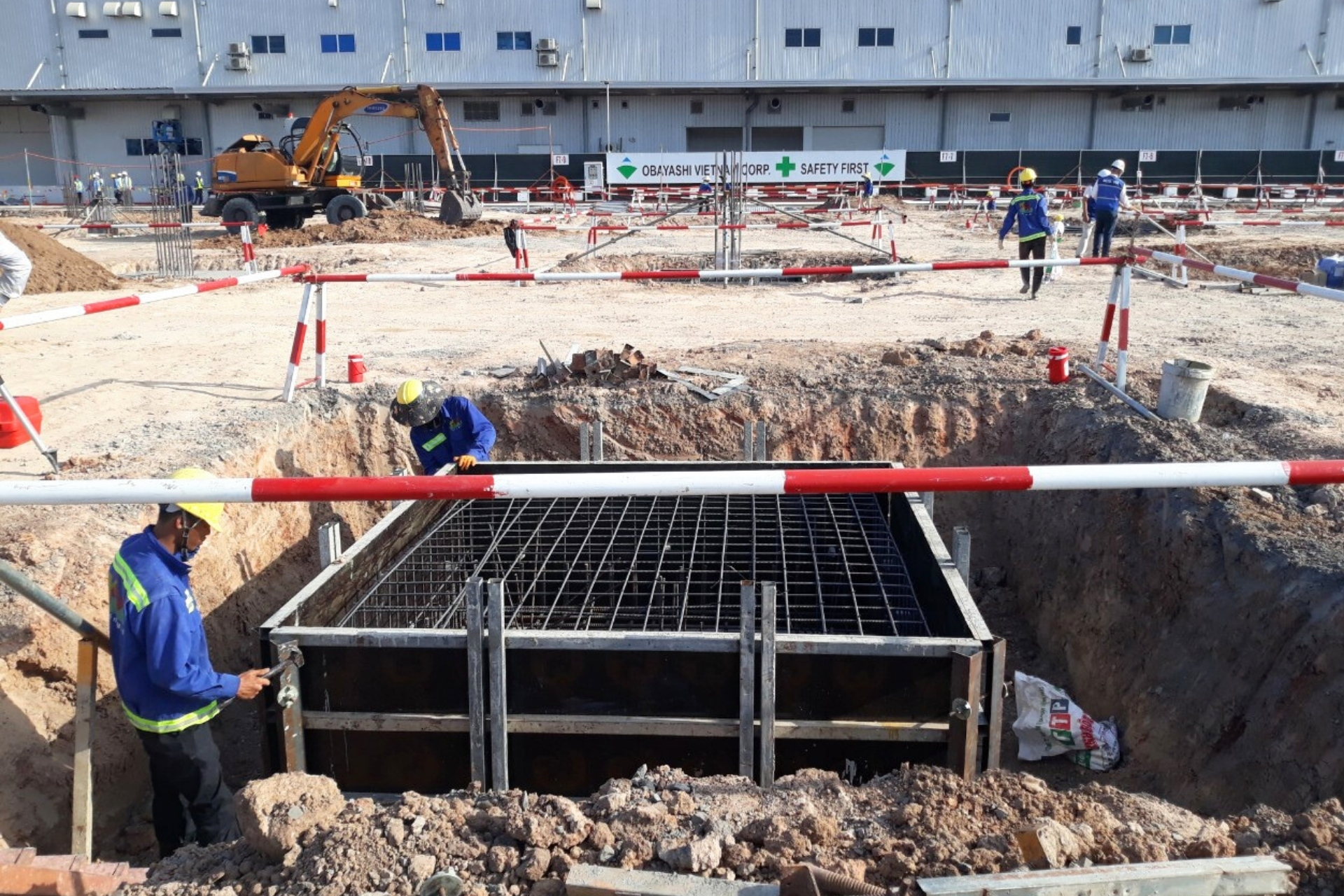
 Common mistakes in factory design
Related services: Factory construction, design & build · After-handover maintenance – TECO MSC