How Should Hospital Waiting Areas Be Designed for Greater Comfort?
In the journey of medical examination and treatment, the first area that patients and their families come into contact with is not the consultation room or treatment room, but the waiting area in the hospital. This is a place where very “special” emotions take place: anxiety, nervousness, fatigue from waiting, even prolonged stress.
However, in many healthcare facilities today, this area has not yet been properly invested in. Hard rows of chairs, cold lighting, continuous noise… unintentionally make the experience more burdensome. Meanwhile, according to studies on healthcare environments, physical space can directly impact the psychology and perception of patients, even affecting the recovery process.
Therefore, the question is: how should the waiting area in hospitals be designed to truly become comfortable and support patients’ mental well-being? Let TECO explore this through the detailed article below.
Designing hospital waiting areas
The role of waiting areas in modern hospitals
More than just a place to “wait”
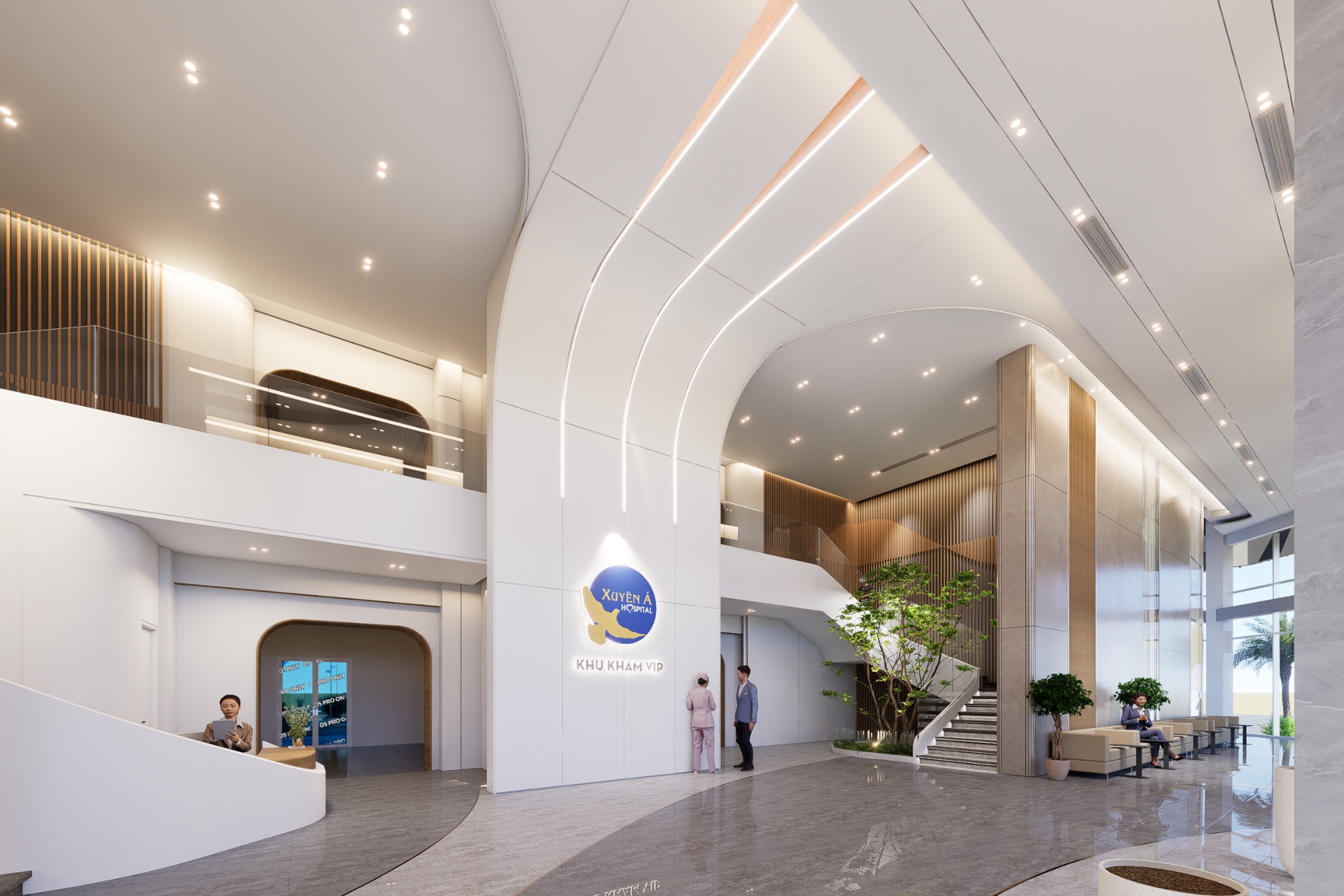
The waiting area is the most crowded space in the hospital and also the “first touchpoint” that creates an impression of service quality.
A good design helps reduce stress, increase trust and professionalism; on the contrary, a poorly organized space will increase psychological pressure from the very beginning.
Impact on experience and treatment effectiveness
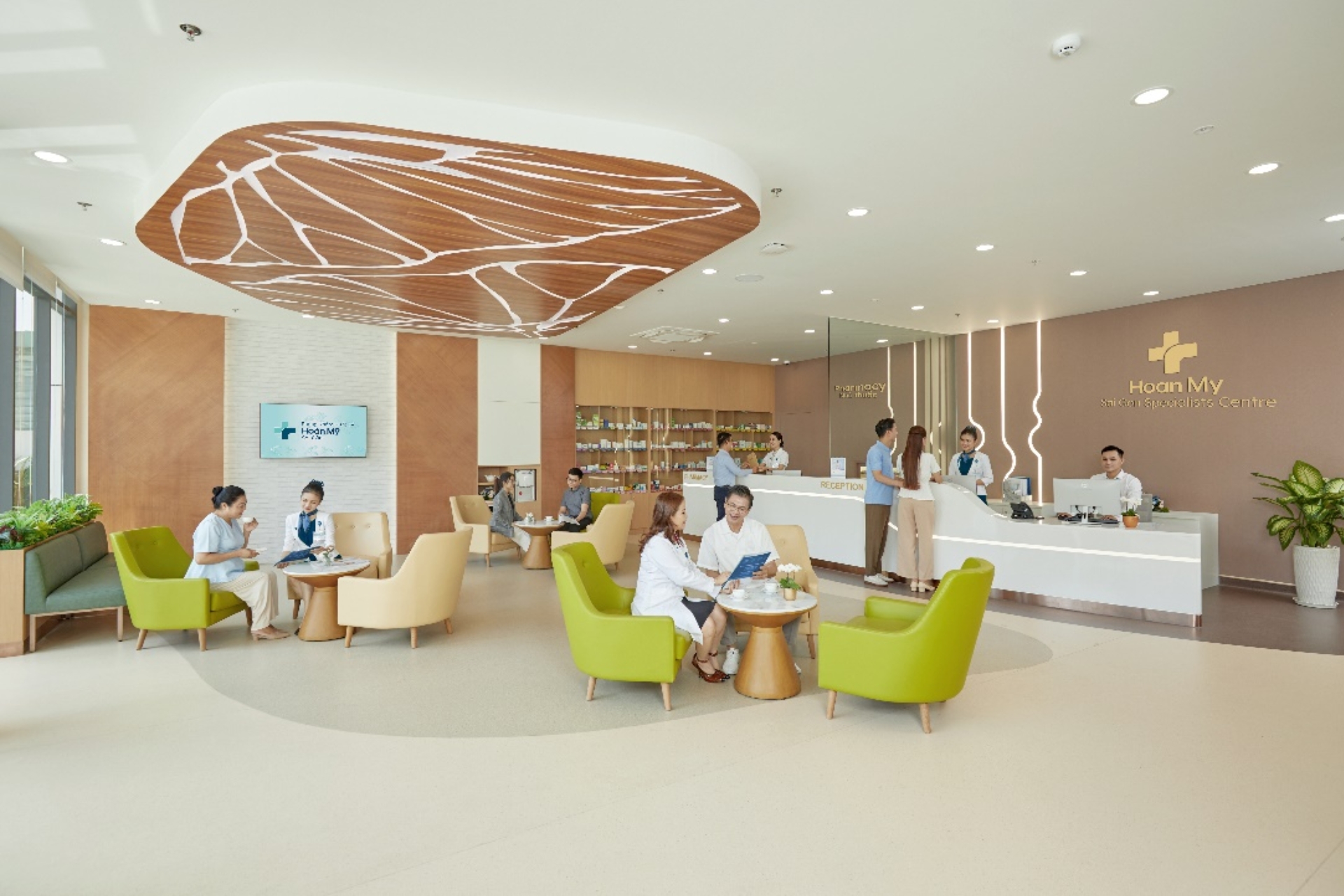
Many studies have shown that the surrounding environment significantly affects patients’ mental state. When psychology improves, patients tend to cooperate better with doctors. From there, treatment effectiveness is enhanced.
Not only that, a well-organized hospital waiting area also helps reduce the burden on medical staff. It limits overload and improves overall operational efficiency.
 Impact on experience and treatment effectiveness
Principles for designing hospital waiting areas
To achieve a balance between functionality and experience, the design of waiting areas needs to follow several core principles.
Optimizing functionality and circulation flow
The space needs to be clearly zoned: reception area, waiting area, number-calling area, consultation area. Organizing movement flow reasonably helps limit crowding, reduce the feeling of chaos, and improve operational efficiency.
Ensuring privacy and safety
Although it is a public space, the waiting area still needs to ensure a certain level of privacy. The distance between seats, separate areas for information exchange, and spatial arrangement all need to be carefully calculated.
Balancing aesthetics and usability
A beautiful design is not enough. The waiting area needs to “operate well” in reality: easy to maintain, flexible, and suitable for different user groups.
Elements that create a “healing” waiting space
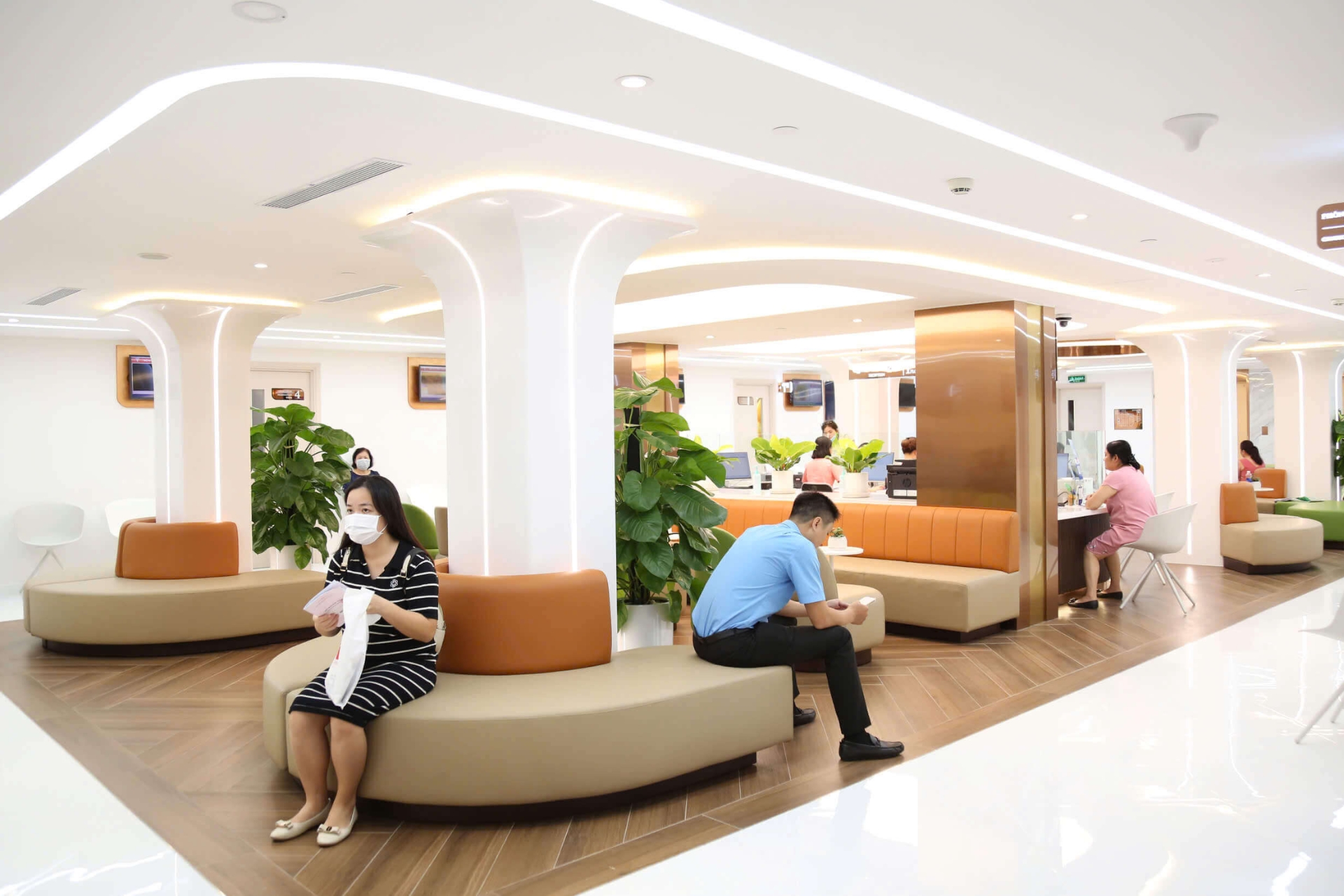
To transform the waiting area from a stressful place into a pleasant environment, the following factors play a key role.
Aesthetic design: Color – lighting – nature
Color directly affects emotions. Light tones such as light blue, green, or neutral colors help reduce stress and create a relaxing feeling.
Natural light should be maximized, while artificial lighting needs to be controlled to avoid a cold and harsh feeling.
In addition, incorporating natural elements into the space such as greenery, wooden materials, or water features is a modern design trend (biophilic design), helping increase a sense of peace and connection.
Comfortable furniture: Designed for long waiting times
Patients may have to wait for a long time. Therefore, furniture needs to be designed based on ergonomic criteria.
Seating should be cushioned, provide good back support, and be arranged with reasonable spacing. In addition, diversifying seating types from single chairs, benches to sofas or lounge areas—helps meet different needs, from short rests to long waiting periods.
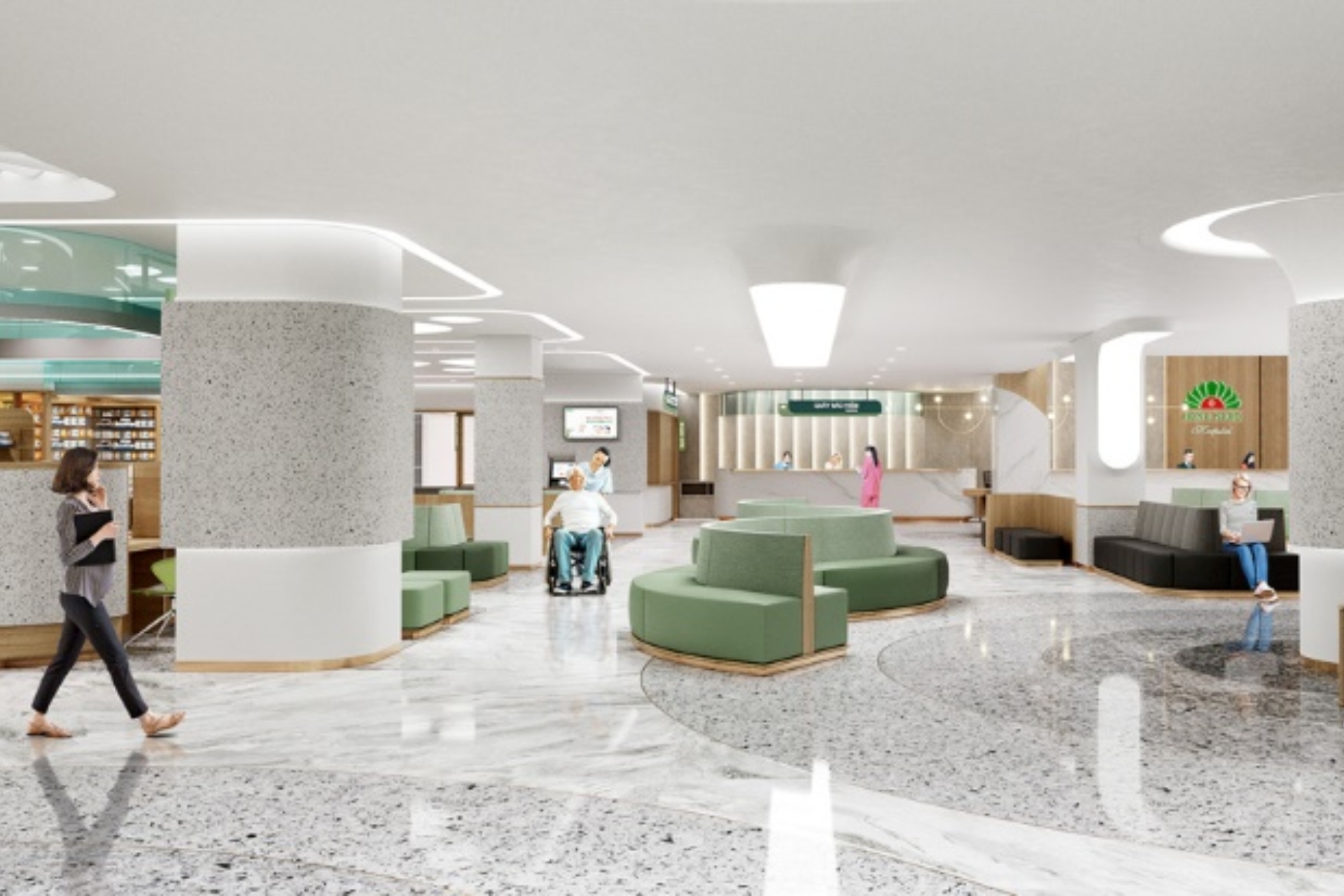 Comfortable furniture: Designed for long waiting times
Sound control: Reducing “invisible pressure”
Noise is one of the main causes of stress in hospitals. Sounds from corridors, medical equipment, or conversations can make patients more fatigued.
Solutions include using sound-absorbing materials for ceilings, walls, and floors, along with adding light background music such as instrumental or ambient to create a relaxing feeling. A well-controlled acoustic environment will significantly reduce psychological pressure.
Applying technology: Reducing uncertainty during waiting
One of the biggest causes of stress is the feeling of “not knowing how long to wait.”
Technological solutions such as automated numbering systems, display screens showing queue order, check-in kiosks, or estimated waiting time notifications will help patients be more proactive. When there is clear information, the feeling of anxiety is significantly reduced.
Enhancing the “at-home” feeling
A space with a “domestic” touch can soften the cold feeling often found in hospitals.
Warm lighting, soft materials, decorative paintings, or friendly layouts will make the space feel more approachable. When patients feel emotionally “safe,” the overall experience is also improved.
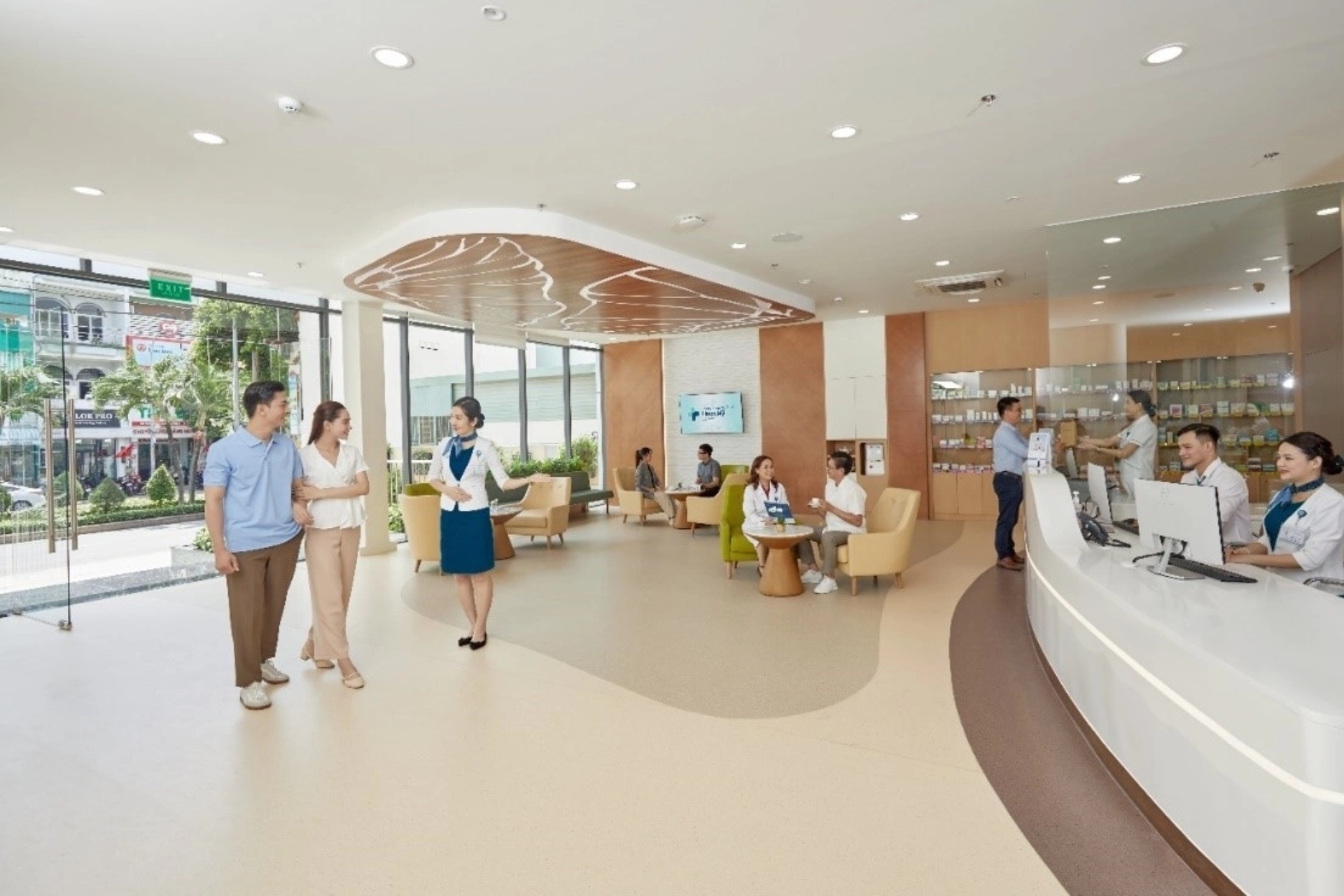 Enhancing the “at-home” feeling
Supportive amenities: Turning waiting time into useful time
Small but practical amenities can make a big difference:
- Children’s play area
- Drinking water, phone charging stations
- Wifi, light working area
These elements help patients and their families feel more comfortable, while also making waiting time more efficient.
Common mistakes in designing hospital waiting areas
In reality, many waiting areas still make basic mistakes:
- Arranging too many seats, lacking spacing
- Harsh lighting, cold colors
- Unclear functional zoning
- Lack of noise control
- No application of supporting technology
These limitations not only reduce the experience but also create additional pressure for both patients and medical staff.
Conclusion
Today, hospital waiting areas are no longer secondary spaces. They have become an important part of the healthcare journey. A good design needs to harmoniously combine aesthetics, functionality, technology, and emotional factors.
When properly invested, waiting areas not only help reduce stress but also contribute to improving service quality and hospital image. More importantly, they create a gentler starting point for the healing journey even before patients enter the consultation room.
If you are looking for solutions to design hospital waiting areas in a modern direction, optimizing both experience and operation, contact TECO for detailed consultation