Mezzanine Offices in Factories: A Smart Way to Maximize Space
As industrial land prices continue to rise, maximizing available space has become a top priority for many businesses. Instead of expanding facilities or constructing separate office buildings, many investors are opting for mezzanine offices inside their factories.
This solution helps reduce investment costs while improving management and operational efficiency. By utilizing the vertical space above the production floor, mezzanine offices have become an increasingly popular choice among manufacturers. Join TECO as we explore this practical office solution in more detail.
Understanding the mezzanine office model in factories
What Is a Mezzanine Office?
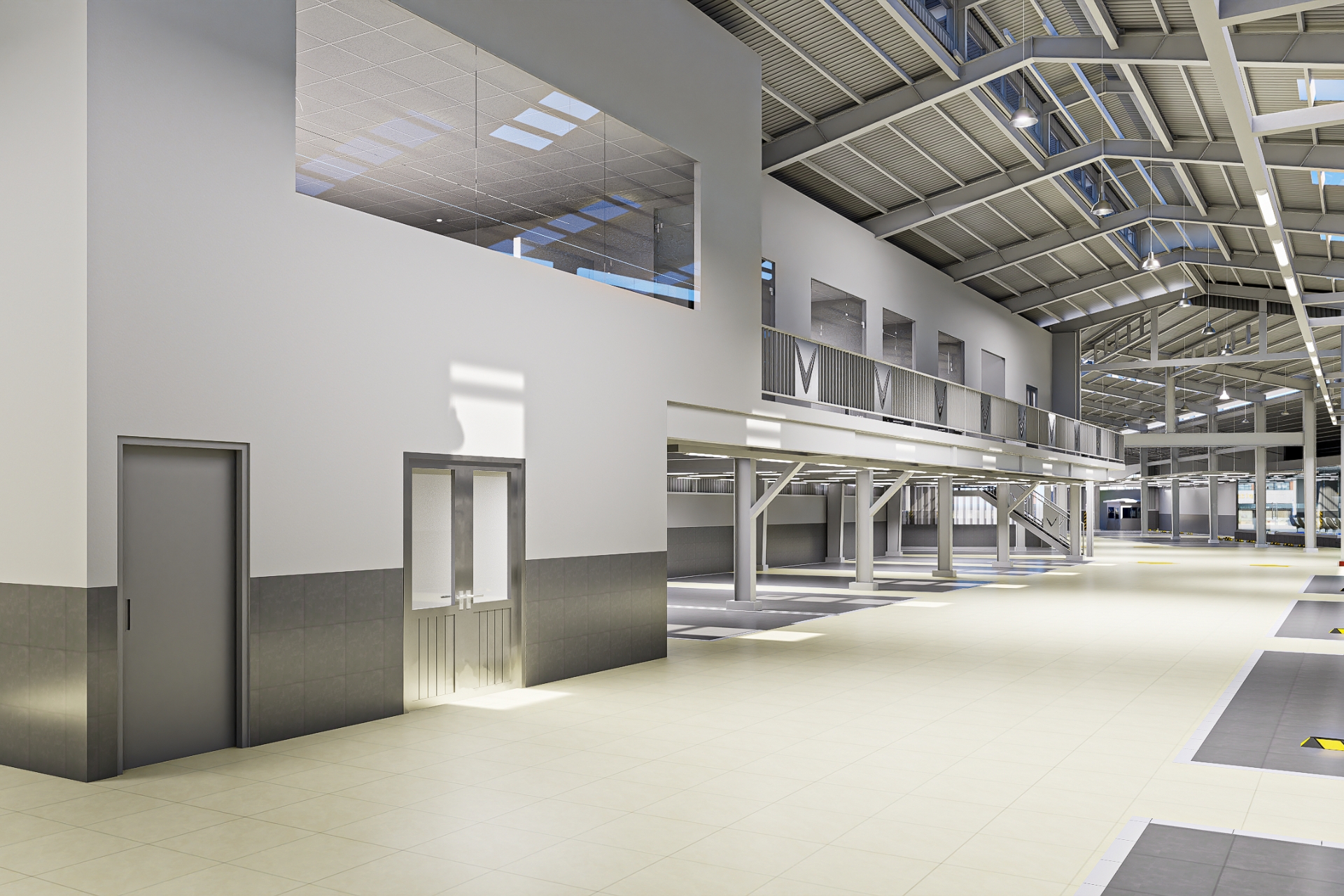
A mezzanine office is a workspace built on an intermediate floor within a factory building. It is typically located above the production area or warehouse.
Rather than leaving the vertical space unused, businesses can utilize it for offices, meeting rooms, management areas, or technical rooms. Depending on operational requirements, mezzanine offices can be constructed using steel structures, concrete slabs, or modern prefabricated systems.
This solution effectively increases usable space without affecting production activities below.
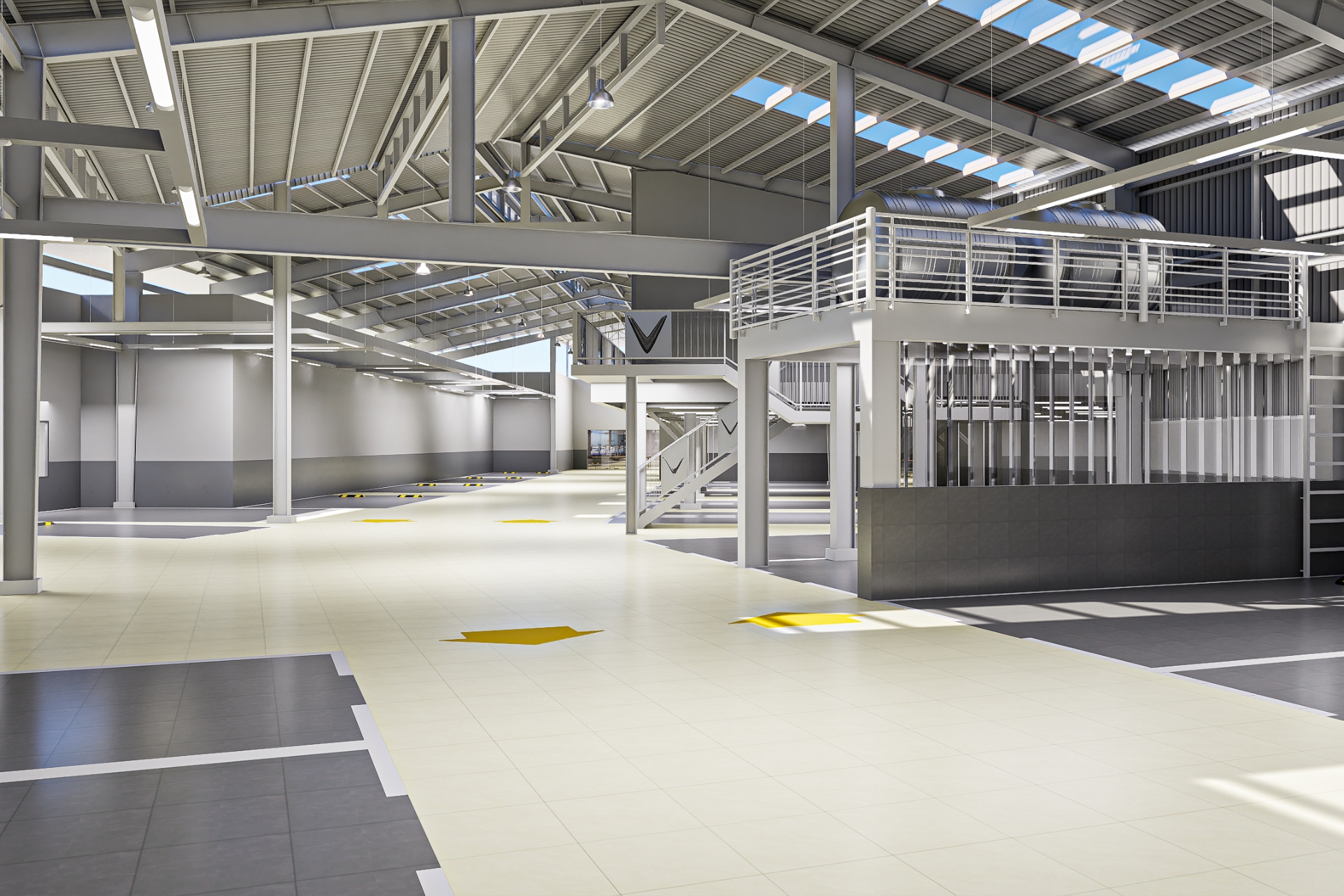 Definition of a mezzanine office
Why Are Mezzanine Offices Popular Among Manufacturers?
Maximizing Factory Space
The greatest advantage of a mezzanine office is its efficient use of vertical space. Businesses do not need additional land to build a separate office. The entire ground floor remains available for production or storage purposes. This solution is especially suitable for sites with limited land area.
Reducing Investment Costs
Compared with constructing a standalone office building, mezzanine offices significantly reduce investment costs. Existing factory structures can be utilized, and electrical, plumbing, and infrastructure systems can be shared. As a result, overall construction costs are considerably optimized.
Improving Management Efficiency
When the office is located inside the factory, management teams can easily monitor production activities. From the mezzanine level, supervisors can oversee the entire production process, identify issues promptly, and implement solutions quickly. This improves operational efficiency and minimizes unnecessary movement.
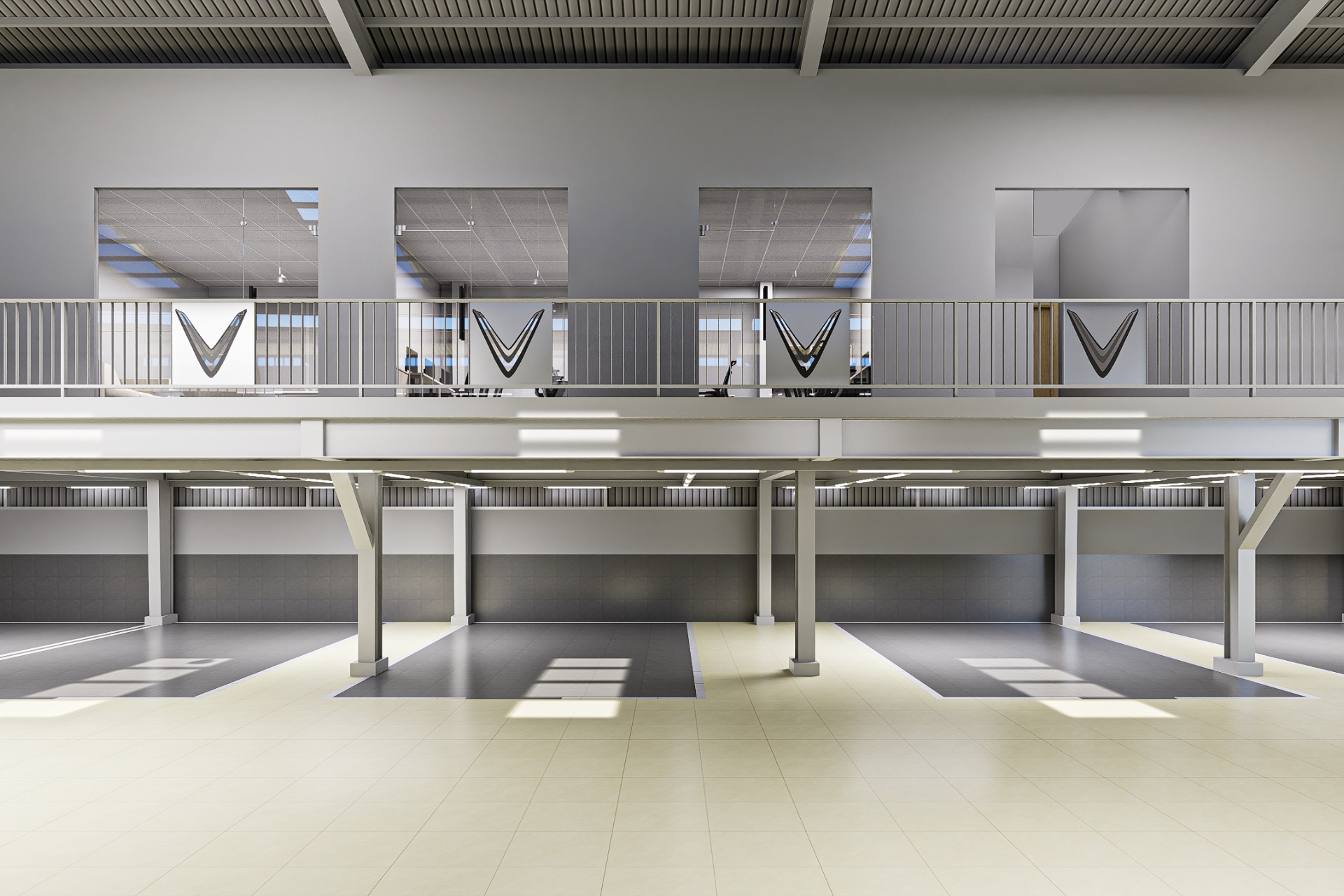 Mezzanine offices improve management efficiency
Shortening Construction Time
Another advantage of mezzanine offices is their relatively short construction period. Projects using steel structures or prefabricated materials can be completed much faster than conventional buildings. This allows businesses to put the facility into operation quickly and minimize disruptions to production activities.
Key Benefits of Mezzanine Offices
Increased Usable Space
Utilizing the building height provides additional workspace without expanding the footprint. This is a major advantage for factories located in industrial zones where land is limited.
Better Connection to Production Areas
Unlike separate office buildings, mezzanine offices provide direct connectivity between management and production departments. Communication, supervision, and problem-solving become much faster and more efficient.
Cost Optimization
Instead of investing in an additional building, businesses can make use of existing infrastructure and save construction costs. This solution is ideal for startups and companies seeking to optimize capital expenditure.
Flexibility for Future Changes
Many modern mezzanine offices use modular or steel structures, making it easier to renovate, expand, or change the function of the space when necessary.
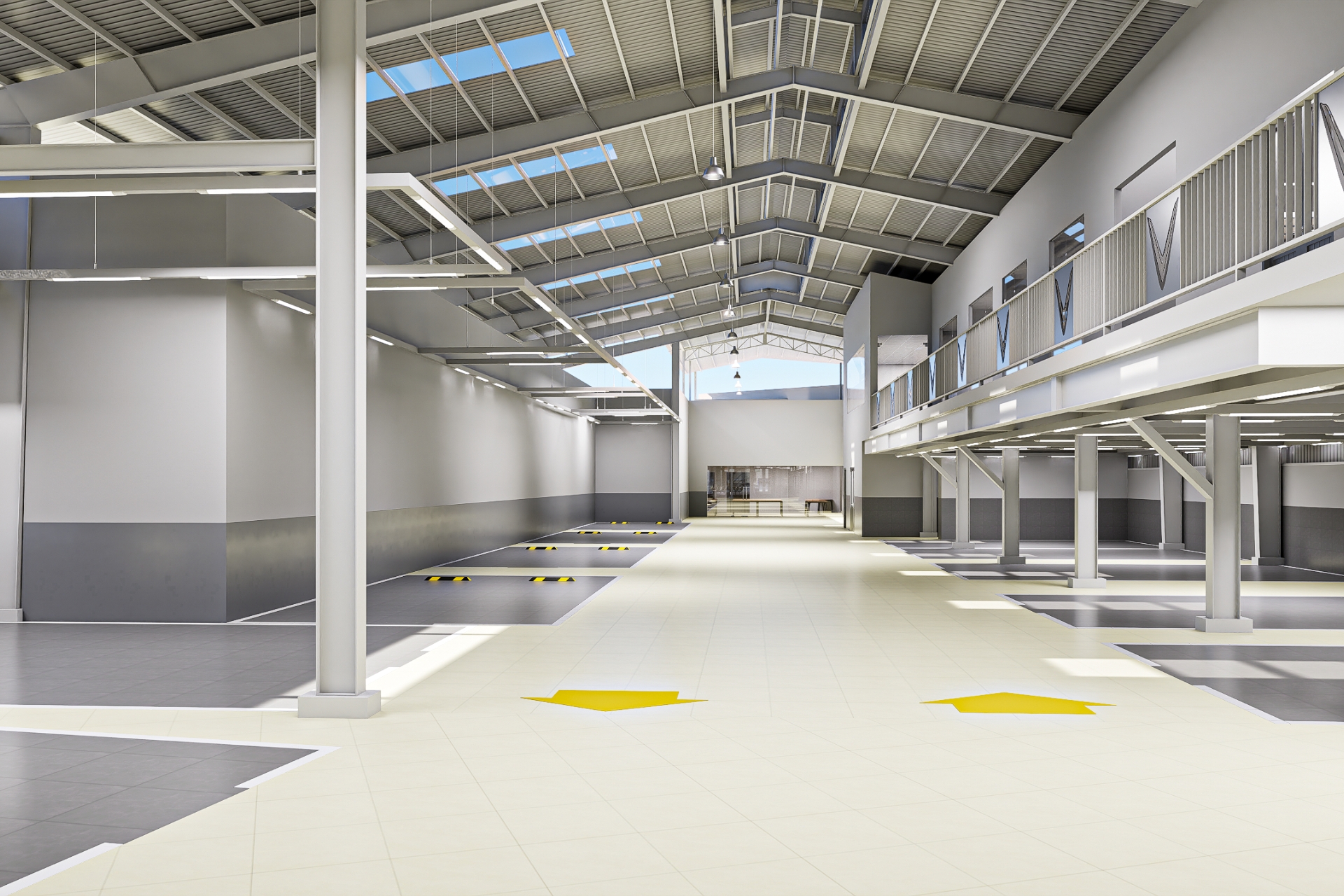 Advantages of this office model
Limitations to Consider When Designing a Mezzanine Office
Despite their many advantages, mezzanine offices also have certain limitations.
Noise from Production Activities
Continuous machinery operation may create noise that affects the office environment. To address this issue, businesses should consider soundproof glass, acoustic panels, or other specialized materials.
Higher Temperatures
Since mezzanine levels are located higher inside the building, they are more exposed to accumulated heat. Therefore, ventilation and air-conditioning systems should be carefully designed to ensure user comfort.
Structural Requirements
The office floor load must be accurately calculated during the design stage. Proper structural planning helps ensure safety and minimizes operational risks.
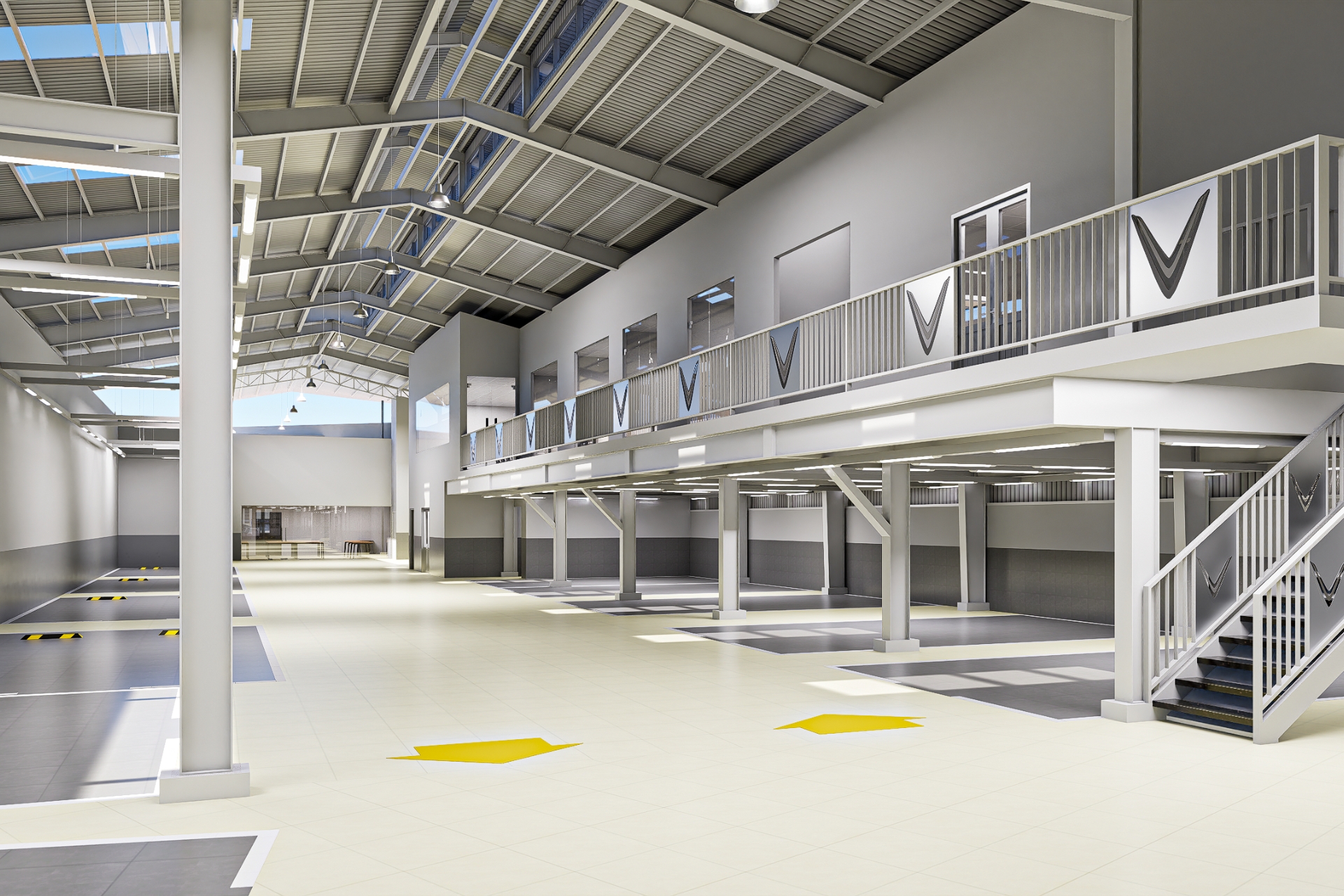 Limitations of mezzanine office models
Important Factors in Mezzanine Office Design
Clearly Define Usage Requirements
Businesses should determine the number of employees, required functional areas, and future expansion plans. This forms the basis for developing the most suitable design solution.
Ensure Structural Safety
Steel frames, floor systems, and load-bearing columns should be designed by experienced engineers. This ensures structural durability and a long service life.
Optimize Lighting and Ventilation
A comfortable workspace requires adequate lighting and good air circulation. These factors contribute to higher productivity while reducing operating costs.
Comply with Fire Protection Standards
Emergency exits, fire alarm systems, and firefighting equipment must be provided in accordance with regulations. Compliance with fire safety standards is mandatory for all industrial buildings.
Which Businesses Are Suitable for Mezzanine Offices?
Mezzanine offices are particularly suitable for:
- Manufacturers with limited land area.
- Factories seeking to optimize investment costs.
- Businesses that require direct supervision of production activities.
- Companies leasing factory buildings and avoiding major permanent investments.
- Factories planning future expansion.
When properly designed, a mezzanine office can deliver long-term value and operational efficiency.
TECO – Professional Mezzanine Office Design and Construction Contractor in Ho Chi Minh City
With many years of experience in industrial construction, TECO has successfully completed numerous factory and office projects for domestic and international clients.
TECO provides optimized mezzanine office solutions tailored to each customer’s operational requirements, production scale, and investment budget.
Our architects and engineers focus on functionality, structural safety, future expansion, and long-term operational efficiency. From concept and design to construction and completion, TECO accompanies businesses throughout every stage of the project.
Conclusion
As industrial land becomes increasingly scarce, mezzanine offices provide a smart solution that maximizes factory space while creating a professional working environment.
This model offers significant advantages in terms of cost savings, functionality, and management efficiency. However, to ensure safety and long-term performance, businesses should partner with experienced design and construction contractors.
With extensive expertise and a proven track record in industrial projects, TECO is confident in delivering optimized mezzanine office solutions that support the long-term growth and development of businesses.