Detailed Guide: What Work Items Does Turnkey Factory Construction Include?
A factory construction project does not simply stop at erecting the steel frame and installing the roof. A complete project needs to be implemented synchronously, from site preparation, foundation and flooring, structure, enclosure to technical systems and finishing works.
Each work item is interconnected. If the implementation is not synchronized, the project may incur additional costs, experience schedule delays, or affect its future operation.
So, what work items does a turnkey factory construction project include? How is the process carried out? Let’s explore the details with TECO below.
What does turnkey factory construction include?
What Work Items Does Turnkey Factory Construction Include?
A factory construction project is typically implemented in sequence, from site preparation to completion and acceptance. This organization helps control quality, schedule, and coordination among work items.
1. Site Preparation and Foundation and Flooring Construction
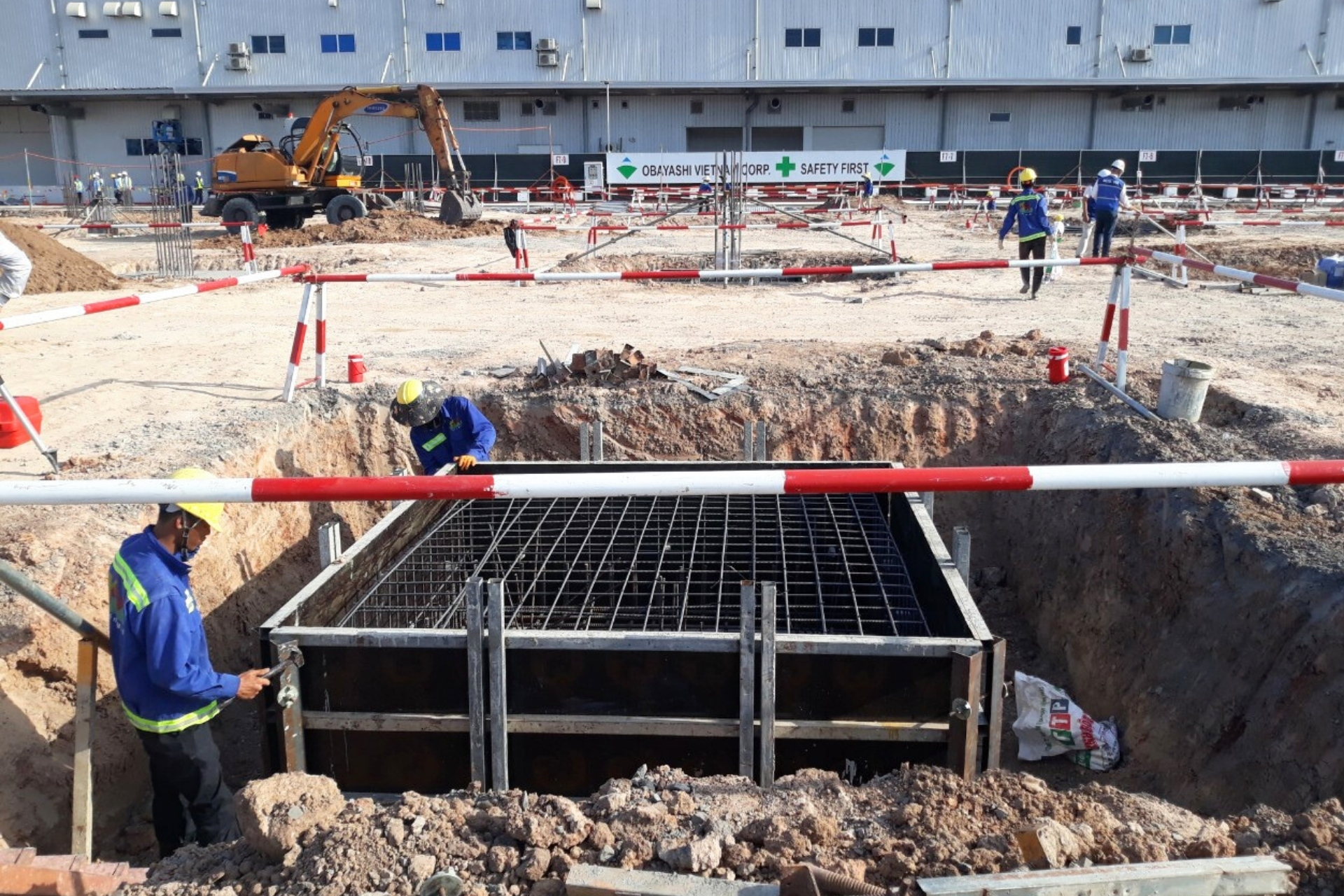
This is the first step in the construction process. Before construction begins, the site needs to be cleaned, leveled, and the building’s grid lines and axes need to be set out. Depending on actual conditions, the soil may need to be treated before foundation construction.
The foundation solution is selected based on geological conditions, load requirements, and the scale of the factory. Isolated footings, strip footings, or pile foundations may be used. The contractor then carries out the construction of foundations, foundation beams, and concrete floors according to the design documents. This provides the basis for ensuring the long-term stability and load-bearing capacity of the building.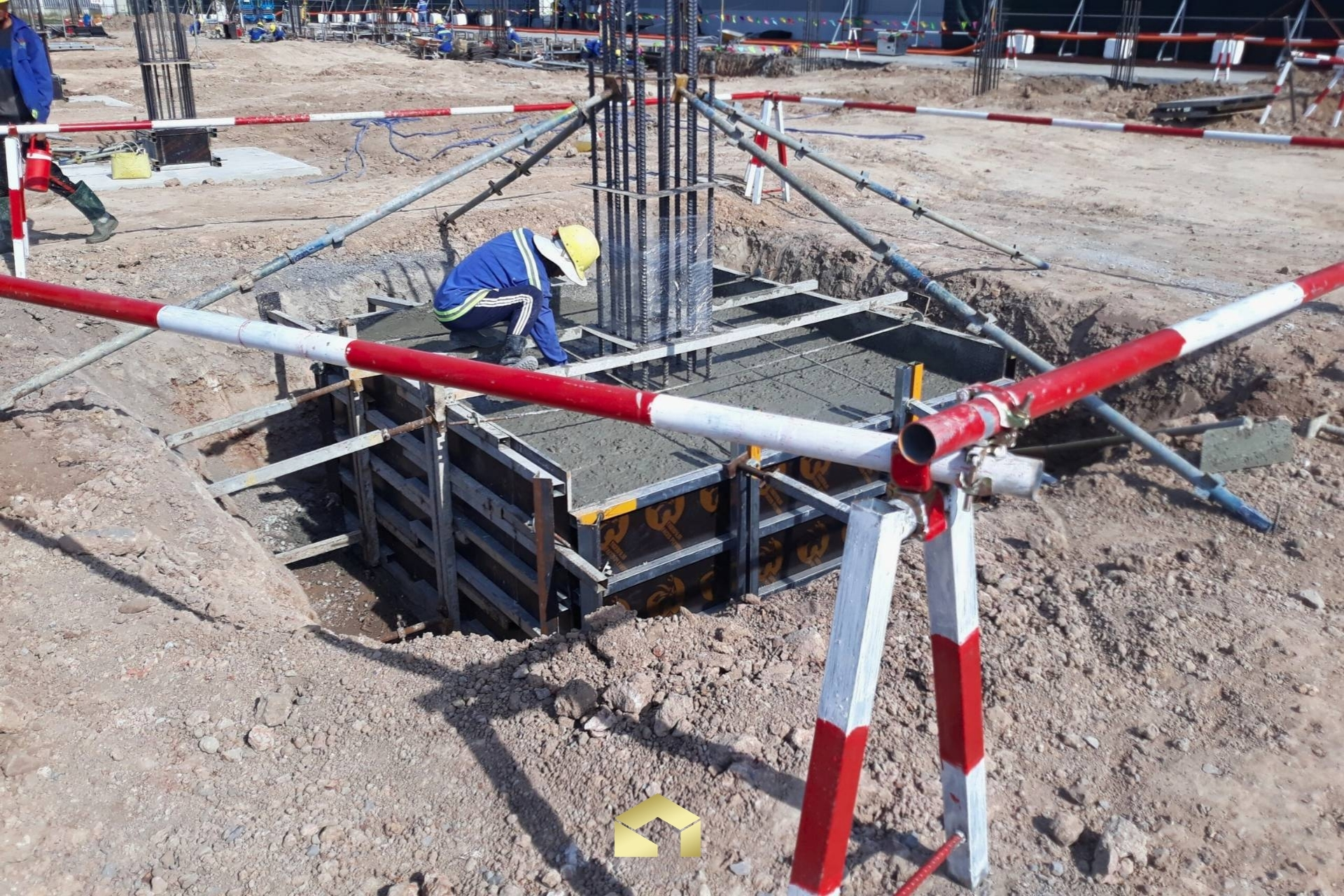
Foundation and flooring construction works.
2. Erection of the Building Structure
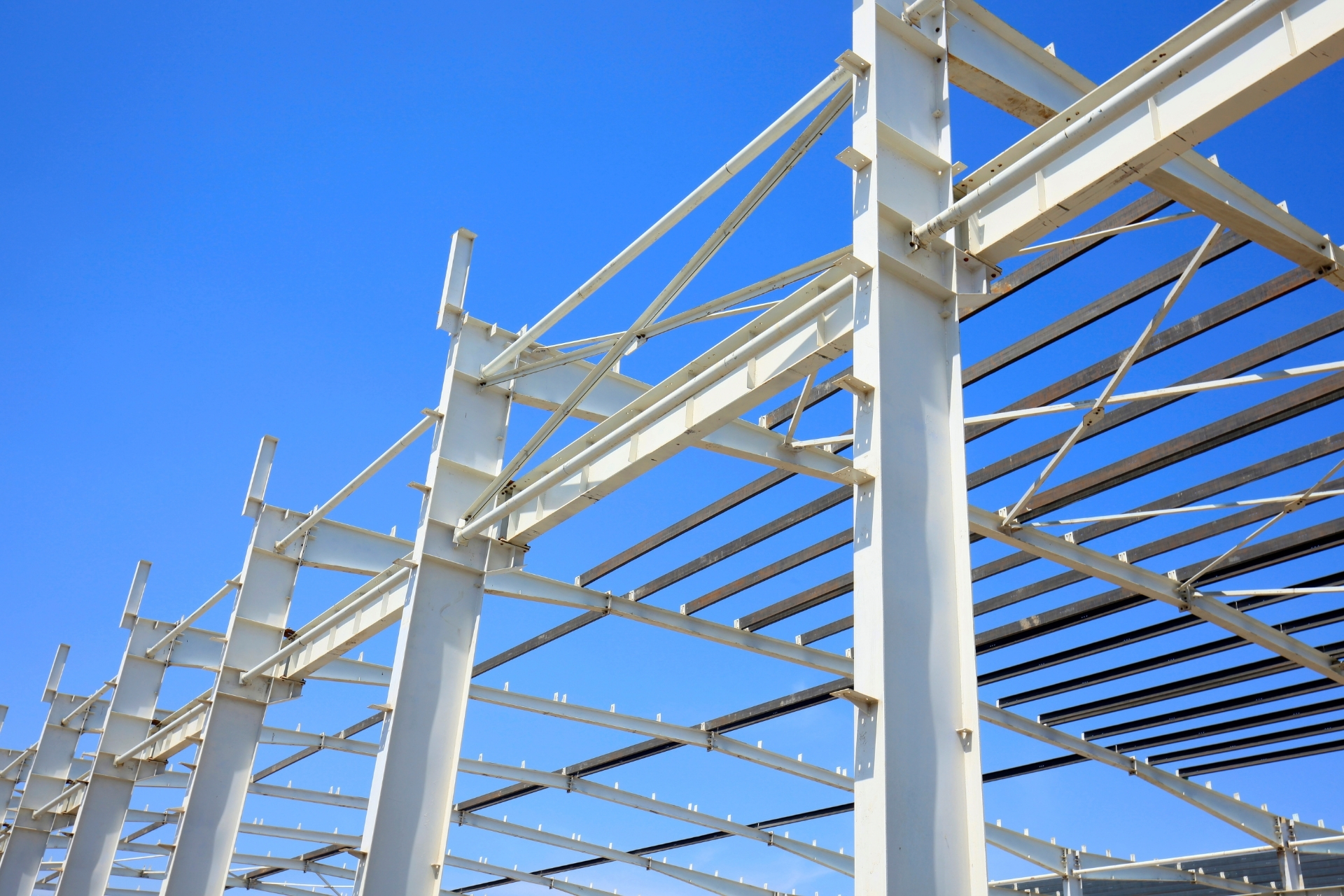
After the foundation meets the required standards, the erection of the steel structure is carried out. Steel frames/reinforced concrete structures are the main load-bearing components of many industrial factories. The system typically includes columns, rafters, beams, purlins, bracing, and bolted connections.
The structural components are transported to the construction site and erected according to the specified sequence. During this process, the contractor needs to check the grid lines, elevations, verticality, and quality of the connections.
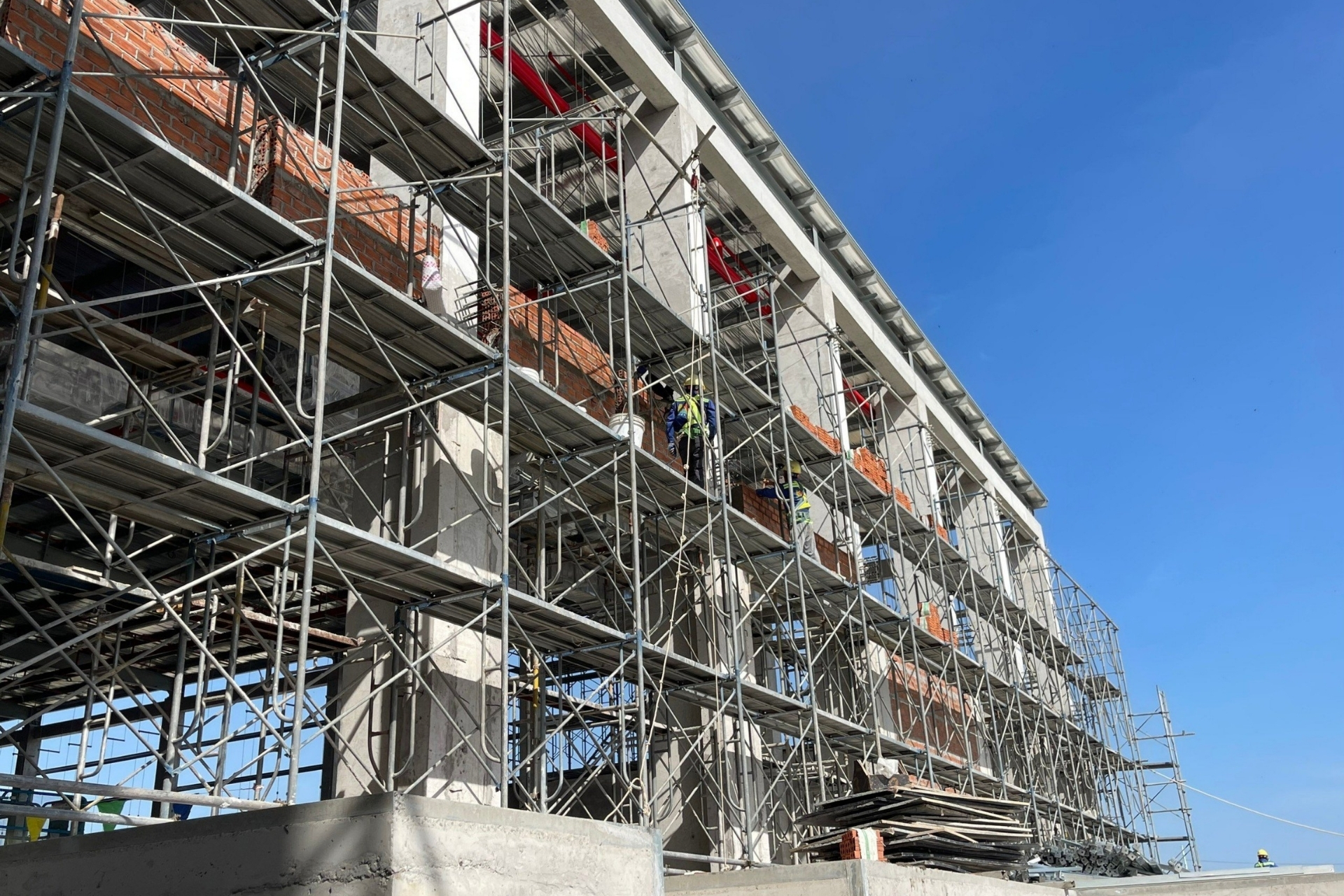 Reinforced concrete structure construction.
3. Wall Enclosure and Roofing System Construction
Once the structure is completed, the building enclosure system is implemented. Depending on requirements, factories may use metal sheets, insulated panels, or masonry walls. The roofing system also needs to be selected according to climatic conditions and usage requirements.
The work items typically include:
- Metal sheet roofing or panel roofing.
- Enclosure walls.
- Doors.
- Rolling doors.
- Loading and unloading doors.
- Gutters and roof drainage systems.
Suitable enclosure materials help protect the building from weather impacts. They also help reduce heat, prevent water infiltration, and improve energy efficiency.
4. Technical Systems Installation
This is an important group of work items in factory construction. Technical systems need to be calculated based on the actual functions and production lines.
The electrical system supplies power to machinery, equipment, and lighting. The work items may include transformer stations, electrical panels, power systems, and lighting systems.
The water supply and drainage system serves production and daily-use needs. It also ensures that rainwater and wastewater are properly drained in accordance with requirements.
In addition, depending on the industry, a factory may require:
- Air conditioning systems.
- Ventilation systems.
- Compressed air systems.
- Fire protection and prevention systems.
- Dust extraction systems.
- Specialized technical systems.
Synchronized implementation helps ensure that the factory is ready for operation immediately after handover.
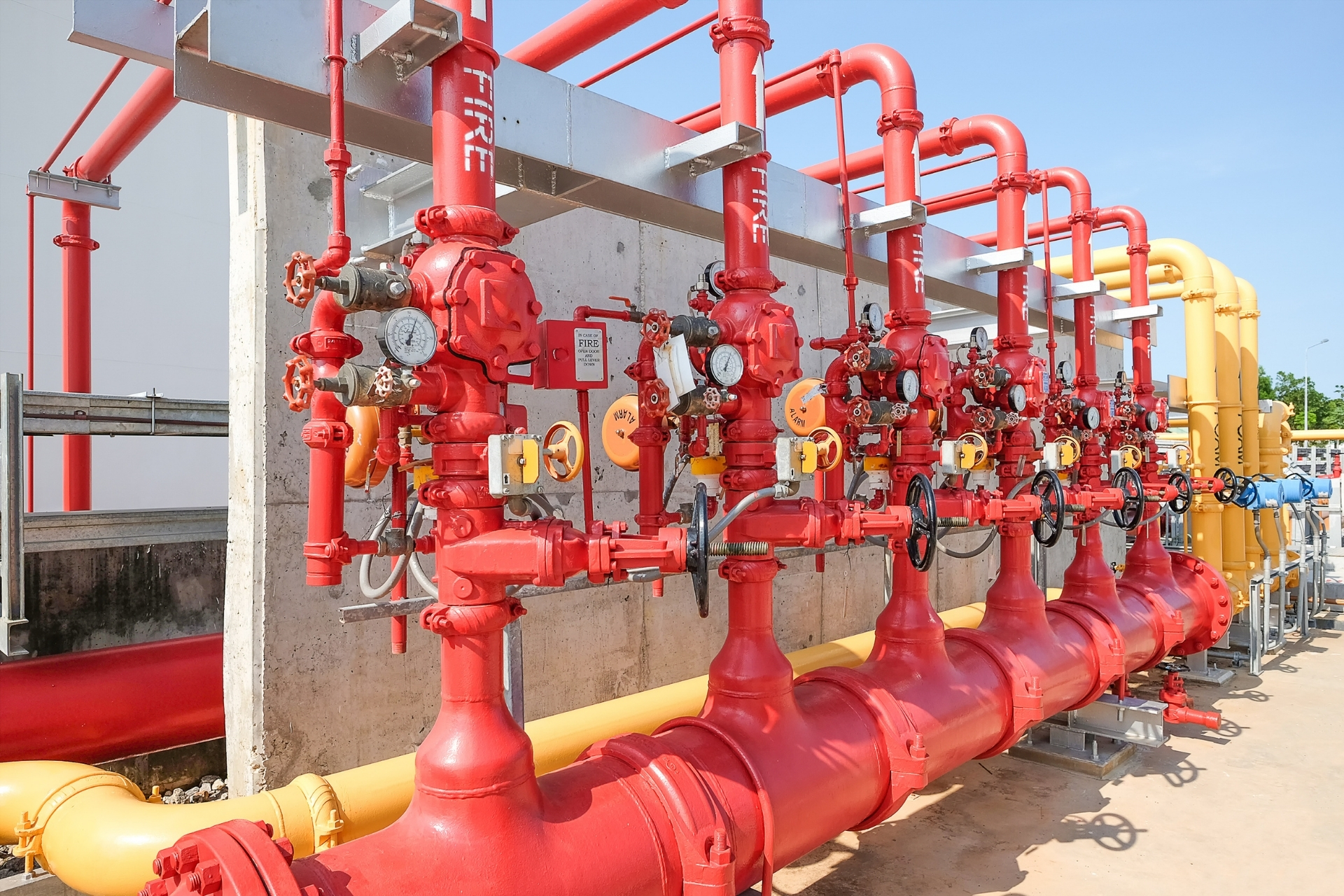
Fire protection and prevention system installation.
5. Project Finishing and Acceptance
After the main work items are completed, the project moves to the finishing stage. The work may include painting the steel structure, finishing the flooring, installing equipment, completing auxiliary areas, and treating areas that require waterproofing.
The contractor then inspects each work item. Any issues that do not meet the requirements will be addressed before acceptance. The acceptance process helps evaluate the quality of the project, its level of completion, and its readiness for operation.
Key Factors to Control During Factory Construction
In addition to the construction sequence, project quality also depends on the ability to control the entire process.
Quality control: Incoming materials need to be inspected before use. Important work items such as foundations, steel structures, and technical systems must be constructed in accordance with the design documents.
Schedule control: Work must be planned according to each stage. Materials, manpower, and equipment must be prepared at the right time to minimize waiting periods.
Safety assurance: Factory construction often involves various types of work at height and lifting equipment. Therefore, occupational safety needs to be controlled throughout the construction site.
In addition, the project must meet requirements related to fire prevention and firefighting, emergency exits, and operational safety.
Why Choose Turnkey Factory Construction?
With a turnkey solution, the investor has a single unit responsible for the entire process, from design to construction. This helps reduce the number of management points and minimize conflicts between work items. In particular, when architecture, structure, and technical systems are implemented synchronously, issues arising during construction can be minimized from the outset.
This approach also makes it easier for investors to control schedule, quality, and budget. A clearly defined construction package should also specify the scope of work, materials, technical standards, and responsibilities of each party. This is an important basis for minimizing disputes and additional costs.
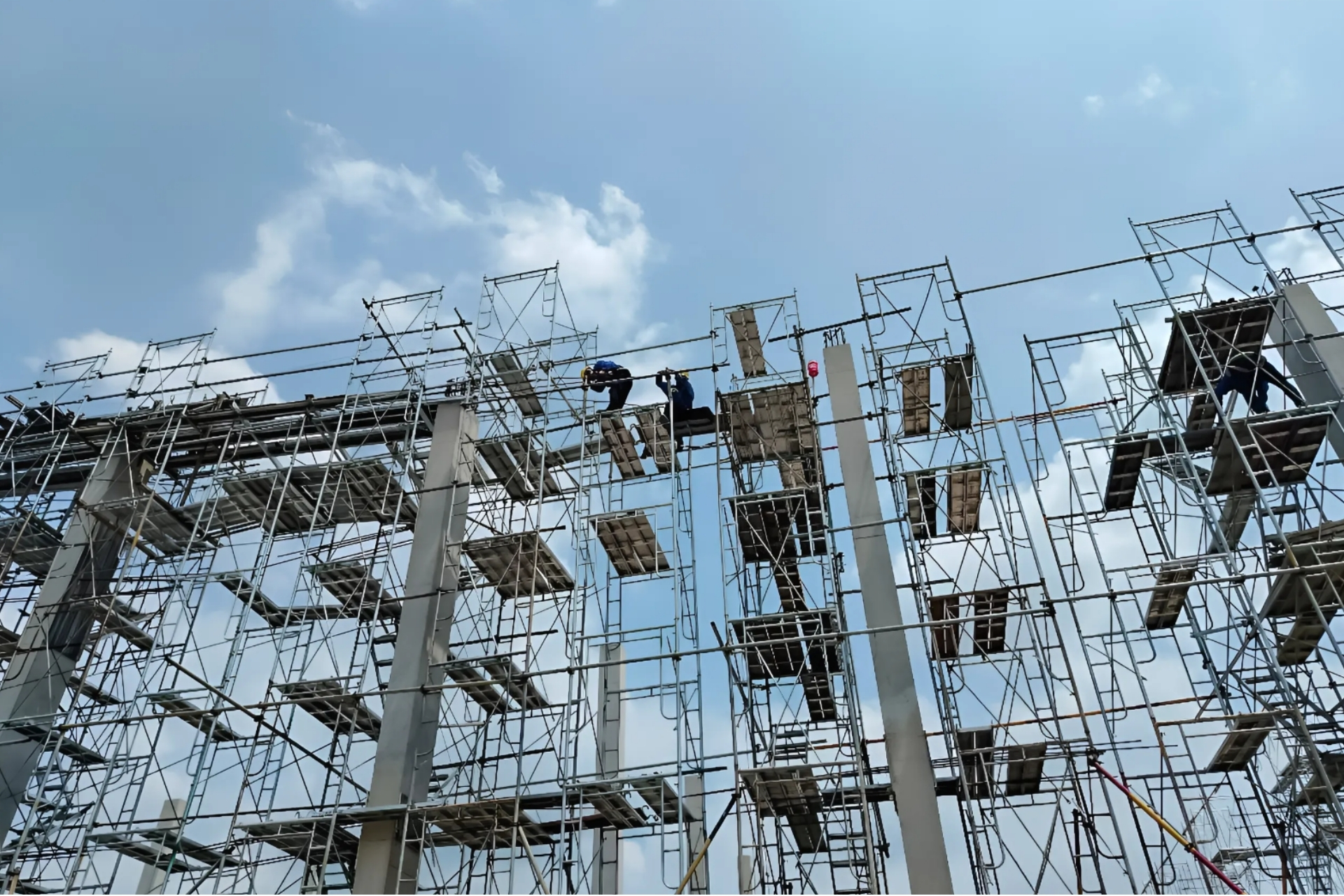
Why choose turnkey factory construction?
TECO – Turnkey Factory Design and Construction Contractor
TECO provides integrated factory design and construction solutions. The process can cover everything from site surveys and master planning to architectural design, structural design, MEP, fire protection and prevention, and finishing construction. Combining design and construction under one unit enables closer coordination among work items. At the same time, investors can conveniently control schedule and quality throughout the implementation process.
TECO focuses on solutions tailored to the specific characteristics of each production industry. From industrial factories and manufacturing plants to service workshops and auxiliary facilities. With experience in implementing numerous industrial projects, TECO focuses on three key factors: functionality, schedule, and quality.
See also:
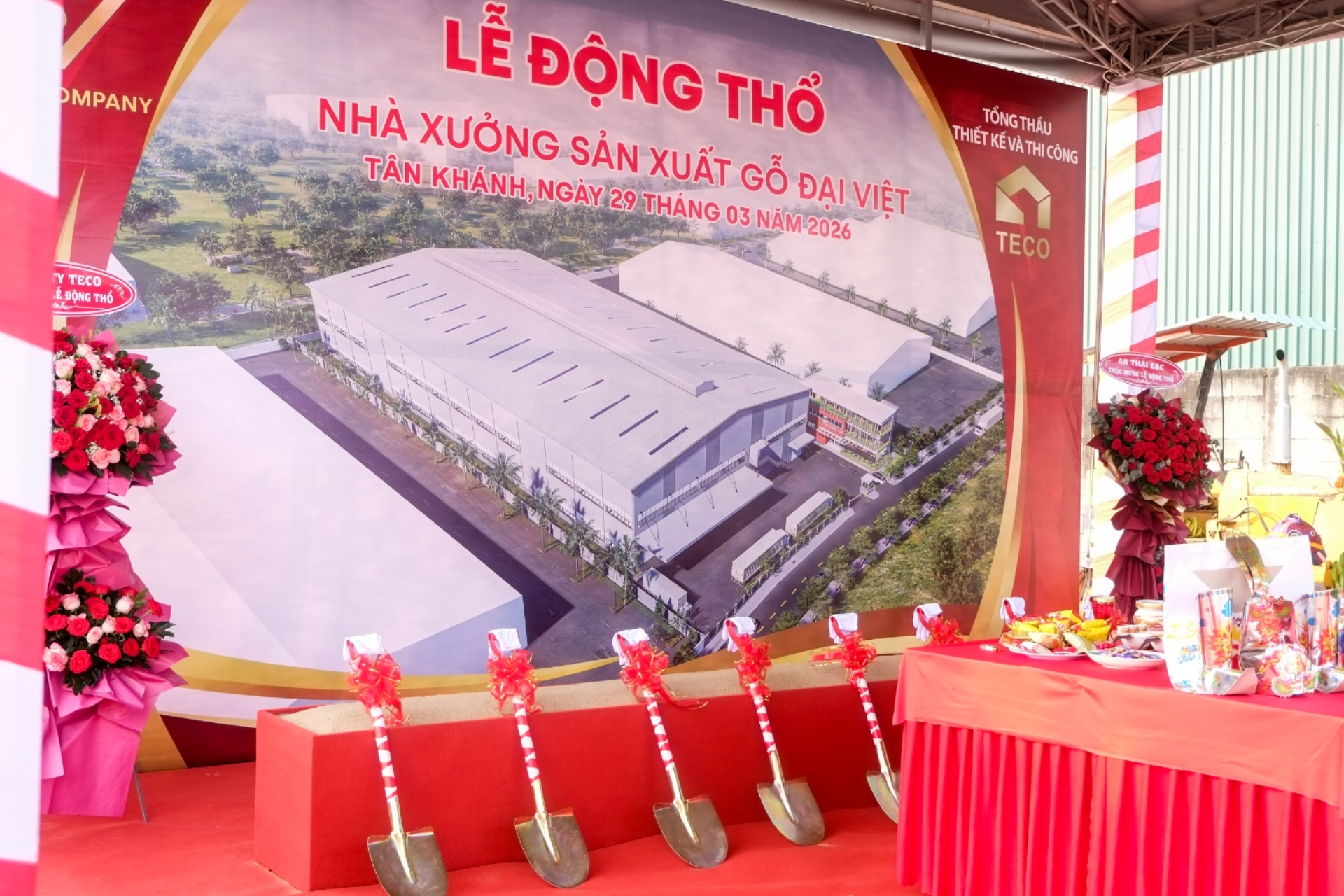
Đại Việt Wood Manufacturing Factory Project
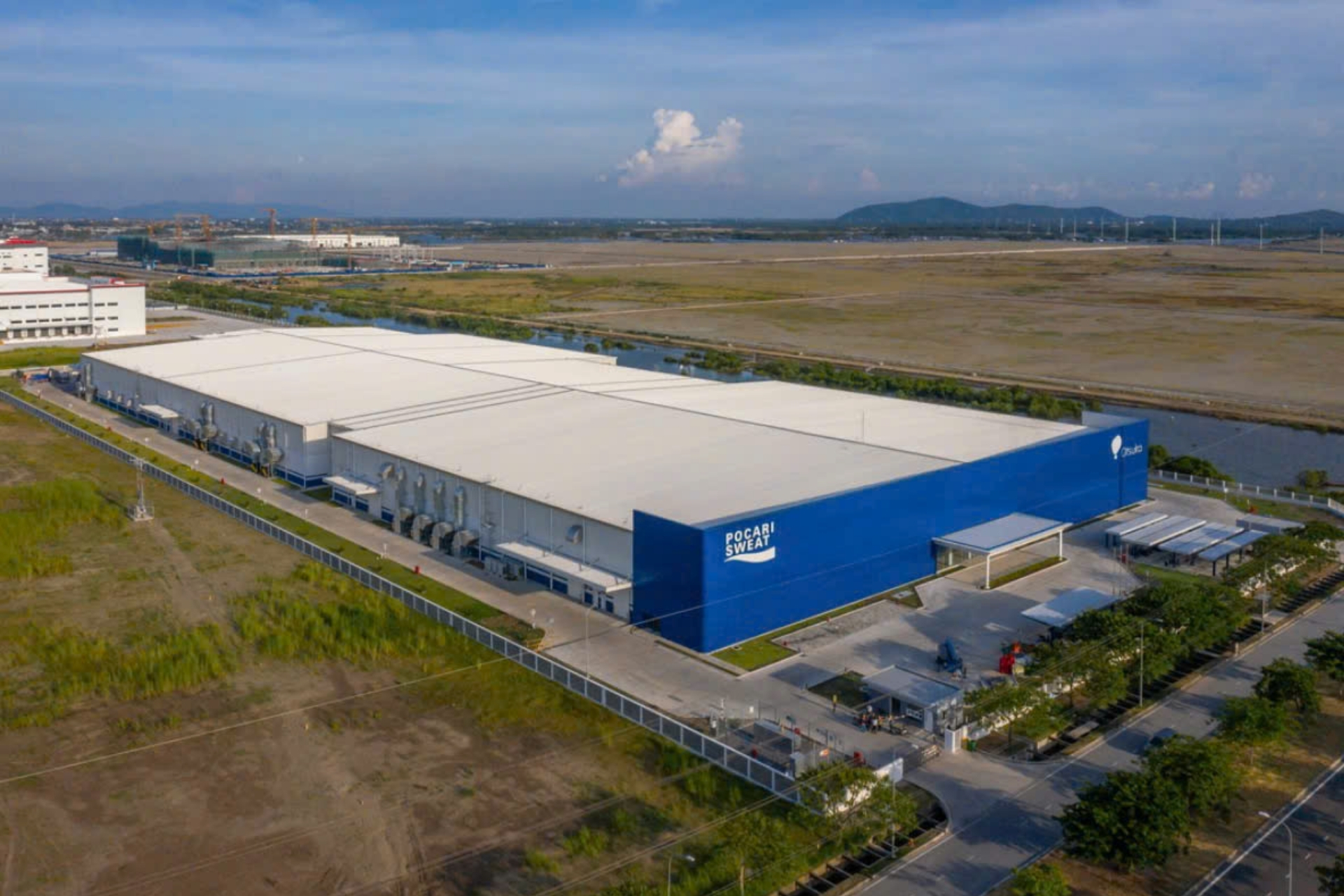
Pocari Sweat Factory Construction Project
SMC Long Duc Factory Construction Project
Fujiya Long An Factory Construction Project
Showa Gloves Factory Construction Project – Binh Duong
Conclusion
Turnkey factory construction is a process consisting of multiple closely interconnected work items. The basic sequence includes site preparation, foundation and flooring construction, structural frame erection, wall enclosure and roofing, technical system installation, finishing, and acceptance.
Each stage directly affects the quality and operational capacity of the project. Therefore, choosing a contractor with integrated design and construction capabilities will help businesses better control schedule, costs, quality, and safety.
TECO is ready to accompany businesses from consulting and design to turnkey factory construction, with the goal of delivering modern, efficient projects that are aligned with long-term development strategies.