Essential Components of an Industrial Factory Project
An industrial factory is more than just a production facility—it is a valuable asset that supports a company’s long-term growth. A well-planned and professionally executed factory helps optimize operations, improve productivity, and reduce operating costs over time.
To achieve these goals, every project component must be implemented in a coordinated manner from the very beginning. From site surveys and design to foundations and technical systems, each element contributes to the overall quality and performance of the facility.
So, what are the essential components of a complete industrial factory project? Let’s explore them with TECO in the article below.
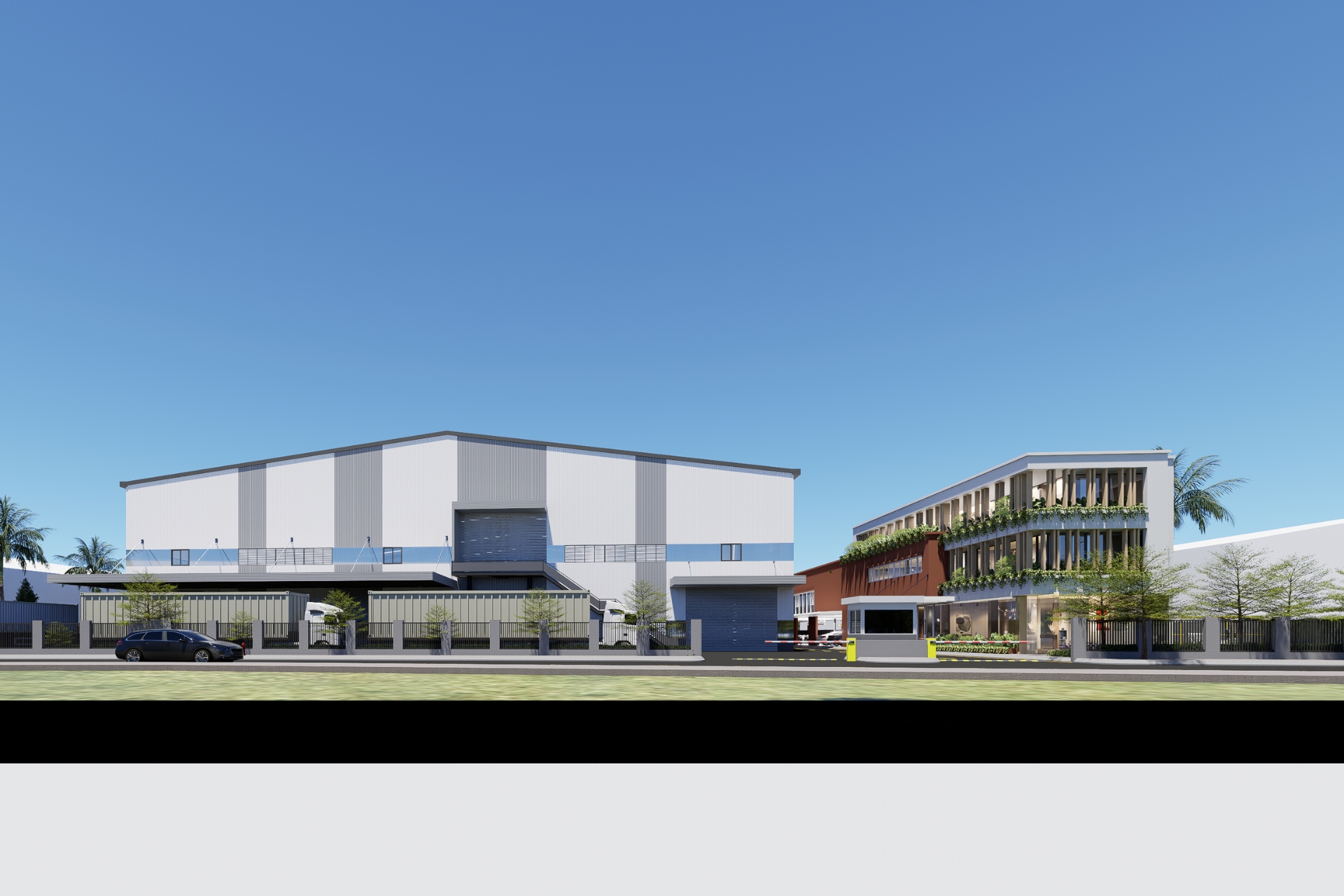 Industrial factory project components.
Why Is It Important to Implement All Components of an Industrial Factory Project?
Ensuring Construction Quality
Each project component plays a specific role within the overall structure. If any component is omitted or constructed below standard, the factory may encounter various operational issues after completion.
Investing in every component from the outset ensures that the industrial factory has a solid structure, a long service life, and meets all technical standards.
Optimizing Production Efficiency
A well-planned factory layout enables smoother operations.
Properly arranged production areas, warehouses, office spaces, and internal transportation routes reduce travel time, improve labor productivity, and streamline manufacturing processes.
Controlling Investment Costs
Implementing all project components according to plan helps businesses minimize unexpected costs during construction.
At the same time, the facility requires less maintenance and fewer repairs after it begins operation.
Controlling factory investment costs.
Ensuring Safety
Technical systems such as electrical, ventilation, and fire protection systems must be designed as an integrated whole.
This protects workers, machinery, and company assets throughout the factory’s operation.
Essential Components of an Industrial Factory Project
Site Survey and Design
This is the first stage of every industrial factory project. Engineers conduct site investigations, geotechnical surveys, and assessments of existing conditions. They then proceed with master planning, architectural design, structural engineering, MEP system design, and fire protection system design.
A complete design package enables businesses to control budgets, minimize errors, and ensure a smooth construction process.
Foundation System
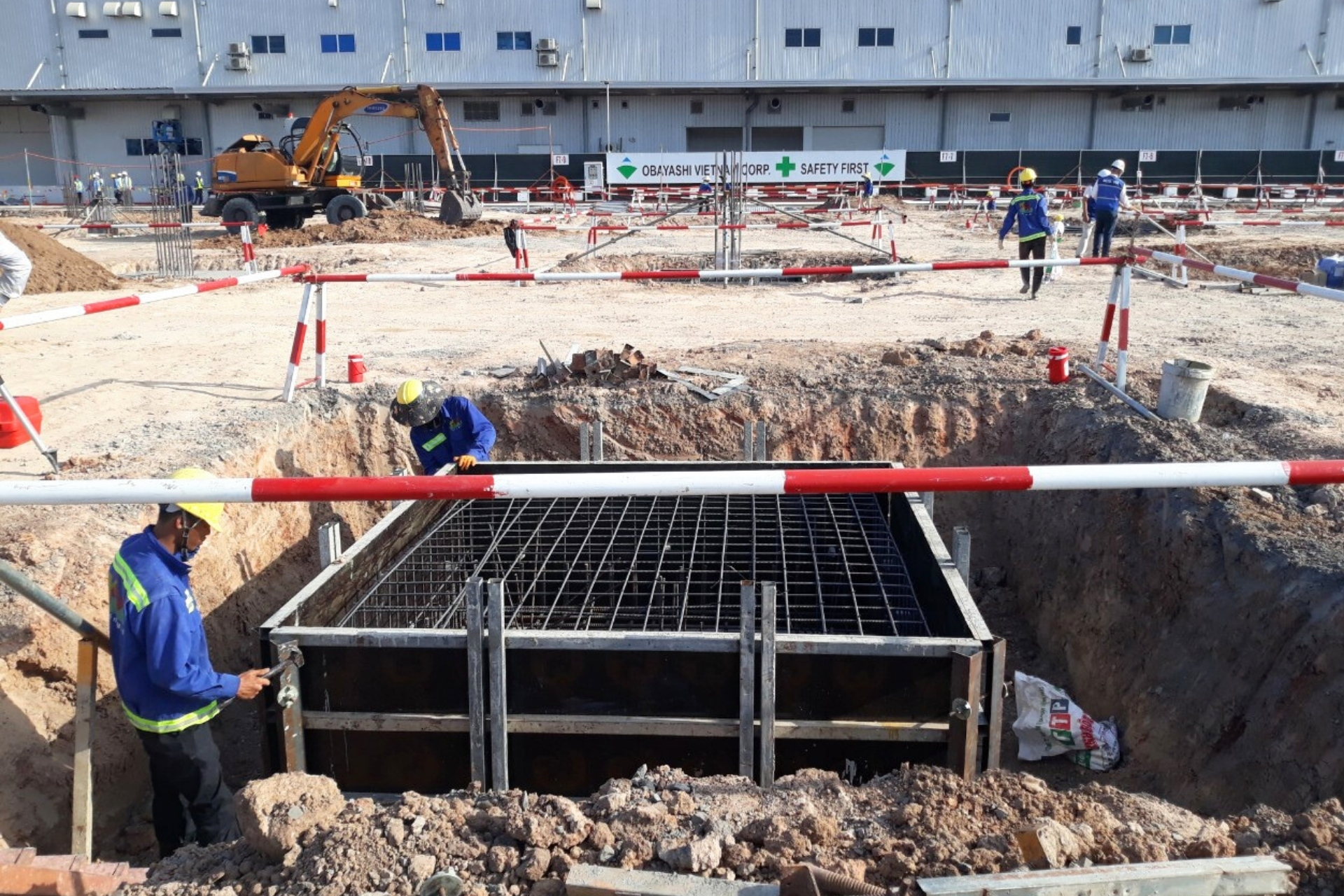
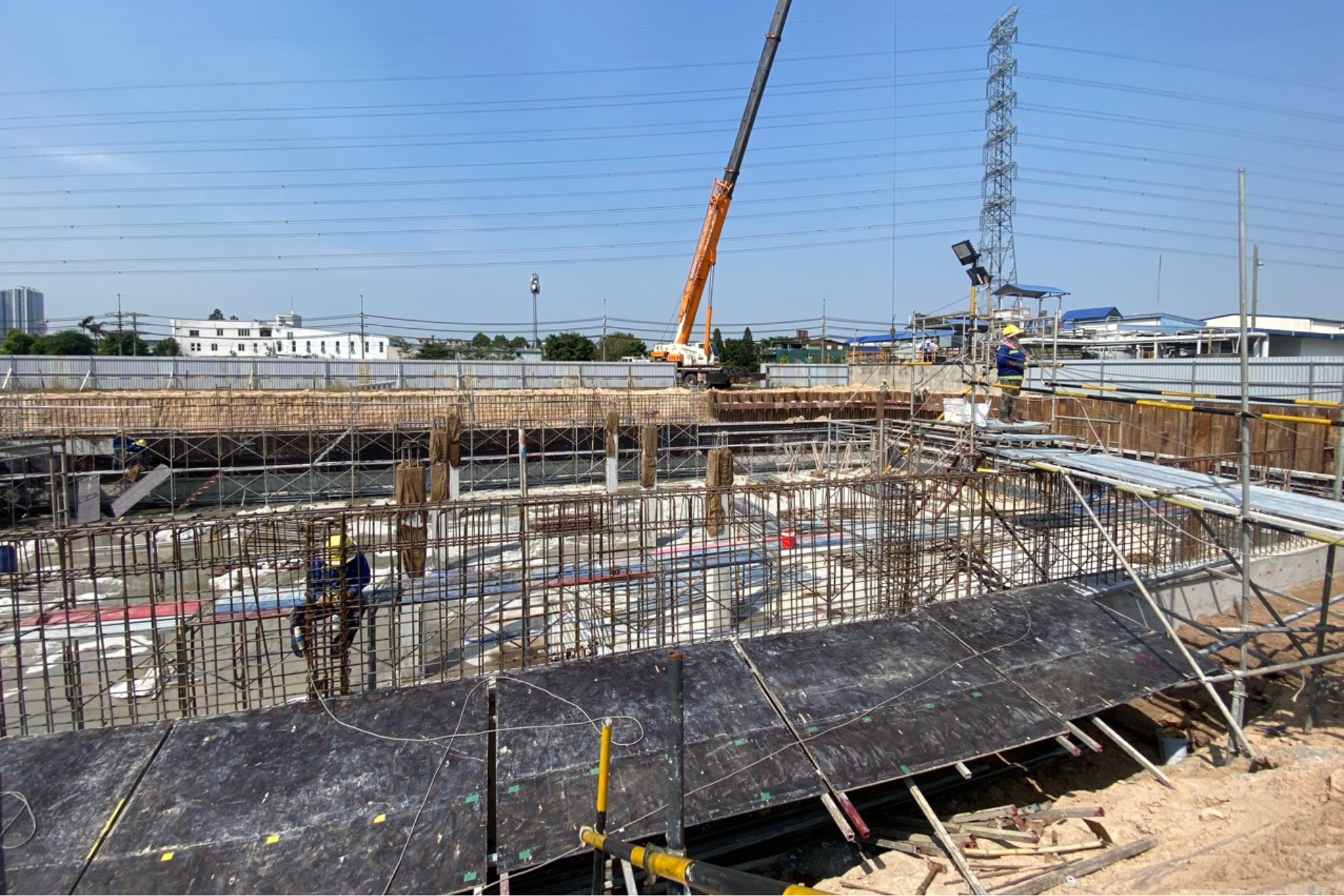
The foundation bears the entire structural load of the building. Depending on soil conditions and project scale, engineers select the appropriate foundation solution, such as isolated footings, strip foundations, or pile foundations.
A high-quality foundation ensures the long-term stability of the industrial factory and supports the operational requirements of production lines.
Factory foundation system under construction.
Steel Structure and Factory Frame
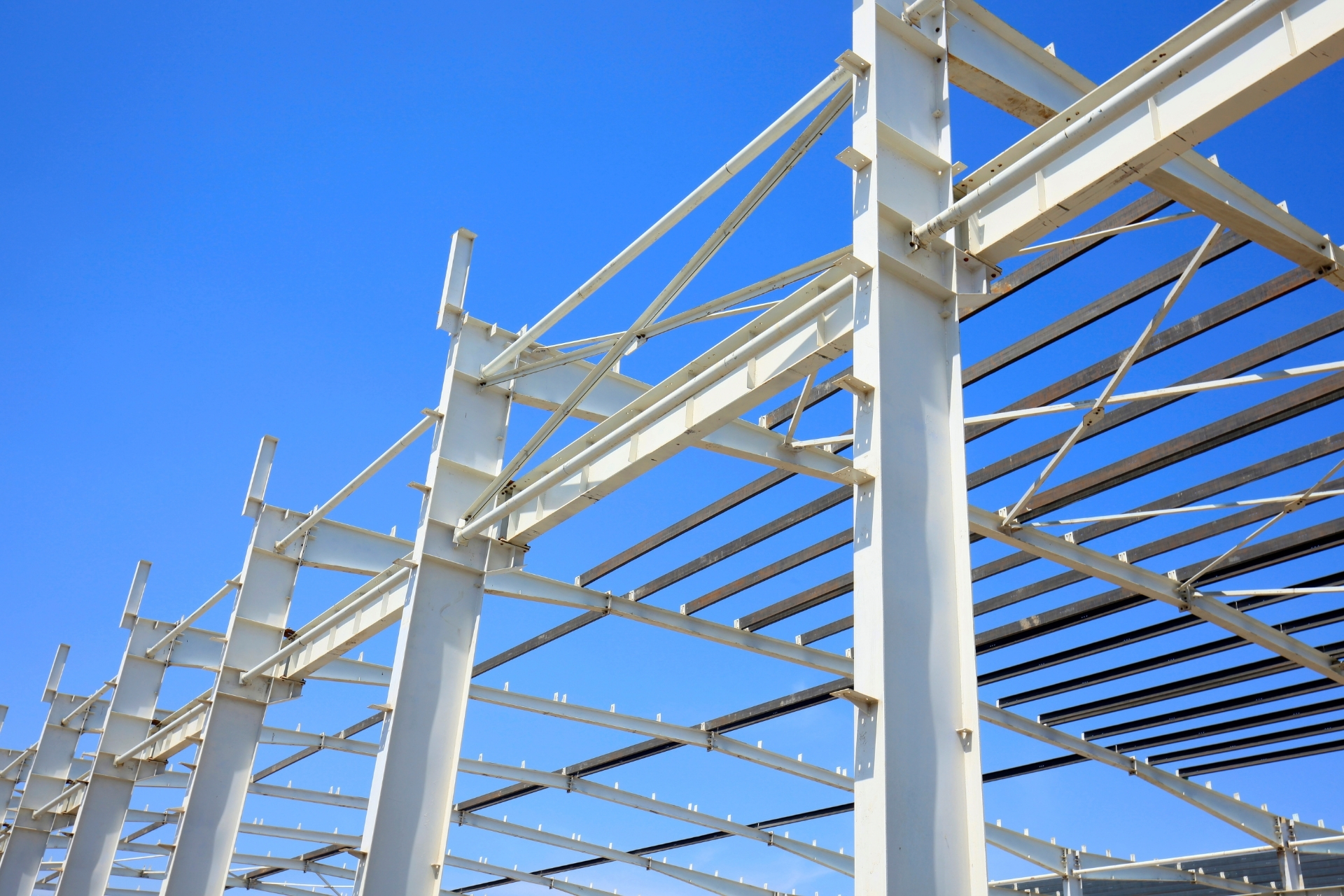
The steel structure serves as the primary load-bearing framework of the building. It includes steel columns, steel rafters, beams, purlins, bracing systems, and bolted connections.
Steel structures significantly shorten construction time while allowing businesses to expand production capacity more easily in the future. This has become the preferred solution for many modern industrial factory projects.
Roofing and Building Envelope
The roof and wall systems protect the building from weather conditions. Common materials include insulated metal roofing, insulated sandwich panels, masonry walls, and panel wall systems.
In addition, rolling shutters, loading doors, emergency exits, and gutter systems should be properly designed and installed.
A high-quality building envelope improves thermal insulation, waterproofing, noise reduction, and energy efficiency for the industrial factory.
MEP System
The MEP system is one of the most important components of an industrial factory. It includes:
Electrical System
Provides stable power for manufacturing and lighting operations, including:
- Transformer station
- Electrical switchboards
- Power distribution systems
- Lighting systems
Water Supply and Drainage System
Responsible for clean water supply, stormwater drainage, and wastewater treatment.
A properly designed system ensures stable operations while protecting the environment.
HVAC and Ventilation System
Controls temperature and indoor air quality within the factory.
Common equipment includes:
- Exhaust fans
- Supply air fans
- Cooling Pad systems
- Industrial air conditioning systems
Compressed Air System
Many industries—including mechanical engineering, electronics, and food manufacturing—rely on compressed air during production.
Designing the compressed air system from the beginning helps maximize production efficiency.
Fire Protection System
Fire protection is a mandatory requirement for every industrial factory.
The system typically includes:
- Automatic fire alarm system
- Sprinkler system
- Fire hydrants
- Fire extinguishers
- Fire pumps
- Fire water storage tanks
Investing in a code-compliant fire protection system helps businesses pass inspections and ensures operational safety.
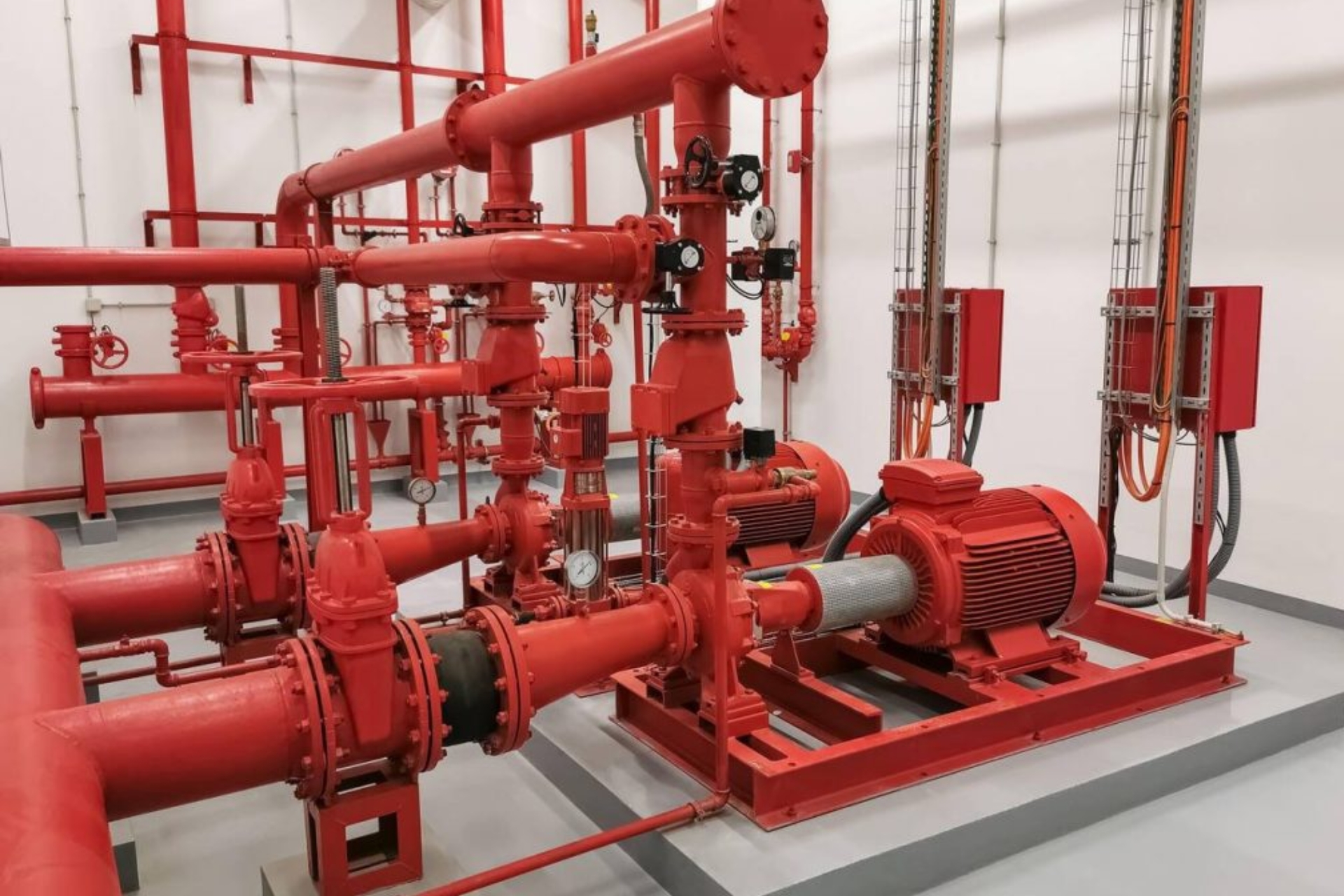 Industrial factory MEP system.
Technical Infrastructure
Beyond the main building, technical infrastructure also plays an important role.
It includes:
- Internal roads
- Parking areas
- Drainage systems
- Outdoor lighting
- Perimeter fencing
- Security gates
- Landscaping and green spaces
A comprehensive infrastructure system enables efficient factory operations while creating a professional corporate image.
Office and Supporting Facilities
Modern industrial factories often integrate office areas to improve management efficiency.
These facilities typically include:
- Office spaces
- Meeting rooms
- Technical rooms
- Cafeteria
- Pantry
- Restrooms
- Security office
- Medical room
- Storage rooms
Proper planning creates a comfortable working environment and improves employee productivity.
Industry-Specific Components
Each manufacturing industry has its own technical requirements.
- Food factories require cold storage, cleanrooms, and HACCP-compliant processing areas.
- Electronics factories typically require cleanrooms and anti-static flooring.
- Pharmaceutical plants require GMP-compliant HVAC systems and cleanrooms.
- Logistics facilities require high-bay warehouses, loading docks, and conveyor systems.
Benefits of Integrated Design and Construction
A coordinated design-build approach enables businesses to manage the entire project from design through construction.
All project components are carefully coordinated, minimizing technical conflicts and reducing unexpected costs.
In addition, construction schedules are shortened, overall quality is improved, and future maintenance becomes more convenient.
This integrated approach has become the preferred solution for companies investing in modern industrial factory projects.
TECO – A Trusted Industrial Factory Design and Construction Contractor
TECO has many years of experience in industrial factory design and construction. We provide turnkey solutions covering site surveys, master planning, architectural design, structural engineering, MEP systems, fire protection systems, construction, and project management.
Our architects and engineers are committed to optimizing functionality, controlling project budgets, and ensuring quality in every project component.
TECO has partnered with numerous businesses on factory and industrial facility projects across Vietnam. Every project is delivered through a professional process, completed on schedule, and fully compliant with current technical standards.
TECO – A Trusted, Professional, and Sustainable Factory Design & Build General Contractor.
Conclusion
A high-quality industrial factory is built not only on a strong structural framework but also through the seamless integration of multiple technical systems and construction components. From site surveys, foundations, steel structures, MEP systems, fire protection systems, infrastructure, to office facilities, every component contributes to operational efficiency and the long-term value of the project.
If your business is looking for a trusted industrial factory design and construction partner, TECO is ready to support you from initial consultation through project handover. With extensive experience delivering industrial projects, TECO is committed to providing optimized solutions in functionality, cost efficiency, and construction quality—helping businesses build a solid foundation for sustainable growth.