Factory Design and Construction Process from A–Z (Latest Update)
In the context of production increasingly optimized for efficiency, factory design and construction is no longer a simple building activity. It is a comprehensive problem that directly relates to investment costs, operational capability, and future expansion potential. A factory implemented with the right process will help businesses minimize risks and improve long-term efficiency.
To fully understand its nature, this process needs to be divided into two distinct yet closely connected parts: the design process and the construction process. Let’s explore the details with TECO in the article below.
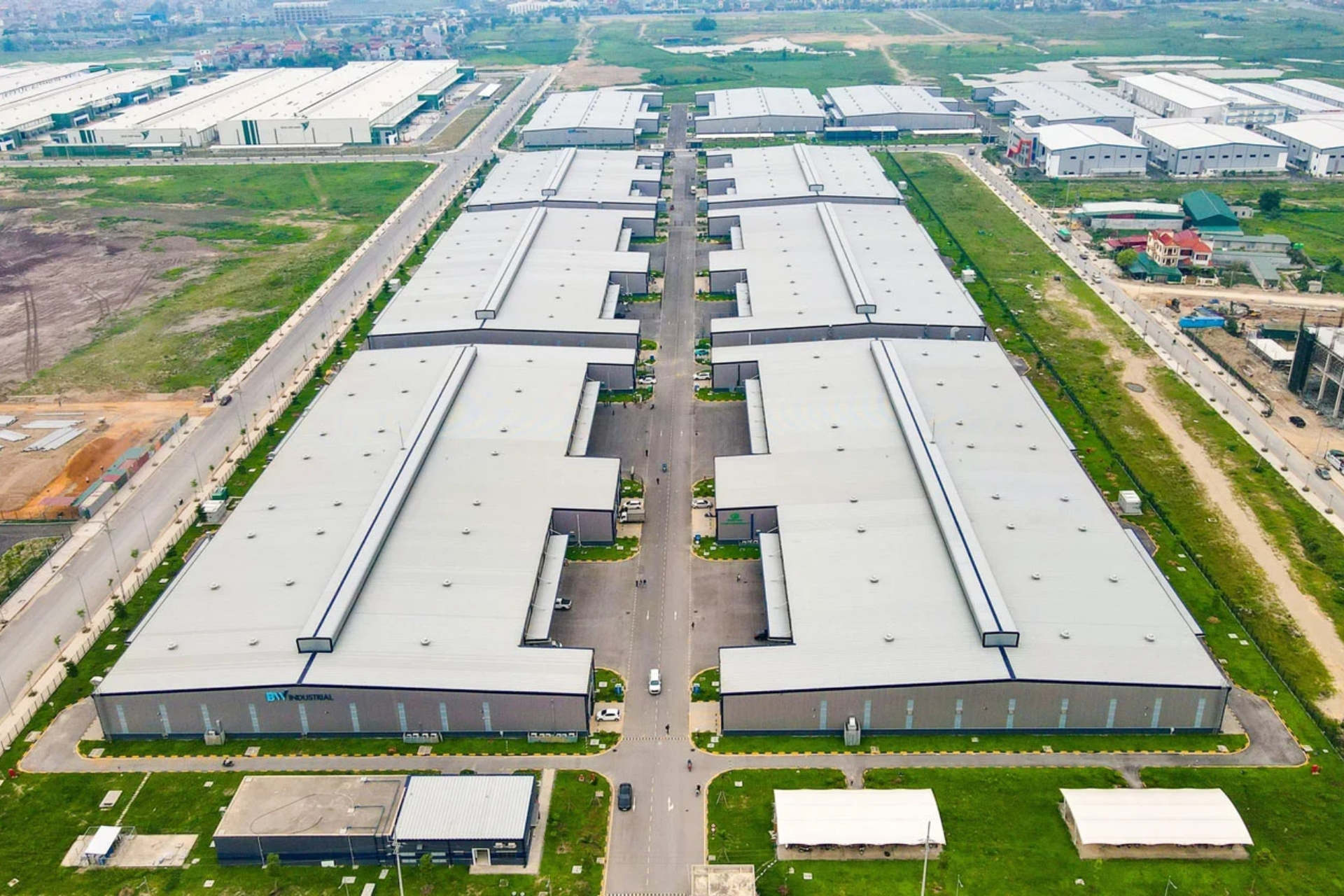 Factory Design and Construction Process from A–Z
Factory Design Process
Design is the foundational step in the entire factory design and construction process. This phase determines most of the investment cost and operational efficiency. A good design not only ensures functionality but also helps optimize materials and limit changes during construction.
Factory design is not limited to architecture but also includes structure and technical systems. All elements must be calculated synchronously from the beginning.
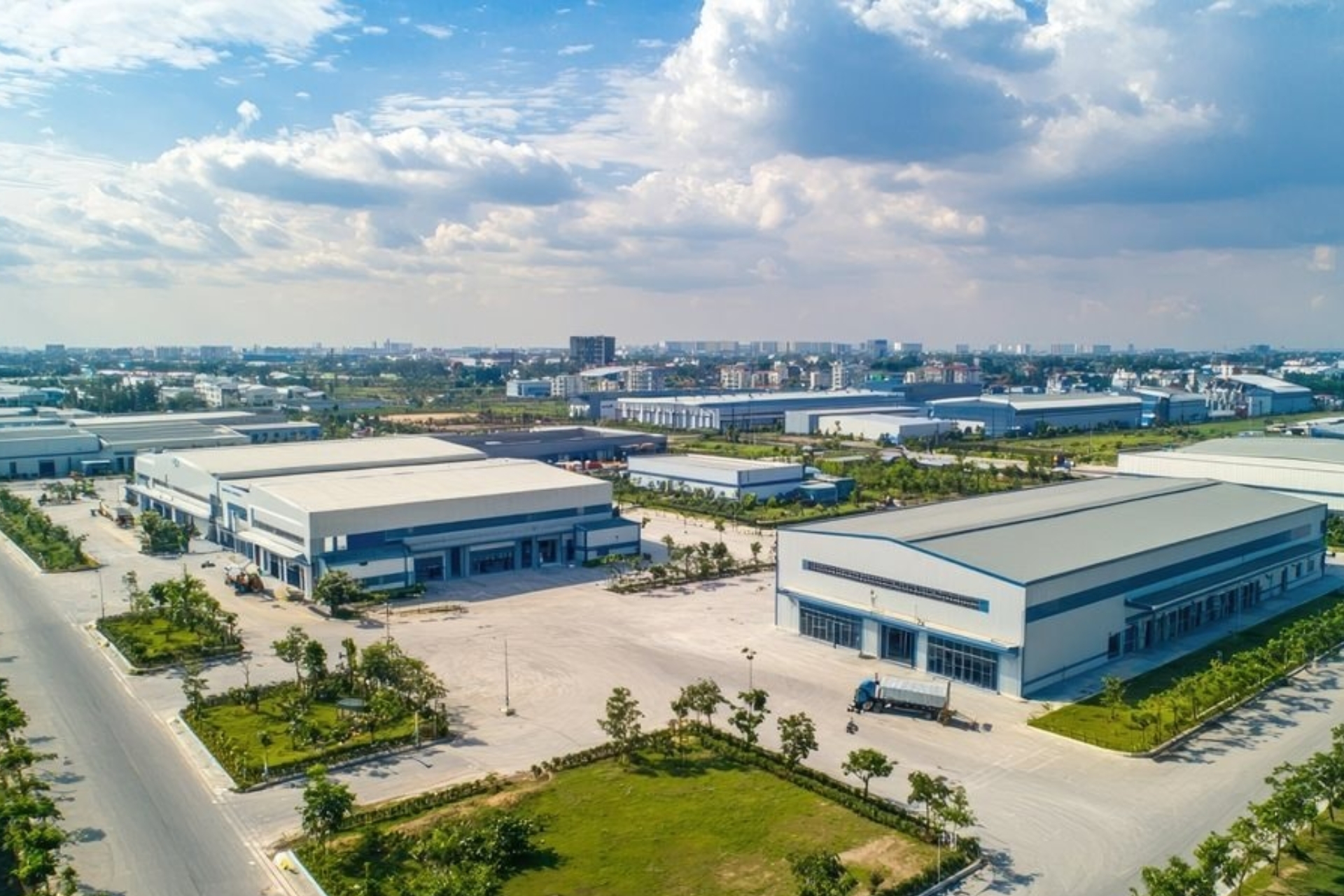 Factory design process
Receiving Information and Site Survey
The process begins with information gathering. The design unit works with the investor to determine the production industry, capacity, and operational requirements. This is critical input data to shape the project.
At the same time, surveying the site helps assess geology, infrastructure, and construction conditions. Weak soil requires different foundation solutions compared to hard ground. Skipping this step can lead to significant construction risks.
Preliminary Design Proposal
After collecting data, a preliminary plan is developed. The master layout is arranged based on functional optimization principles. Production areas, warehouses, and offices are organized logically.
Internal circulation flow is also calculated to avoid intersections. This helps reduce transportation time and improve efficiency. A well-planned layout can significantly save operational costs.
Basic Design
The basic design defines the project. Factory scale, height, and load capacity are clearly determined. The investor also selects suitable structural solutions, typically pre-engineered steel or reinforced concrete.
This stage acts as the “framework” for the entire project. If the direction is wrong, later stages will require adjustments, leading to time and cost overruns.
Detailed Technical Design
Once the basic plan is approved, the project moves to technical design. This stage involves detailed calculations of structural and system components.
Foundations, columns, trusses, and loads are precisely calculated to ensure durability. Electrical, plumbing, ventilation, and fire protection systems are designed in sync. All must align with the specific requirements of each industry.
Construction Drawings
Construction drawings are the documents for actual implementation. Every detail is clearly shown so that the construction team can execute accurately on-site.
A good set of drawings helps reduce errors and limit additional costs. This is a crucial bridge between design and construction.
Cost Estimation and Optimization
Based on the drawings, costs are calculated in detail. Materials, quantities, and labor are clearly defined.
Cost optimization should be carried out at this stage rather than cutting costs during construction. A well-thought-out design reduces costs while maintaining quality.
Design Appraisal and Approval
Before construction, design documents must be reviewed and approved. This step ensures the project meets technical and legal standards.
Once completed, the project is ready to move to the construction phase.
Factory Construction Process
Construction is the process of turning design drawings into reality. This phase requires strict control to ensure progress and quality. In the factory design and construction process, construction is not just about building, but also about management and coordination of multiple components simultaneously.
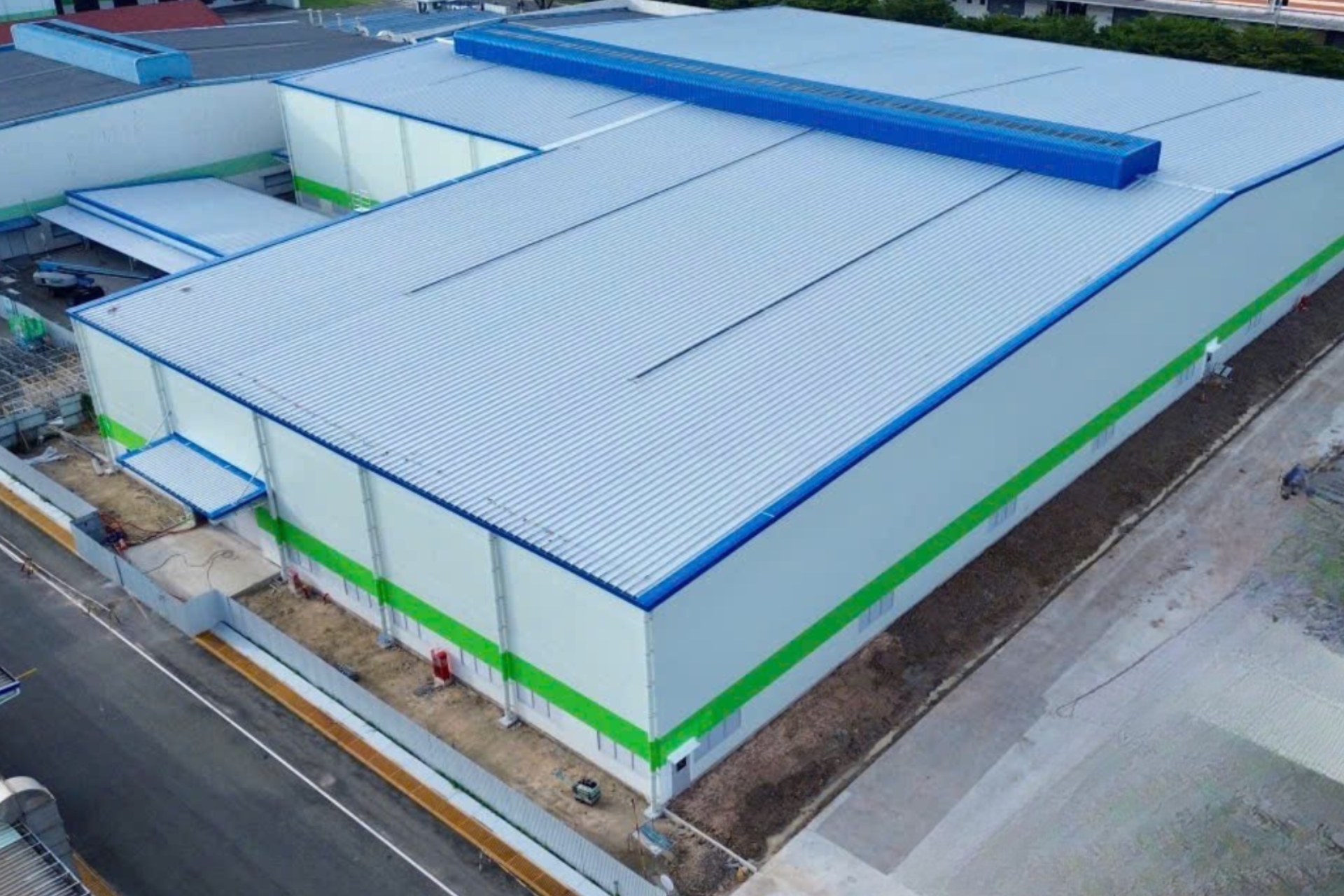 Quy trình thi công nhà xưởng
Receiving Documents and Construction Planning
The contractor receives the drawings and develops an implementation plan. Schedule, manpower, and materials are prepared in detail. This step ensures the project proceeds in the right direction and minimizes disruptions during construction.
Site Preparation
The site is cleared and leveled. The project is accurately positioned according to drawings. If the soil is weak, reinforcement is required before construction. A well-prepared site ensures smooth progress in subsequent steps.
Foundation Construction
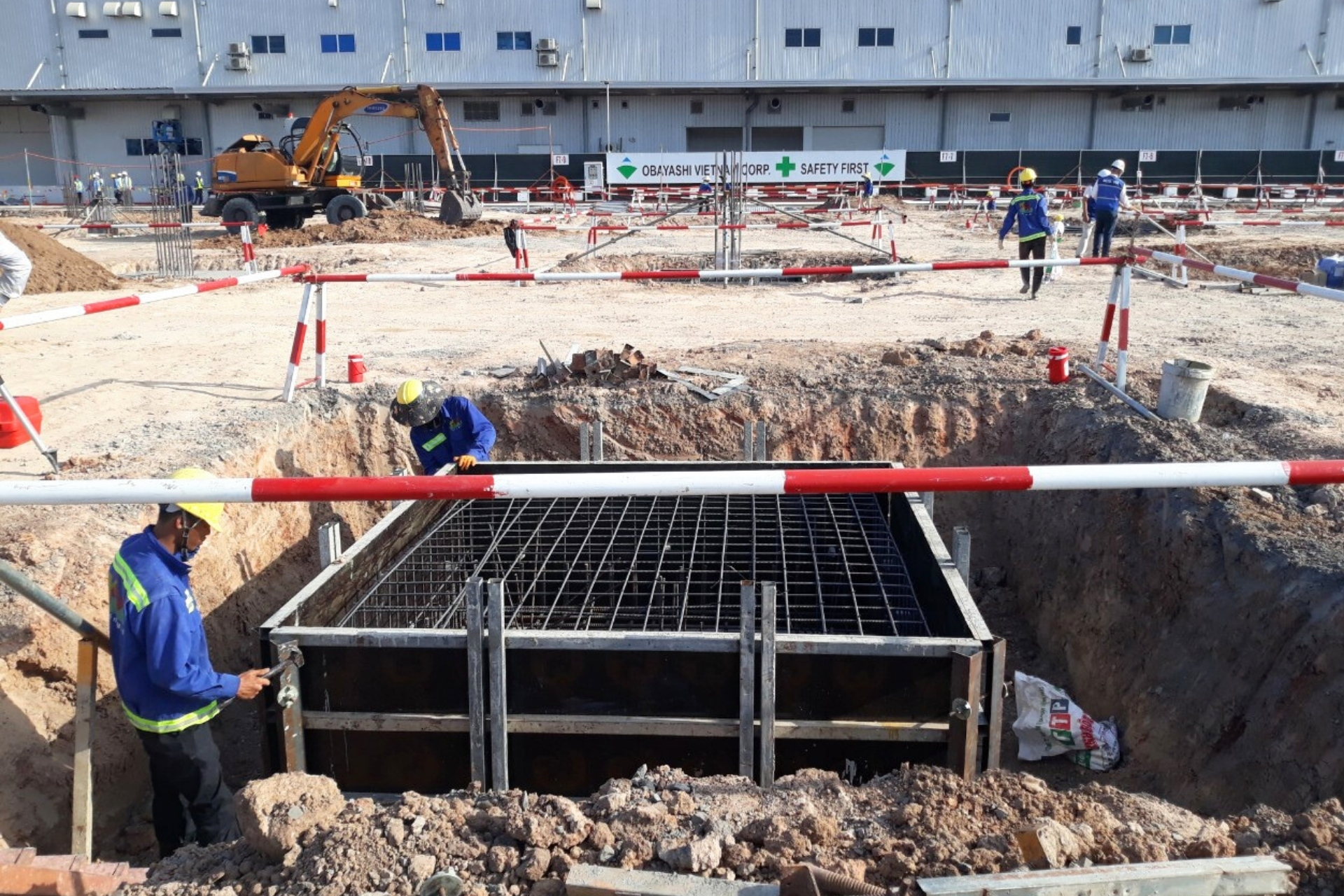
The foundation is the most critical part of a factory. Work includes excavation, reinforcement, and concrete pouring.
Foundation quality determines the stability of the entire structure. This step cannot be rushed or done superficially.
Steel Structure Fabrication and Erection
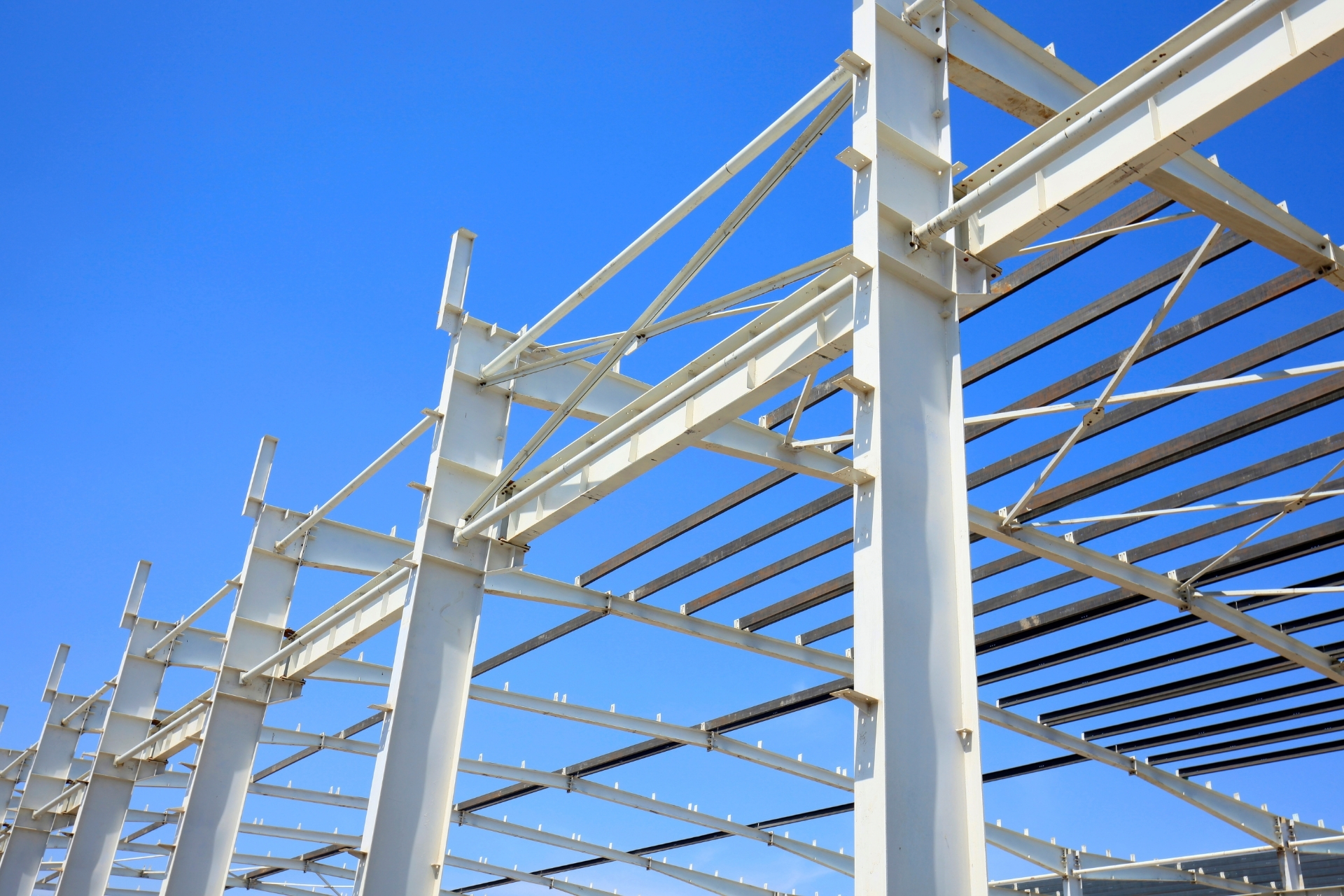
Steel components are manufactured in factories and transported to the site. Erection includes columns, trusses, and beams. Accuracy in installation directly affects the shape and safety of the factory.
Roofing and Enclosure Installation
Roofing and wall systems are installed after the main frame is completed. These act as protective layers against environmental impacts. Modern materials are often used to improve insulation and reduce noise.
Technical Infrastructure Construction
Internal roads, drainage systems, and yards are implemented. These components directly support operational activities. A well-designed infrastructure system helps optimize logistics within the factory.
MEP System Installation
Electrical, plumbing, ventilation, and fire protection systems are installed synchronously. This is essential to ensure safe and stable operation. If the design is not coordinated, installation will face many challenges.
Finishing Works
The project is completed with items such as painting, door installation, and equipment setup. The factory gradually reaches readiness for operation.
Inspection and Handover
The entire project is inspected according to technical standards. Critical systems such as fire protection are tested and certified.
After passing inspection, the factory is handed over to the investor along with completion documents.
TECO – A Reputable General Contractor for Industrial Factory Design and Construction in Ho Chi Minh City
TECO is trusted by many businesses thanks to its integrated implementation capability and modern design mindset. With hands-on experience across various industrial projects such as Fujiya factory, Pocari, SMC Long Duc, etc., TECO goes beyond simply constructing buildings to solving comprehensive operational challenges for investors.
From site survey, concept development, master planning, to construction and handover, every process is strictly controlled to ensure progress, quality, and cost optimization.
TECO’s strength lies in combining construction engineering expertise with functional optimization thinking, enabling factories to be not only durable but also flexible for future production changes. In addition, TECO continuously updates new trends such as green design, energy efficiency, and technology application in operations management, delivering long-term value for businesses.
TECO’s experienced team of architects, engineers, and project managers closely accompanies clients, ensuring every project meets high technical and aesthetic standards.
With the philosophy of quality as the foundation and reputation as the commitment, TECO is gradually affirming its position as a reliable partner in factory design and construction in the Southern region.
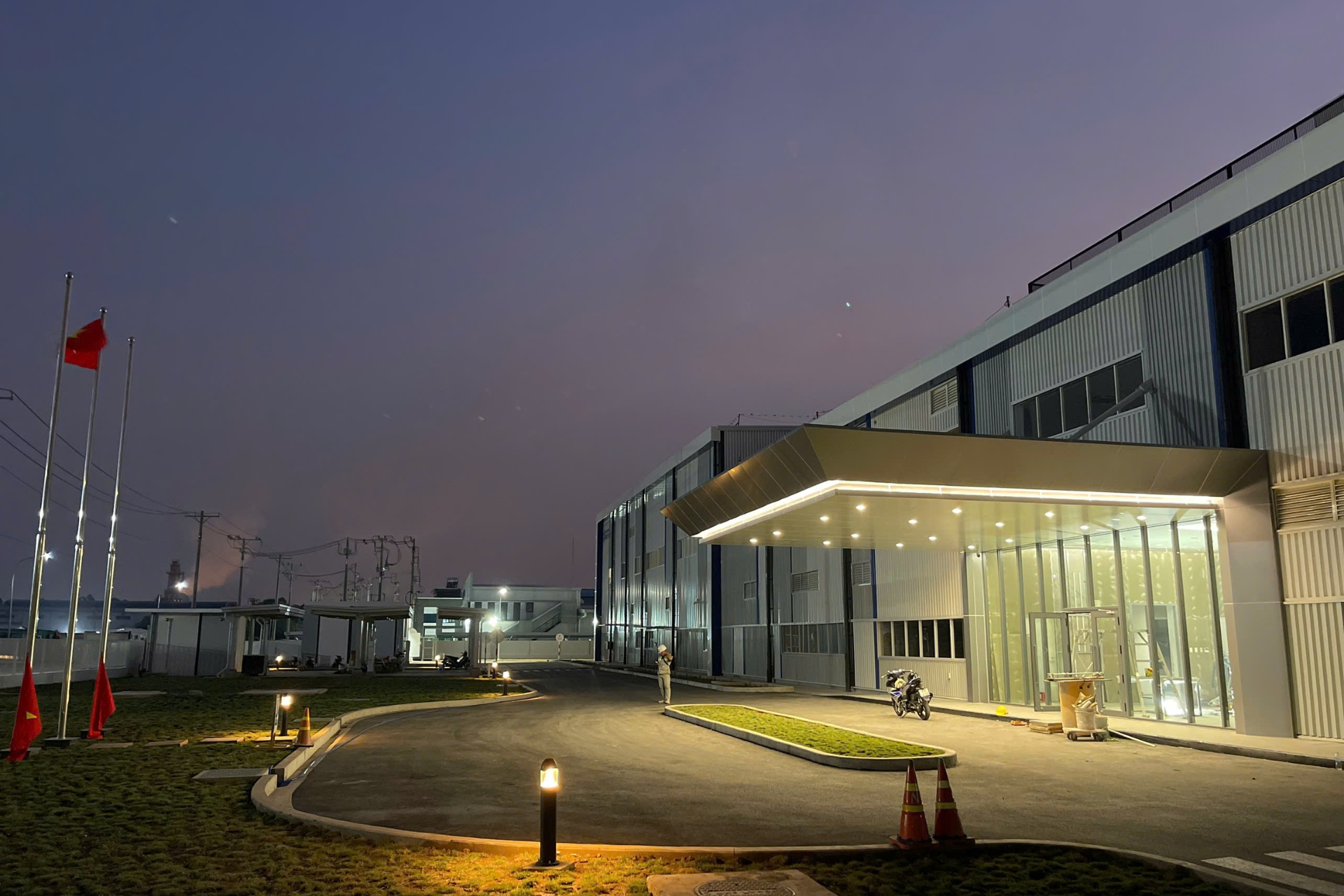 TECO – A Reputable General Contractor for Industrial Factory Design and Construction in Ho Chi Minh City
Conclusion
The factory design and construction process is a tightly connected chain from concept to reality. Good design enables fast and accurate construction. Proper construction ensures quality and long-term operational efficiency.
To achieve optimal results, businesses should choose a contractor with full-package implementation capability. When design and construction are carried out synchronously, the project minimizes discrepancies and optimizes costs. Contact TECO for detailed consultation on factory construction solutions
Related services: Factory construction, design & build · After-handover maintenance – TECO MSC