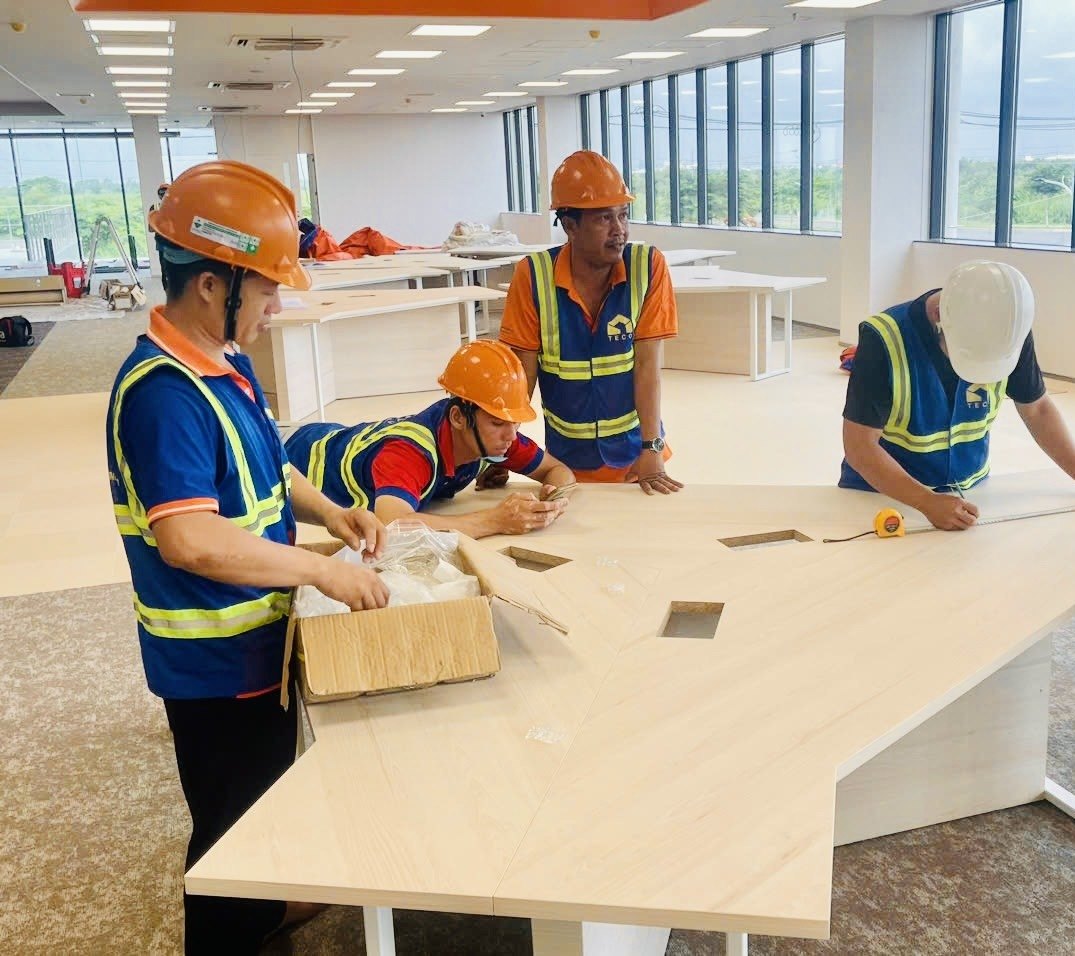

What Is the Difference Between a General Contractor and Individual Contractors?
In a construction project, businesses can choose to work with a general contractor or hire multiple individual contractors for separate work packages. Each model involves a different approach to project management and level of involvement.
For projects involving multiple disciplines, such as industrial factories, international schools, hospitals, or offices, choosing the right contracting model becomes even more important. Design, structural engineering, MEP, interior design, and construction need to be closely coordinated to ensure quality, schedule, and cost efficiency. So, what is the difference between a general contractor and individual contractors? When should a business choose a general contractor? Let’s explore this with TECO in the article below.
What Is a General Contractor?
A general contractor is a company responsible for managing and implementing multiple or all work packages within a construction project.
Depending on the scope of work, a general contractor may handle everything from site surveys, planning, architectural design, structural engineering, MEP, and interior design to construction, project management, inspection, acceptance, and handover. Instead of having to work with multiple companies, the project owner has a single point of contact throughout the project.
The key advantage of the general contracting model is integration. Different work packages are coordinated from the design stage. As a result, the project can minimize technical conflicts and reduce unnecessary changes during construction.
What is a general contractor?
What Are Individual Contractors?
Individual contractors are companies responsible for only one or several specific work packages within a project.
For example:
- One company handles architectural design.
- One contractor handles structural construction.
- One company implements the MEP systems.
- One company handles interior construction.
- One company is responsible for landscaping.
This model allows the project owner to independently select contractors based on their specific expertise. However, the project owner also needs to allocate more resources to manage and coordinate multiple parties.
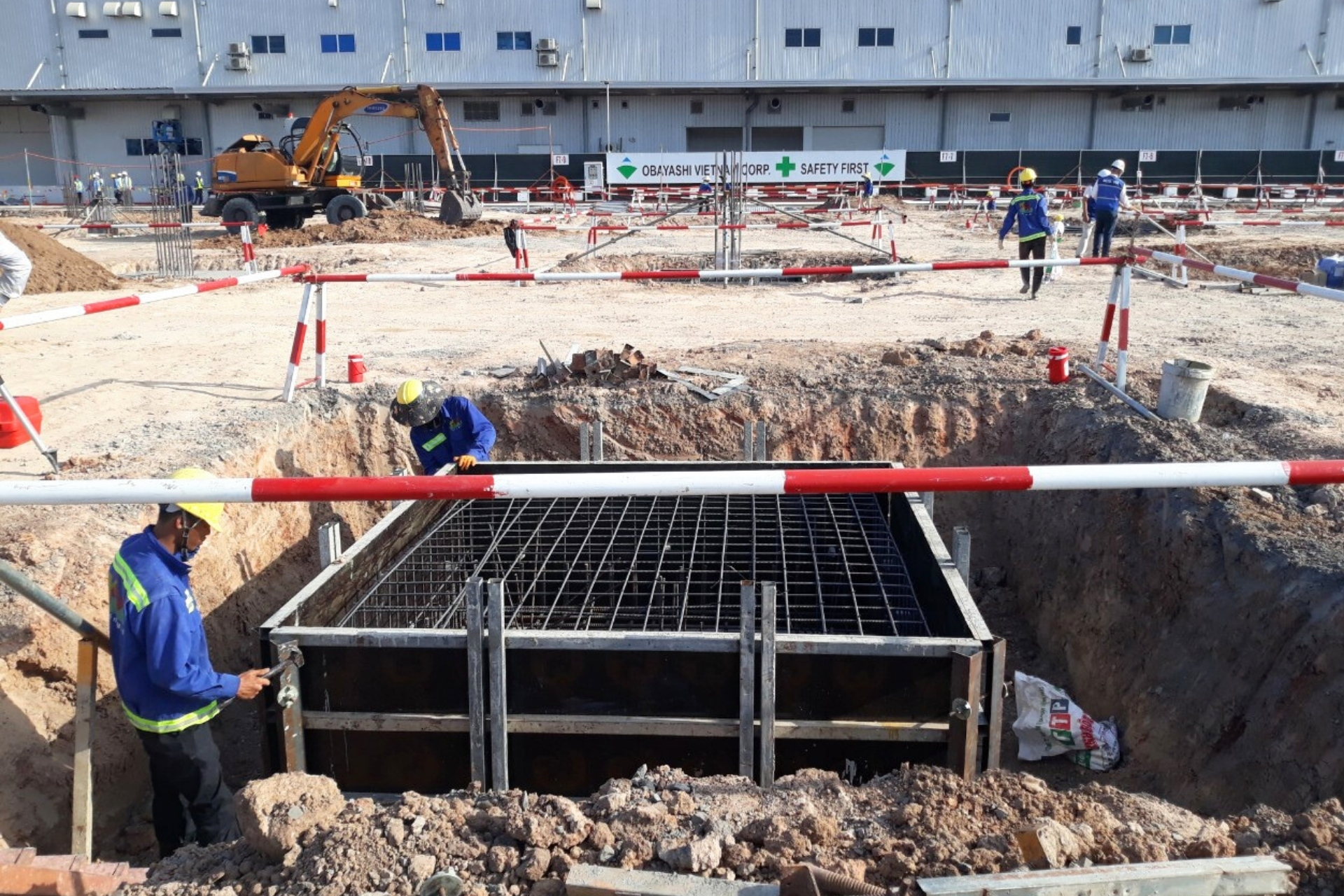
When issues arise between different work packages, determining responsibilities and coordinating solutions can also become more complicated.
What are individual contractors?
General Contractor vs. Individual Contractors: A Comparison
The biggest difference lies in how the project is organized and managed.
1. Project Management
With a general contractor, the project owner primarily works with one main point of contact. The general contractor is responsible for coordinating the relevant teams and work packages.
With individual contractors, the project owner has to work with multiple companies. Communication and coordination therefore become more complex.
2. Design and Construction
The general contracting model allows design and construction to be implemented according to a unified direction. Architecture, structural engineering, MEP, and interior design can be reviewed and coordinated from the beginning.
In contrast, when multiple individual contractors are involved, different work packages may be carried out independently. This requires strict control over technical coordination.
3. Project Schedule
A general contractor can manage the overall schedule and coordinate different work packages according to each project phase.
With individual contractors, the project schedule depends on multiple parties. A delay in just one work package can affect the subsequent stages of the project.
 Comparison between general contractors and individual contractors.
4. Cost Management
A general contractor makes it easier for the project owner to monitor the overall budget. Different work packages are calculated and coordinated within a single plan.
With multiple individual contractors, costs are divided into separate packages. The project owner must monitor and control the budget of each contractor individually.
5. Responsibility
One major advantage of the general contracting model is that responsibility is more centralized. When an issue arises, the project owner can work with the main contractor to identify and implement a solution.
With individual contractors, responsibilities are divided according to each work package. This can sometimes make it more time-consuming to identify the cause of an issue and coordinate corrective action.
Advantages of Choosing a General Contractor
Integrated Project Management
A general contractor can manage the project from design through construction. All disciplines are coordinated within a unified process. This is particularly important for projects with complex technical systems.
Better Schedule Control
The general contractor develops an overall schedule and coordinates each work package according to the master plan. This allows work to proceed continuously while minimizing delays and waiting time between contractors.
Reduced Technical Conflicts
A construction project may involve hundreds of details that require coordination between architecture, structural engineering, MEP, and interior design. When these disciplines are developed in an integrated manner, issues such as system clashes or design changes can be identified earlier.
Reduced Management Pressure on the Project Owner
Instead of directly coordinating multiple contractors, the project owner can delegate most project management responsibilities to the general contractor. This is a significant advantage for businesses without an in-house team with extensive construction management expertise.
Reducing management pressure on the project owner.
When Should You Choose Individual Contractors?
Not every project necessarily requires a general contractor.
Individual contractors may be suitable for:
- Small-scale projects.
- A specific renovation or repair package.
- Projects requiring only one specialized service.
- Projects where the owner has an experienced project management team.
- Businesses that want to independently select suppliers for each work package.
However, when a project involves multiple interconnected work packages, businesses need to consider the resources required for project management and coordination between different contractors.
Should a Business Choose a General Contractor or Individual Contractors?
There is no single model that is suitable for every project. Businesses should consider at least five key factors:
- Project scale: The larger the project and the greater the number of work packages, the greater the need for coordination.
- Level of complexity: Factories, hospitals, schools, and large offices all involve multiple systems that require close coordination.
- Schedule: If the project has a tight timeline, having a single point of contact throughout the project can make schedule control more effective.
- Project owner’s resources: Businesses should assess their ability to manage multiple contractors simultaneously.
- Investment objectives: Businesses should not focus solely on the initial cost. Quality, schedule, operational performance, and potential additional costs should also be considered.
TECO – Multidisciplinary Design & Build General Contractor
TECO provides integrated design and construction solutions for a wide range of building types. Through an integrated delivery model, TECO connects different stages from design to construction. The goal is to ensure that each project meets requirements for functionality, quality, schedule, and budget.
TECO – Multidisciplinary design and build general contractor.
Industrial Factories
TECO provides design and construction services for manufacturing plants, industrial factories, and other industrial facilities. Work packages can be coordinated from planning, architecture, and structural engineering to MEP systems and finishing works.
International Schools
TECO delivers projects for schools, libraries, training centers, and educational spaces. Solutions are developed based on actual operational requirements, ensuring integration between architecture, interiors, and technical systems.
Hospitals
Healthcare facilities have demanding requirements for functionality and technical systems. Therefore, the ability to coordinate multiple disciplines is a critical factor throughout project implementation.
Offices
TECO also provides office design and construction solutions. From workspaces to functional areas, every element is planned according to the operational needs of the business.
Conclusion
Both general contractors and individual contractors have their own advantages. The right choice depends on the scale, characteristics, budget, and schedule requirements of each project.
For projects involving multiple work packages and a high level of coordination, the general contracting model can reduce the number of management interfaces, improve integration, and provide better control over the overall project implementation.
TECO is a design and build general contractor serving a wide range of sectors, from industrial factories and international schools to hospitals and offices. With multidisciplinary capabilities, TECO works alongside project owners from design through construction and handover, delivering projects that are efficient, high-quality, and sustainable.
Related services: TECO design & build services · After-handover maintenance – TECO MSC