Renovating a factory is harder than building one: the machines keep running, the workers keep working and the orders still ship. Plant owners need a contractor who understands industrial buildings, keeps safety and housekeeping to the plant’s own rules, handles the permits, and quotes clearly without surprises. TECO delivers factory renovation and repair as a single package – survey, design, building permit and fire-safety (PCCC) approval dossiers, structural, fit-out, MEP and fire-protection works, acceptance and after-handover maintenance – with one point of responsibility.
Service area: Ho Chi Minh City, the Southeast, the Mekong Delta and the Central Highlands.
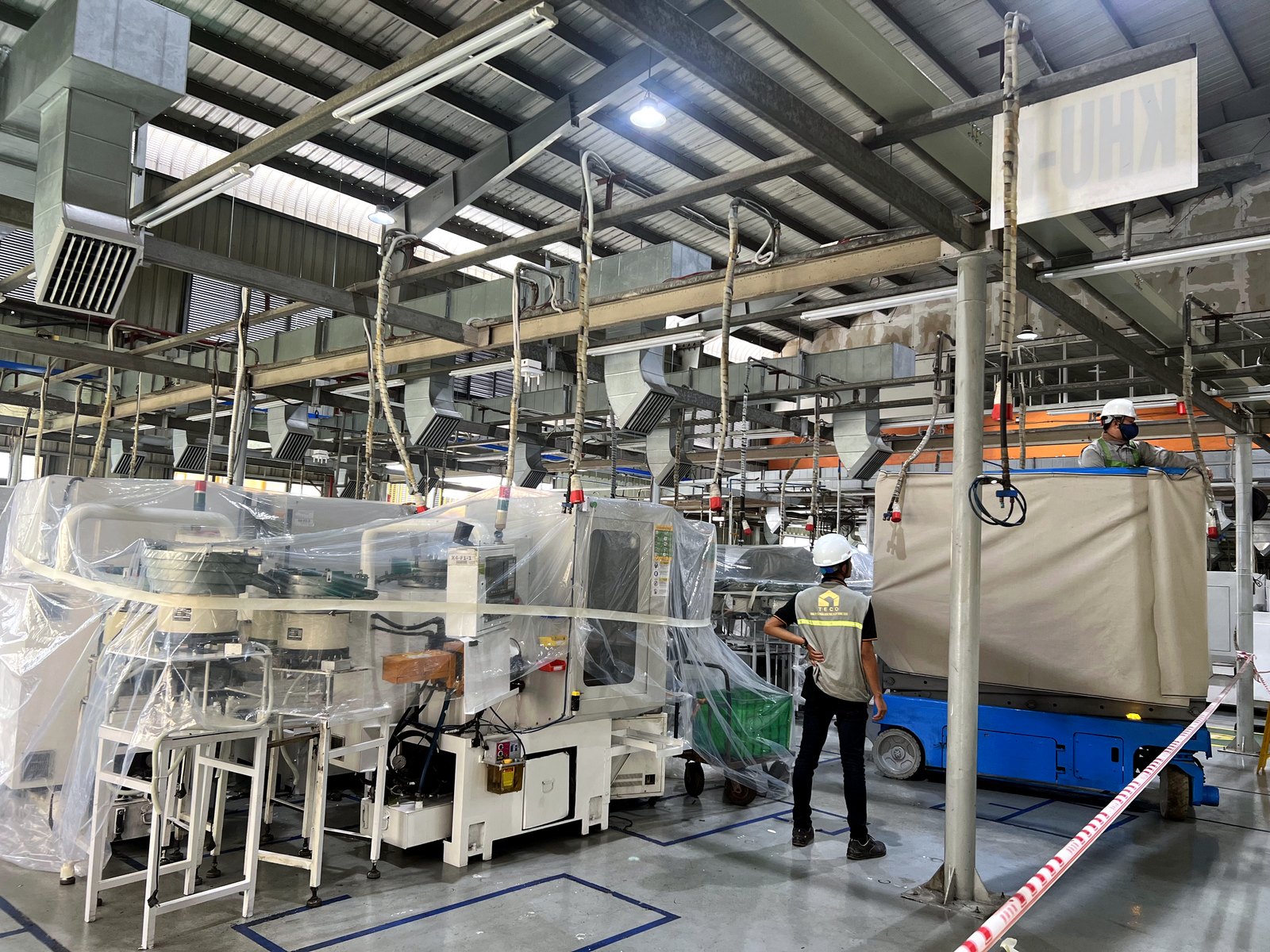
Work zone with machines sheeted and roped off while the neighbouring line keeps running.
Renovating while the factory keeps producing
This is the first requirement of almost every plant owner. How TECO does it:
Survey around the production shifts. Identify which machines cannot stop, forklift routes, and the power, compressed-air and water feeds that production depends on.
Zone and phase the work. Each phase fences off one zone with hard hoarding and dust sheeting. When it is finished and cleaned, the zone is handed back to production before the next one opens.
Out-of-hours, weekend and holiday work for noisy, dusty or power-off tasks: floor breaking, structural welding, switchboard connections, pipe pressure tests.
Work permits under the plant’s rules. A work permit for each task, hot-work permits for welding and cutting, electrical isolation before connection, and a safety supervisor on site for the whole shift.
Housekeeping and safety to Japanese-investor standards. Hoarding, signage, a separate route for construction workers, and a 5S clean-up of the work zone at the end of every shift.
Daily and weekly reports with photos, quantities, issues and the next day’s plan, sent to plant management and the parent company overseas.
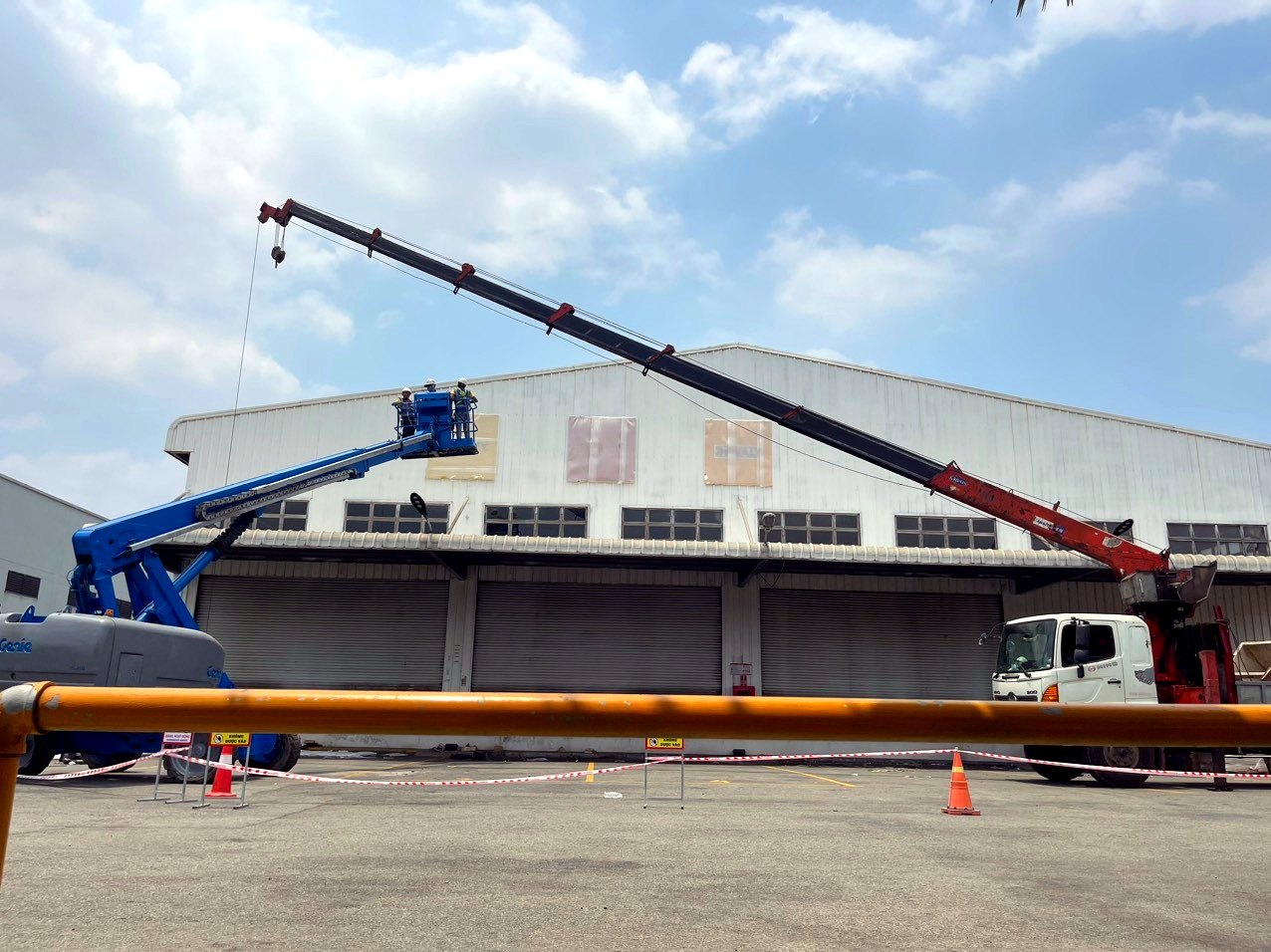
Facade and roof work from a boom lift; the area below is barricaded and coned off.
Factory renovation and repair works TECO carries out
Group
Works
Structure
Strengthening columns, rafters and beams; adding mezzanines and technical decks; upgrading floor load capacity, replacing factory floors; widening spans, adding bays; altering stairs; cutting and reinforcing service openings through floors, walls and roofs
Envelope and roof
Leak repair, replacing roof and wall sheeting; heat-reflective roof coating; replacing roller shutters and fire-exit doors; waterproofing
Fit-out
Re-planning the layout for a new production line; partitions, ceilings, epoxy flooring; clean rooms, cold stores, QC areas, in-plant offices; roller and industrial doors; goods lifts and lifting platforms
MEP
Switchboards and feeders for new machines; lighting; ventilation, dust extraction and cooling; compressed air; water supply, drainage and wastewater treatment
Fire protection (PCCC)
Fire alarm, hose reels and hydrants, sprinklers, pumps and tanks; escape routes and fire compartmentation; new installation or upgrade in an operating factory
Permits
Building permit dossier for renovation works; fire-safety design appraisal and acceptance dossiers; as-built drawings
After handover
Scheduled factory and fire-system maintenance by TECO MSC (baotricongtrinh.com)
TECO’s own 1,300 m² joinery workshop and 1,200 m² steel fabrication shop prefabricate secondary steel, partitions, desks, cabinets and racking, so on site the work is mostly installation and the production zone is occupied for less time.
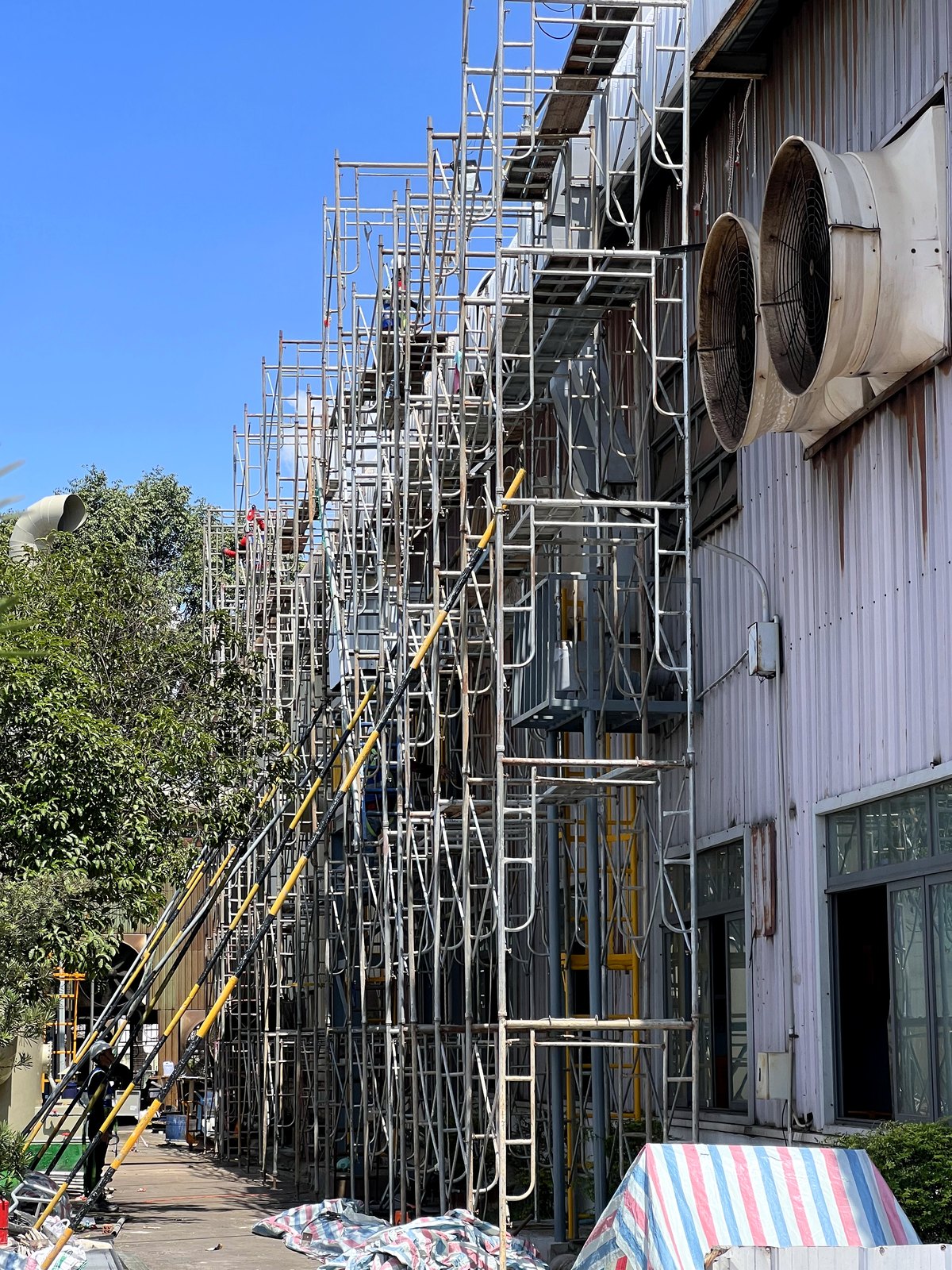
External scaffolding to replace wall sheeting and repair the roof without entering the production area.
Does a factory repair need a building permit and fire-safety appraisal?
It depends on the works. TECO gives a clear answer right after the survey:
Repairs that do not touch the load-bearing structure, change the use, or affect safety and the environment (repainting, like-for-like roof sheeting, floor repairs, replacing electrical equipment) normally do not need a building permit.
Renovations that alter the load-bearing structure, extend the floor area, add a mezzanine or change the use usually need a renovation building permit.
Renovations that change the scale or use, or affect the fire-protection system usually need a fire-safety design appraisal and fire-safety acceptance before the area is put back into use.
Factories inside industrial parks also need the renovation scheme agreed with the park management board and the infrastructure developer.
Where required, TECO prepares the building permit dossier and the fire-safety appraisal dossier, follows them through to approval, and prepares the fire-safety acceptance dossier on completion. The owner does not need a separate consultant and does not lose schedule waiting for permits.
Renovation cost: competitive through method, not by cutting corners
Plant owners are right to compare quotes from several contractors. TECO keeps its price competitive through specific practices:
Strengthen rather than demolish. Having built factories, TECO can read the existing structure and propose strengthening columns, rafters and floors where needed instead of replacing the whole system. This is usually the largest saving in a renovation.
Itemised estimates. The quote separates mandatory items (safety, fire protection, permits), recommended items and items that can wait, so the owner can decide by annual budget.
TECO’s own crews and workshops. Secondary steel, partitions and furniture are made in TECO’s own workshops, with fewer intermediaries and control over the schedule.
Quantities measured on site before signing. Variations arise only when the owner changes the brief, and are confirmed before the work is done.
One contract for structure, fit-out, MEP, fire protection and permits. No coordination cost and no gaps in responsibility between contractors.
Factory renovation cost depends on the existing condition and the quantity of each item, so TECO quotes after a free site survey.
Project: factory renovation at VSIP 1 Industrial Park, Thuan An, Ho Chi Minh City
The factory of an FDI investor at VSIP 1 kept producing throughout the renovation. TECO carried out:
Structural upgrading of the factory building while the machines kept running: zone by zone, strengthened, handed back to production, then on to the next zone.
Fit-out and MEP works for the renovated areas.
A fire-protection system for the whole operating factory, with pipe runs and connections made out of hours so production was not interrupted.
Building permit dossier and fire-safety appraisal and acceptance dossiers for the renovation.
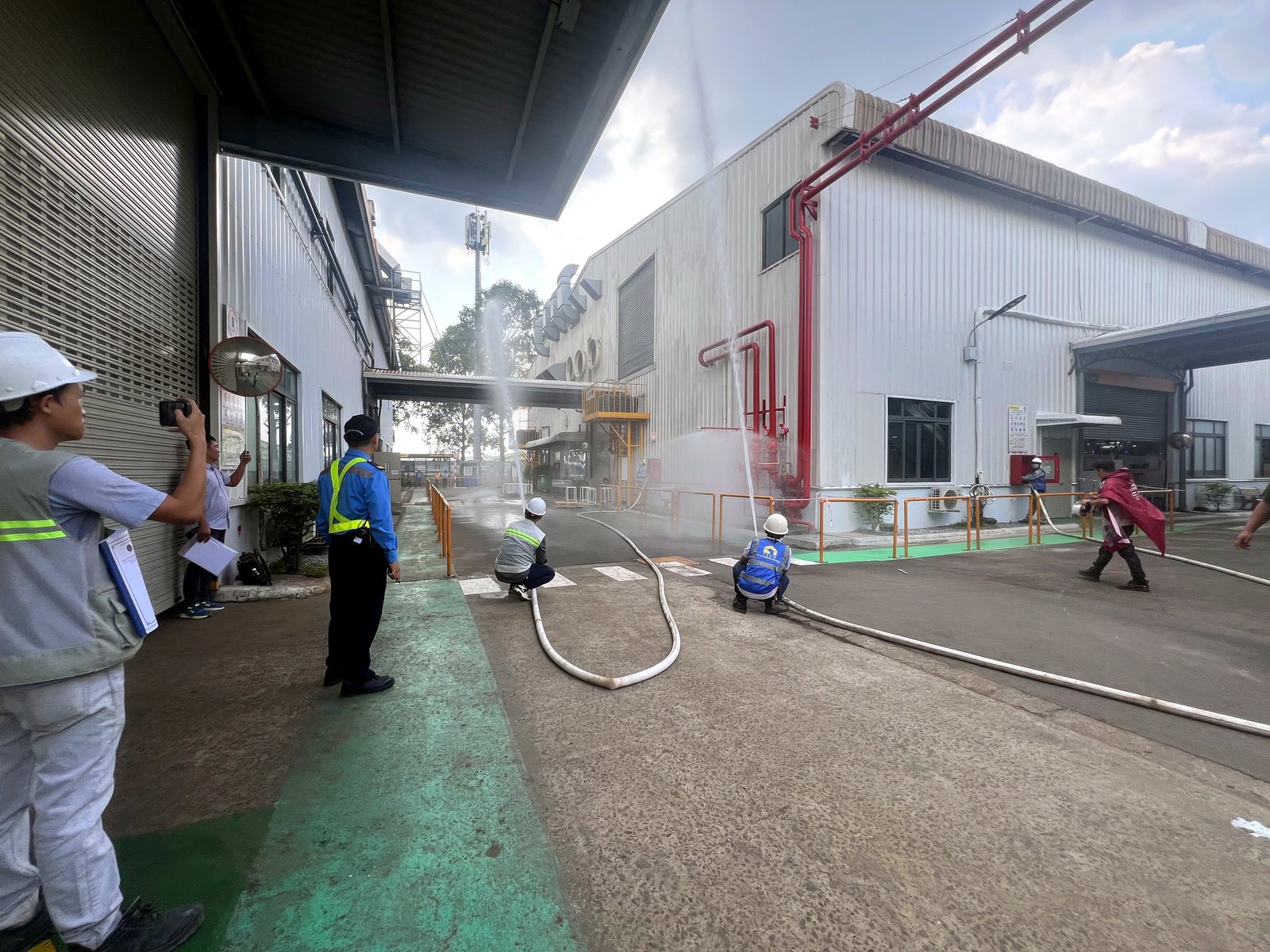
Testing the fire-fighting system of an operating factory before fire-safety acceptance.
Why plant owners choose TECO
Factory construction for FDI investors and main contractors. TECO has built plants for Japanese investors such as Fujiya, Showa Gloves, Pocari Sweat, Megmilk and SMC, and has worked as a subcontractor to main contractor Obayashi. Their standards for quality, housekeeping and occupational safety are the standards TECO applies when renovating an operating factory.
We understand factories because we build them. Steel frames, load-bearing floors, settlement joints, service routes: TECO reads them from the old drawings and the site. See factory construction.
One contractor for structure, fit-out, MEP, fire protection and permits, responsible through acceptance and when the plant is later audited by its customers or the authorities.
Grade II construction capacity certificate; TECO’s own engineers and crews carry out the work.
TECO MSC maintenance team continues with scheduled factory and fire-system maintenance after handover, available 24/7.
Factory renovation and repair process
Free condition survey – structure, roof, floor, electrical, fire protection, and the plant’s production requirements.
Scheme and estimate – itemised, stating which parts need permits.
Permit dossiers (if required) – building permit, fire-safety appraisal, agreement with the park management board.
Construction plan around production shifts – zoning, phasing, out-of-hours schedule, agreed with production and EHS.
Construction – hoarding, work permits, zone-by-zone acceptance, daily and weekly reports.
For most works, no. TECO zones and phases the work and does noisy, dusty or power-off tasks out of hours. Only a few tasks such as replacing the main switchboard or pressure-testing a whole system need a short shutdown, scheduled with the plant in advance.
Do minor repairs need a permit?
Repairs that do not alter the load-bearing structure or the use, and do not affect safety or the environment, normally do not need a building permit. TECO confirms item by item after the survey.
Can a fire-protection system be installed in an operating factory?
Yes. TECO has installed a fire-protection system for an entire operating factory at VSIP 1, with the appraisal and acceptance dossiers.
Our plant is about to be audited by a customer – does TECO support the paperwork?
Yes. Handover includes as-built drawings, acceptance records for each item, the fire-safety acceptance dossier and a maintenance procedure the plant can present when required.
How is factory renovation cost calculated?
By actual quantities measured on site, itemised. TECO surveys free of charge and sends an estimate the owner can compare.
Where does TECO take on factory renovation?
Ho Chi Minh City, the Southeast provinces, the Mekong Delta and the Central Highlands.
TECO surveys factories free of charge in Ho Chi Minh City, the Southeast, the Mekong Delta and the Central Highlands.
TECO Architecture and Construction Joint Stock Company Hotline / Zalo: +84 911 111 929 · Tel: +84 28 6659 6979 · Email: teco@tecoarch.com Head office: 39 Nguyen Trung Ngan, Saigon Ward, Ho Chi Minh City · Office: 85 Street No. 19, Binh Trung Ward, Ho Chi Minh City

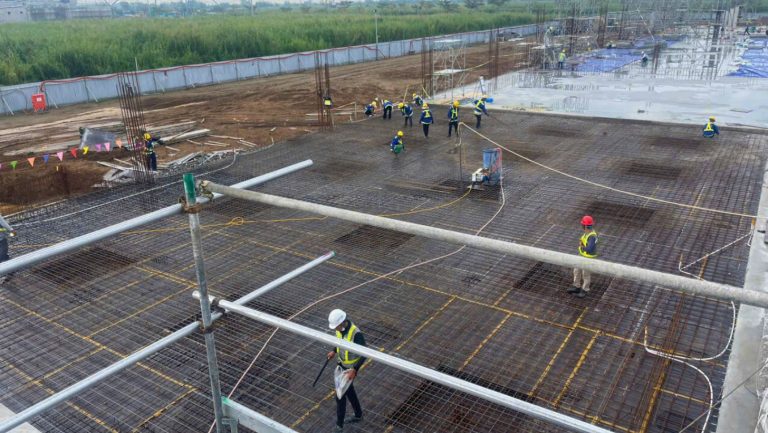 Fujiya Factory – Huu Thanh IP, Long An
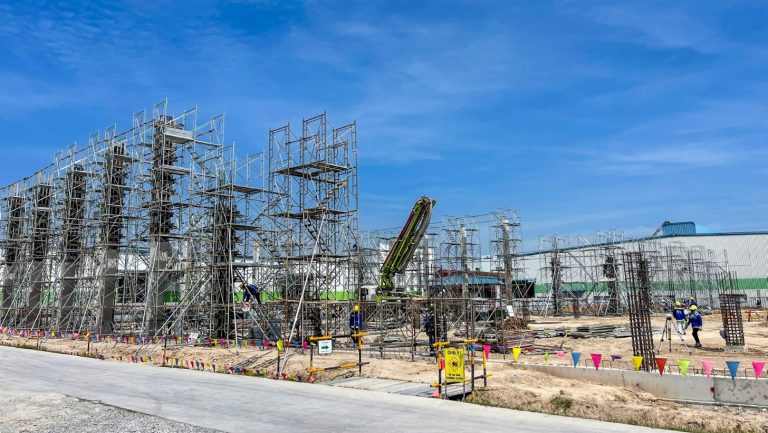 Showa Gloves Factory – VSIP 1
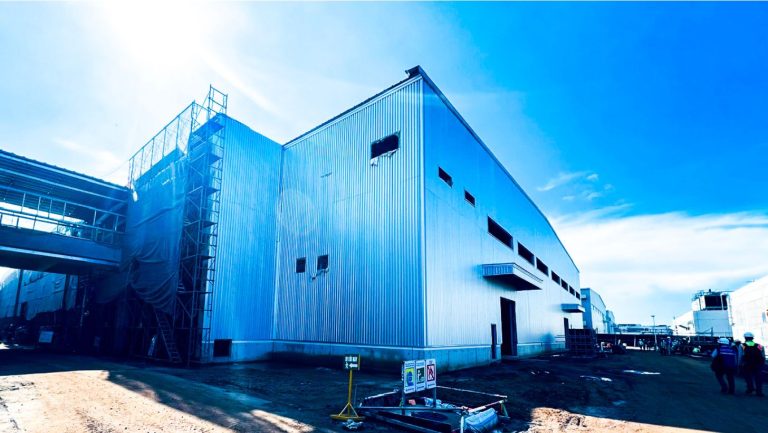 SMC Long Duc Factory – Dong Nai
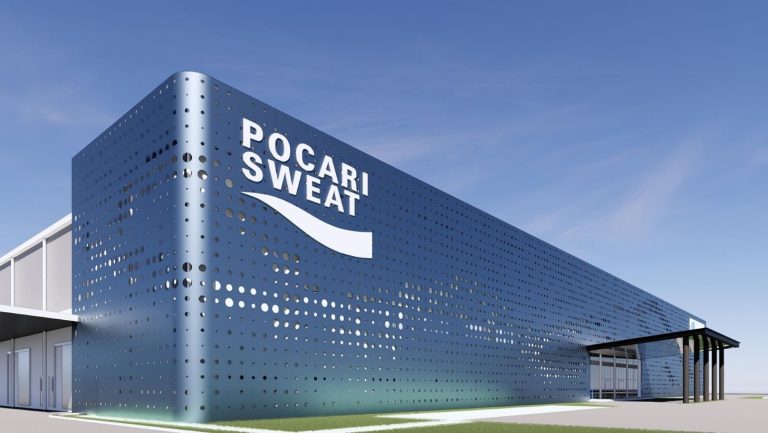 Pocari Sweat Factory – Phu My 3 IP
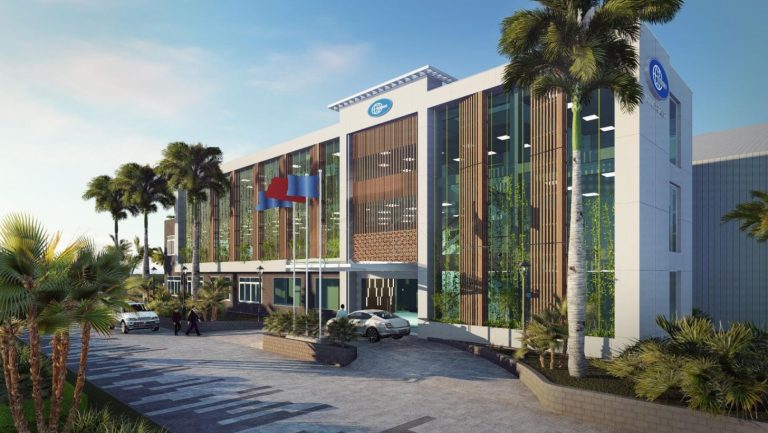 Intimex Factory – VSIP II
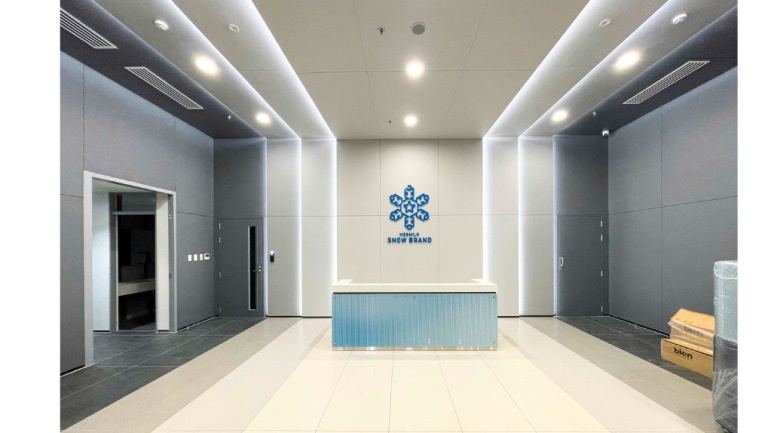 Megmilk office and factory