Standards for Design and Functional Zoning in International Schools Library
In modern education, an international school library is no longer simply a place to store books. It is an open learning environment where students research, create, exchange knowledge, and develop self-learning skills. Therefore, library design must satisfy not only functionality and aesthetics but also long-term operational efficiency.
A scientifically planned international school library contributes to improving teaching quality, optimizing the learning experience, and reinforcing the school’s professional image. So, what are the key standards for designing and zoning an international school library? Let’s explore them with TECO in the article below.
Discover the design standards and functional zoning principles for an international school library.
The Role of an International School Library in Modern Education
A Learning and Research Hub
Today, an international school library serves as a center that supports students in accessing knowledge. In addition to reading books, students can research digital resources, work on projects, collaborate in groups, and study independently. A well-designed library helps foster critical thinking, research skills, and problem-solving abilities from an early age.
A Space for Skill Development
Beyond storing learning materials, the library is also an environment where students develop many essential skills. Activities such as reading, teamwork, presentations, research, and workshops can all take place within the same space when it is thoughtfully designed.
As a result, the international school library becomes a dynamic learning hub rather than just a traditional reading room.
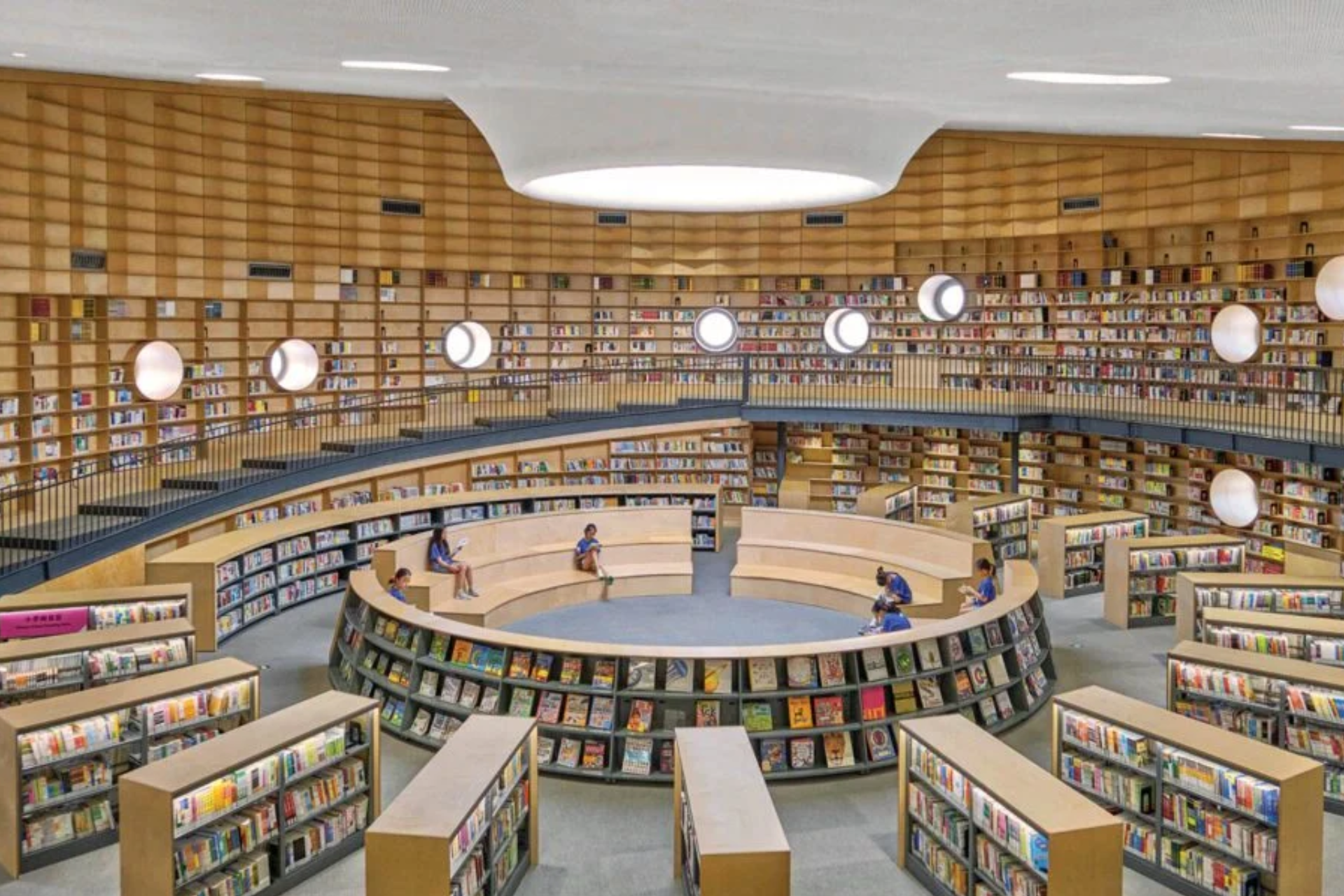
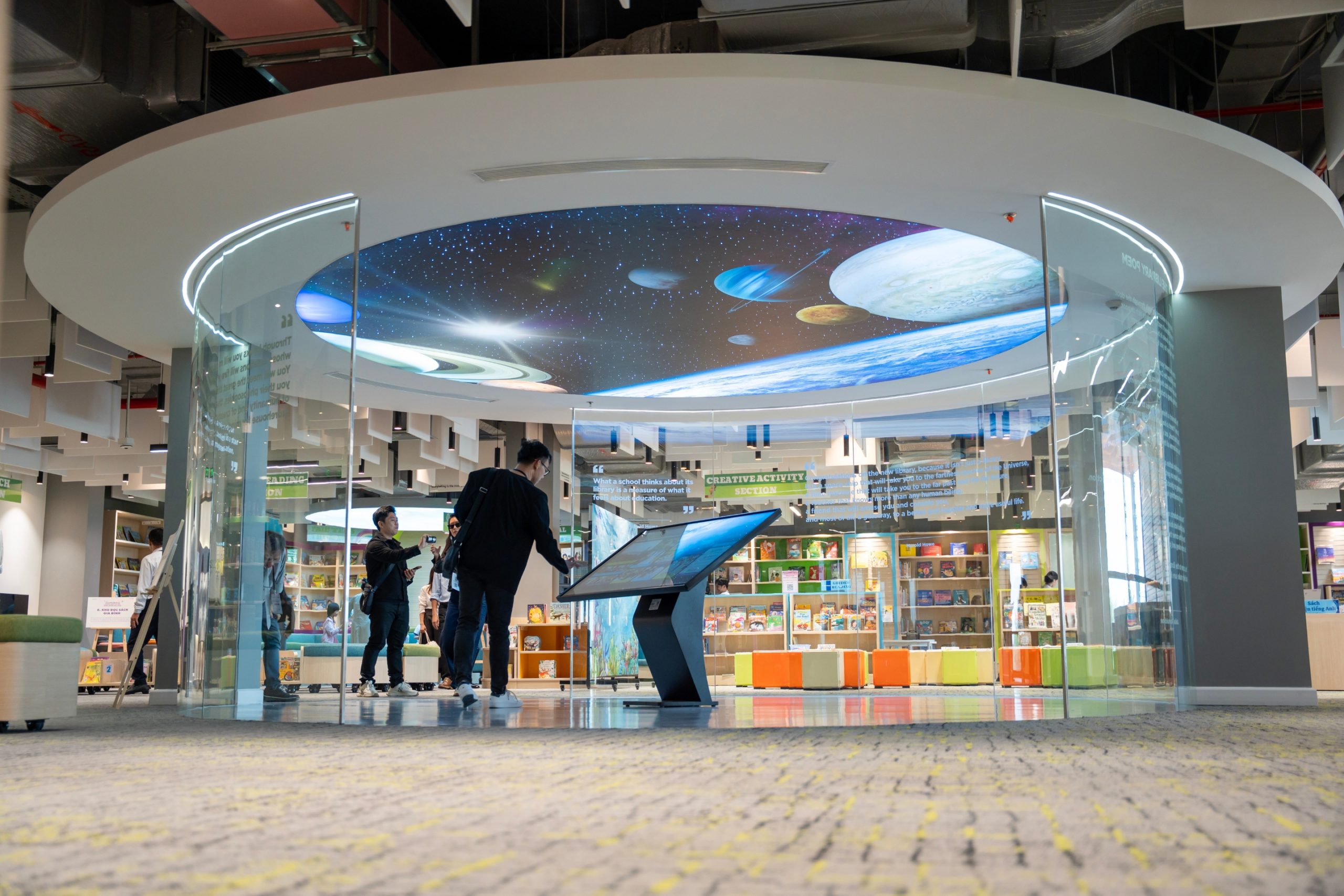 A space for skill development.
Enhancing School Quality
A modern library is also an important criterion when evaluating the facilities of an international school. A well-designed library enhances the school’s image, creates a positive impression on parents, and provides an inspiring learning environment.
Design Standards for an International School Library
Open and Flexible Design
An international school library should prioritize an open layout to strengthen the connection between different functional areas. Furniture should be easy to rearrange for learning activities, book exhibitions, or educational events. A flexible design also enables the library to adapt to the school’s future growth.
Adequate Lighting and Ventilation
Lighting directly affects the reading and learning experience. The library should maximize natural daylight while incorporating standard artificial lighting to protect students’ eyesight.
At the same time, the ventilation and air-conditioning systems should be properly designed to maintain a comfortable learning environment throughout the day.
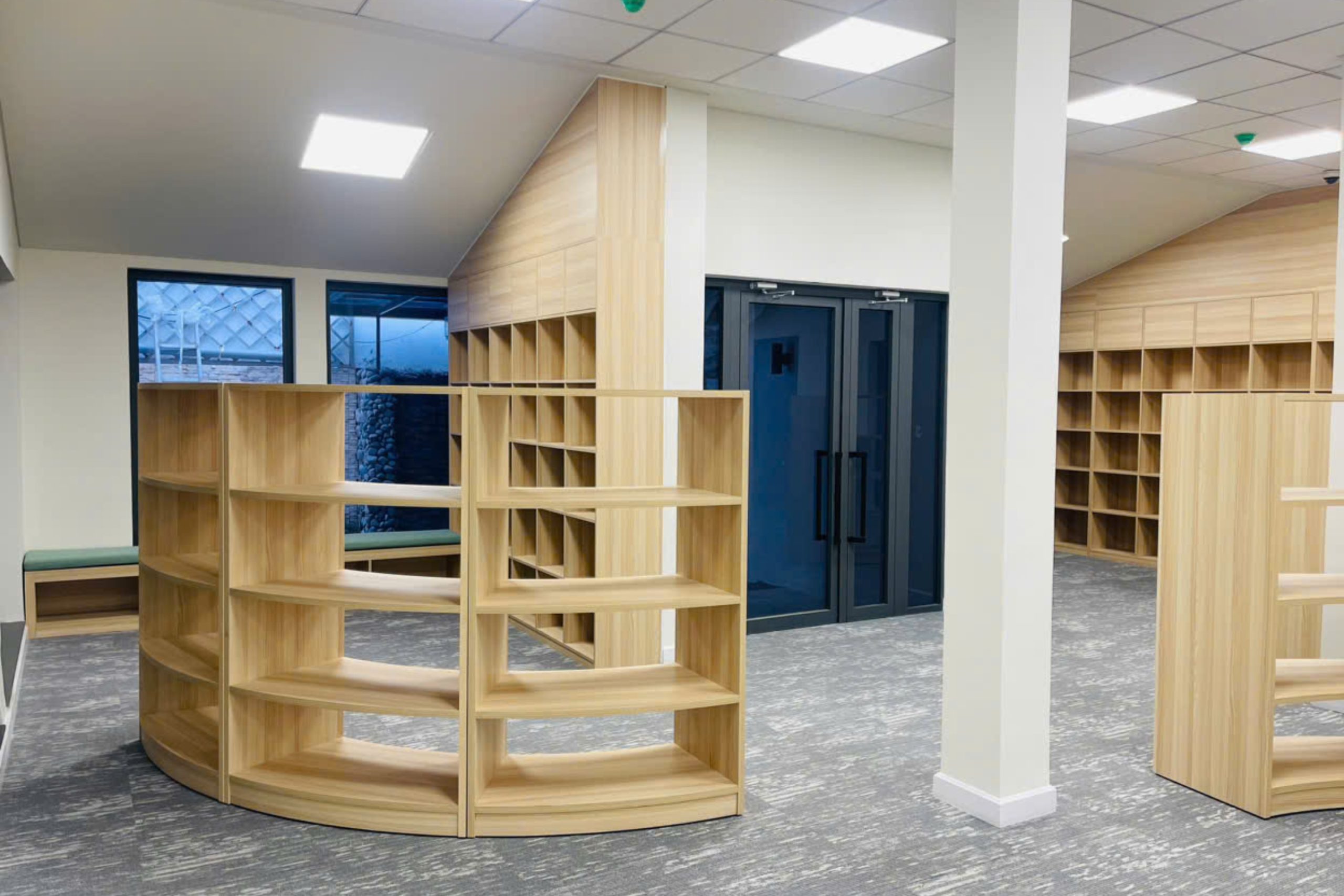 Ensure adequate lighting and ventilation.
Safety Standards
Safety is always a top priority in school design. Furniture should be made from environmentally friendly materials, with rounded edges to minimize the risk of injury. In addition, an international school library must fully comply with fire safety regulations, emergency exit requirements, and accessibility standards for all users.
Integration of Modern Technology
Technology is an essential part of today’s libraries. High-speed Wi-Fi, digital catalog systems, QR codes, RFID technology, and interactive displays allow students to access information quickly while improving library management efficiency. These technologies have become common features in many international schools worldwide.
Sustainable Design
An international school library should be designed for long-term use. Choosing durable materials, energy-efficient solutions, and low-maintenance systems helps reduce operating costs while supporting the development of a sustainable and environmentally friendly learning environment.
Functional Zoning in an International School Library
Reception Area and Librarian Desk
This is the first area students encounter when entering the library. The librarian’s desk handles guidance, registration, book borrowing and returns, while also assisting students in locating learning materials.
The desk should be positioned near the entrance for convenient management and clear visibility of the entire library.
Open Reading Area
This is the most frequently used space in an international school library. The area should be quiet, spacious, and designed to maximize natural lighting. Reading tables, chairs, and circulation paths should be arranged thoughtfully to ensure comfort during study sessions.
Open reading area.
Group Study Area
Modern education encourages collaborative learning and project-based activities. Therefore, the library should include a dedicated discussion area equipped with meeting tables, whiteboards, or presentation screens. This allows group activities to take place effectively without disturbing students in the quiet reading area.
Digital Library Area
In addition to printed materials, an international school library should incorporate a digital library to meet modern learning needs. This area is equipped with computers, high-speed internet, and online database access, enabling students to explore digital learning resources efficiently.
Children’s Reading Area
For schools serving multiple grade levels, a dedicated reading area for younger students is essential. The furniture should feature vibrant colors, low bookshelves, and child-friendly reading corners to create a welcoming atmosphere and encourage reading habits from an early age.
Book Storage Area
The storage room preserves reserve books, research materials, and educational archives. Shelving systems should be organized efficiently to maximize storage capacity while allowing easy inventory management and retrieval. Temperature, humidity, and ventilation should also be carefully controlled to protect materials over the long term.
Multi-Purpose Space
Beyond reading, many international school libraries integrate multi-purpose spaces for workshops, book exhibitions, author talks, and extracurricular activities. A flexible design transforms the library into a community learning hub within the school.
Principles for Planning an International School Library
An efficient library should be planned according to clear design principles.
First, circulation routes between different areas should be well organized so students can move around easily without disrupting others.
Second, functional zones should be connected logically to reduce the time required to locate learning materials and improve the overall user experience.
Finally, the design should consider future expansion. Flexible furniture systems and reserved floor space allow the school to accommodate additional resources or adapt functions as student enrollment increases.
TECO – A Professional International School Library Design Company
With many years of experience in designing and constructing educational facilities, TECO provides comprehensive solutions for international school libraries.
We offer design solutions tailored to educational programs such as Cambridge, IB, bilingual curricula, and other international education models. TECO delivers integrated services ranging from space planning, architectural design, interior design, storage systems, to technology solutions, ensuring that every library meets international standards while maximizing operational efficiency.
Our architects and engineers prioritize functionality, aesthetics, and future scalability, creating modern, inspiring learning environments that support the long-term development goals of each school.
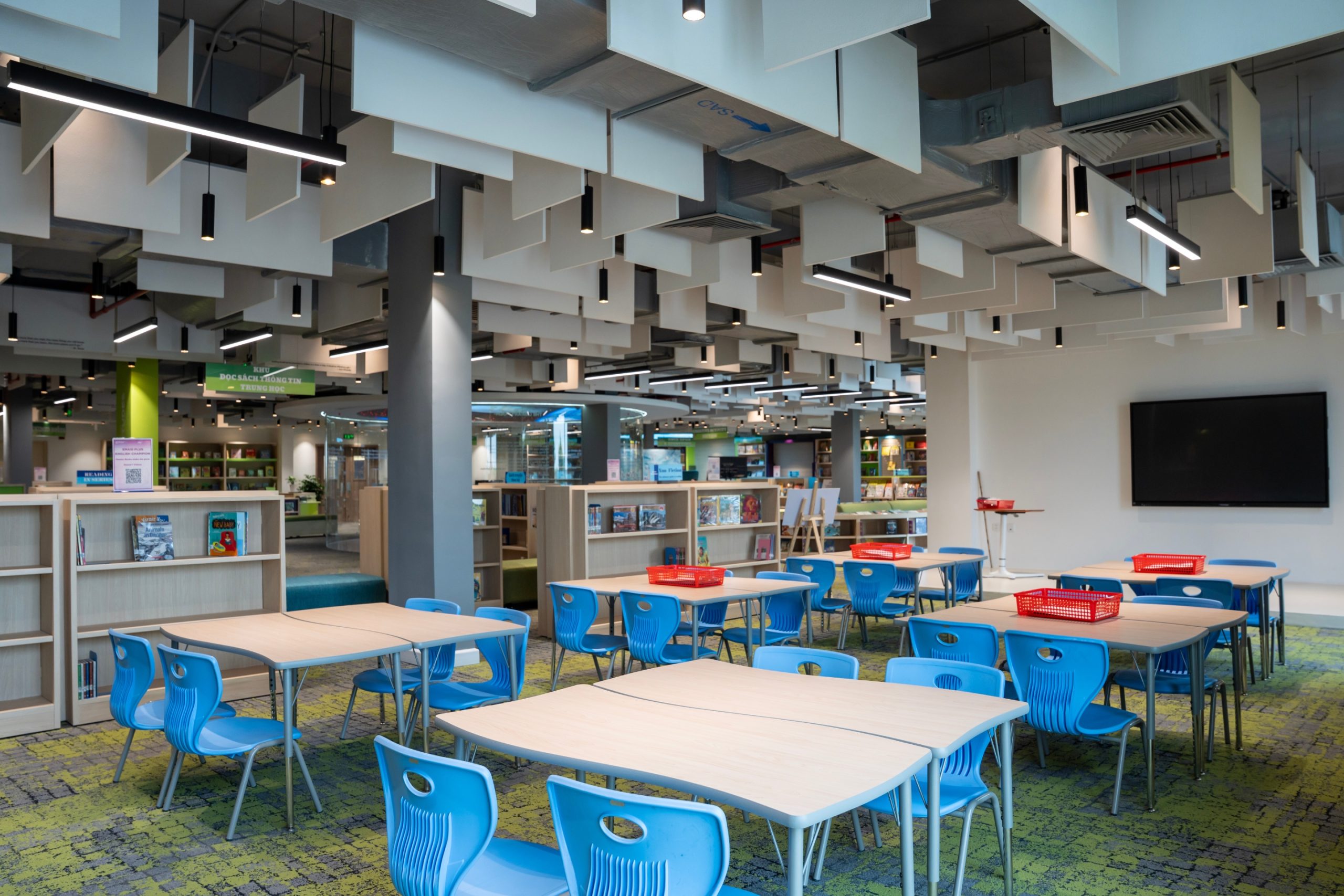
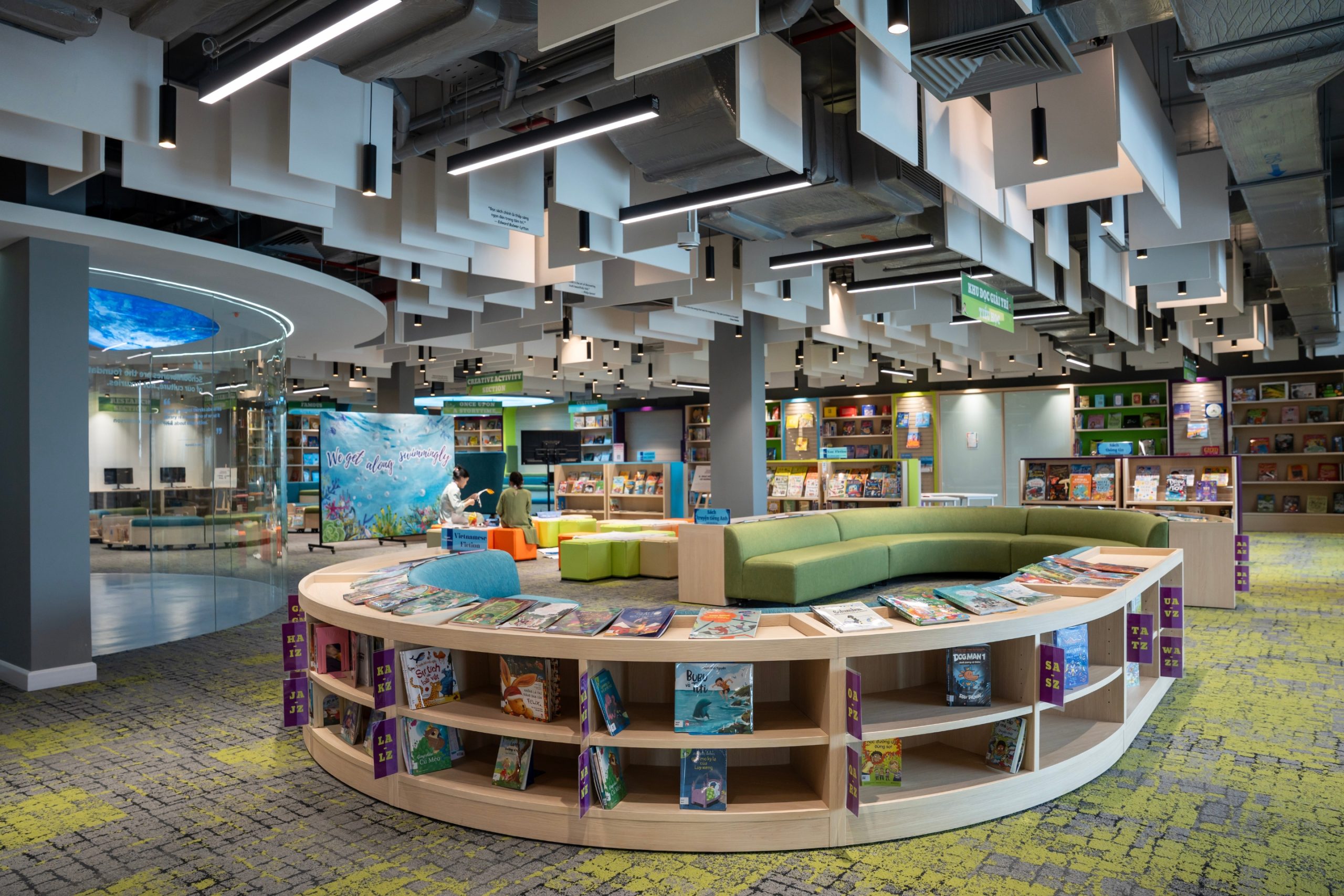
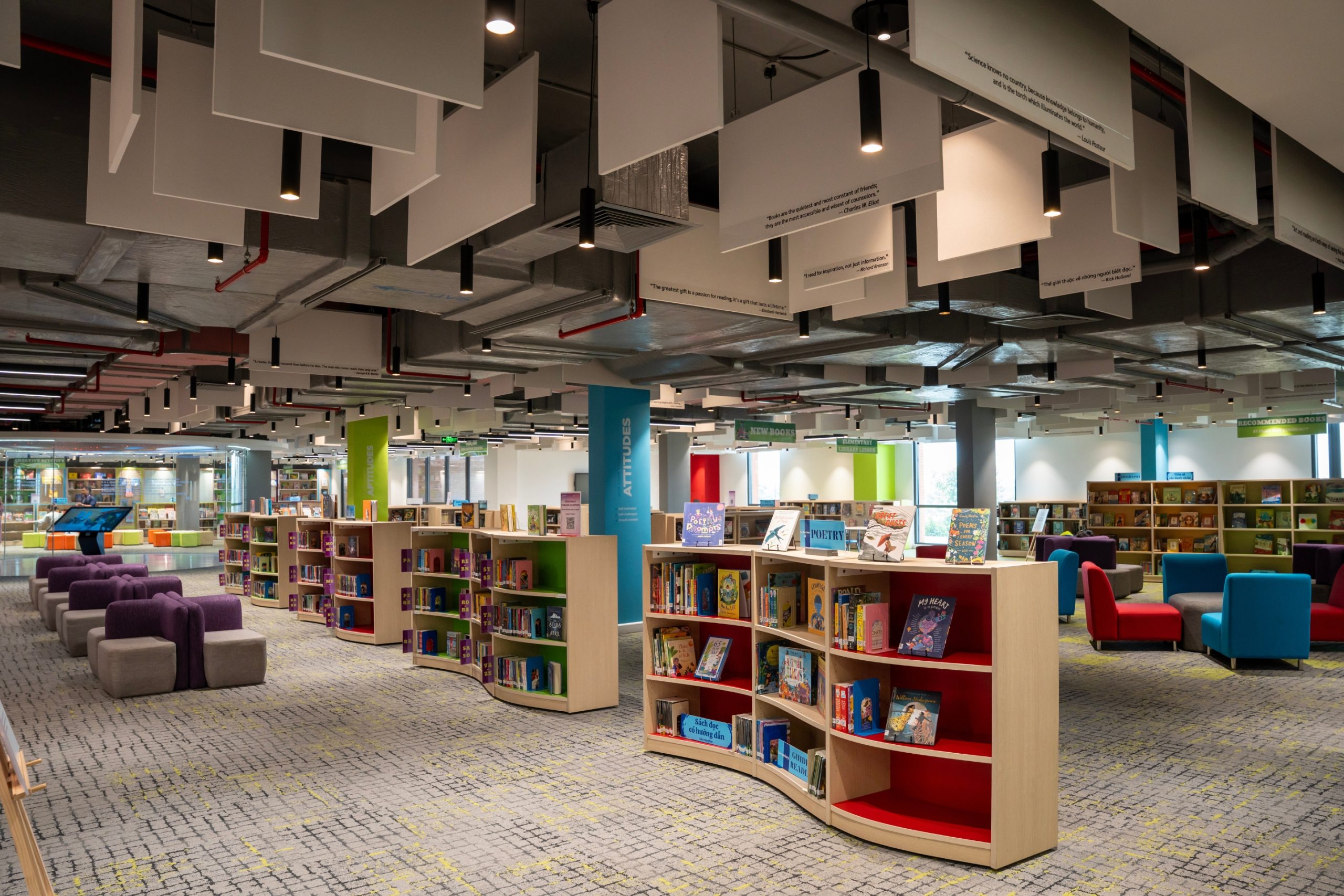
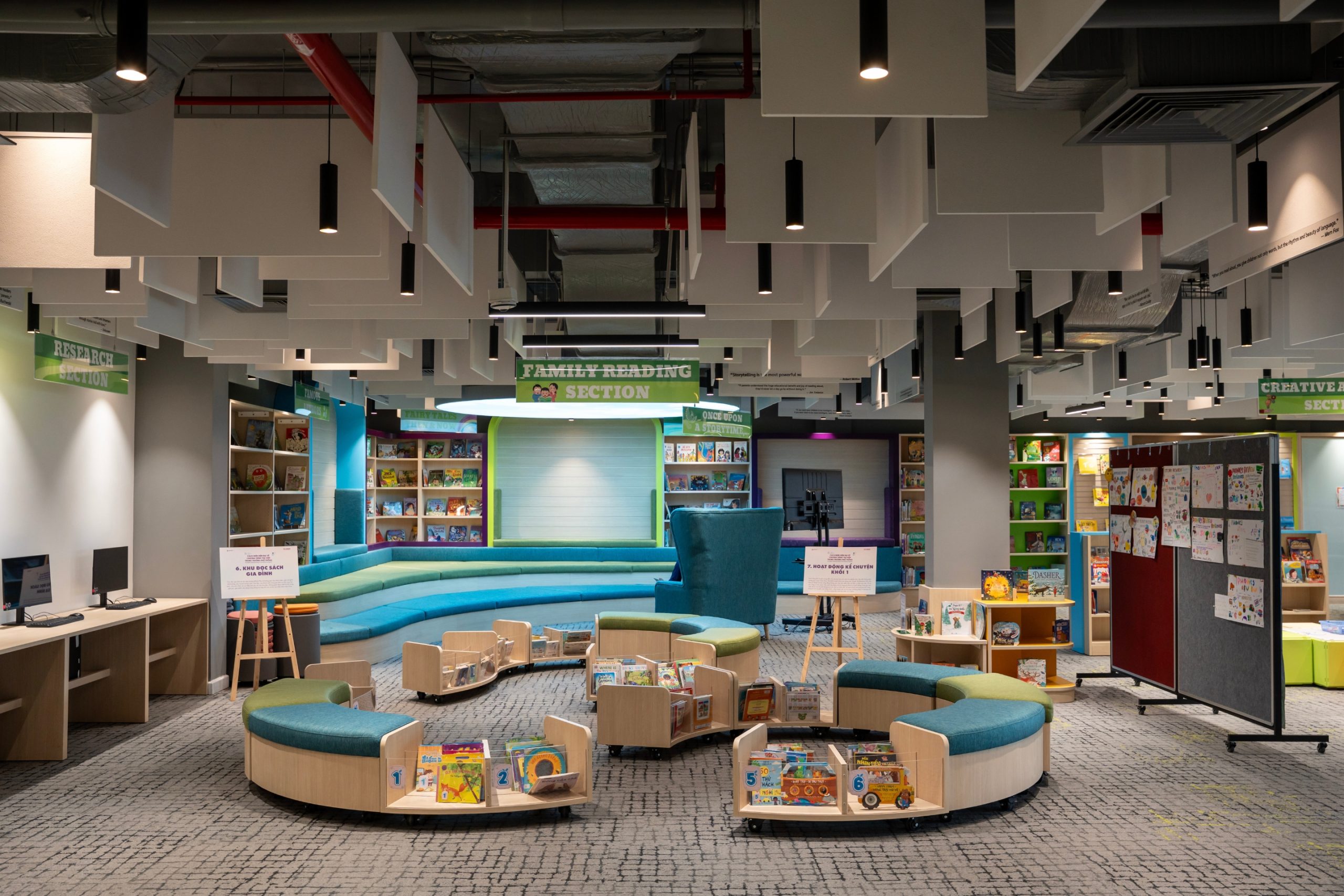
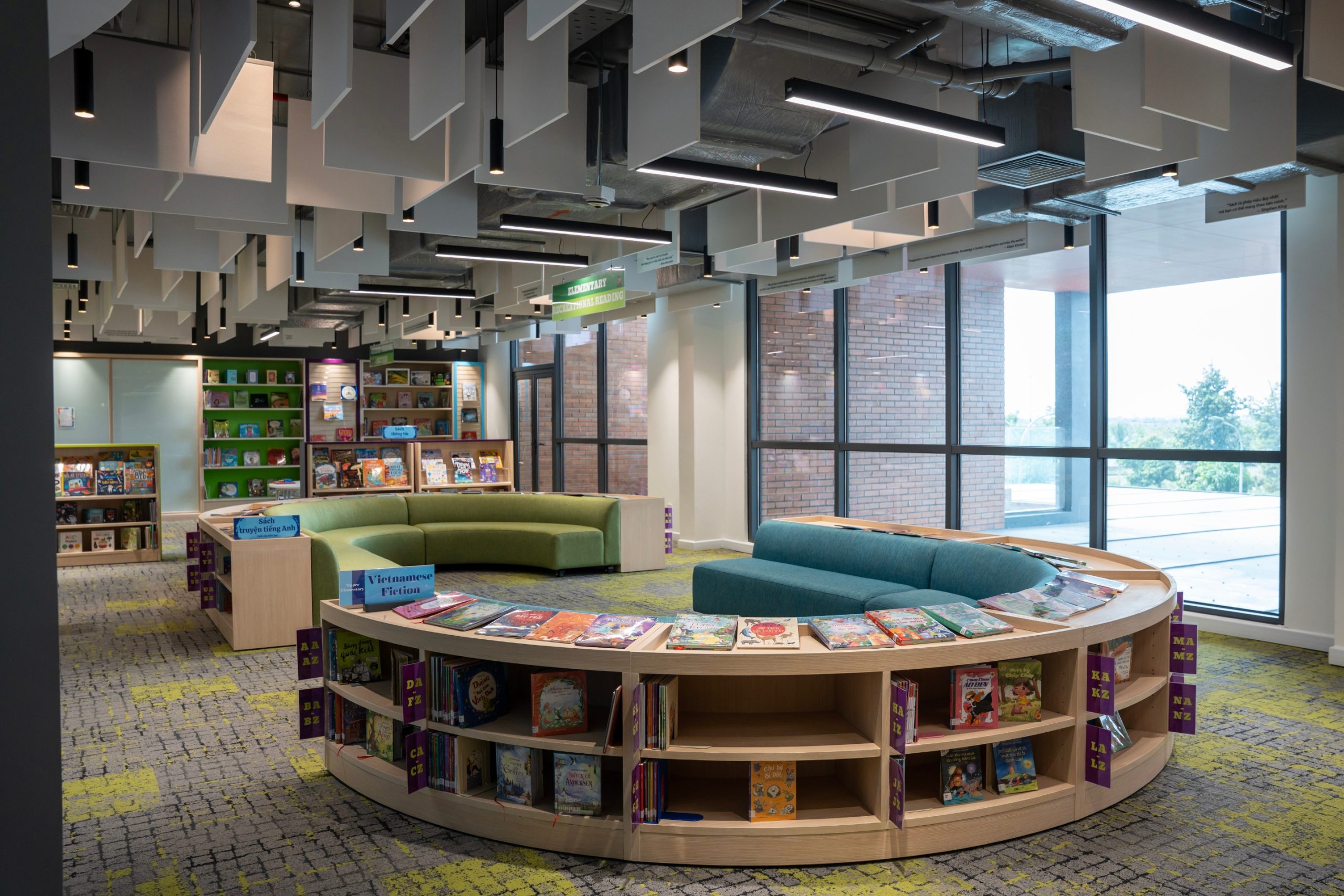
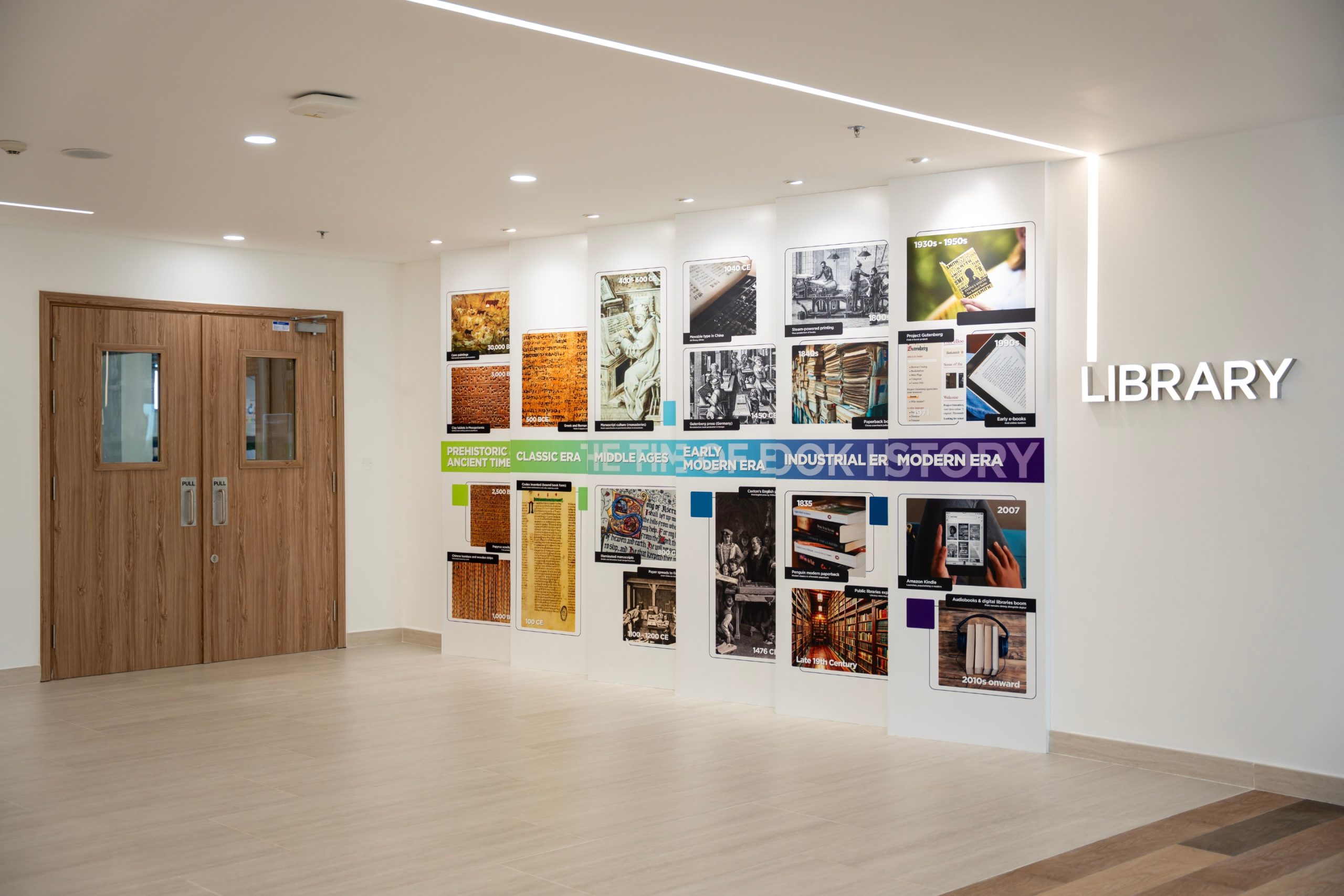
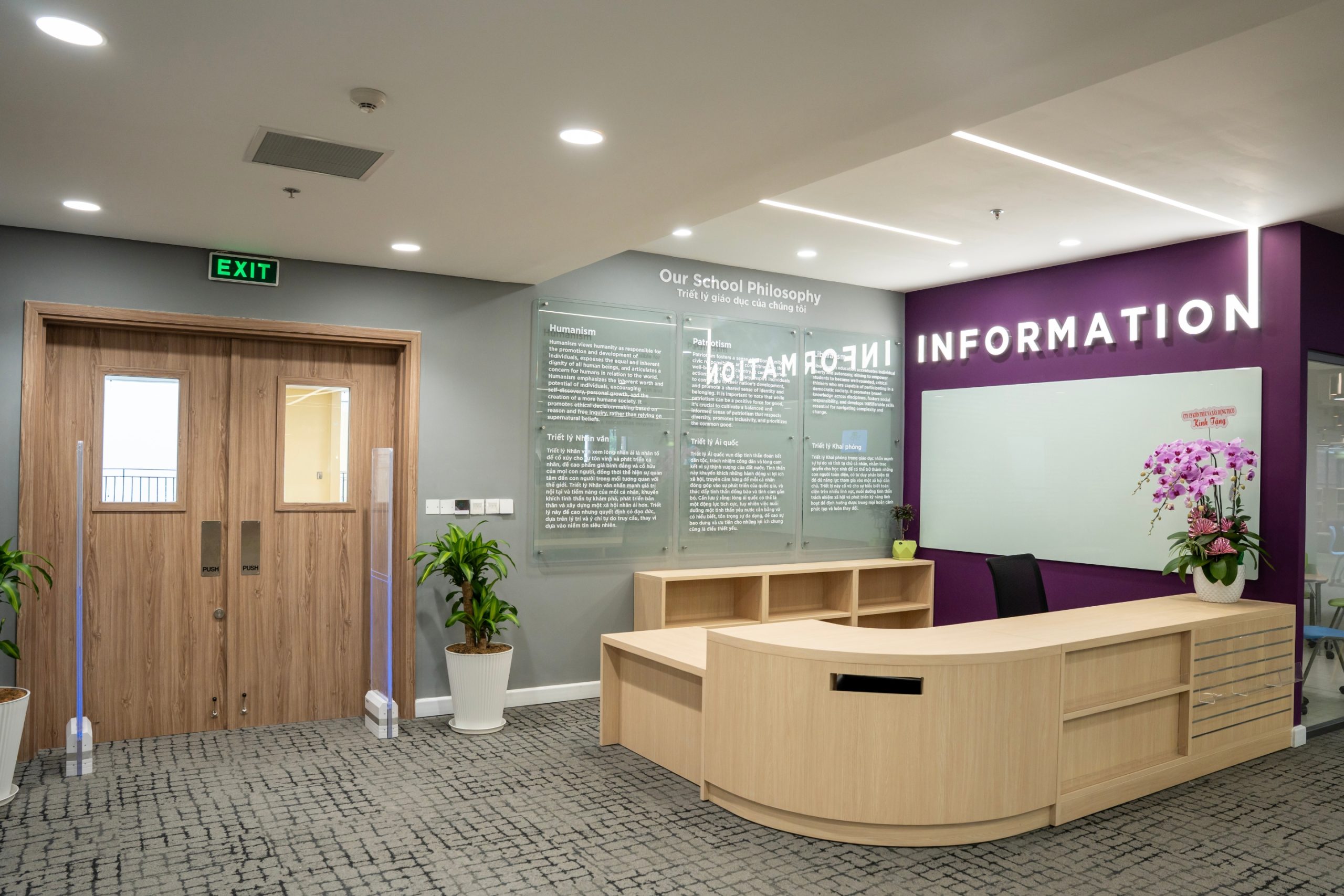 EMASI Plus Waterpoint International Bilingual School Library Project.
Conclusion
A high-quality international school library is more than an attractive space. It is designed according to standards that prioritize functionality, safety, and user experience. Scientifically planned functional zones optimize library management, improve learning outcomes, and create a modern educational environment.
With extensive experience in educational projects, TECO is confident in delivering professional international school library design and construction solutions. We partner with schools to create inspiring, high-quality learning environments that support sustainable educational development.