5 Key Touchpoints for Creating a Modern International School
A modern international school is not evaluated solely by its scale or architectural appearance. The quality of a building also lies in its ability to support teaching and learning activities. Spaces need to be safe, flexible, and adaptable. Technology also needs to be appropriately integrated. In addition, lighting, ventilation, and green spaces are important considerations.
Therefore, school design needs to be studied from the very beginning. Each factor must be calculated and coordinated consistently. The goal is to create a comfortable, efficient learning environment with long-term usability. Let’s explore the details with TECO in the article below.
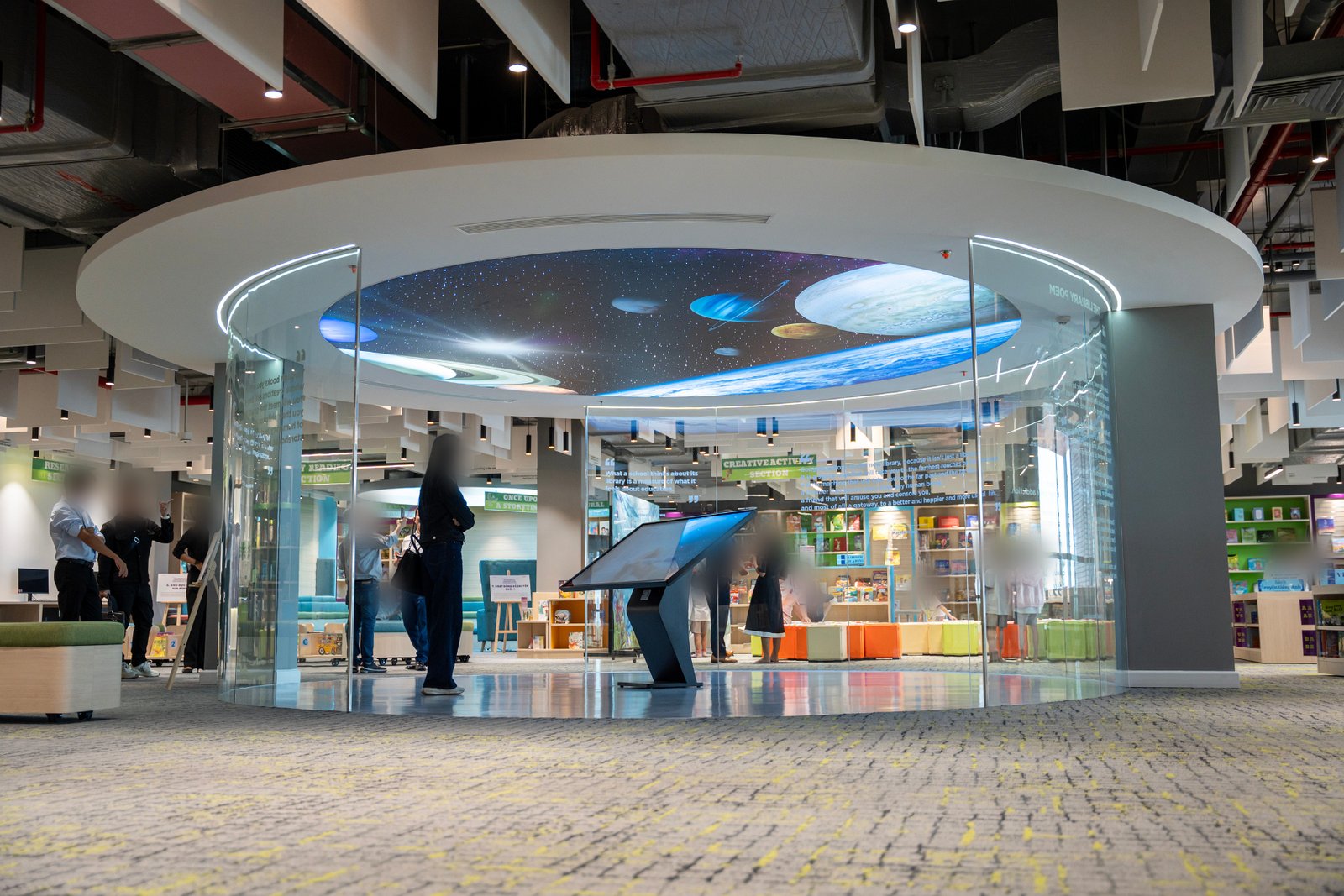
5 essential criteria for a modern international school.
1. Flexible and Multifunctional Learning Spaces
Suitable for Various Learning Methods
Modern education is no longer limited to the model of a fixed classroom. Students may study individually, work in groups, or participate in practical activities.
Therefore, international school design needs to create spaces that can adapt to different needs. A classroom can be arranged for various activities. Desks and chairs can be flexibly arranged. Partitions can be used when space division is needed. Breakout areas can also support discussions and group learning.
Enhancing Connectivity Between Areas
Learning spaces do not necessarily have to be completely enclosed. Classrooms can connect with corridors, courtyards, or common areas. This approach creates more points of interaction. Students have additional spaces for communication and relaxation between classes. At the same time, corridors can also become open learning areas. As a result, the building area can be used more efficiently.
2. Natural Light and a Comfortable Learning Environment
Lighting directly affects the classroom experience. Therefore, it is an important factor in school architecture.
Maximizing Natural Light
Windows are a common solution for bringing light into classrooms. However, their position and size need to be calculated according to the building orientation. In addition to side windows, architecture can incorporate skylights, courtyards, or open voids. These solutions help bring light into areas with greater depth. The goal is to provide an appropriate level of illumination. Excessive direct sunlight should be avoided.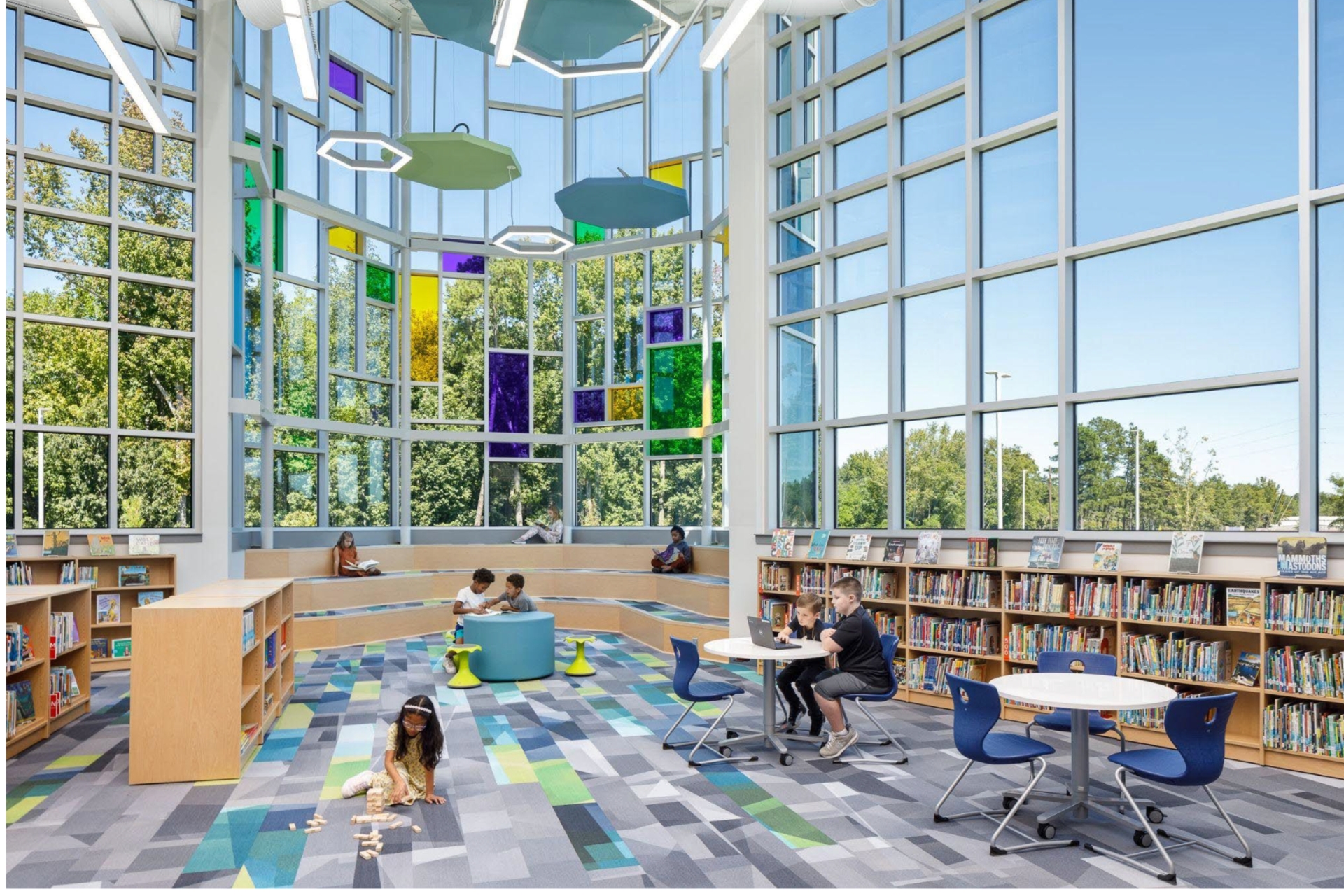
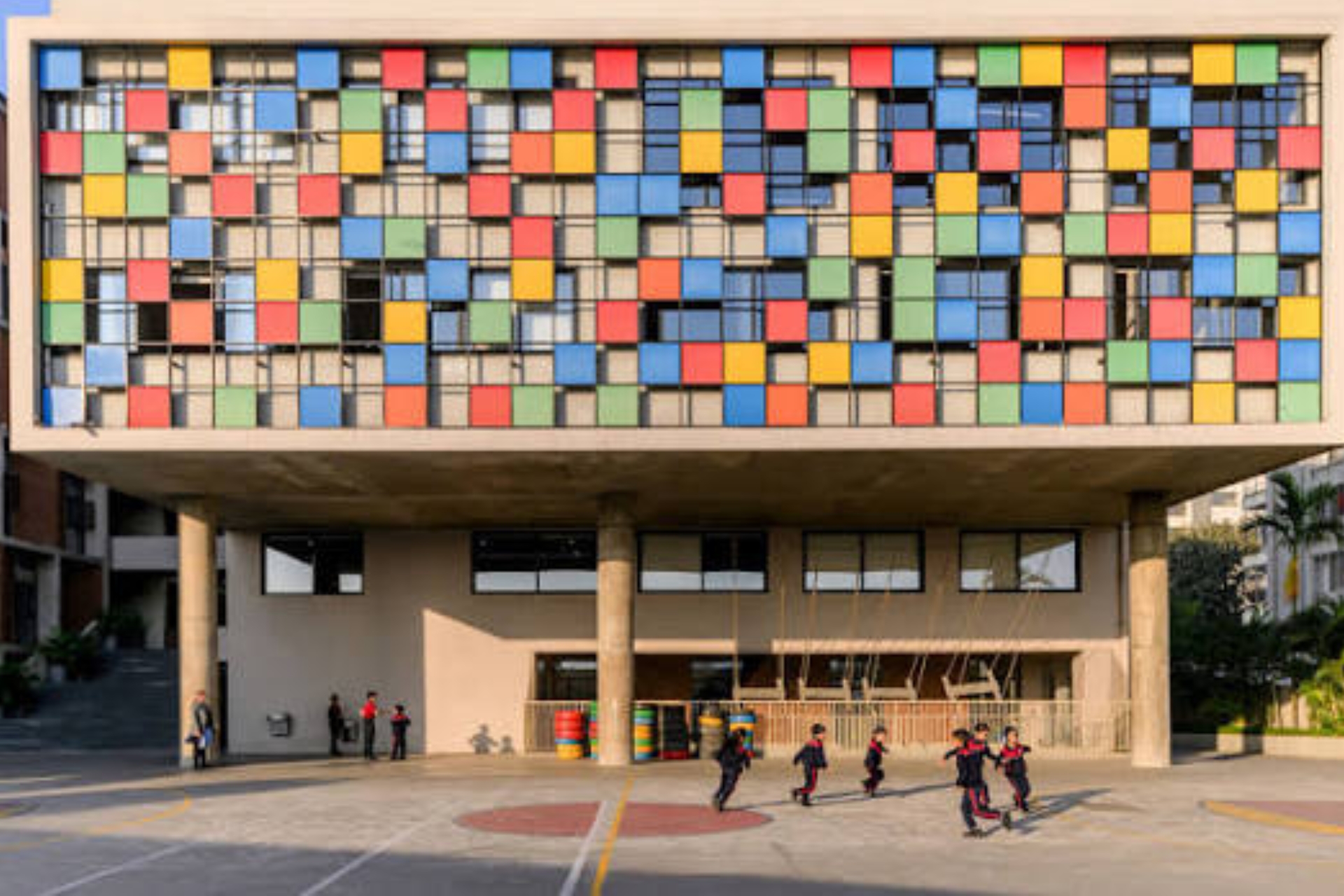
Maximizing natural light.
Controlling Glare and Heat Radiation
Using more glass does not necessarily mean that a space will be better. Large glass areas can increase heat and cause glare. Therefore, modern school design needs to combine glazing with sun-shading fins, overhangs, or curtains. The type of glass should also be selected based on the orientation of the facade. An effective solution needs to balance daylighting and heat control. This is how user comfort can be enhanced.
Integrating Ventilation
Lighting needs to be studied together with ventilation. Open spaces and courtyards can support air circulation when conditions allow. When architecture, landscape, and technical systems are coordinated from the beginning, the quality of the learning environment can be significantly improved.
3. Technology Integrated into School Architecture
Technology is playing an increasingly important role in education. Therefore, an international school needs to prepare appropriate infrastructure from the design stage.
Infrastructure for Teaching
Spaces need to accommodate equipment such as interactive displays, projectors, and sound systems. Electrical and network systems also need to be appropriately arranged. The locations of power outlets, connection points, and data cables need to be calculated in advance. This helps minimize renovation work after the building is put into operation.
Technology Supporting Operations
In addition to teaching, technology also supports school management. Access control systems, security cameras, and energy management systems can be integrated depending on the project scale. These solutions contribute to improving safety. At the same time, they help operators manage the building more efficiently.
Preparing for Future Needs
Educational technology is constantly evolving. Therefore, infrastructure should not be designed to be overly rigid. Good international school design needs to allow for future upgrades. Technical systems should include spare capacity to accommodate changes in usage requirements.
4. Safety, Accessibility, and Comprehensive Comfort
Safety is an essential factor in any educational building. For international schools, this requirement needs to be considered from the planning stage.
Ensuring Student Safety
Circulation routes within the school need to be clear. Entrances and exits must be organized appropriately. Areas with a risk of collision should be minimized. Emergency escape systems must also be designed according to the scale of the building. Finishing materials need to be durable and suitable for environments with high usage frequency.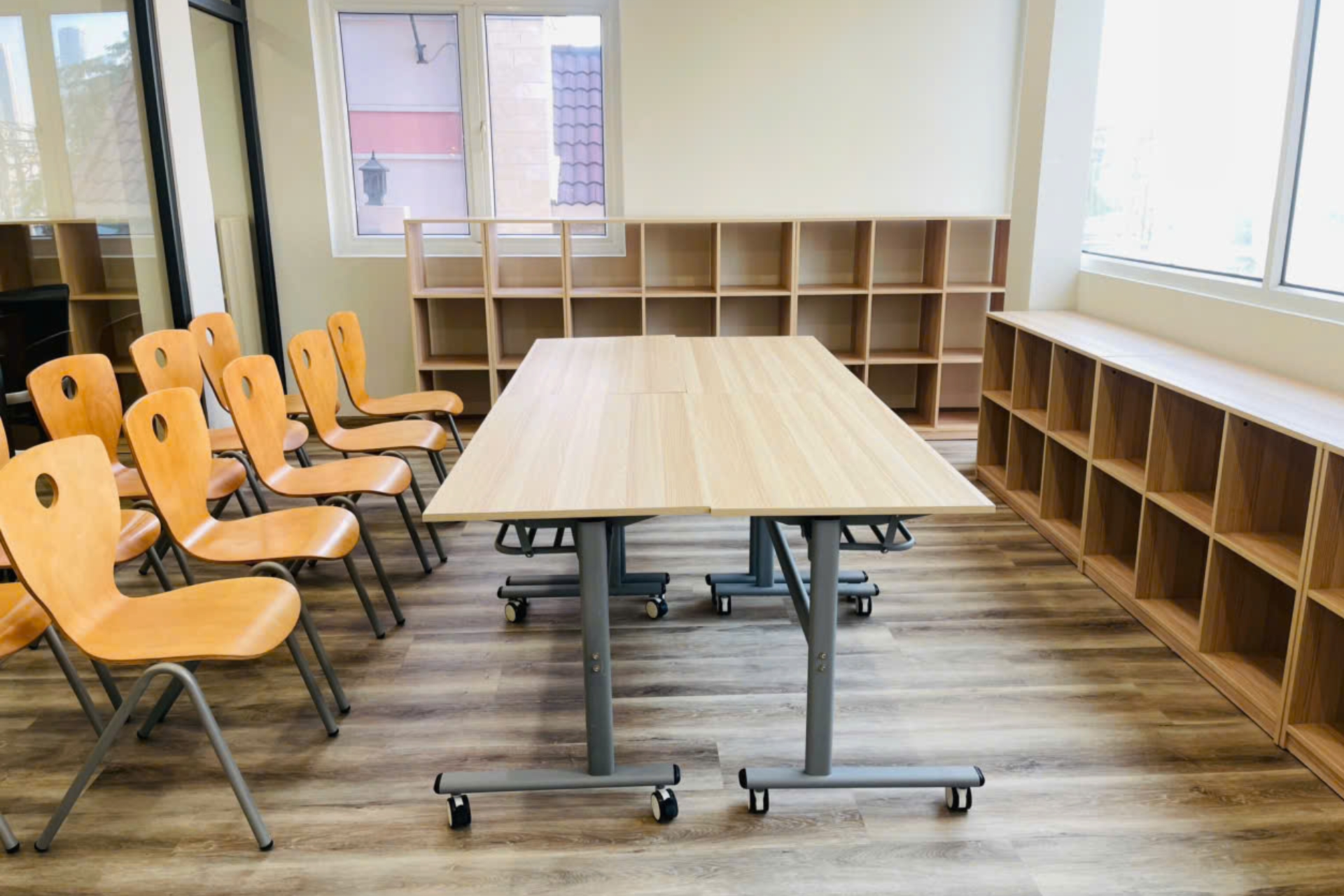
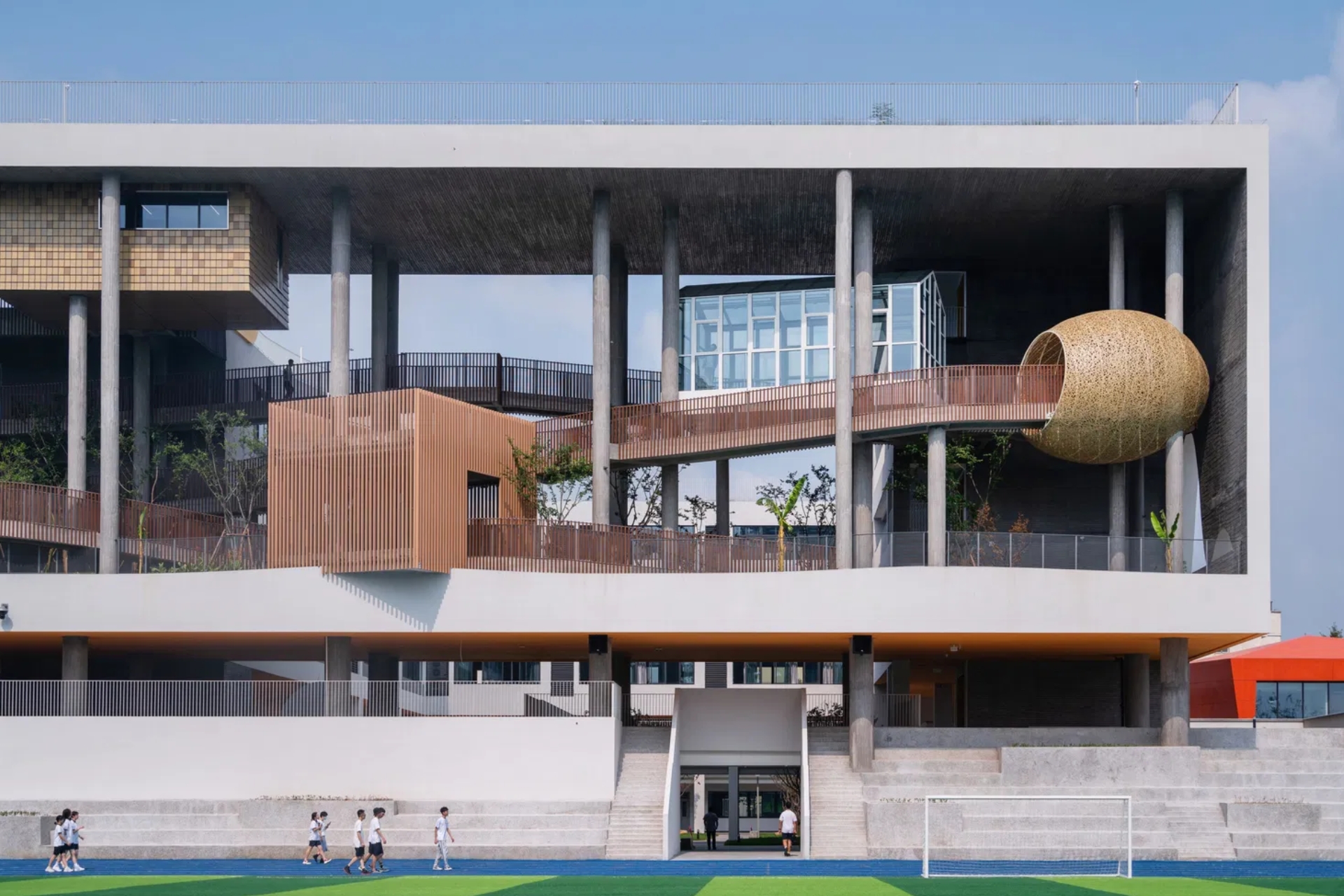
Ensuring student safety.
Ensuring Accessibility
Schools need to be convenient for different groups of users. Walkways, ramps, and elevators should be appropriately arranged when necessary. Accessibility is not merely a technical requirement. It is also a factor that reflects the inclusiveness of the educational environment.
Controlling Acoustics and Temperature
Learning spaces need to minimize noise. Classrooms should be arranged to reduce sound interference between areas with different functions. In addition, temperature also needs to be controlled. Architectural solutions and air-conditioning systems should be coordinated to create a stable environment.
Therefore, a modern school needs to be designed from a holistic perspective. Safety and comfort must go hand in hand with functionality.
5. Green Spaces and Sustainable Design Solutions
Green spaces are increasingly becoming an important part of international school design.
Bringing Nature into Schools
Greenery can be arranged in schoolyards, courtyards, or resting areas. Outdoor spaces can also become places for learning and interaction. Students have more opportunities to connect with nature during their daily activities. Green areas can also create focal points for the architecture. As a result, the building becomes more open and welcoming.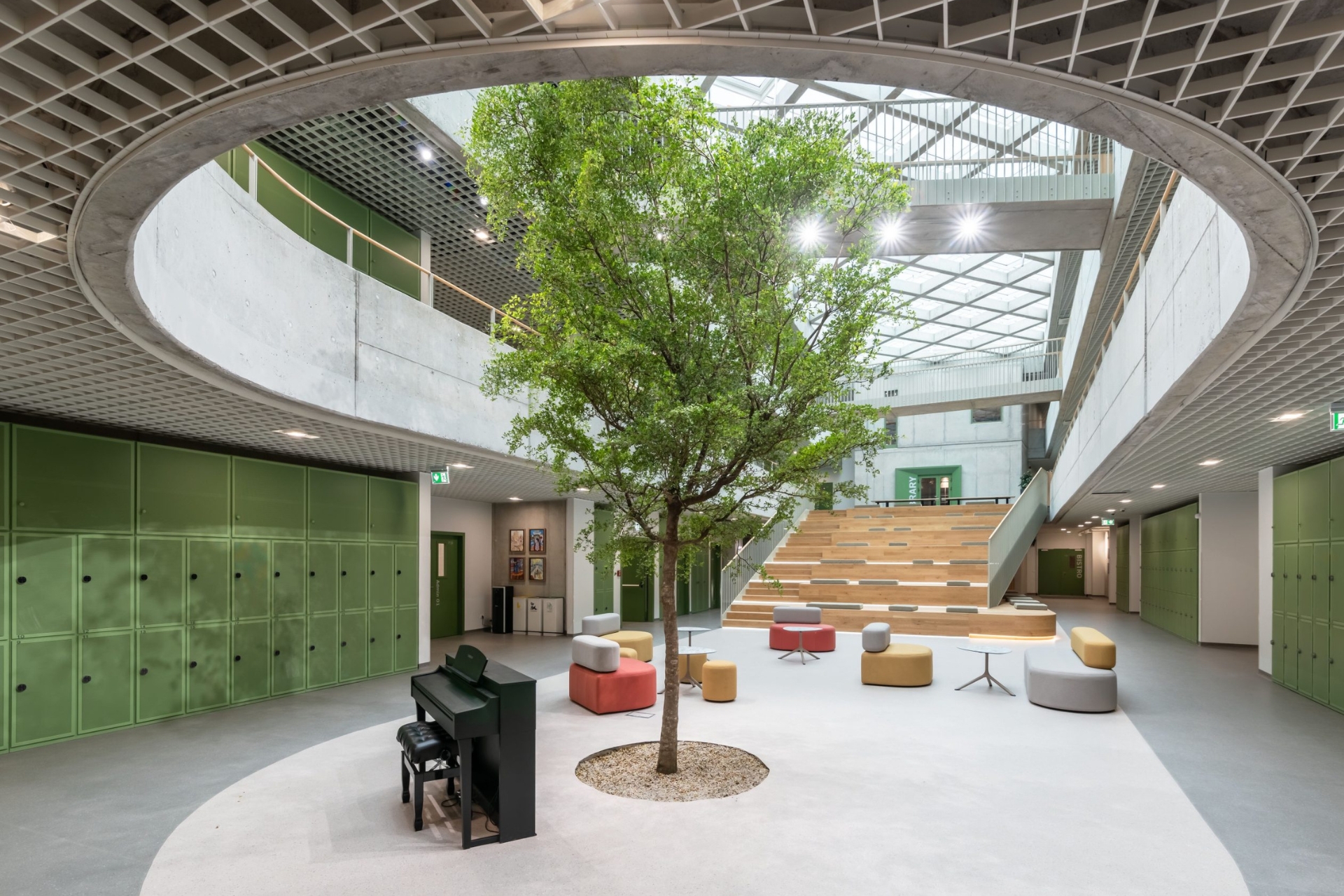
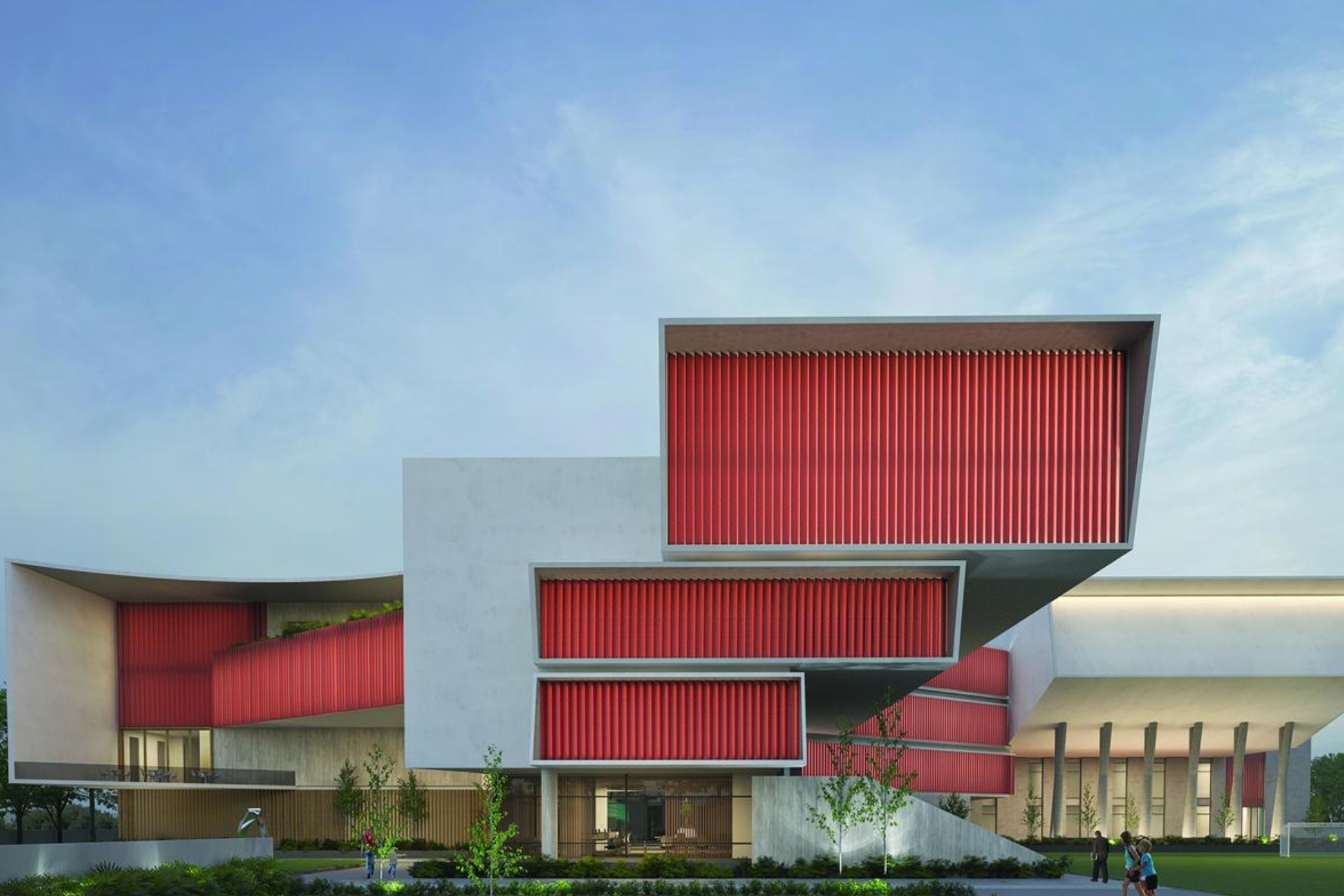
Bringing students closer to nature.
Optimizing Energy Efficiency
Sustainable design begins with basic solutions. These include maximizing natural light, controlling heat radiation, and optimizing ventilation. Lighting and air-conditioning systems should also be selected according to actual usage needs.
For projects of an appropriate scale, renewable energy can be considered. However, the solution should be based on the actual conditions of each building.
Considering Long-Term Operation
A sustainable building is not only about saving energy. It also needs to be easy to clean, repair, and maintain. Durable materials help reduce replacement costs. Properly arranged technical systems also make maintenance more convenient.
Therefore, school architecture needs to be considered throughout the entire building life cycle.
TECO – Educational Facility Design and Construction Contractor
A quality international school requires close coordination among architecture, interior design, and technical systems. This is also the approach behind TECO’s design and construction solutions for educational facilities.
TECO provides solutions ranging from site surveys and design to construction and completion. Factors such as functionality, lighting, ventilation, materials, and operation are considered according to actual requirements.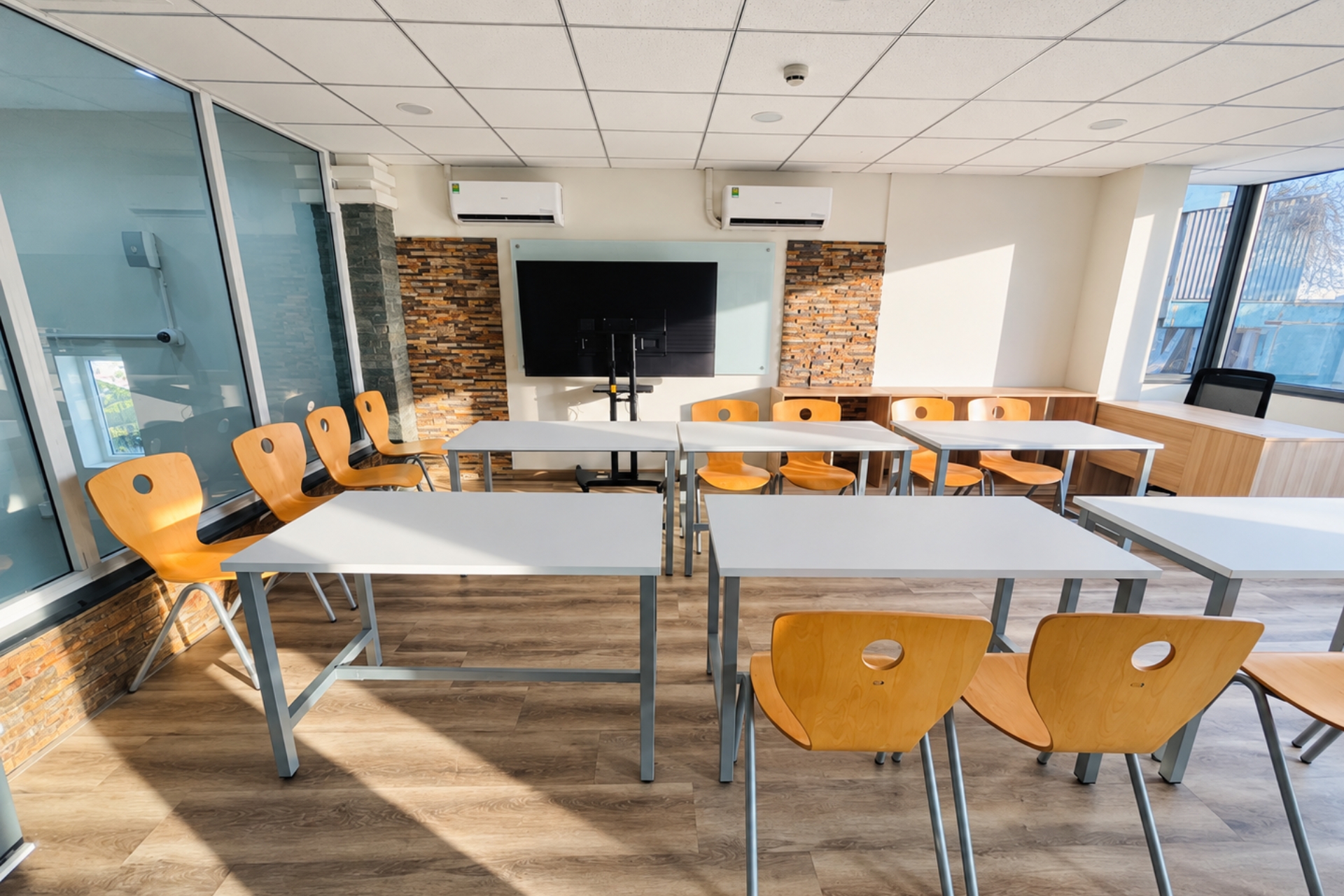
TECO – A trusted and creative international school design and construction contractor.
Rather than focusing solely on appearance, the solution should aim for long-term operational efficiency. Each area is studied based on its function and operational characteristics.
TECO works alongside investors to create educational facilities that are safe, comfortable, and efficient. From architectural design to construction and completion, each scope of work is calculated based on actual usage requirements and the long-term development vision of the international school. Contact TECO for detailed consultation on international school design and construction solutions.
Related services: International school & kindergarten design & build · After-handover maintenance – TECO MSC