Inspiring International School Design Models 2026
In the context of continuously evolving global education, international school design is no longer merely a matter of functionality but has become an educational strategy. Learning spaces today play the role of the “third teacher,” directly influencing students’ emotions, thinking, and creativity.
The year 2026 witnesses a new wave of design: where architecture is not only beautiful but also inspiring, nurturing individuality, and creating multidimensional learning experiences. So what creates such an educational environment? And what are the inspiring international school design models? Let’s explore in more detail with TECO through the article below.
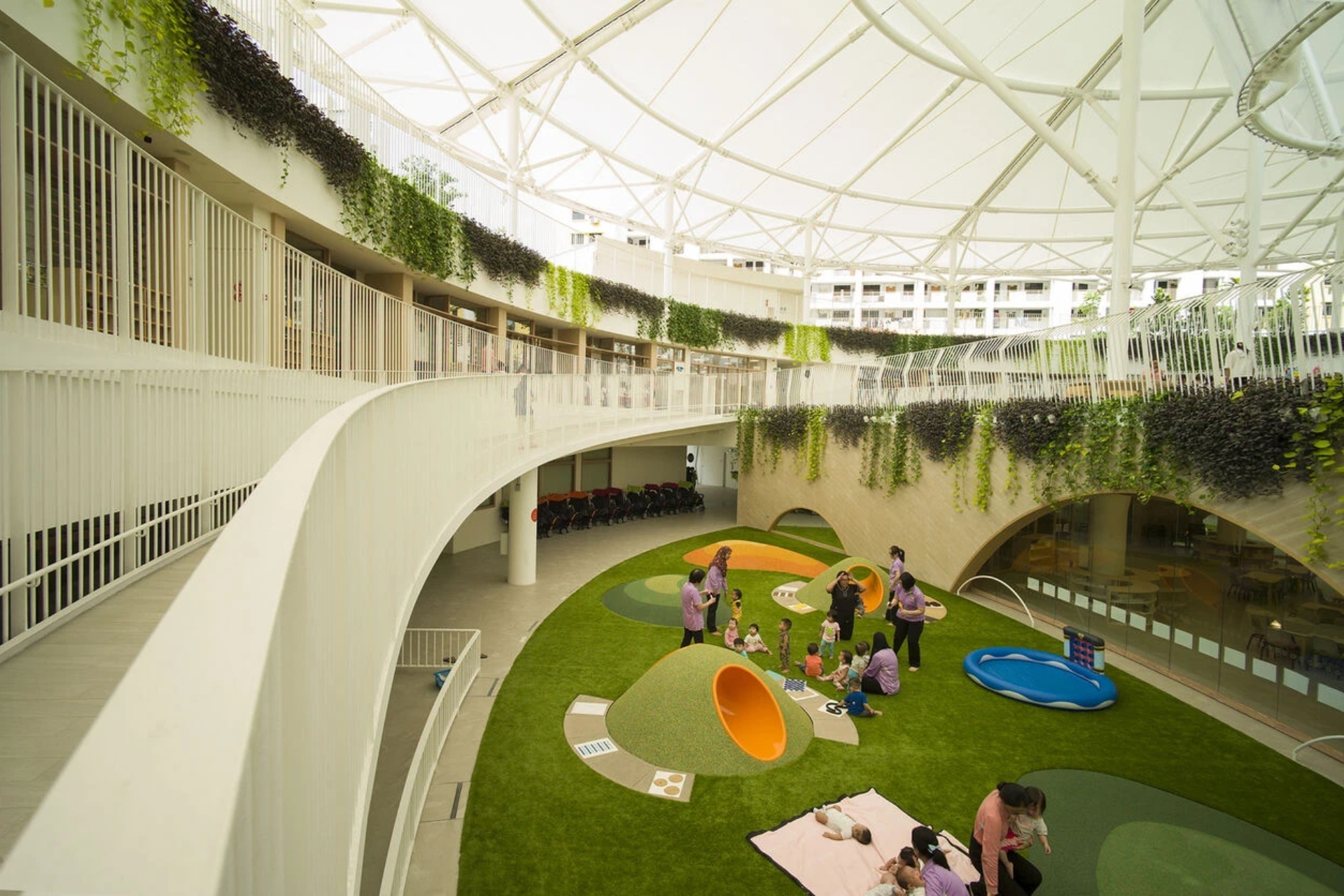 Inspiring international school design models 2026
Factors that create an inspiring school design
1. Student-centric design
An inspiring school begins with understanding the learner. Spaces are no longer designed according to the “traditional classroom” but shift to flexible models. In particular, landscape and interior function as a unified whole, with non-traditional spatial layouts, combined with modern technology and sustainable materials.
- Open spaces, easy to reconfigure
- Areas for group study and individual learning in parallel
- Rest and energy regeneration zones
This design helps students proactively choose suitable learning methods, thereby enhancing self-learning ability and creativity.
2. Flexibility and multifunctionality
One of the prominent trends in international school design is “transformable” spaces:
- Classrooms can be converted into workshop spaces
- Corridors become exhibition or discussion areas
- Libraries integrate co-working spaces
Flexibility helps optimize space usage and creates multiple learning experiences within the same area.
3. Connection with nature (Biophilic design)
Many studies show that exposure to nature improves concentration and reduces stress. Therefore, modern international schools often integrate:
- Maximum natural lighting
- Interwoven green spaces
- Multifunctional outdoor playgrounds
This is not only an aesthetic factor but also a comprehensive development strategy for students.
4. Design that stimulates creative thinking
Colors, forms, and materials play an important role in stimulating imagination:
- Bright, intentional color schemes
- Non-linear forms
- “Open” spaces for exploration
These factors make the learning environment more engaging, sparking curiosity—the foundation of creativity.
5. Smart technology integration
A modern international school design cannot lack technology:
- Smart interactive boards
- Automated lighting and air-conditioning systems
- Hybrid learning spaces (offline + online)
Technology not only supports teaching but also helps personalize the learning experience.
Inspiring international school design models 2026
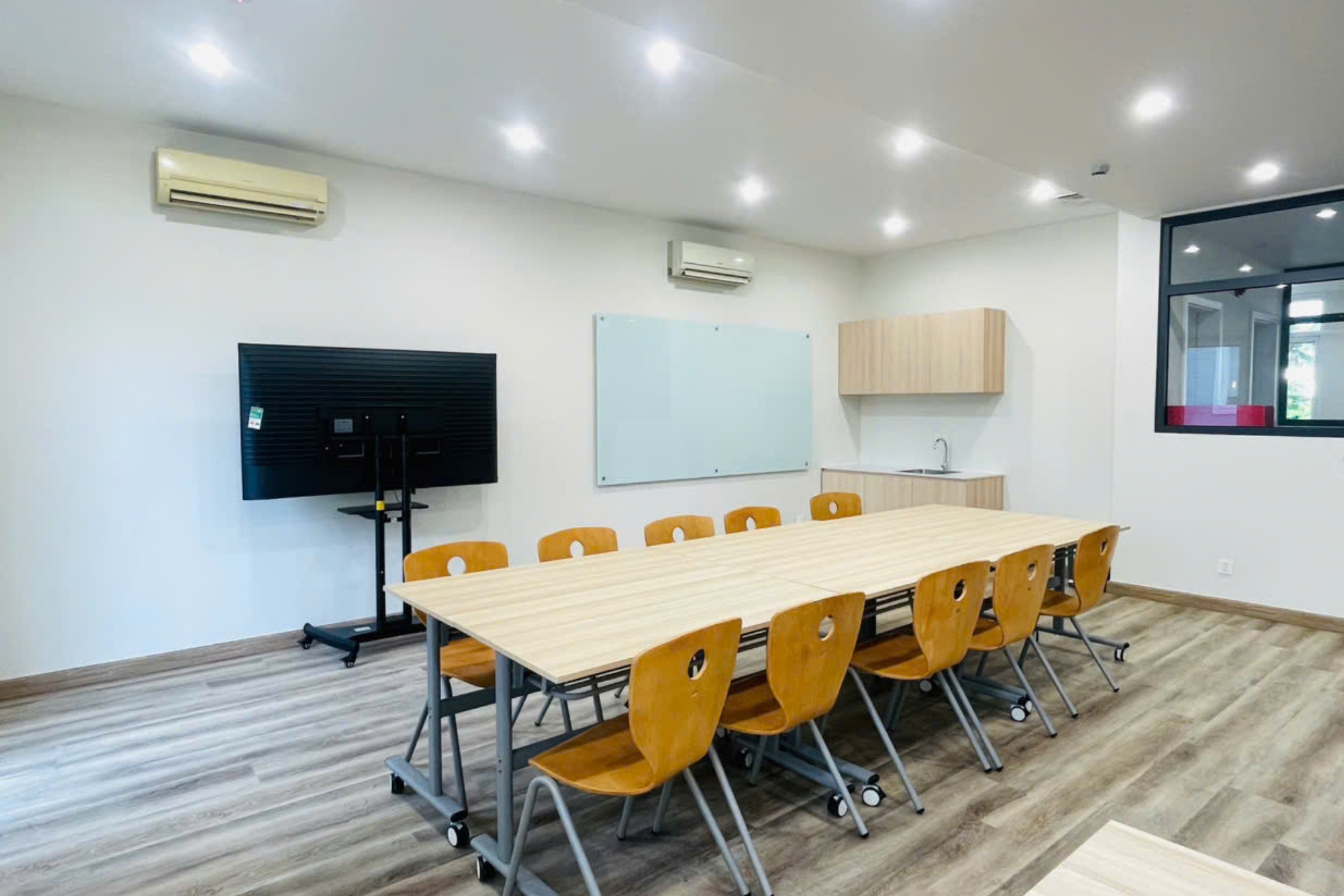
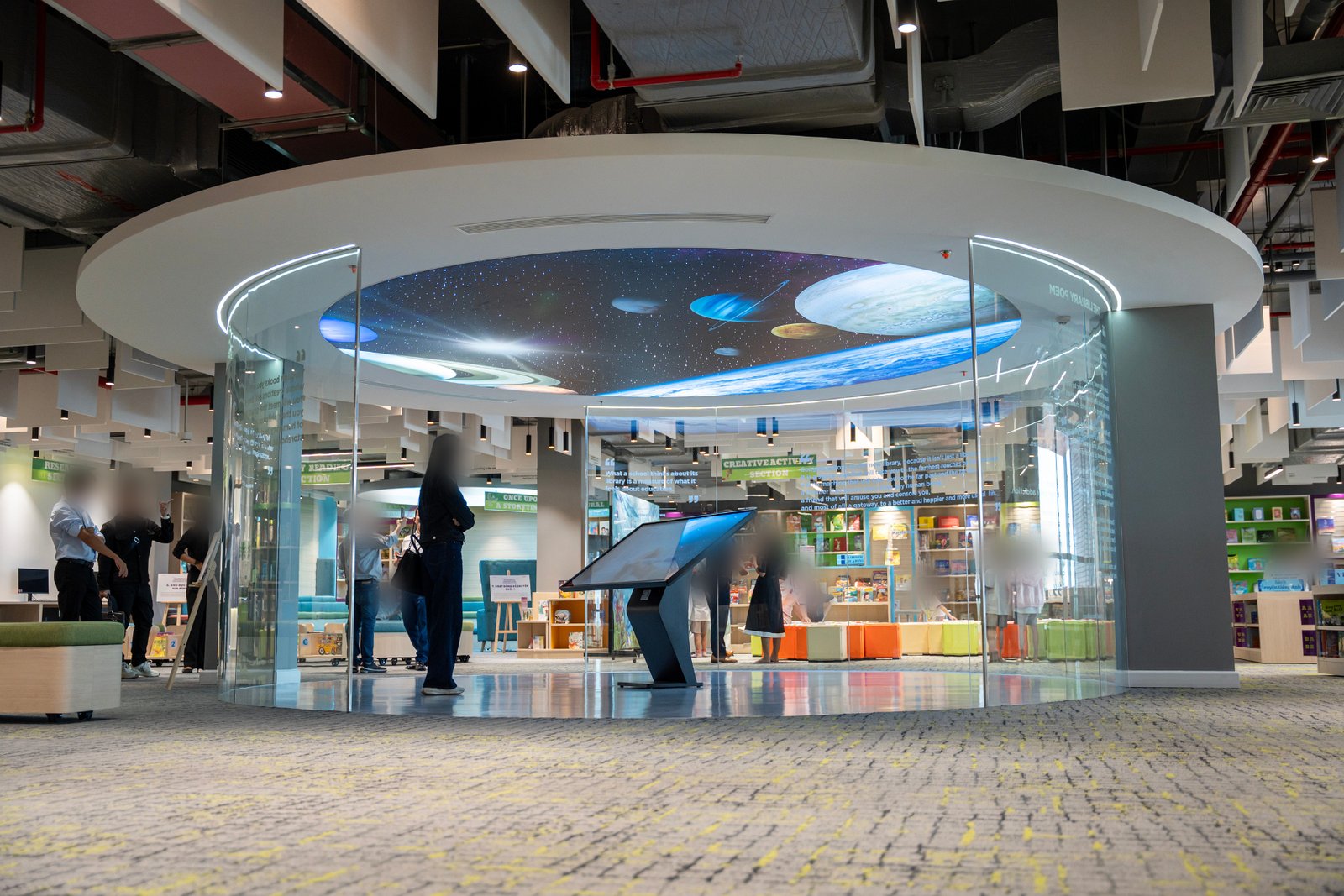
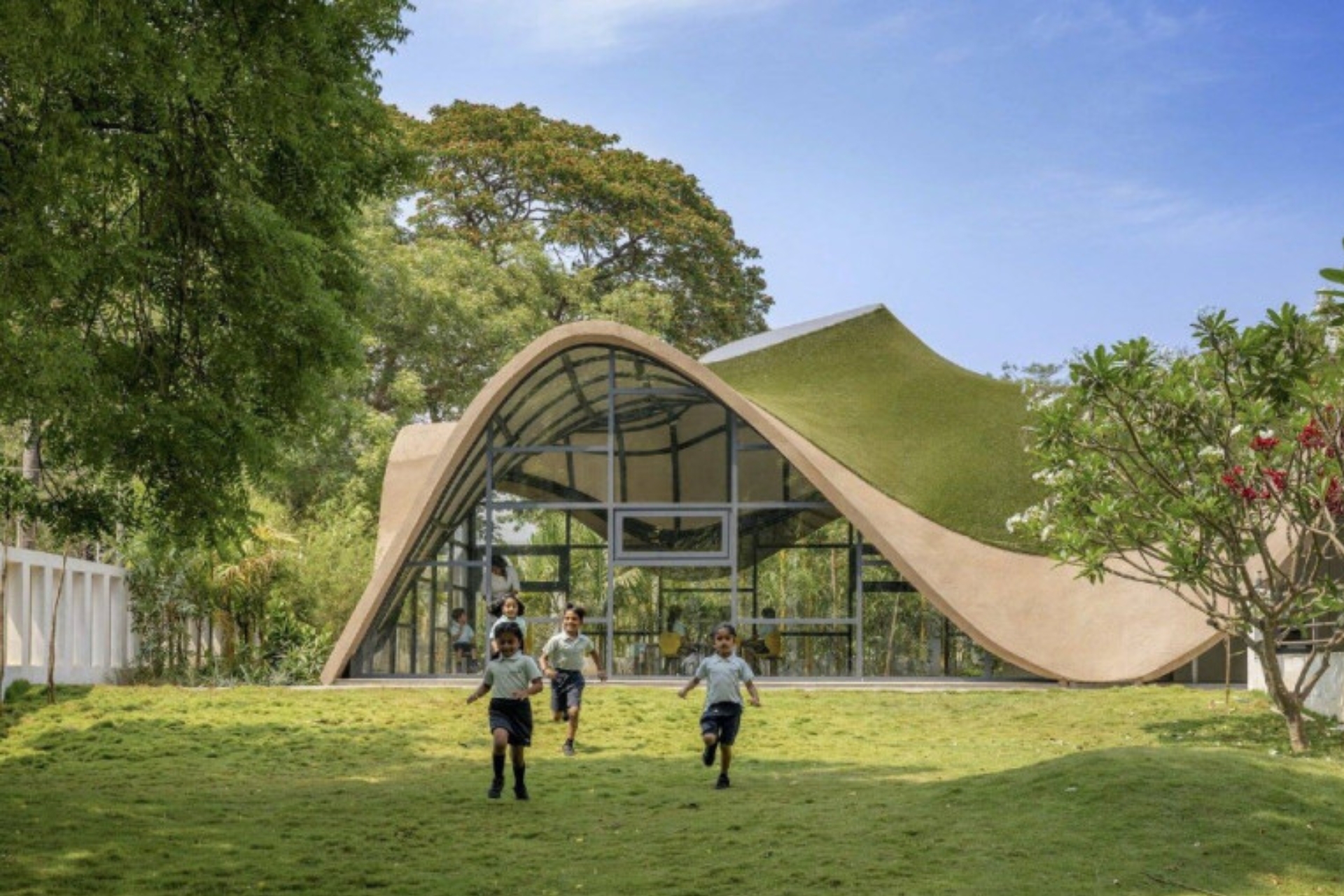
1. Bloomingdale International School – The educational space of the future
Bloomingdale is a typical example of a “future-forward” design mindset in education.
Highlights:
- Minimalist architecture with depth
- Continuous open space between learning areas
- Optimized natural light and ventilation
Instead of being divided into traditional classrooms, Bloomingdale creates a seamless learning ecosystem where students move freely and interact continuously. Thus, school design should not be limited by walls but should open up flows of experience.
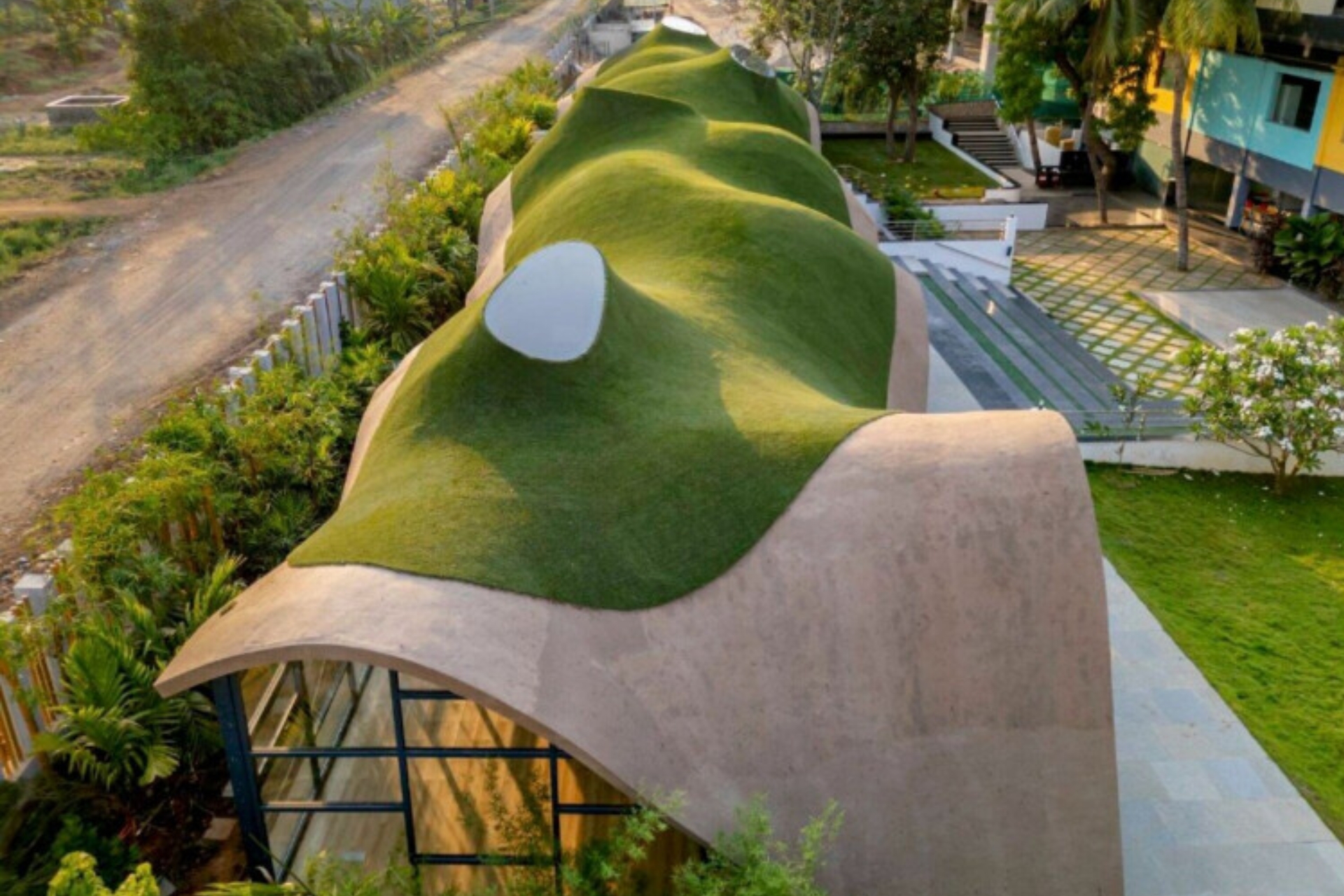
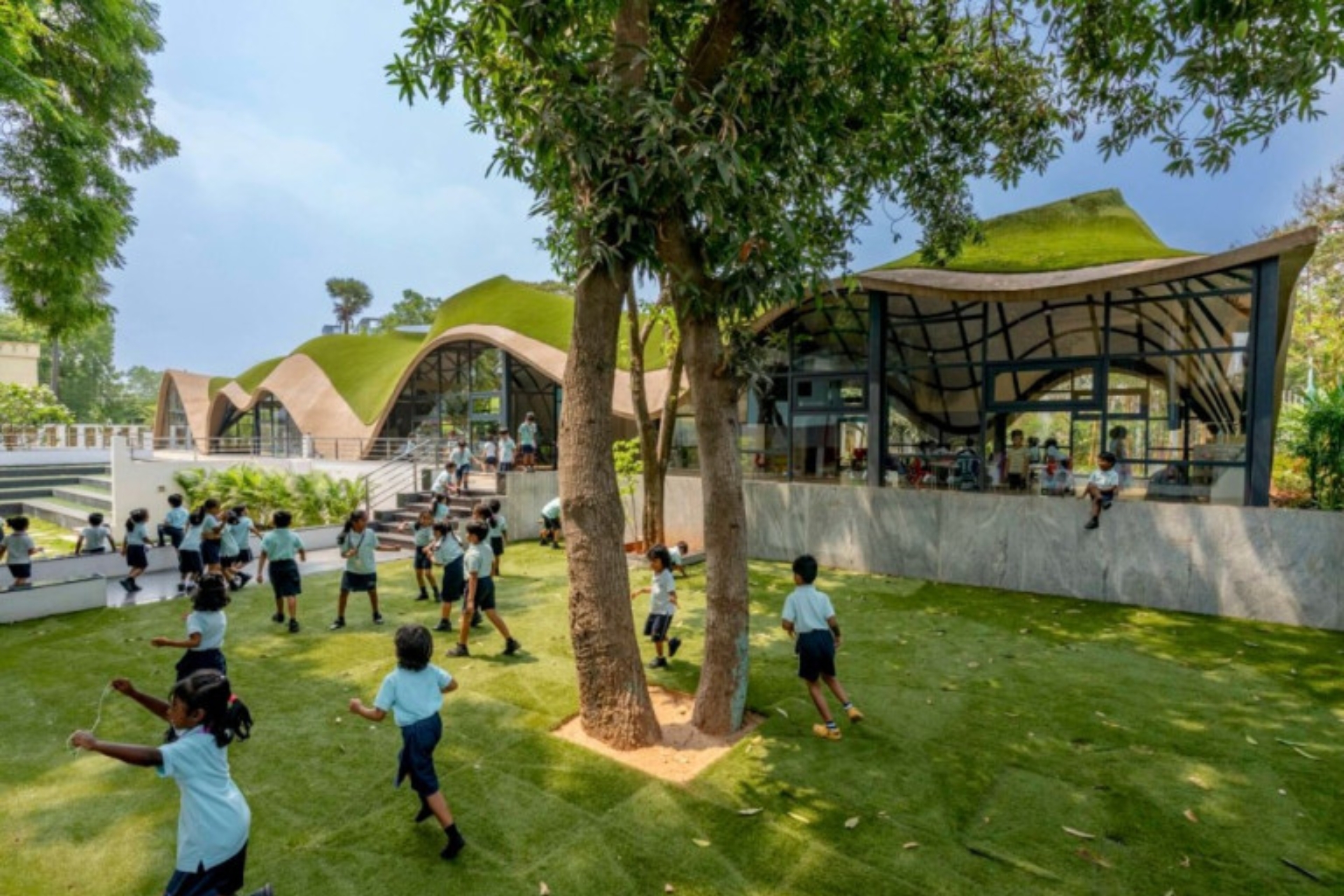
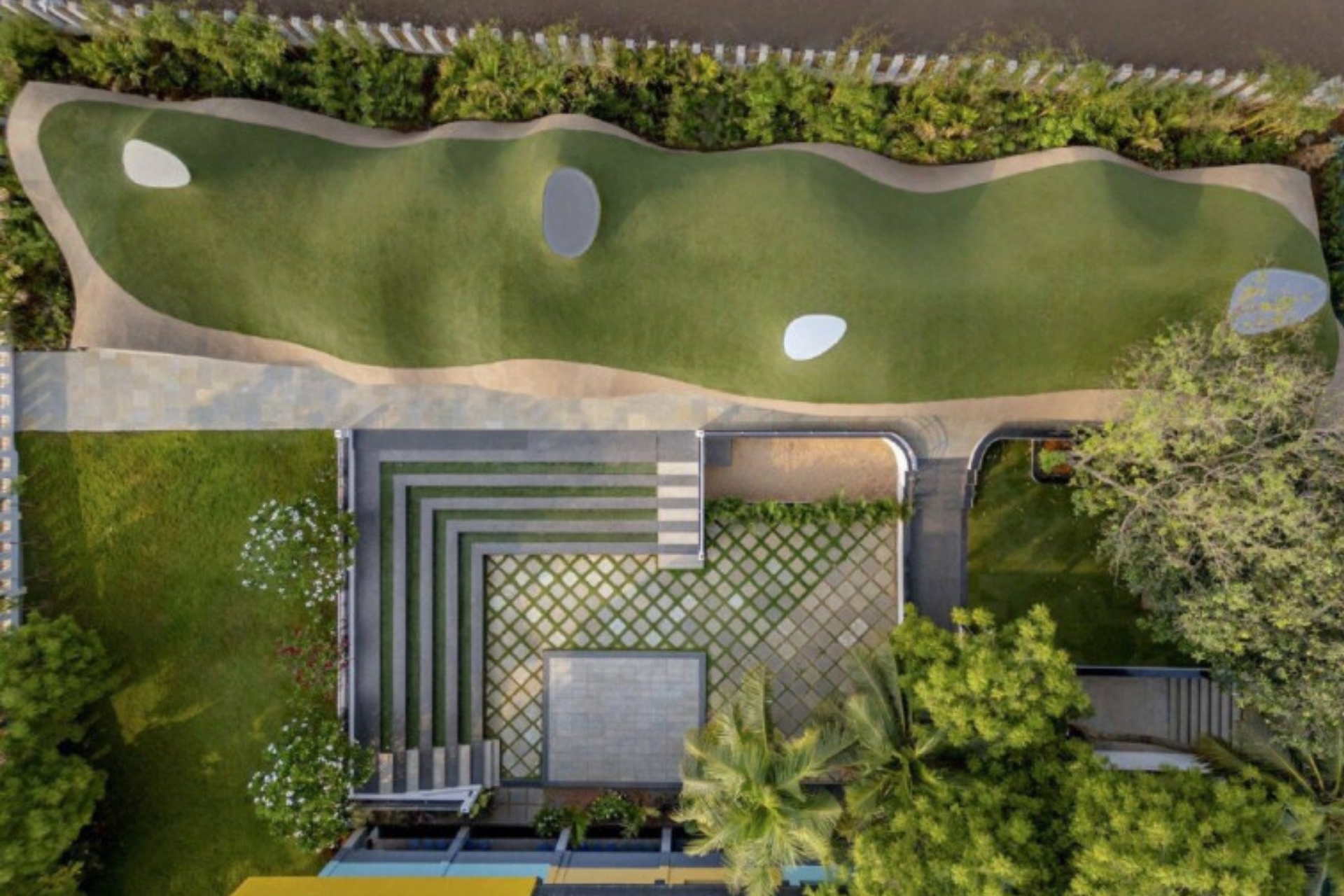
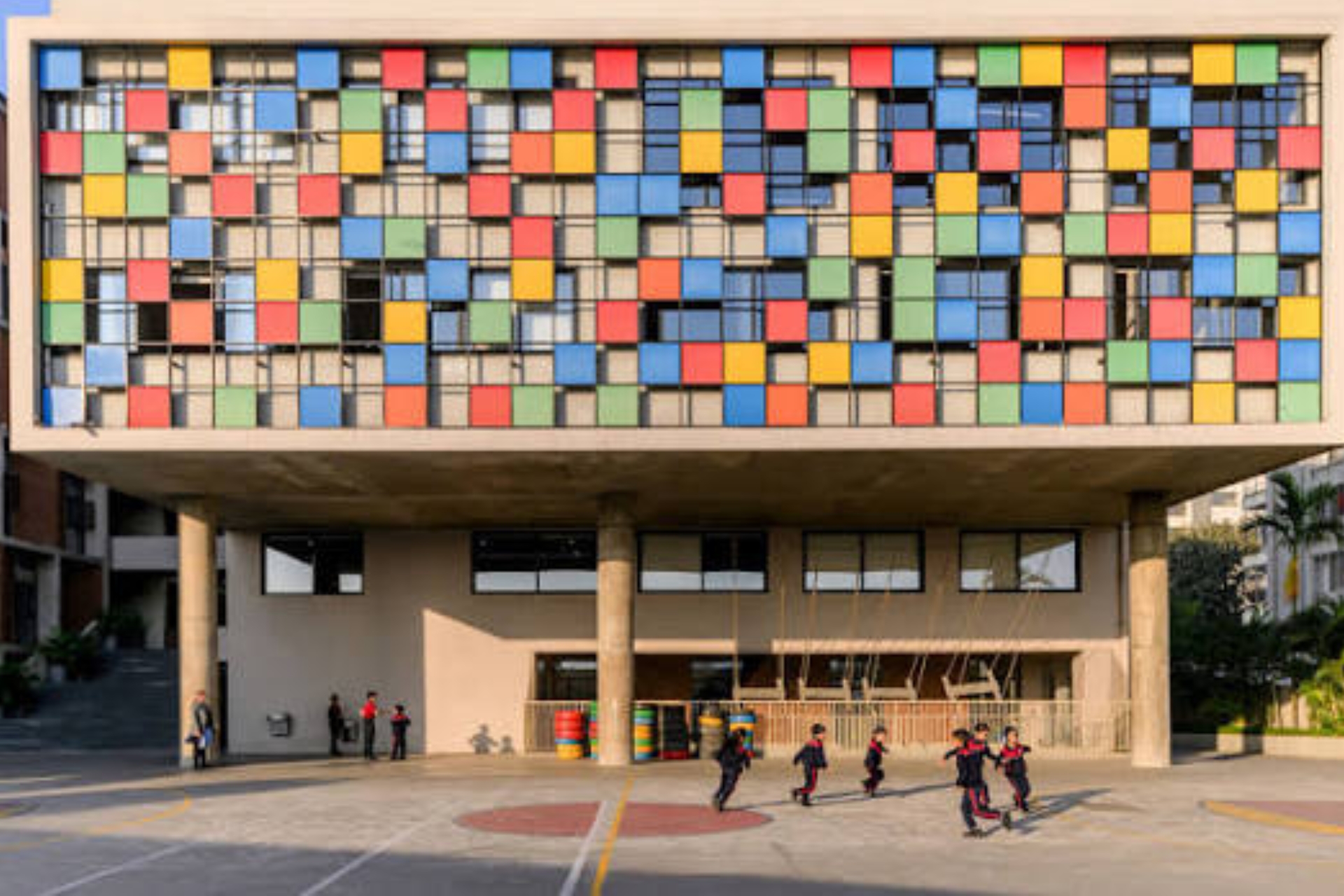
2. Hangzhou Kindergarten – When architecture becomes a maze of exploration
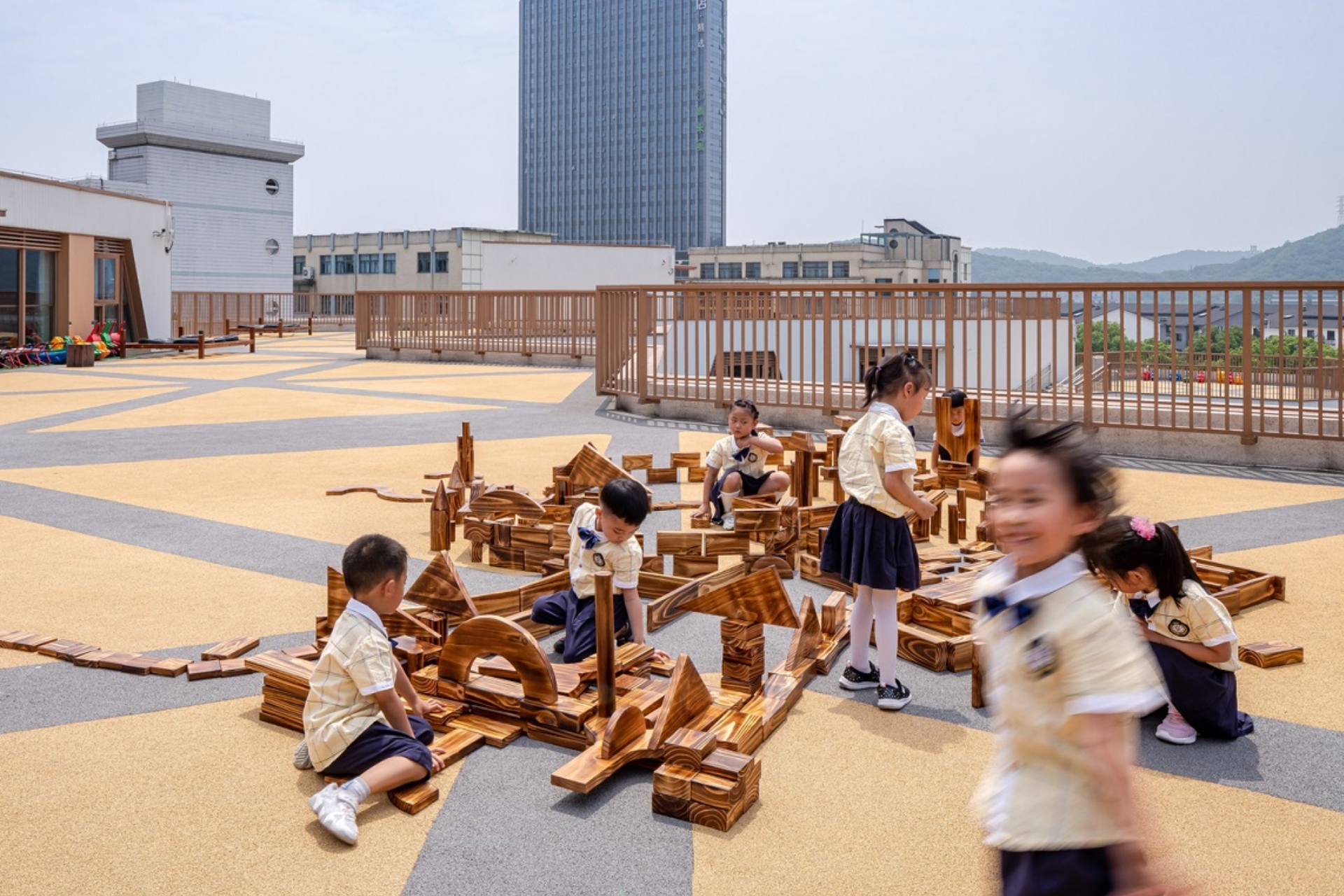
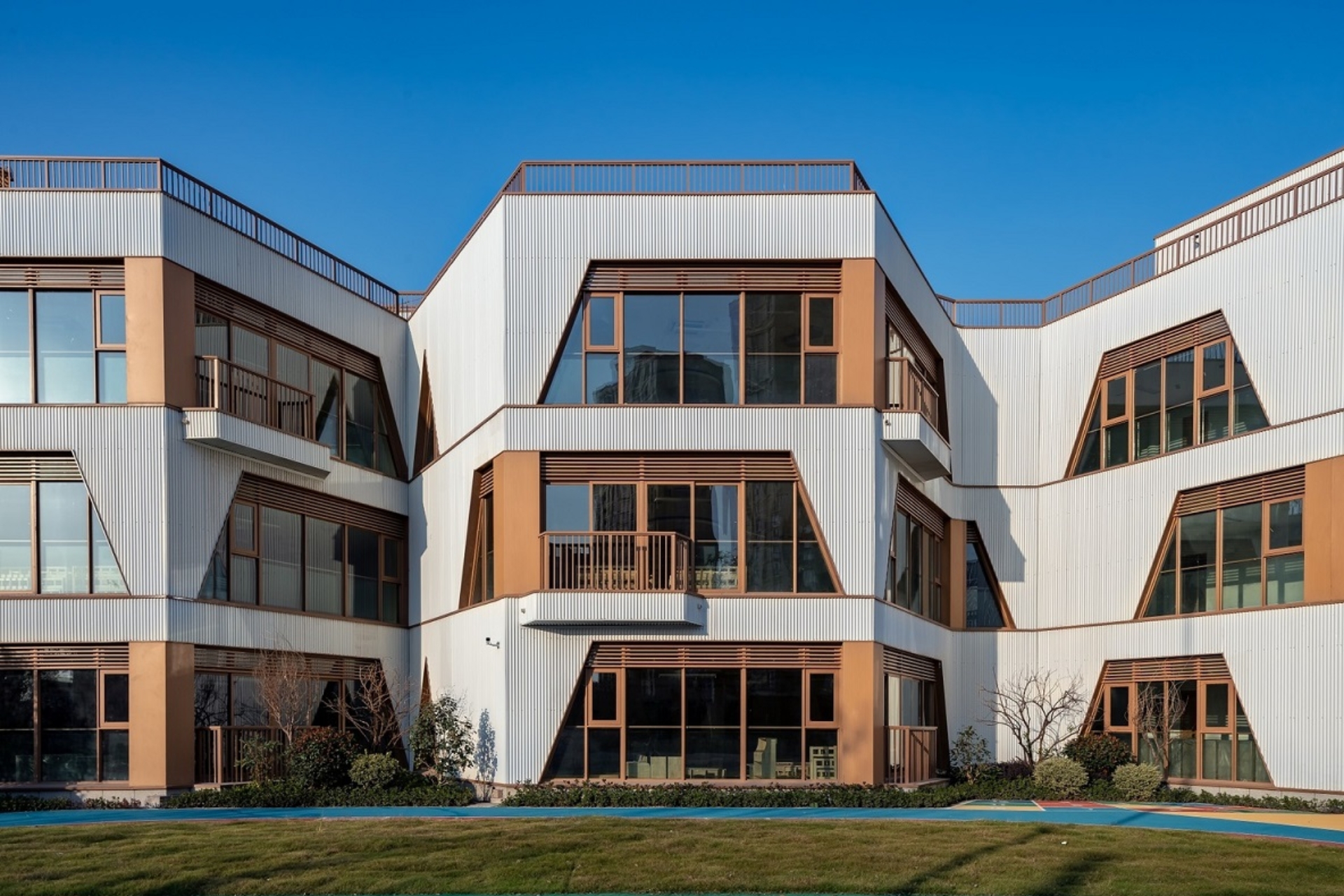
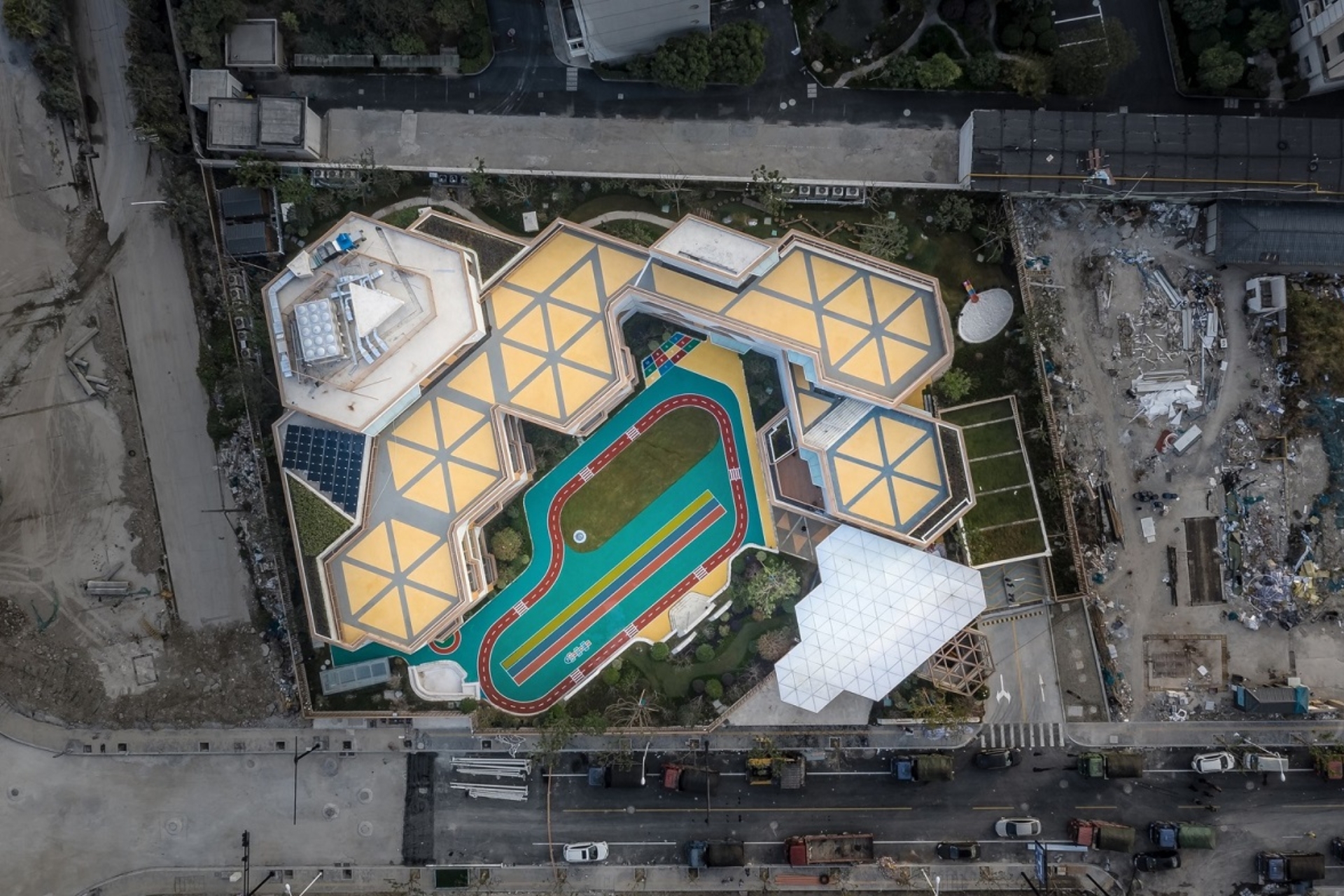
This school impresses strongly with its unique honeycomb structure.
Highlights:
- Hexagonal modular design
- Interconnected spaces like an “exploration maze”
- Use of wood materials to create warmth
Children not only “learn in school” but also “play with architecture.” Every corner stimulates curiosity and exploration. The lesson learned is that for preschool level, design should be more experiential and interactive rather than standardized.
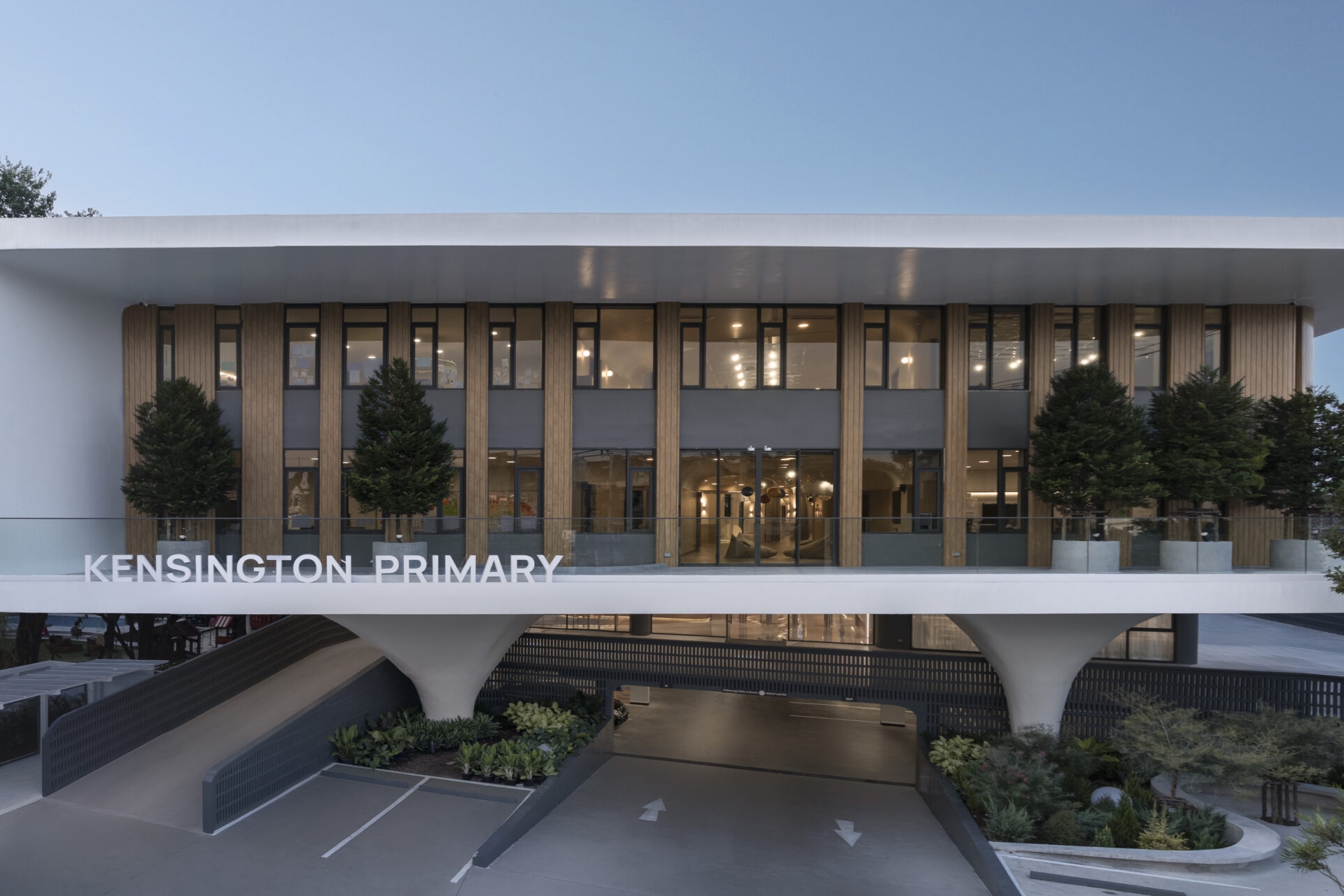
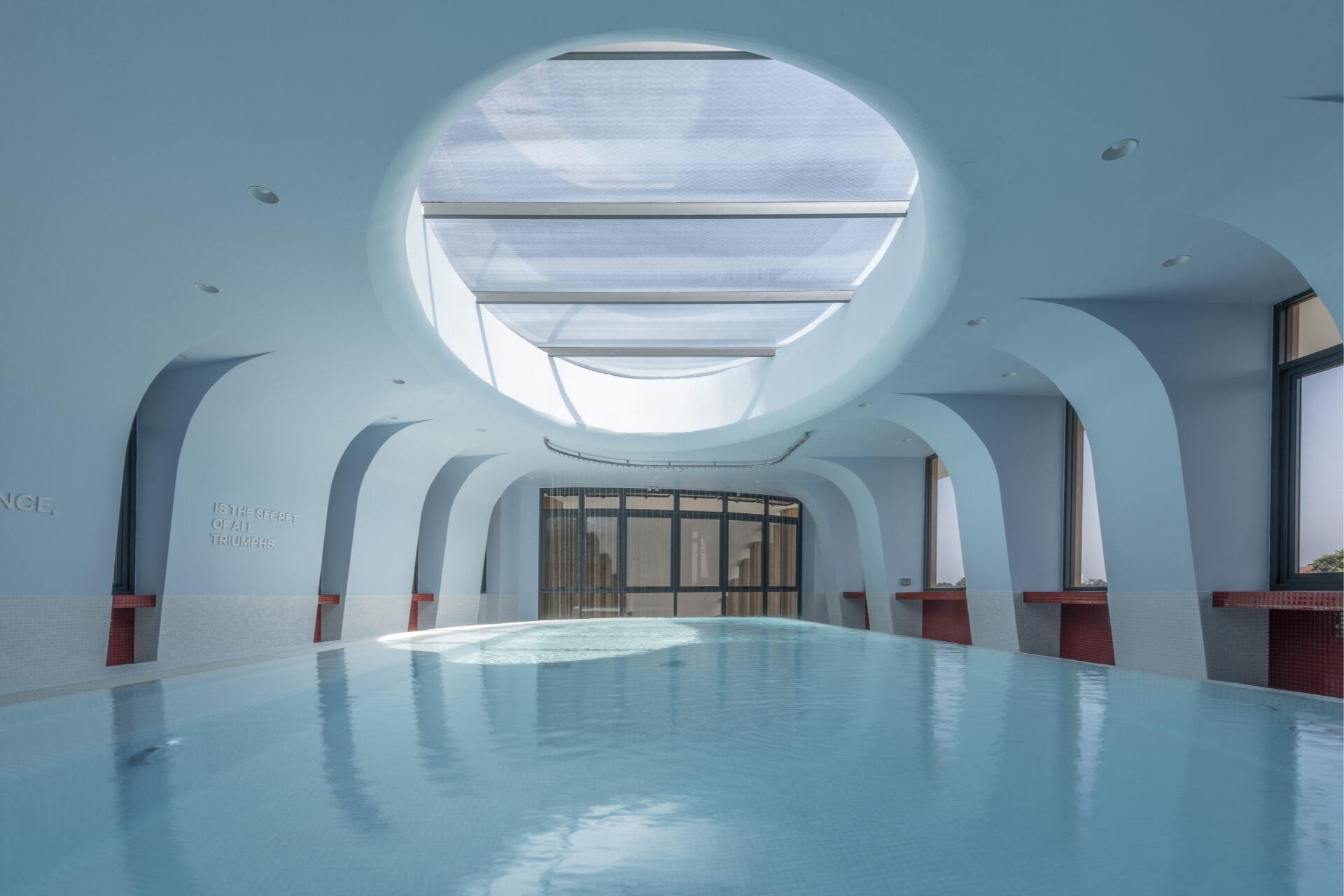
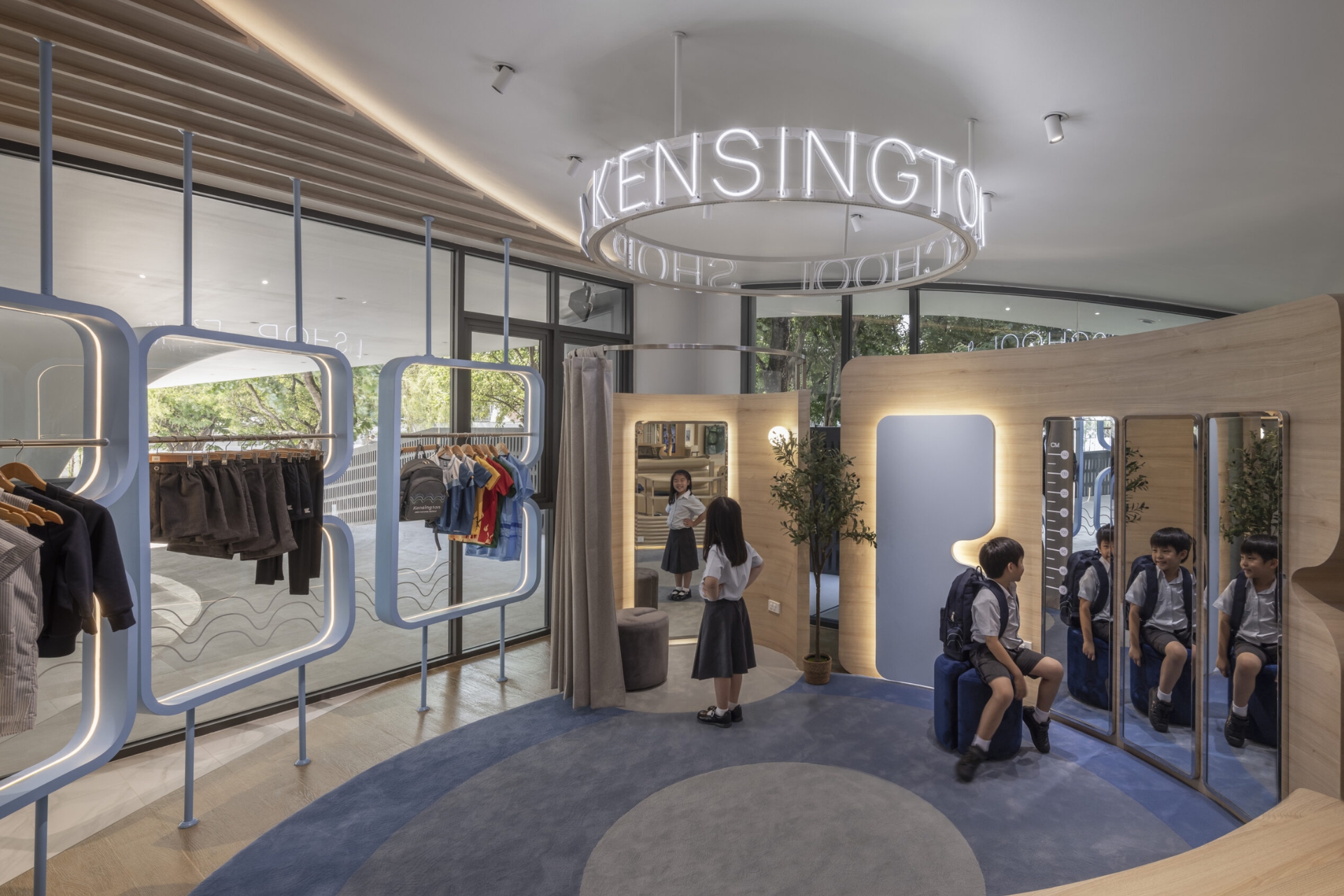
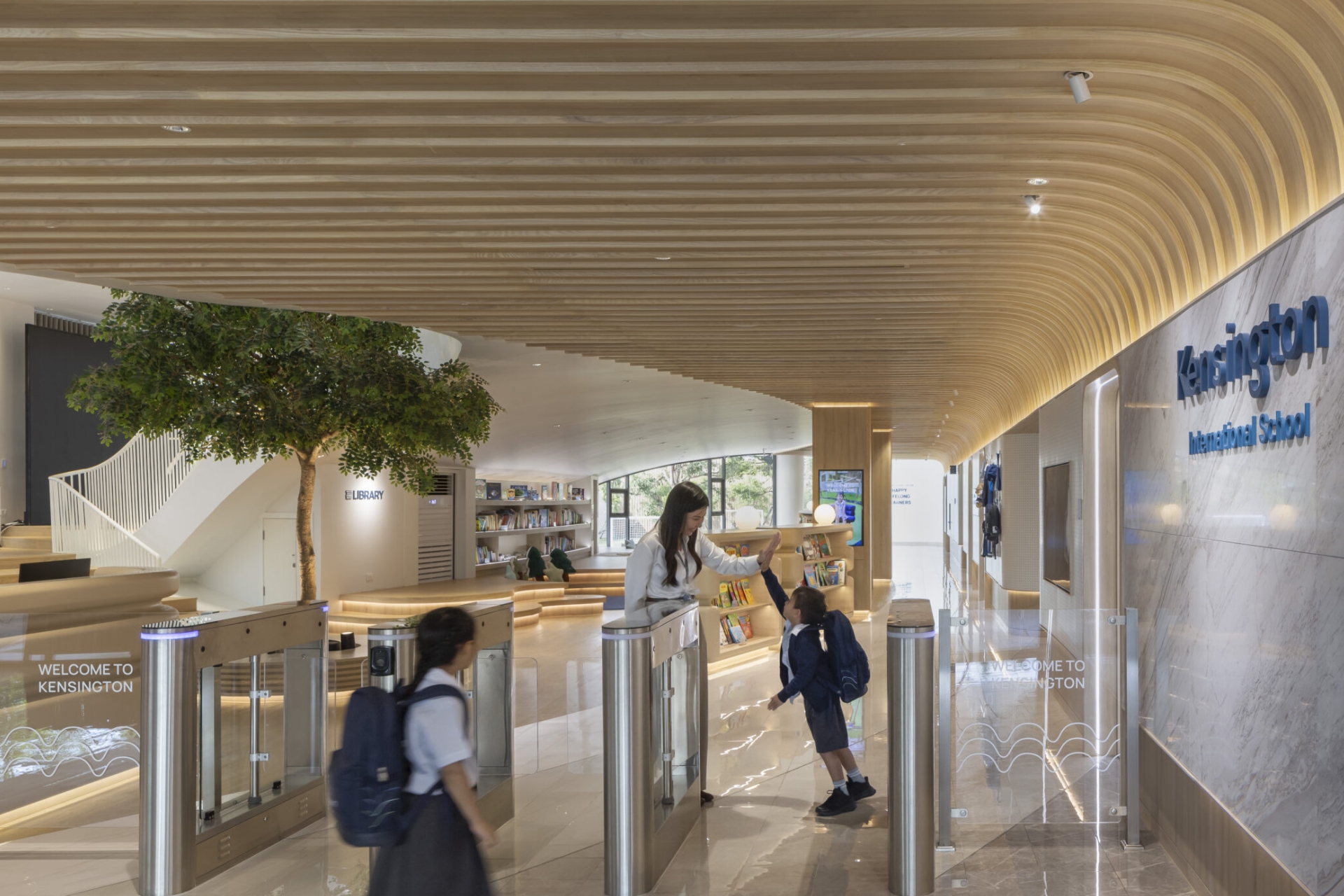
3. Kensington International School – A space that nurtures individuality
Kensington stands out with its approach of “personalized education through space.”
Highlights:
- Modern, minimalist yet emotionally rich design
- Diverse learning spaces: from quiet to dynamic
- Colors used as a behavioral guidance tool
The school does not impose a single way of learning but creates multiple “learning contexts.”
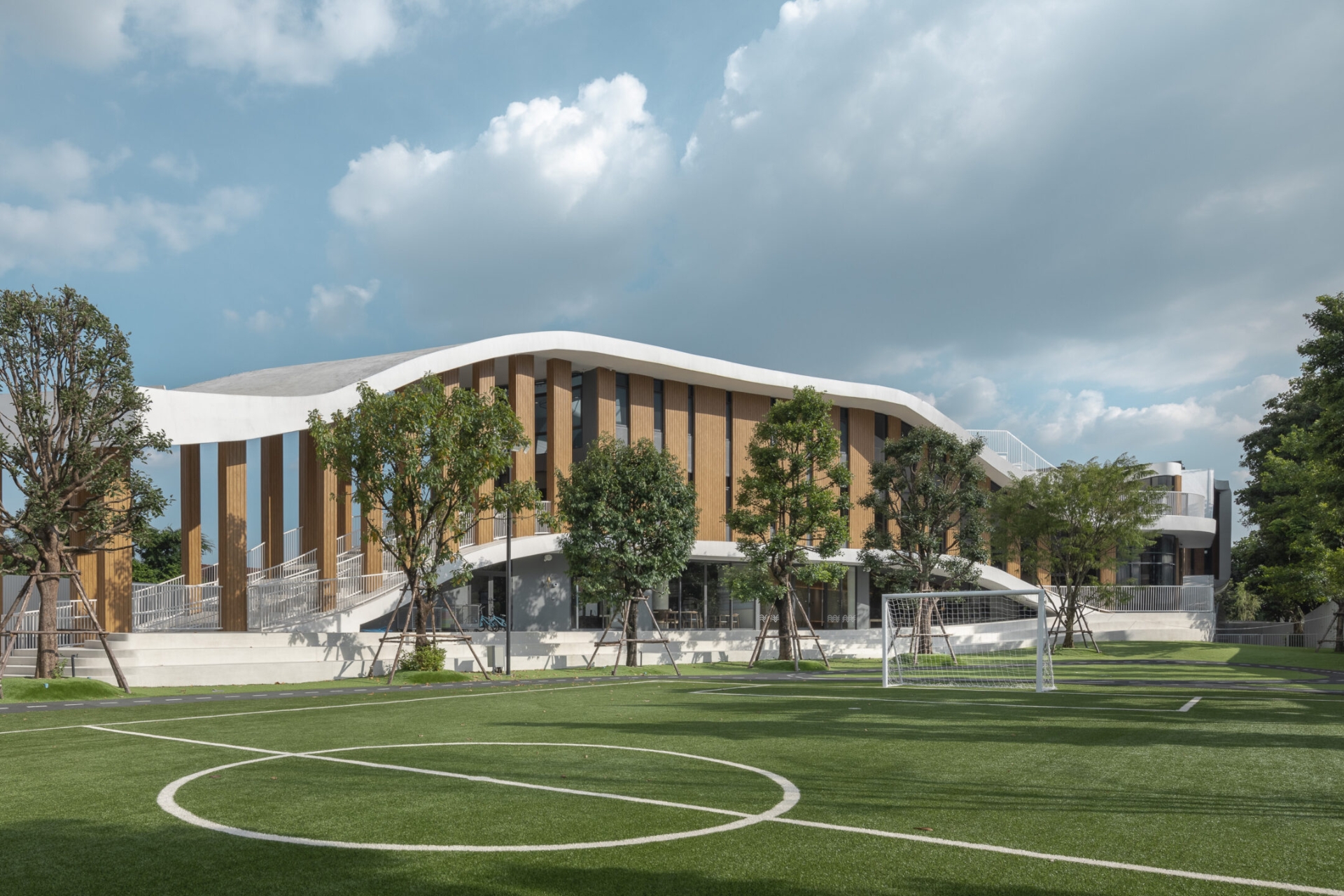
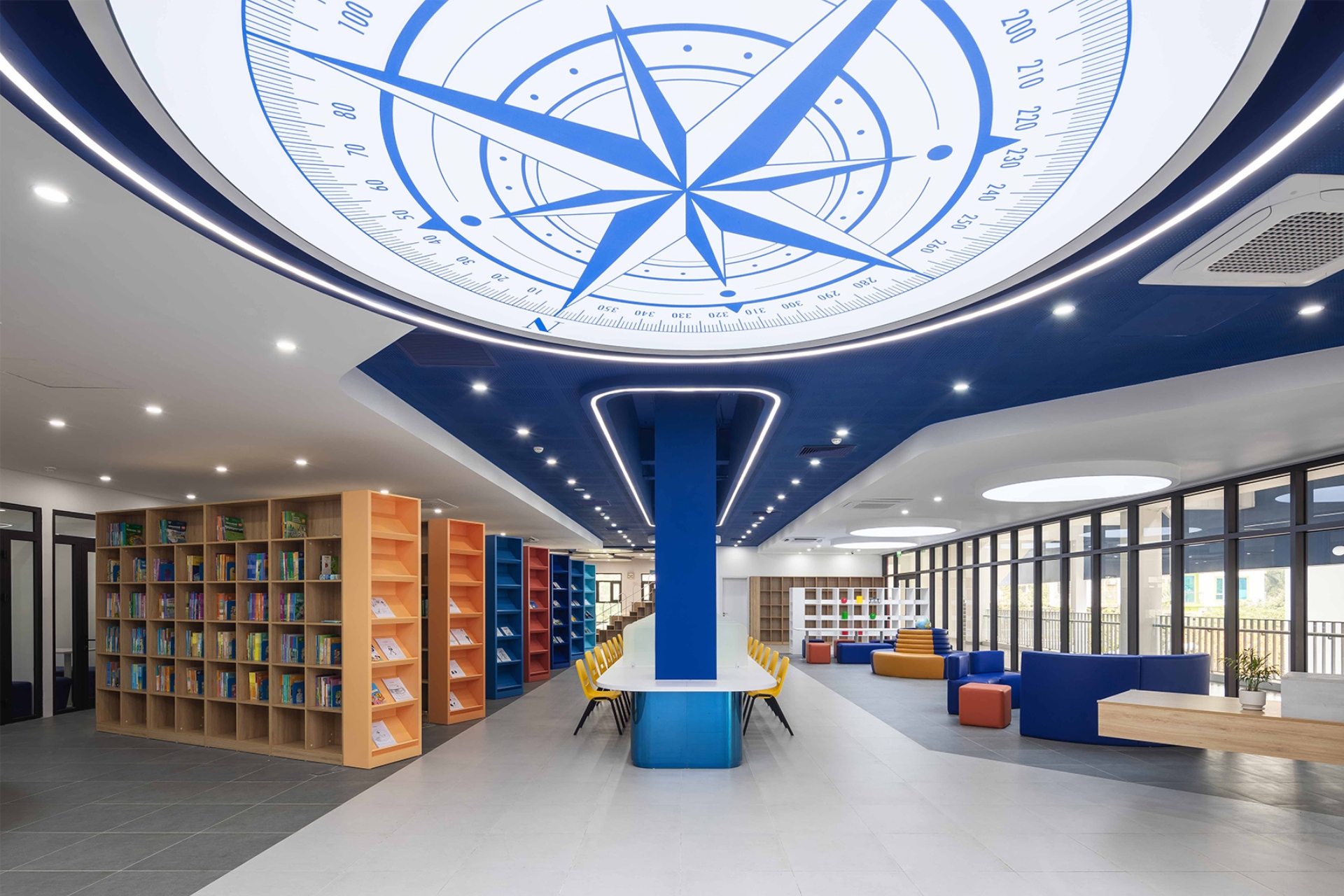
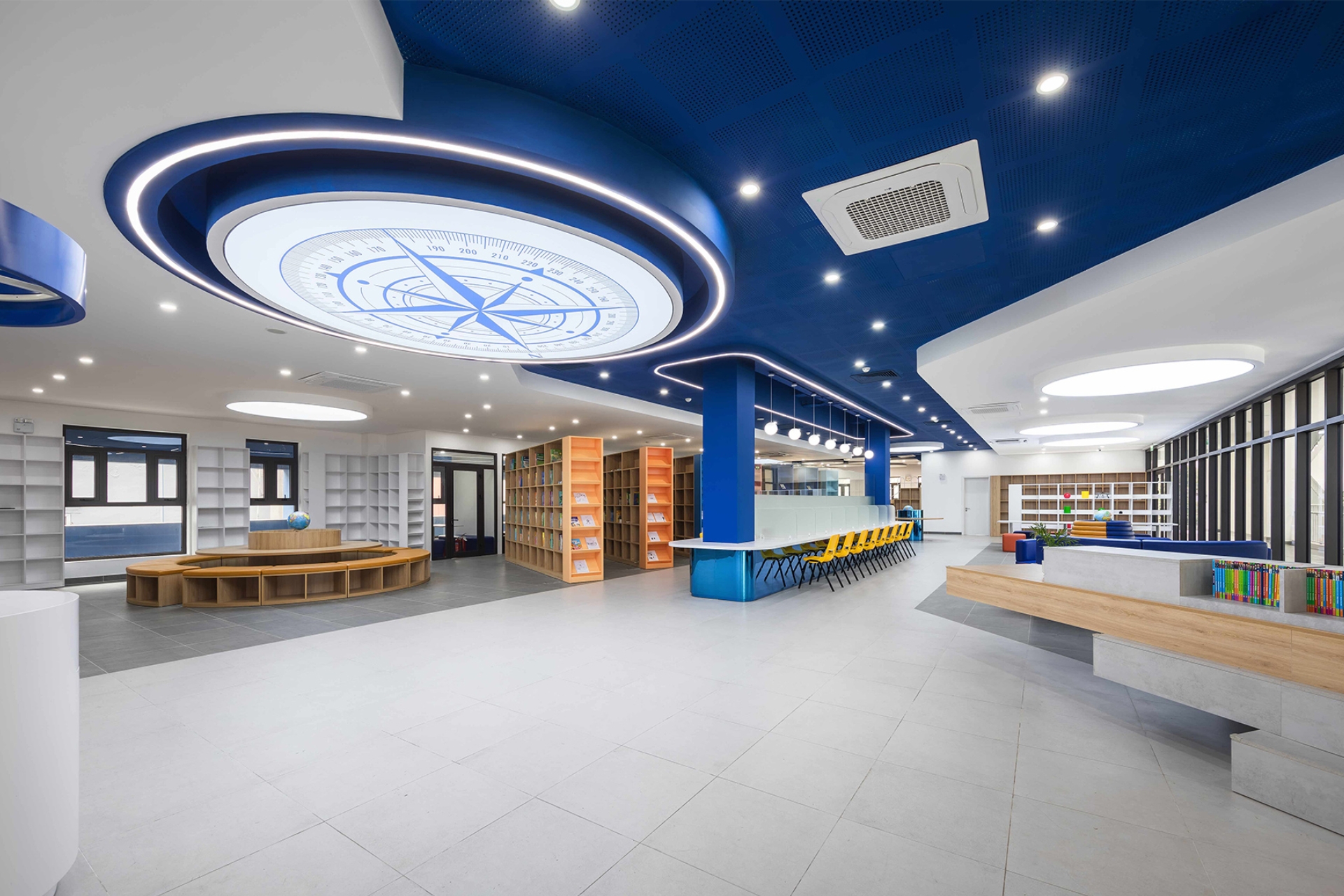
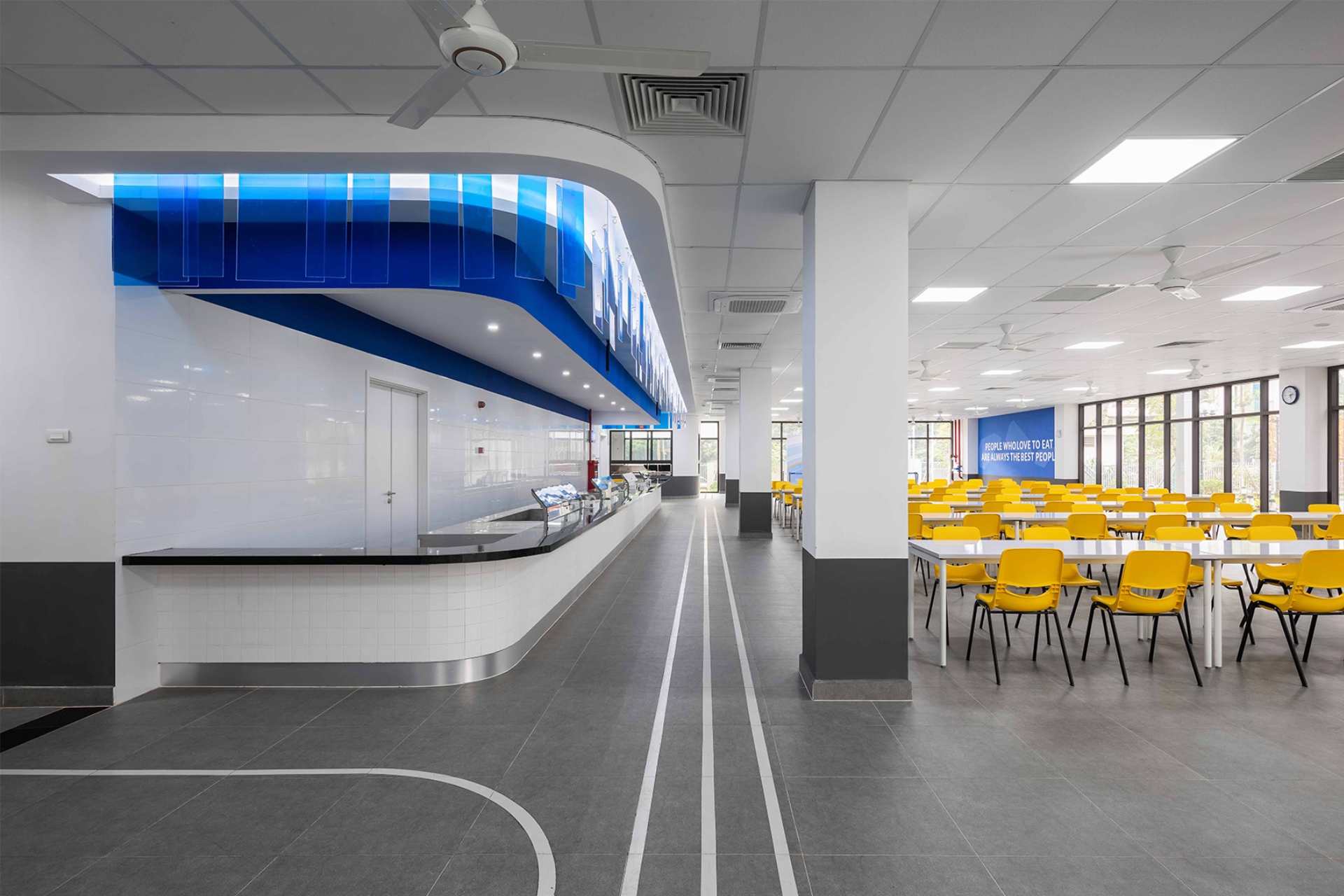
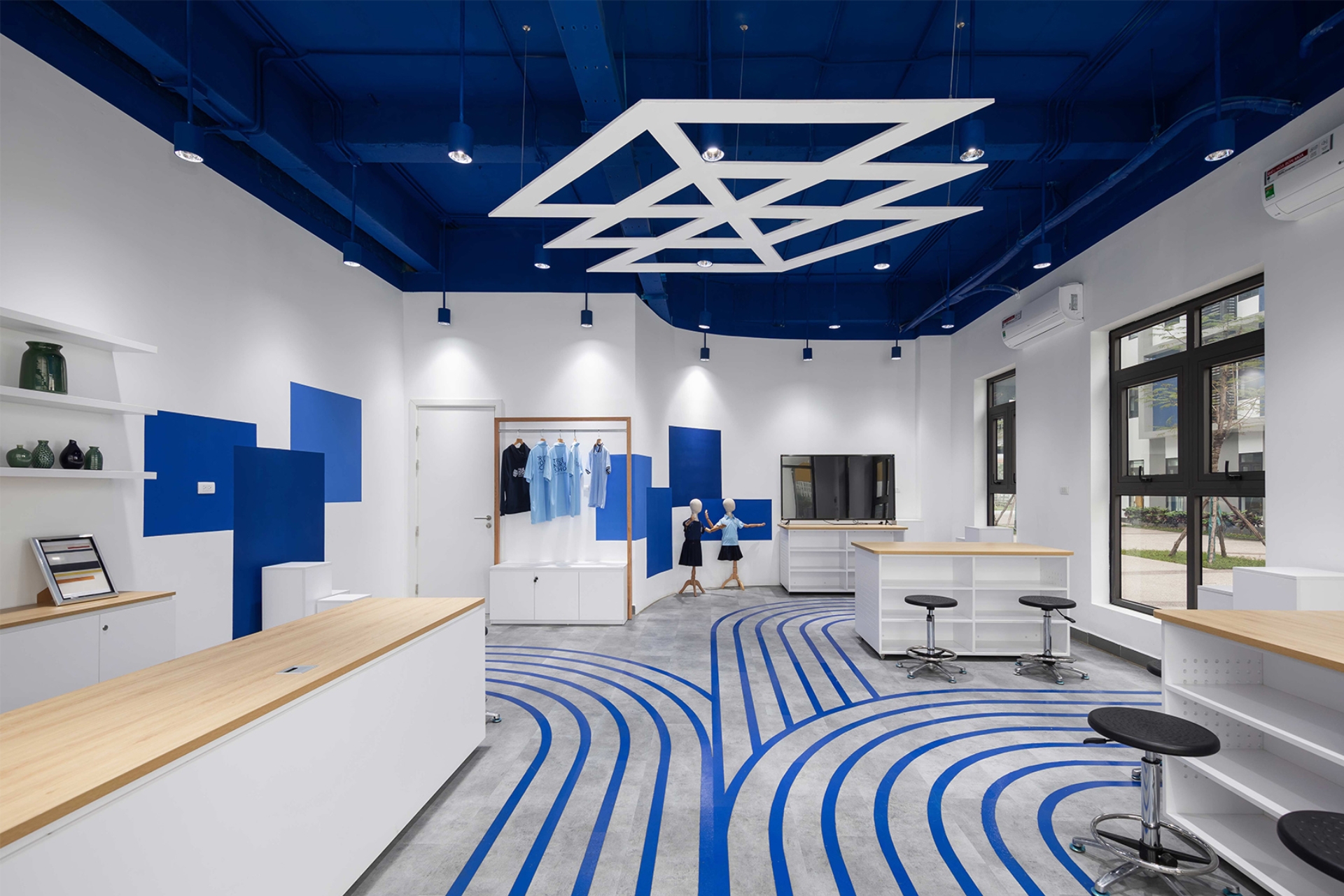
4. True North International School – Architecture that orients the future
True North is likened to an “educational compass,” where architecture plays a role in guiding students’ development.
Highlights:
- Symbolic design approach
- Open spaces connecting the community
- Integration of sustainability and environmental elements
The school is not only a place to learn but also a place to shape thinking and life values. School design should carry a “story” that helps students feel the meaning of learning.
International school design trends 2026
From the above models, several key trends can be drawn:
- “Learning ecosystem”
Not isolated classrooms, but a connected system of experiences. - Emotional design
Spaces are designed for students to “feel good” before they “learn well.” - Sustainability
Use of environmentally friendly materials and energy-saving solutions. - Personalized experience
Spaces that allow each student to have their own learning journey.
Conclusion
An inspiring international school design does not lie in grandeur or investment cost, but in how space “touches” the emotions and thinking of learners.
Models like Bloomingdale, Hangzhou, Kensington, and True North show a common point: architecture is not only a container of education but a part of education itself. In the future, successful schools will not be those that teach the best, but those that make students want to learn the most. TECO hopes that this article has helped answer questions and provide creative, inspiring international school design models.
Related services: International school & kindergarten design & build · After-handover maintenance – TECO MSC