International School Design by Student Age Group
Each stage of development comes with different learning and recreational needs. Therefore, international school spaces should also be designed to suit different age groups. From Early Years to Primary, Secondary, and Sixth Form, each educational stage requires its own spatial approach. The right design helps optimize the learning experience, enhance safety, and create an environment that supports students’ overall development. Discover more with TECO in the article below.
TECO designs international schools for different age groups.
Why Should International Schools Be Designed for Different Age Groups?
Students do not use learning spaces in the same way at every age. Young children need more space for movement and exploration. Primary students begin to develop independent learning and teamwork skills. Meanwhile, Secondary students require more specialized spaces and greater independence.
Therefore, international school design should begin with an understanding of the developmental characteristics of each age group. Learning spaces, furniture, recreational areas, and internal circulation all need to be carefully planned.
This approach also enables the school environment to better support educational methods. Individual learning, teamwork, hands-on activities, and experiential learning all require appropriate spaces.
International School Design for Children Aged 2–5
Early Years Spaces Prioritize Safety and Exploration
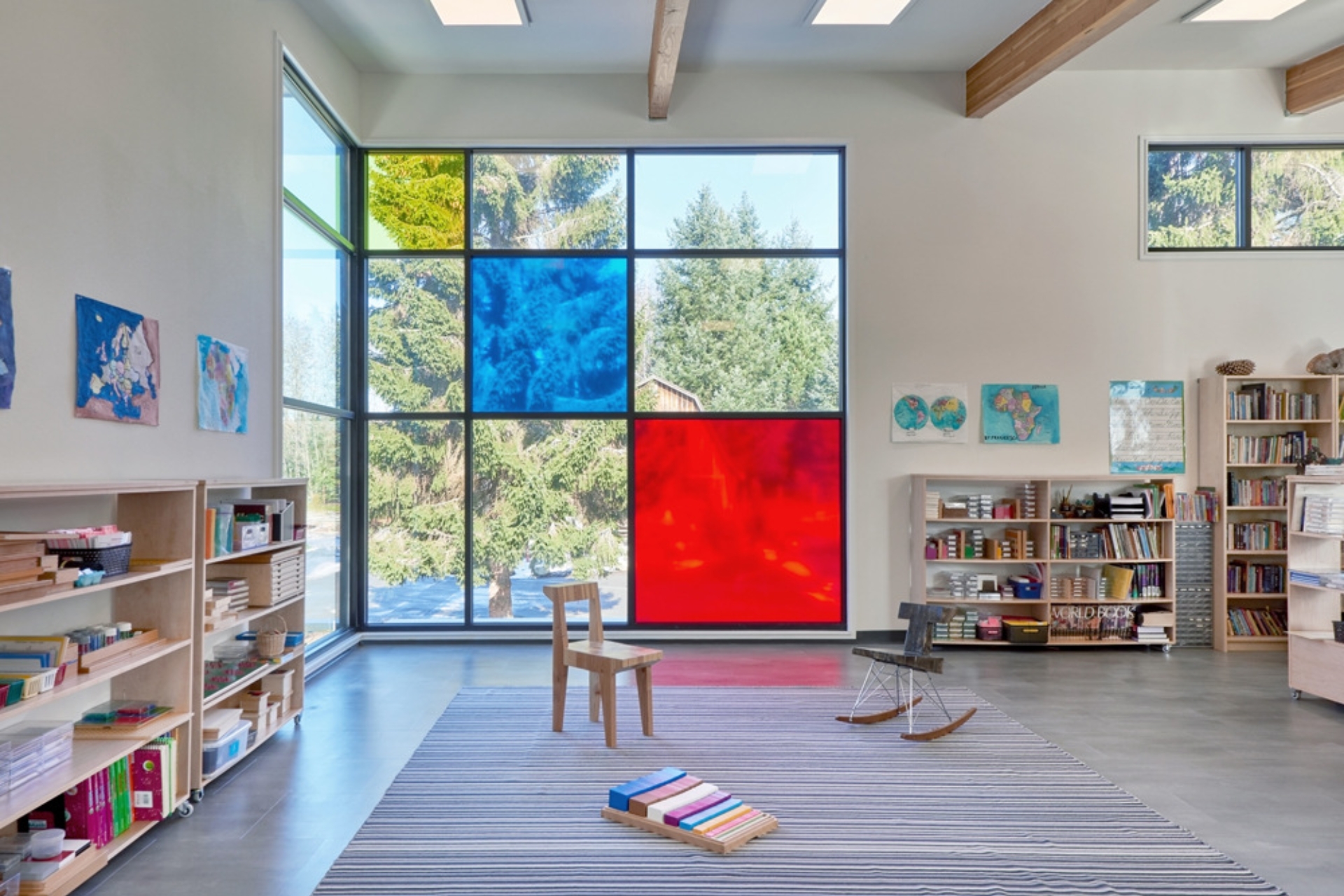
Ages 2–5 are a stage when children learn through play, movement, and exploration. Therefore, Early Years spaces should create a welcoming and safe environment.
Learning areas should have relatively open sightlines, allowing teachers to easily supervise students. Furniture should also be appropriately sized for young children. Play areas should be provided both indoors and outdoors. Activities can combine physical movement, art, reading, and sensory exploration.
Indoor spaces should also maintain a connection with nature. Gardens, greenery, and outdoor play areas can expand the learning experience. Materials should be carefully selected to suit young children, while elements that may cause collisions or injuries should be minimized. This is one of the key considerations in international school design for Early Years students.
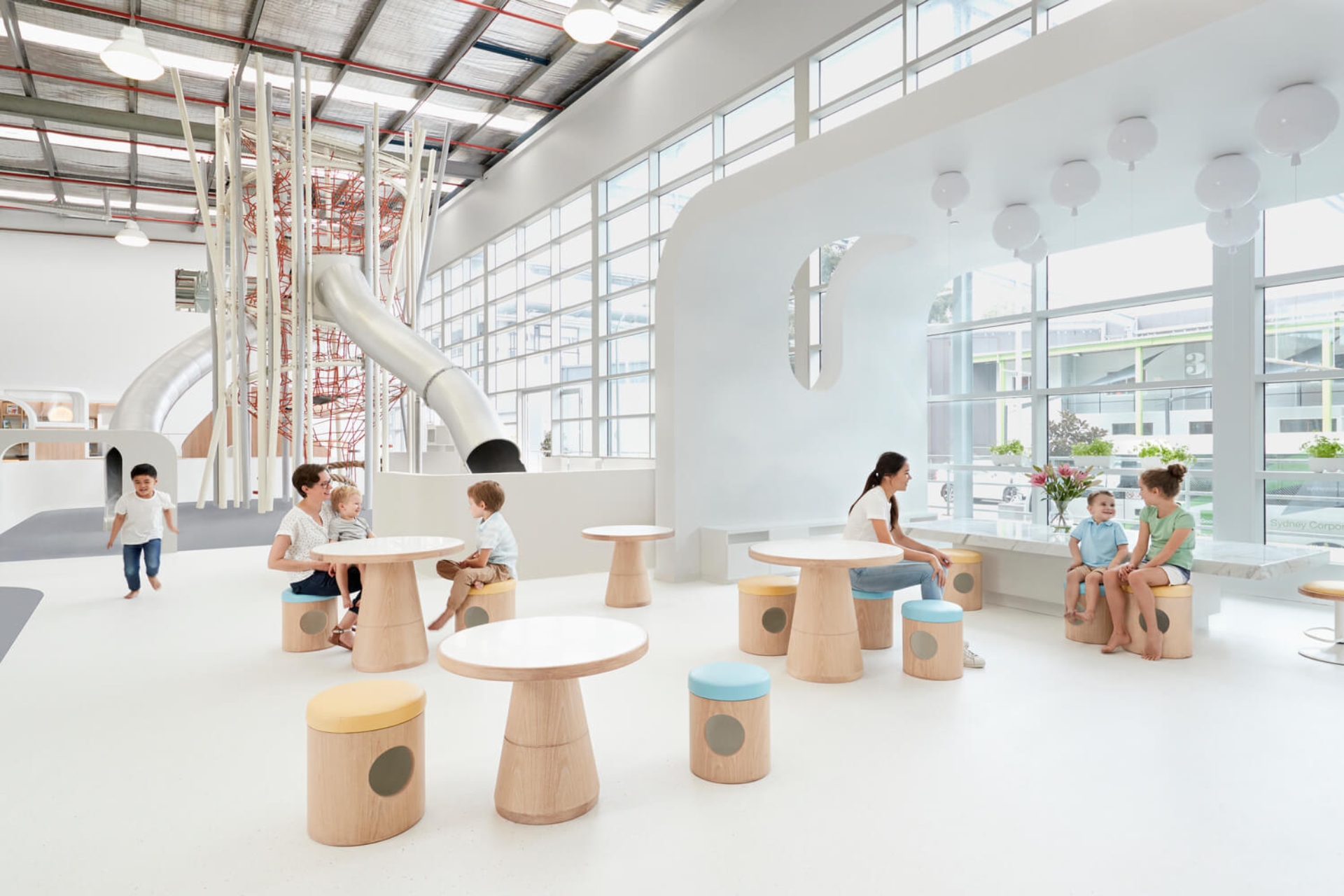
International school design for students aged 2–5.
International School Design for Children Aged 5–11
Primary Spaces Should Be Flexible and Interactive
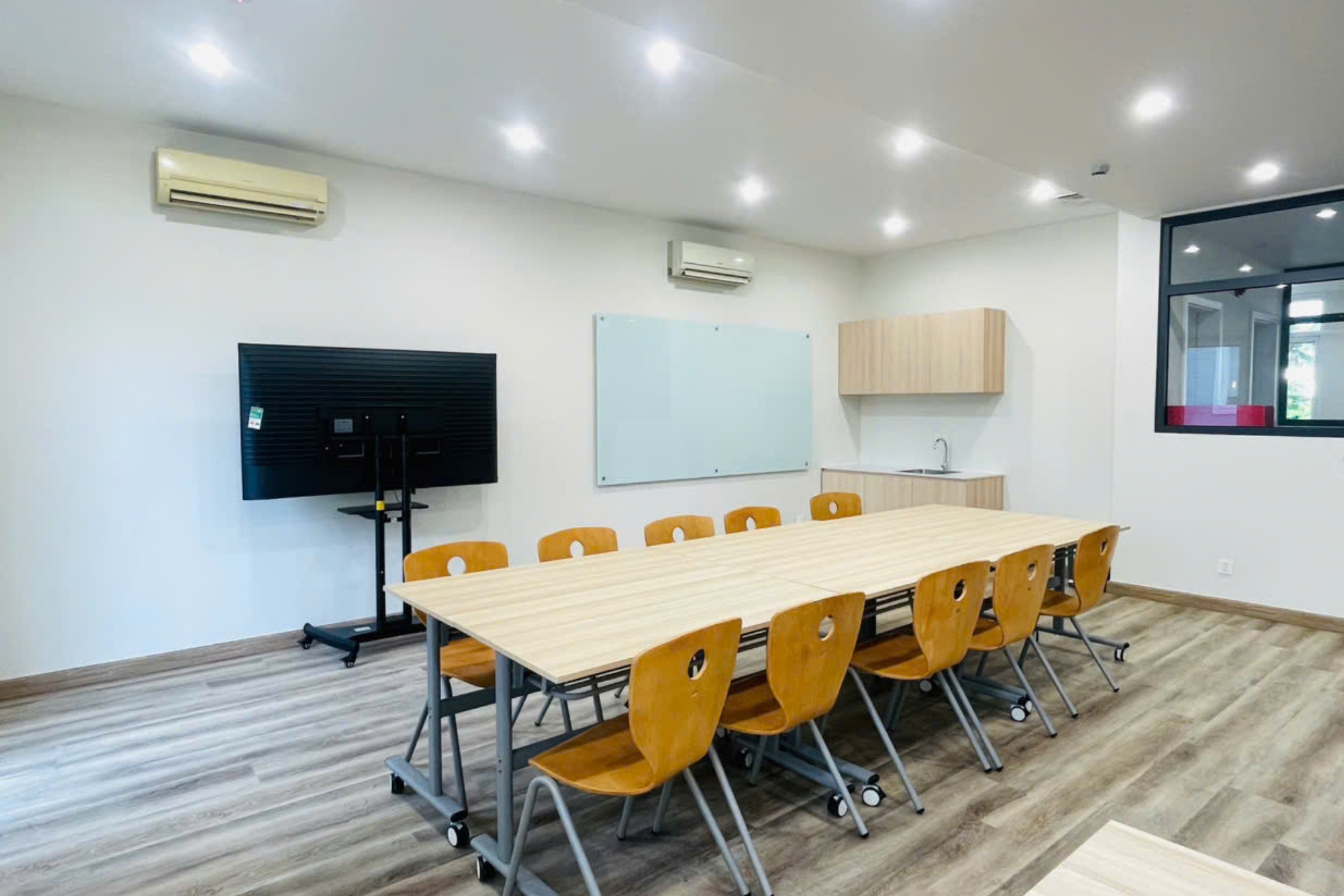
At the Primary level, students begin to develop independent learning, communication, and teamwork skills. Therefore, learning spaces need to become more flexible. Classrooms should not be limited to a single teaching format. Desks and chairs can be rearranged to support individual activities, small-group work, or class discussions.
Beyond classrooms, international schools can provide informal learning areas, such as reading corners, collaborative workspaces, and creative spaces.
The library also plays an important role. It should feel open and accessible, allowing students to read, research, or study independently.
Spaces such as art rooms, STEM labs, and makerspaces can also be integrated into the school. These areas allow students to turn knowledge into practical activities.
Outdoor spaces should also be utilized effectively. School courtyards, gardens, and outdoor learning areas can serve as extensions of the classroom.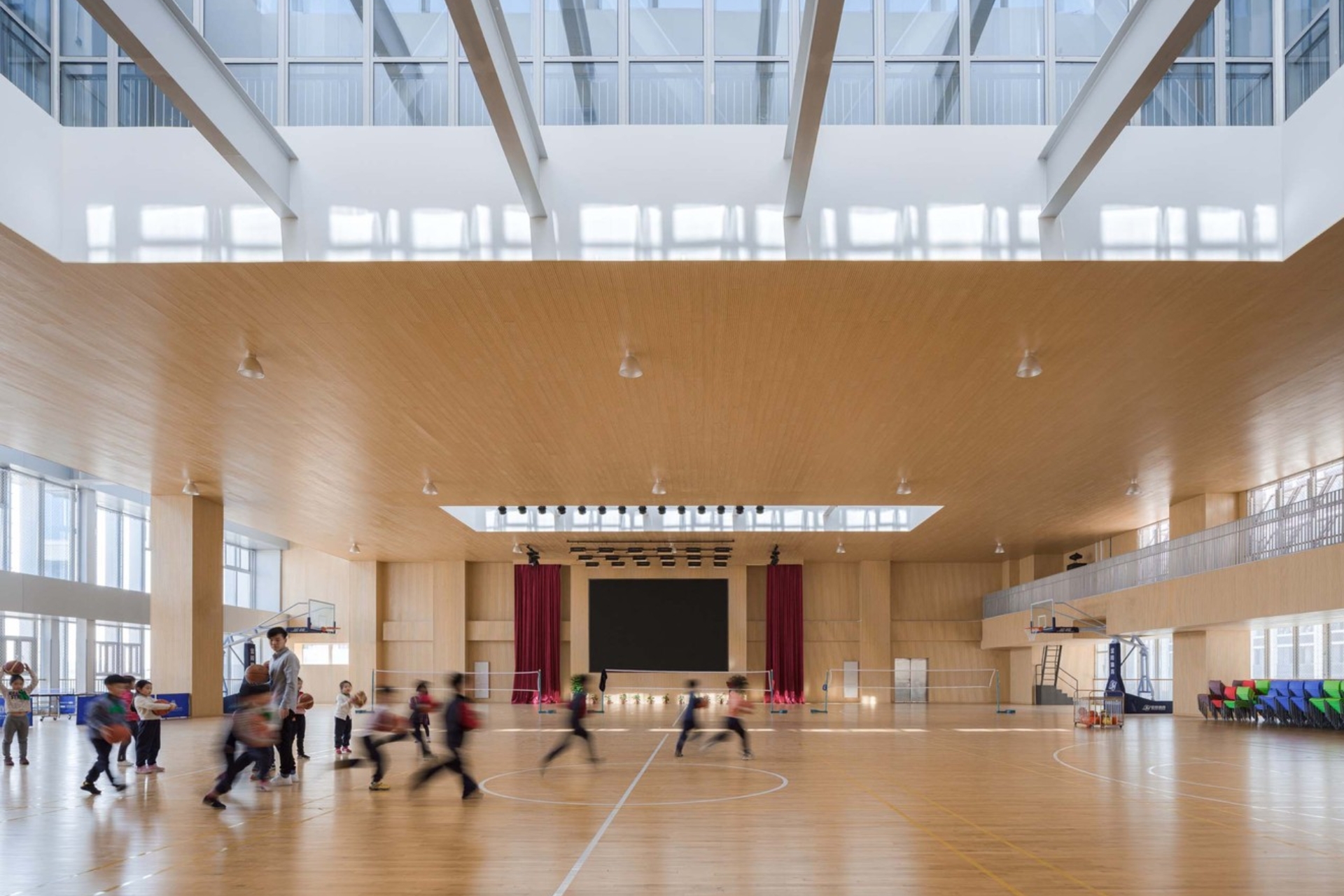
International school design for students aged 5–11.
International School Design for Students Aged 11–16
Secondary Spaces Focus on Specialization and Independence
As students enter Secondary school, their learning needs become more specialized. The learning environment should evolve accordingly. Instead of relying solely on fixed classrooms, students may move between different subject-specific spaces. Science, technology, art, and music rooms should be designed according to the requirements of each subject.
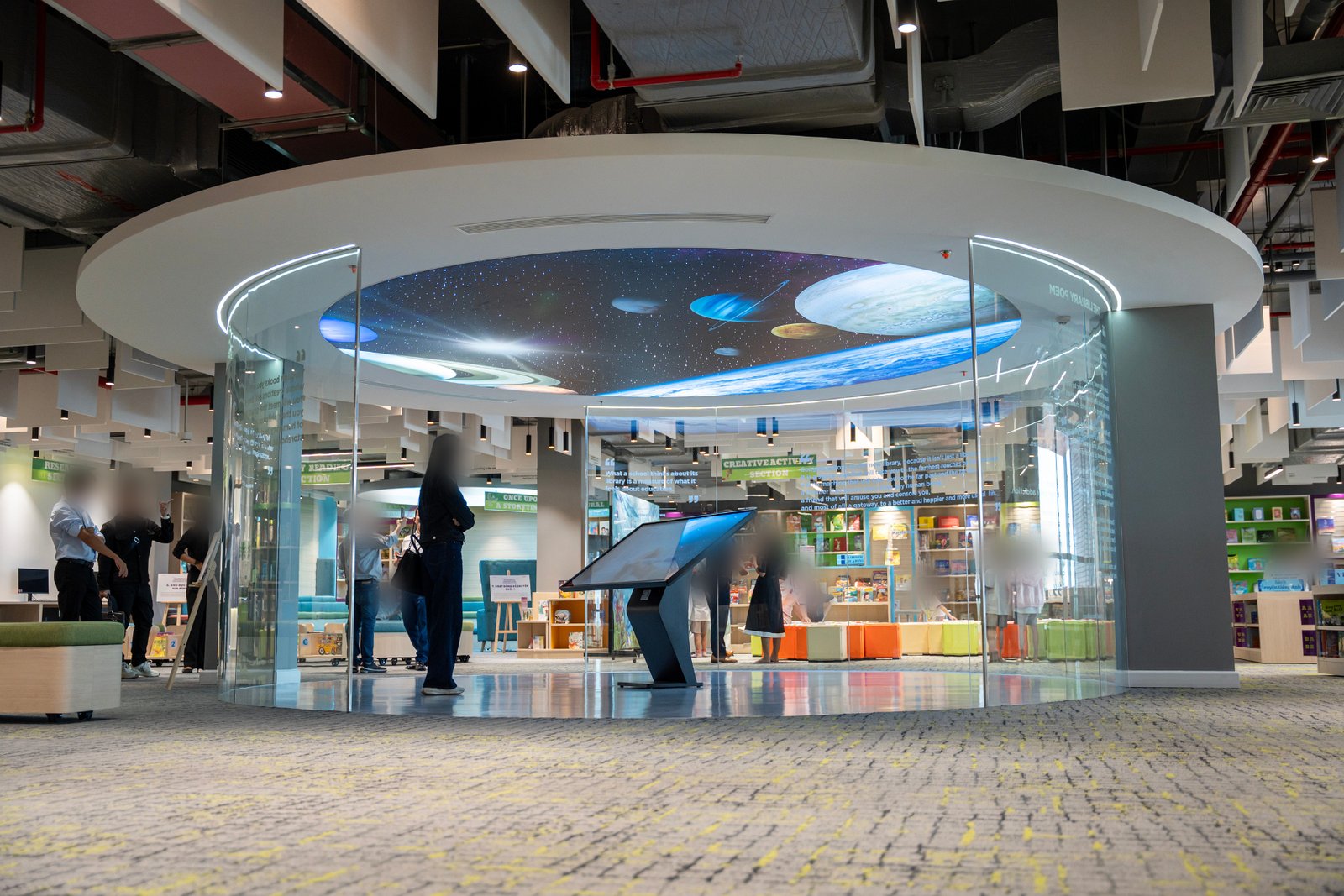
Collaborative learning areas are also essential. Students can use these spaces for discussions, projects, and group work. At the same time, quiet areas should be provided for independent study. Libraries, reading corners, and individual study areas can help students maintain focus.
Internal circulation also requires careful planning. Corridors, staircases, and circulation nodes should be easy to navigate. Signage and wayfinding systems should be clear and intuitive.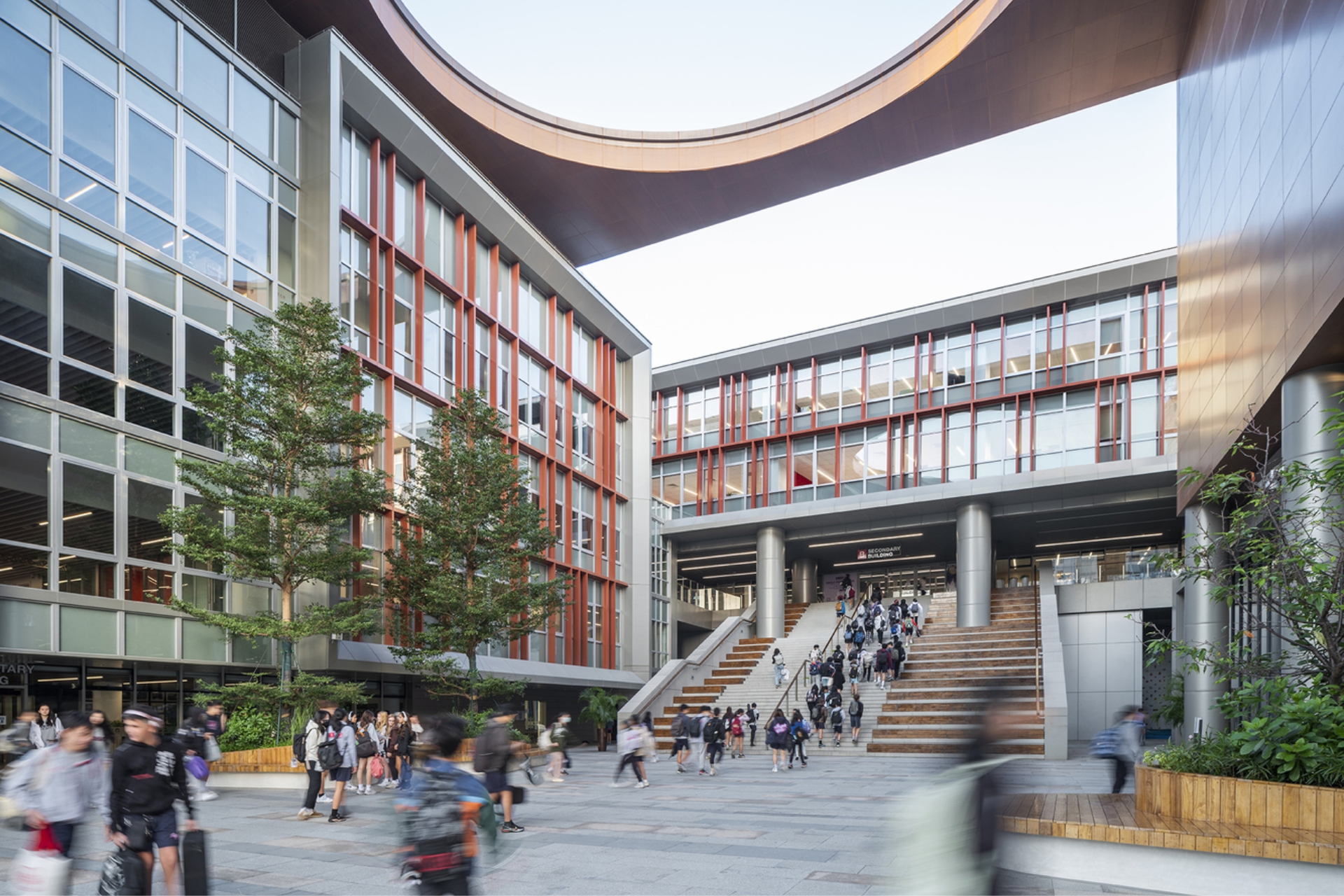
International school design for students aged 11–16.
International School Design for Students Aged 16–18
Sixth Form Spaces Encourage Independence
At the age of 16–18, students begin preparing for university and future careers. Therefore, the learning environment should provide a greater sense of maturity and independence.
Independent study areas are an important component. Students should be able to choose spaces that suit their individual learning styles. Libraries can incorporate research areas and discussion rooms, while collaborative spaces can support academic projects and knowledge sharing.
International schools can also provide career counseling spaces where students can discuss university choices, academic pathways, and future career directions.
Common areas should also be designed to suit students at this stage. These spaces provide opportunities for social interaction and relaxation between classes. The main goal of Sixth Form design is to create an environment that reflects the learning experience of higher education. Students have greater autonomy in choosing their learning spaces and study methods.
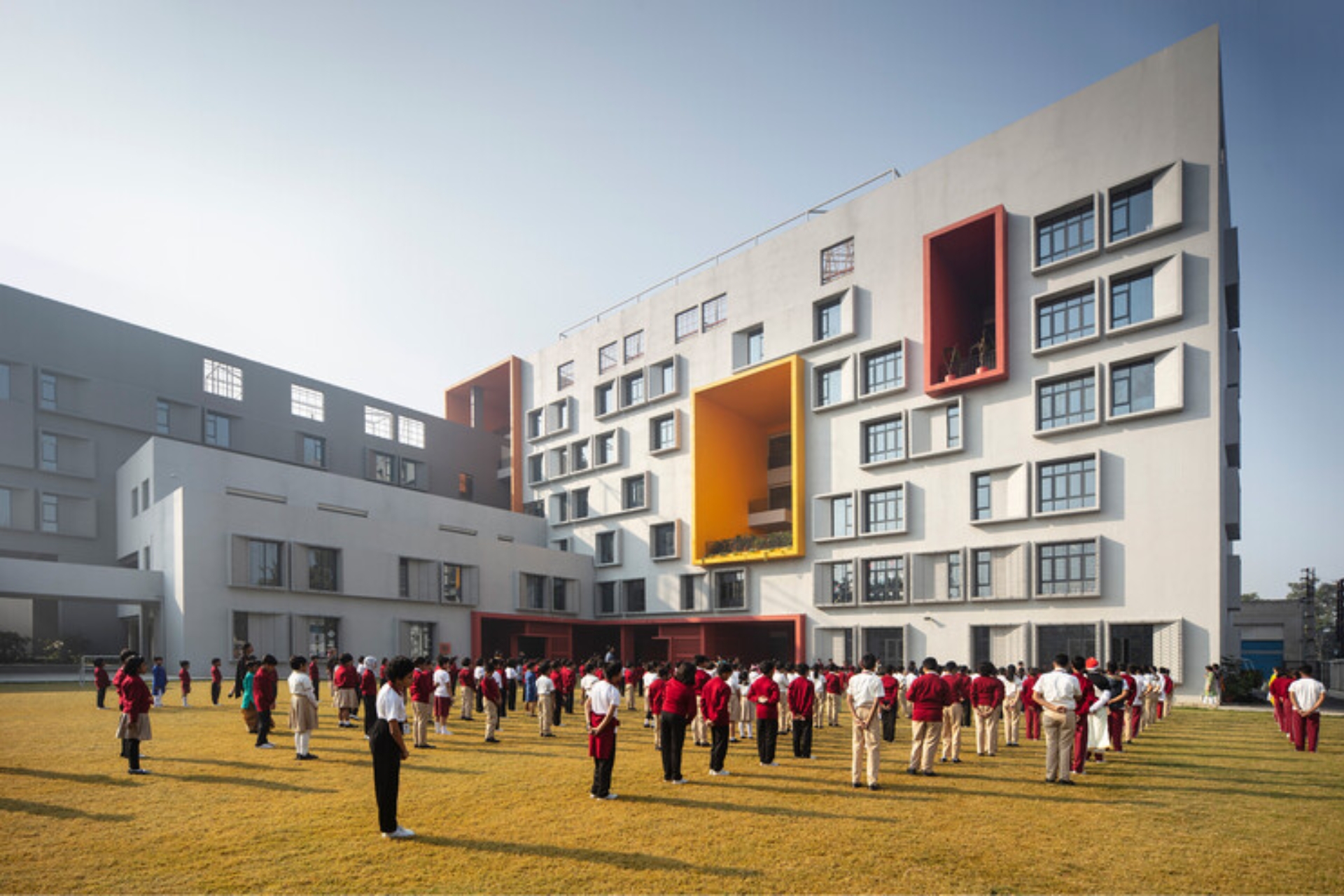
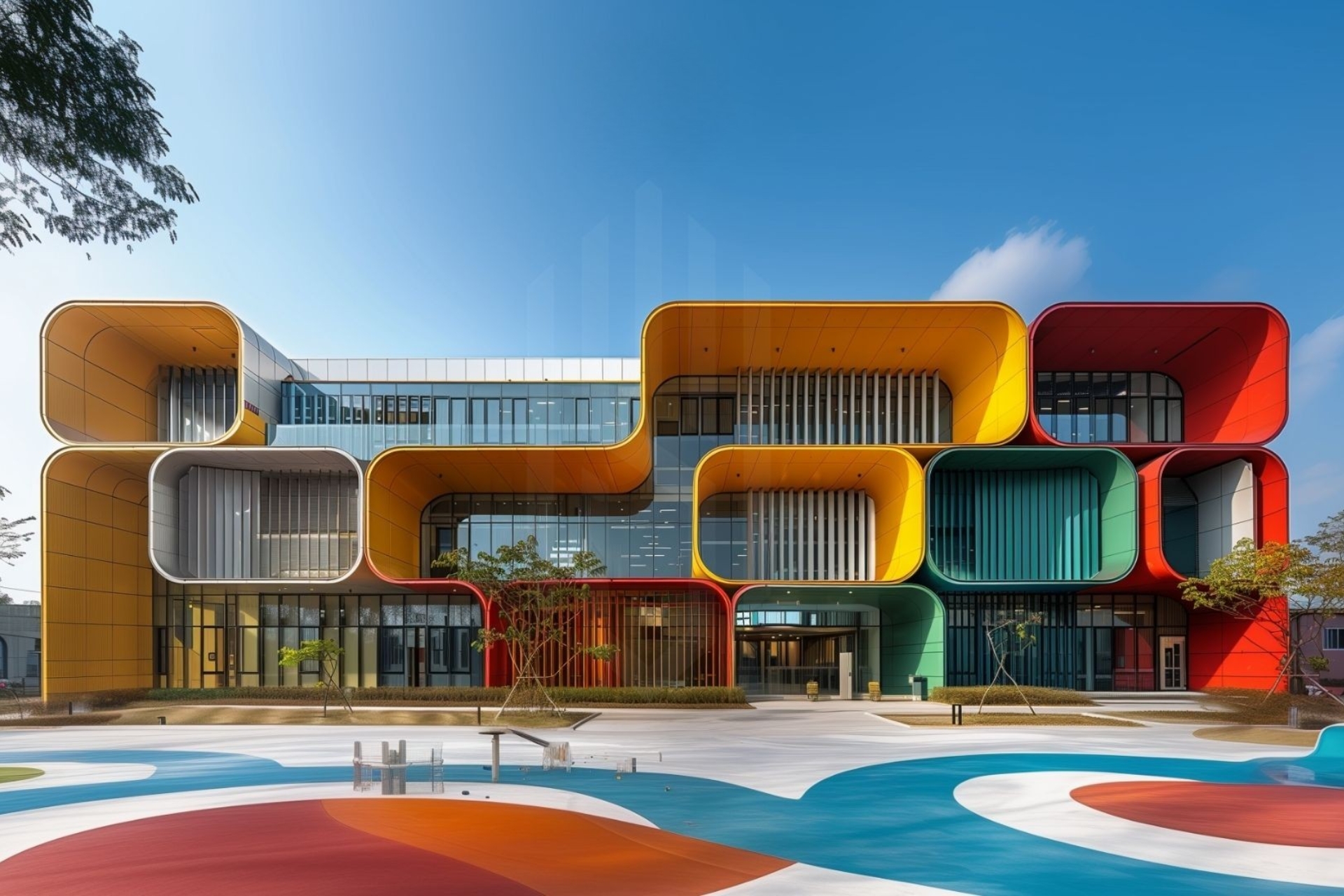
International school design for students aged 16–18.
Key Principles of International School Design
Although each age group has different requirements, the entire facility should still follow several common design principles.
Ensuring Safety
Safety is a fundamental requirement throughout international school design. Staircases, railings, corridors, playgrounds, and sports areas need to be carefully planned. Electrical, plumbing, and fire protection systems should also be integrated into the overall design. Emergency exits must be clearly identified and easily accessible.
Optimizing Natural Light and Ventilation
Learning spaces need appropriate lighting conditions. Natural light should be maximized while controlling glare and heat. Ventilation should also be considered from the early design stage. A well-ventilated environment creates a more comfortable learning atmosphere.
Enhancing Flexibility
Educational methods may change over time. Therefore, school spaces need to be adaptable. Furniture can be rearranged, while certain rooms can support multiple activities. Common spaces can also be transformed according to changing requirements.
This flexibility allows international schools to make more effective use of their space over the long term.
Connecting with Nature
Green spaces can diversify the learning environment. Gardens, courtyards, and outdoor learning areas can be integrated into the overall school design. This connection with nature also gives students more opportunities for physical activity and relaxation.
International School Design Should Balance Different Educational Stages
Dividing spaces by age group does not mean that each educational stage must be completely separated. Some facilities can be shared, including libraries, auditoriums, sports halls, cafeterias, and school courtyards.
The key is to organize circulation effectively. Early Years areas should be carefully controlled and designed with safety as a priority. Meanwhile, Secondary and Sixth Form students can have greater levels of independence.
This approach allows the school to meet the specific needs of each age group while creating a cohesive educational ecosystem.
TECO – International School Design and Construction Solutions
Designing an international school is a comprehensive challenge. Spaces need to respond to students’ ages, educational approaches, and operational requirements. TECO can accompany investors throughout the process, from site surveys and consultation to design and construction. Early Years, Primary, Secondary, and Sixth Form spaces are considered based on their specific usage requirements.
In addition to architecture, structural systems, MEP, interior design, and finishing works also need to be coordinated as an integrated whole. This helps minimize conflicts during implementation.
A successful school design is not simply about creating an attractive building. More importantly, it should provide a safe, flexible, and functional environment that supports students throughout every stage of their development.
Conclusion
Each age group requires a different learning environment. Early Years prioritizes safety and exploration. Primary focuses on flexibility and interaction. Secondary emphasizes specialization and independence. Sixth Form prepares students for greater autonomy.
Therefore, international school design should be based on the developmental characteristics of each student group. When architecture is closely connected to actual educational needs, the school can become an environment that effectively supports learning, experience, and long-term development.
Contact TECO for consultation on international school design and construction solutions tailored to different student age groups.
Related services: International school & kindergarten design & build · After-handover maintenance – TECO MSC